
Have you ever wanted to draw a house but found yourself stuck on the windows? You’re not alone! Windows are a crucial part of any house drawing, and they can be tricky to get right. But don’t worry, we’ve got you covered.
Learning quick and straightforward methods for drawing house windows can make a huge difference in your overall drawing skills. Not only will it boost your confidence, but it will also save you time and frustration. By the end of this article, you’ll have all the knowledge and tools you need to create stunning house windows in no time.
Why Drawing House Windows Quickly and Easily Matters

The Significance of Windows in Home Architecture
Windows are more than just functional elements in a house. They’re also an essential part of the overall design and architecture. Windows can add character, style, and personality to a home and even affect a room’s mood and atmosphere.
When you’re drawing a house, the windows are often one of the first things people notice. They can make or break the overall look and feel of your drawing. That’s why it’s so important to get them right.
Common Challenges Beginners Face When Drawing Windows
If you’re new to drawing, windows are particularly challenging. It’s easy to get overwhelmed by all the different shapes, sizes, and details. You might struggle with perspective, proportions, or getting the lines just right.
But don’t let these challenges discourage you! With a bit of practice and the proper techniques, you can overcome them and start drawing beautiful house windows in no time.
How Mastering Quick Drawing Techniques Can Boost Confidence and Skills
One of the best ways to improve your drawing skills is to learn quick and simple techniques. When you can draw something quickly and easily, it boosts your confidence and makes you more likely to keep practicing and improving.
Mastering quick drawing techniques for house windows can also help you develop other essential skills, like observation, hand-eye coordination, and attention to detail. These skills will serve you well in all areas of your drawing, from landscapes to portraits to still lifes.
So, if you want to take your house drawing to the next level, start by mastering the art of drawing windows quickly and easily. Your future self and your future drawings will thank you!
Essential Tools and Materials

Pencils, Erasers, Rulers, and Paper Selection
To draw a house window fast and easy, you’ll need a few basic tools and materials. Here’s what you should have on hand:
- Pencils: A good quality HB or 2B pencil is perfect for sketching and drawing.
- Erasers: A soft eraser will help you correct any mistakes and keep your drawing clean.
- Rulers: A straight-edge ruler will help you draw straight lines and maintain accurate window proportions.
- Paper: Choose a smooth, heavyweight paper that can handle erasing and shading.
Optional Digital Tools for Quick Sketches
If you prefer drawing digitally, some great tools can help you create quick and easy house window sketches. Some popular options include:
- Graphic tablets: These let you draw directly on a digital surface, giving you greater control and precision.
- Drawing apps: There are many drawing apps available for tablets and smartphones that offer a range of tools and features for quick sketching.
- Digital pens: These can be used with tablets or smartphones to create smooth, precise lines.
Tips for Organizing Your Workspace for Efficient Drawing
Having an organized workspace can help you draw more efficiently and effectively. Here are some tips to keep in mind:
- Keep your tools and materials within easy reach, so you don’t have to waste time searching for them.
- Use a drawing board or easel to keep your paper at a comfortable angle.
- Keep your workspace clean and clutter-free, so you can focus on your drawing.
- Set up good lighting so you can see your drawing clearly and avoid eye strain.
By having the right tools and an organized workspace, you’ll be well on your way to drawing house windows quickly and easily.
Fundamental Drawing Skills You Need
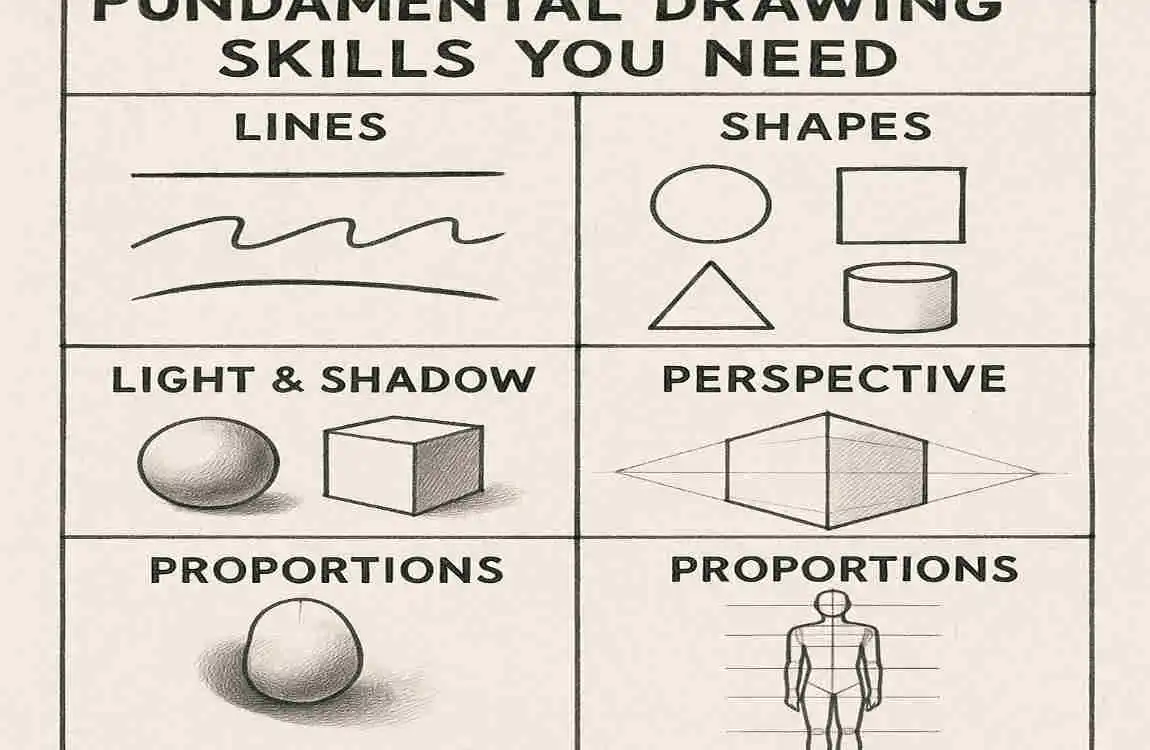
Basic Shapes: Rectangles, Squares, and Lines
Drawing a house window starts with mastering the basic shapes that make up a window. Rectangles, squares, and lines are the building blocks of any window drawing.
Practice drawing these shapes freehand, using light, loose strokes. Don’t worry about getting them perfect at first – the goal is to get comfortable with the basic forms.
Perspective and Proportion Tips
To draw a convincing house window, you need to understand perspective and proportion. Perspective is the way objects appear to get smaller as they recede into the distance, while proportion is the relationship between the sizes of different elements.
When drawing a window, please pay attention to how it relates to the rest of the house. Is it taller or wider than the door? How far is it from the roofline? Keeping these proportions in mind will help your window look realistic and well-integrated into the overall drawing.
Sketching Lightly First, Then Adding Details
One key to drawing a house window quickly and easily is to start with a light sketch. Use your pencil to draw the basic shape of the window, focusing on getting the proportions and perspective right.
Once you’re happy with the overall shape, you can start adding details like window panes, sills, and decorative elements. By starting with a light sketch, you give yourself room to make adjustments and corrections as you go.
How These Skills Help Draw Windows Swiftly
Mastering these fundamental drawing skills will help you draw house windows more quickly and easily. When you’re comfortable with basic shapes, perspective, and proportion, you can sketch out a window in just a few strokes.
And by starting with a light sketch and gradually adding details, you can work more efficiently and avoid getting bogged down in the details too early. With practice, you’ll be able to draw a convincing house window in no time!
Step-by-Step Guide to Drawing a House Window Fast
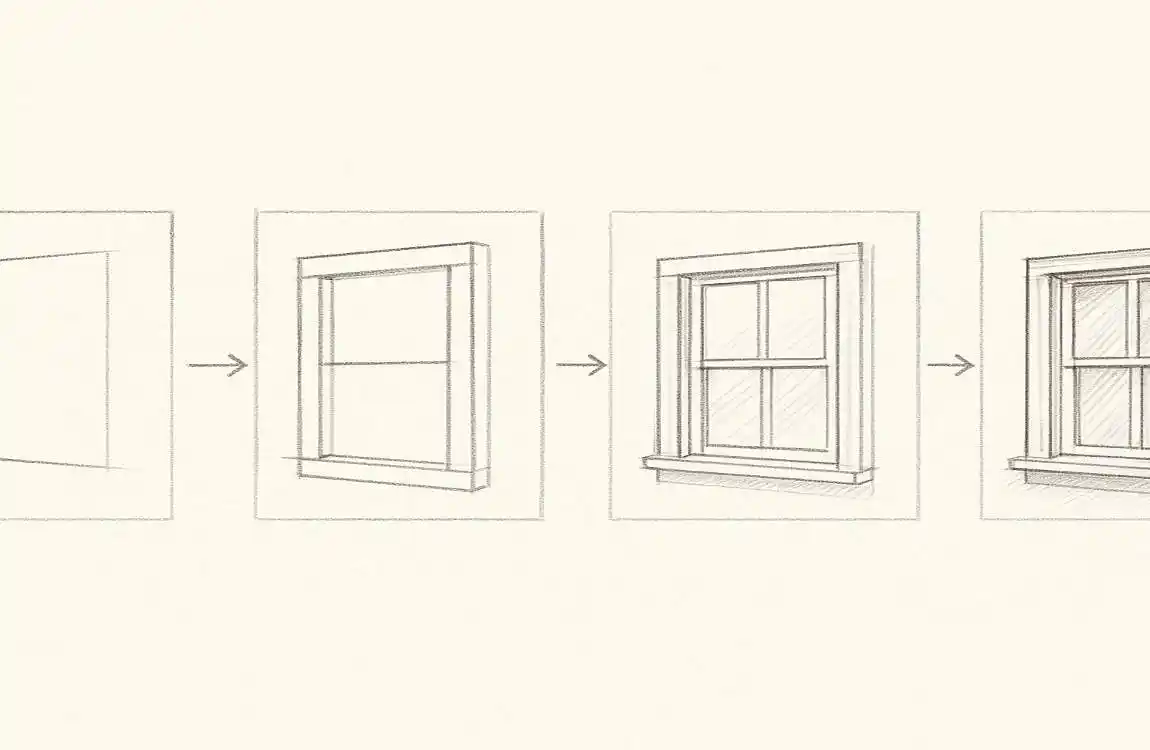
Now that you have the fundamental skills under your belt, let’s dive into a step-by-step guide for drawing a house window quickly and easily. Follow these steps, and you’ll be creating beautiful windows in no time!
Outline the Basic Window Frame
Start by drawing a light sketch of the basic window frame. Use your ruler to draw a rectangle or square, depending on the shape of the window you want to create.
Pay attention to the proportions of the window in relation to the rest of the house. Is it tall and narrow, or wide and short? Make sure the window fits well within the house’s overall design.
Add the Window Panes and Divisions
Once you have the basic frame in place, it’s time to add the window panes and divisions. Use your ruler to draw straight lines across the window, dividing it into smaller sections.
The number and arrangement of the panes will depend on the style of window you’re drawing. Some windows have a single large pane, while others have multiple smaller panes arranged in a grid pattern.
Draw Window Details Like Sills or Decorative Elements
Now it’s time to add some details to your window drawing. Use your pencil to draw a window sill at the bottom of the frame, and add decorative elements such as shutters or trim.
These details bring your window to life and add character to your overall house drawing. Don’t be afraid to get creative and experiment with different styles and designs!
Shade or Add Texture for Realism
To make your window drawing look more realistic, you can add some shading or texture. Use your pencil to create light and dark areas on the window frame and panes, paying attention to where the light would hit the window in real life.
You can also add texture to the window by drawing small lines or dots to represent the glass or the frame’s wood grain. These subtle details can make a big difference in the overall look of your drawing.
Finalize with Clean Lines and Erase Unnecessary Sketches
Once you’re happy with the overall look of your window drawing, it’s time to finalize it with clean, bold lines. Use your pencil to go over the main lines of the window, making them darker and more defined.
Then, use your eraser to carefully remove any unnecessary sketches or guidelines. This will give your drawing a clean, polished look and make the window really stand out.
Tips for Avoiding Common Mistakes
As you’re drawing your house window, keep these tips in mind to avoid common mistakes:
- Don’t overcomplicate the design. Please keep it simple and focus on the basic shapes and proportions.
- Pay attention to perspective and make sure the window looks realistic in relation to the rest of the house.
- Take your time and don’t rush the process. A little patience can go a long way in creating a beautiful window drawing.
Tips for Speeding Up Your Drawing Process

Now that you know how to draw a house window step-by-step, let’s talk about some tips for speeding up your drawing process. With a bit of practice and these techniques, you’ll be able to create beautiful windows in record time!
Practice with Quick Sketches
One of the best ways to speed up your drawing process is to practice with quick sketches. Set a timer for a few minutes and challenge yourself to draw as many windows as you can in that time.
Don’t worry about getting every detail perfect – the goal is to loosen up your hand and get comfortable with the basic shapes and proportions. The more you practice, the faster and more confident you’ll become.
Incorporate Habits that Improve Speed without Sacrificing Quality
Finally, incorporate habits into your drawing practice to improve your speed without sacrificing quality. For example, try drawing with a lighter touch to work more quickly and make adjustments as needed.
You can also practice drawing from memory, rather than constantly referring to a reference image. This can help you work more efficiently and develop your own unique style.
By incorporating these tips and habits into your drawing practice, you’ll be well on your way to drawing house windows quickly and easily. Keep practicing, and soon you’ll be creating stunning windows!
Practice Exercises to Improve Your Speed and Accuracy

Now that you have the tools and techniques to draw house windows quickly and easily, it’s time to put them into practice. Here are some exercises you can do to improve your speed and accuracy:
Daily Quick Sketch Challenges
Set aside a few minutes each day to do a quick sketch challenge. Choose a reference image of a house window and set a timer for 5-10 minutes. Challenge yourself to draw the window as accurately and quickly as possible.
Don’t worry about getting every detail perfect – the goal is to loosen up your hand and improve your speed. The more you practice, the faster and more confident you’ll become.
Recreating Different Window Styles
To improve your versatility and accuracy, practice recreating different window styles. Look for reference images of windows in various shapes, sizes, and designs, and challenge yourself to draw them as accurately as possible.
Pay attention to the proportions, details, and overall feel of each window. This will help you develop a keen eye for detail and improve your ability to draw a wide range of window styles.
Using Reference Images for Practice
Using reference images is a great way to improve your accuracy and attention to detail. Find high-quality photos of house windows and use them as a guide for your drawings.
Please pay close attention to the shapes, lines, and textures in the reference image, and try to replicate them as closely as possible in your drawing. This will help you develop a more realistic and detailed style.
Encouragement to Keep Practicing for Mastery
Remember, drawing is a skill that takes time and practice to master. Don’t get discouraged if your early attempts at drawing house windows aren’t perfect—keep practicing, and you’ll see improvement over time.
Set aside time each day to practice your drawing skills, and don’t be afraid to experiment and try new techniques. With patience and persistence, you’ll soon be drawing stunning house windows with ease!
How to Draw a Window for a House: FAQ
Q: What basic shape should I start with to draw a window?
A: Begin by drawing a simple rectangle or square to represent the window frame.
Q: How do I add details to make the window look realistic?
A: Divide the rectangle into smaller panes by drawing vertical and horizontal lines inside it. You can also add shutters, curtains, or a windowsill for extra detail.
Q: How can I show reflections or glare on the window?
A: Draw diagonal or curved lines inside the panes to simulate glare or reflections on the glass.
Q: What about drawing curtains or decorations?
A: Sketch curved lines along the sides of the window frame to represent curtains, adding short curved lines to show folds. You can also add a flower pot on the windowsill for decoration.
Q: Are there different styles of windows to consider?
A: Yes! For example, French-style windows have multiple panes and may include an arched top, while double-hung windows slide vertically. Choose a style that fits your house design.
Q: How do I draw windows on a floor plan?
A: Use two parallel lines within the wall thickness to indicate the glass, with short perpendicular lines at each end for the frame. Add measurements above or beside the window for clarity.