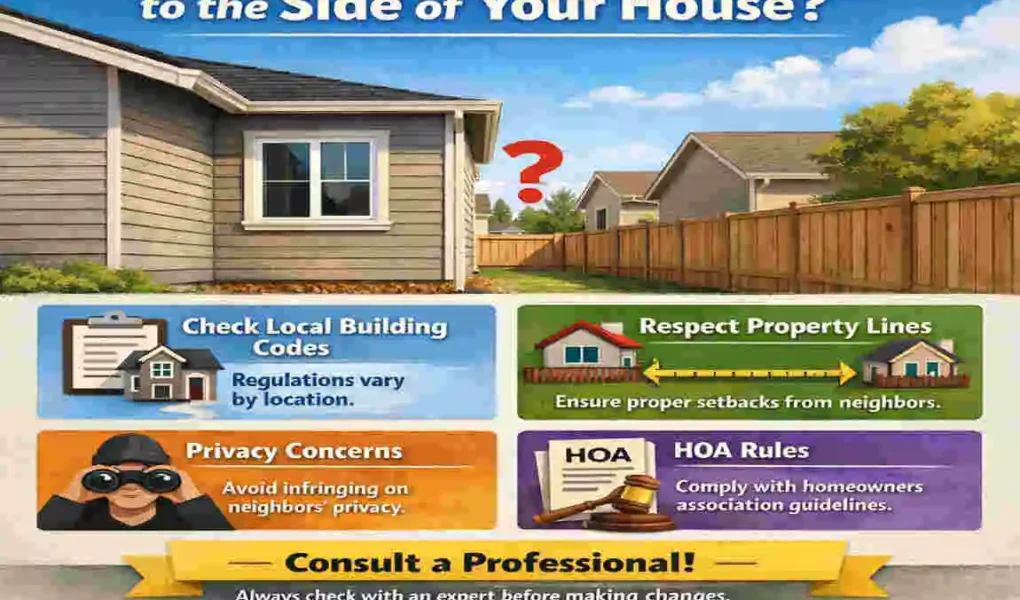
Putting windows on the side of a house can significantly enhance natural light, ventilation, and the overall aesthetic appeal of your home. In 2025, this design choice is popular for creating expanded living spaces, increasing energy efficiency, and incorporating modern styles like sleek frames and smart technology. Expert tips emphasize careful placement for optimal light and air flow, as well as selecting window types that complement the home’s architectural style. Benefits include improved indoor comfort, higher property value, and a stronger connection to the outdoors through unobstructed views. Modern trends also favor designs such as bay windows and architectural picture windows for a blend of elegance and functionality.
Understanding Window Placement on the Side of a House

Types and Common Uses of Side Wall Windows
When it comes to side wall windows, there are various types to choose from, each with its own unique purpose. Some standard options include:
- Casement windows: These hinged windows open outward, providing excellent ventilation and a clear view of your surroundings.
- Awning windows: Similar to casement windows, awning windows are hinged at the top and open outward, allowing for air circulation even during light rain.
- Sliding windows: These windows slide horizontally along a track, making them easy to operate and ideal for spaces with limited wall space.
- Fixed windows: As the name suggests, fixed windows don’t open but can be used to bring in natural light and showcase stunning views.
Building Codes and Regulations
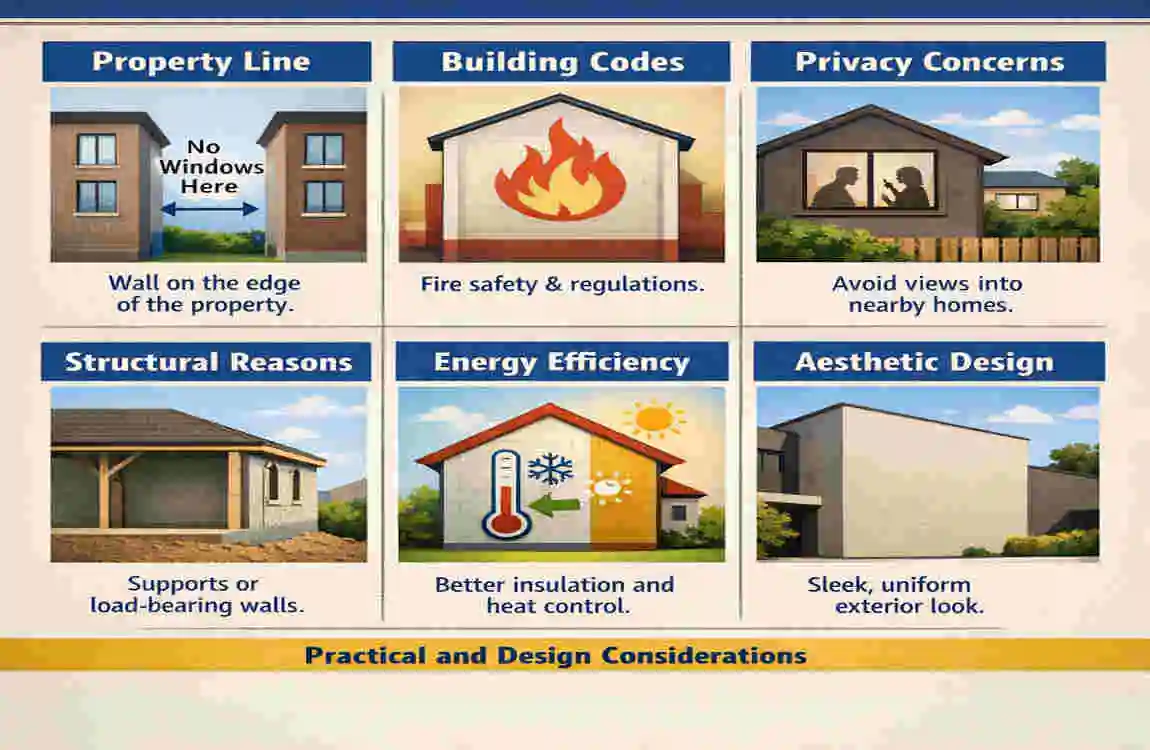
Before you start planning your side wall window installation, it’s essential to familiarize yourself with the building codes and regulations in your area. These codes ensure that your windows meet safety standards and comply with local laws. Some key factors to consider include:
- Egress requirements: Depending on the room’s function, you may need to Install windows that serve as a means of escape in case of an emergency.
- Setback distances: There may be specific setback distances from property lines or neighboring structures that you need to adhere to when installing side wall windows.
- Energy efficiency standards: Many regions have energy-efficiency standards for windows, which can affect the type of windows you choose and their installation.
Structural Considerations
When planning to put windows on the side of your house, it’s crucial to consider the structural implications. Here are a few things to keep in mind:
- Load-bearing walls: If you’re planning to Install windows in a load-bearing wall, you’ll need to consult with a structural engineer to ensure the integrity of your home’s structure.
- Framing: Proper framing is essential for supporting the window’s weight and ensuring a secure installation. You may need to reinforce the wall or add additional framing members.
Can You Put Windows on the Side of a House? Expert Insights
The Clear Answer
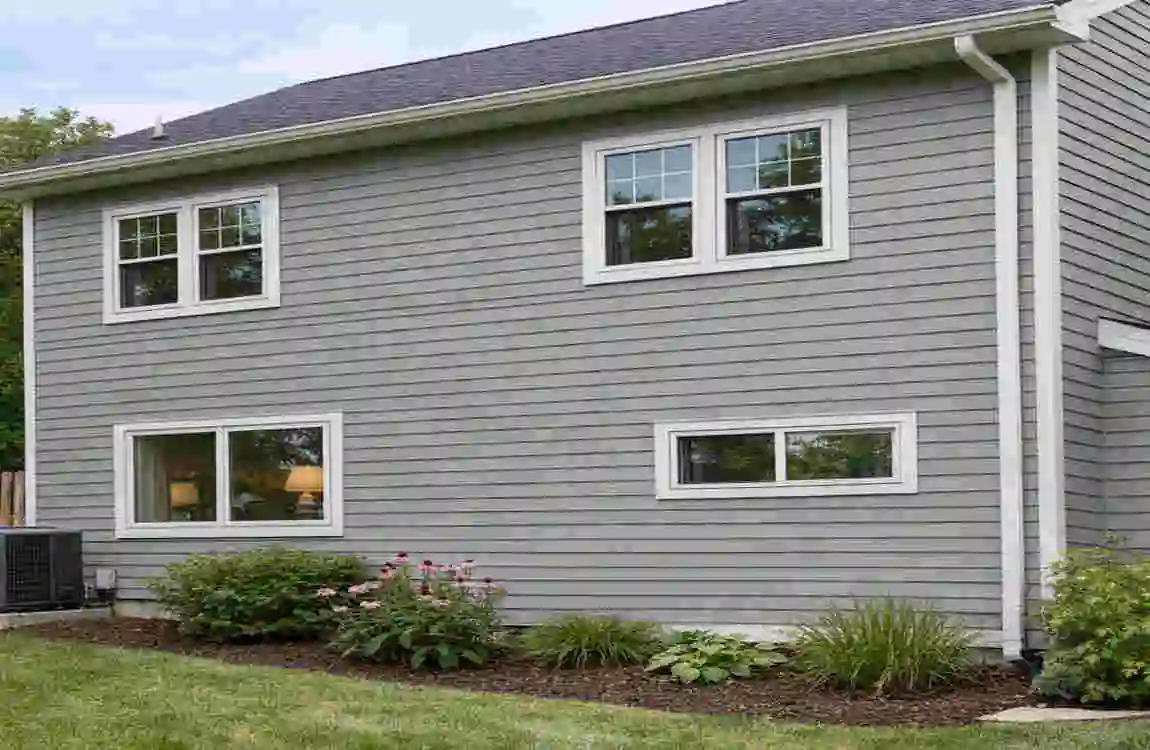
Can you put windows on the side of a house? Absolutely! With the proper planning, materials, and installation techniques, you can successfully add house windows to your home’s side walls. However, there are a few factors to consider before you start the project.
Factors Influencing Feasibility
Several factors can influence the feasibility of installing side wall windows:
- House design: The overall design of your home, including the style and architecture, can impact the placement and type of windows you can Install.
- Room function: The purpose of the room where you want to add windows will determine the size, type, and placement of the windows. For example, a bedroom may require larger windows for natural light and ventilation.
- Privacy concerns: If your side wall faces a neighbor’s property or a public area, you’ll need to consider privacy when selecting window types and placement.
Expert Tips for Selecting the Right Windows
When choosing windows for your side walls, keep these expert tips in mind:
- Consider the room’s purpose: Select windows that align with the room’s function, whether it’s for natural light, ventilation, or a combination of both.
- Prioritize energy efficiency: Look for windows with high energy-efficiency ratings to reduce your home’s energy consumption and lower your utility bills.
- Think about aesthetics: Choose windows that complement your home’s overall style and enhance its curb appeal.
Safety and Egress Window Requirements
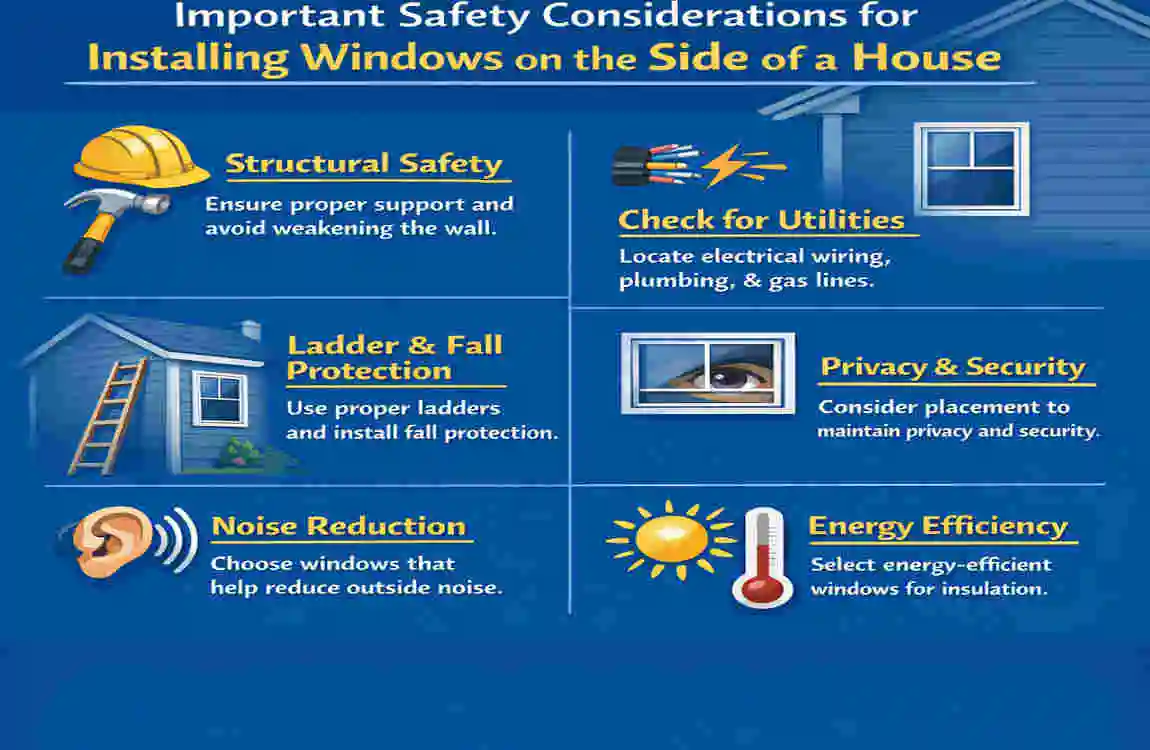
Safety should always be a top priority when installing windows, especially on side walls. If you’re adding windows to a bedroom or other sleeping area, you’ll need to ensure they meet egress requirements. Egress windows must:
- Have a minimum opening size: The window must have a clear opening of at least 5.7 square feet, with a minimum height of 24 inches and a minimum width of 20 inches.
- Be easily accessible: The window should be no more than 44 inches above the floor to allow for easy escape in case of an emergency.
Step-by-Step Guide on How to Put Windows on the Side of a House

Now that you understand the basics of side wall windows, let’s walk through the step-by-step process of installing them.
Planning and Measurement
Before you start cutting into your walls, take the time to plan and measure carefully. Here’s what you need to do:
- Determine the window size and placement: Decide on the size and location of your new windows based on the room’s function, aesthetics, and any building code requirements.
- Measure the wall: Use a tape measure to determine the exact dimensions of the wall where you’ll be installing the window.
- Create a rough opening: Calculate the size of the rough opening you’ll need to create in the wall, taking into account the window’s dimensions and any additional framing or insulation.
Tools and Materials
To Install side wall windows, you’ll need the following tools and materials:
- Tape measure
- Level
- Hammer
- Circular saw
- Reciprocating saw
- Caulk gun
- Utility knife
- Screwdriver
- Window
- Flashing
- Shims
- Nails or screws
- Caulk
- Insulation
- Trim
Preparing the Wall
Once you have your tools and materials ready, it’s time to prepare the wall for the new window:
- Mark the rough opening: Use a pencil to mark the rough opening dimensions on the wall, ensuring it’s level and plumb.
- Cut the opening: Use a circular saw or reciprocating saw to carefully cut along the marked lines, creating the rough opening for the window.
- Frame the opening: Install the necessary framing members around the rough opening to support the window’s weight and ensure a secure installation.
Installing the Window
With the wall prepared, you can now Install the window:
- Apply flashing: Install flashing around the rough opening to prevent water from seeping into the wall cavity.
- Insert the window: Carefully place the window into the rough opening, ensuring it’s level and plumb.
- Secure the window: Use shims to adjust the window’s position, then secure it in place with nails or screws according to the manufacturer’s instructions.
- Check for proper operation: Test the window to ensure it opens and closes smoothly and seals properly when closed.
Sealing and Insulation
To prevent leaks and drafts, it’s crucial to properly seal and insulate your new side wall window:
- Apply caulk: Use a caulk gun to apply a bead of caulk around the window frame, filling any gaps between the window and the wall.
- Install insulation: Fill the gaps between the window frame and the rough opening with insulation to prevent heat loss and improve energy efficiency.
Final Finishing Touches
With the window installed and sealed, it’s time to add the final touches:
- Install trim: Measure and cut trim pieces to fit around the window, then secure them in place with nails or adhesive.
- Paint or stain: If desired, paint or stain the trim to match your home’s interior or exterior color scheme.
Benefits of Installing Windows on the Side of a House
Now that you know how to put windows on the side of your house, let’s explore the many benefits of doing so.
Enhanced Natural Light and Improved Ventilation
One of the most significant advantages of side wall windows is the increased natural light they bring into your home. Natural light can:
- Boost your mood: Exposure to natural light has been shown to improve mood and overall well-being.
- Reduce energy costs: By relying less on artificial lighting, you can lower your energy consumption and save money on your utility bills.
- Enhance the appearance of your home: Natural light can make your living spaces feel more open, inviting, and spacious.
In addition to natural light, side-wall windows can improve ventilation in your home. By opening windows on opposite sides of a room, you can create a cross-breeze that helps circulate fresh air and remove stale air.
Increased Curb Appeal and Architectural Interest
Installing windows on the side of your house can also enhance its curb appeal and architectural interest. Well-placed windows can:
- Add visual interest: Side wall windows can break the monotony of a plain wall and to improve your home’s exterior.
- Highlight architectural features: If your home has unique architectural elements, such as a gable or a bay, side wall windows can help showcase these features.
- Create a sense of balance: By adding windows to both sides of your home, you can create a sense of balance and symmetry in your home’s design.
Energy Efficiency Implications
Adding windows to your home may seem counterintuitive for energy efficiency, but the right windows can improve your home’s energy performance. Here’s how:
- Energy-efficient glass: Modern windows often feature energy-efficient glass that helps keep your home warmer in the winter and cooler in the summer.
- Proper sealing and insulation: By ensuring your side wall windows are adequately sealed and insulated, you can prevent drafts and air leaks that can lead to energy loss.
- Strategic placement: By placing windows where they can take advantage of natural light and ventilation, you can reduce your reliance on artificial lighting and mechanical cooling.
Better Room Functionality and Mood Enhancement
Side wall windows can also improve the functionality and mood of your living spaces. By adding windows to a room, you can:
- Create a connection to the outdoors: Windows can help blur the line between indoor and outdoor spaces, making your home feel more connected to nature.
- Improve air quality: By increasing ventilation, side wall windows can help improve the air quality in your home, reducing the buildup of allergens and pollutants.
- Enhance the room’s purpose: Depending on the room‘s function, side wall windows can create a more inviting, functional space. For example, in a home office, a side-wall window can provide a pleasant view and natural light to boost productivity.
Contribution to Home Resale Value
Finally, installing side-wall windows can increase your home’s resale value. Potential buyers often look for homes with plenty of natural house light, good ventilation, and attractive architectural features. By adding side wall windows, you can:
- Increase your home’s appeal: Side wall windows can make your home more attractive to potential buyers, helping it stand out in a competitive market.
- Command a higher price: Homes with desirable features like side wall windows may be able to command a higher price on the real estate market.
- Future-proof your investment: By incorporating modern house design trends and energy-efficient features, you can future-proof your home and make it more appealing to future buyers.
Design Trends in 2025 Related to Side Wall Windows

As we look ahead to 2025, several house design trends are emerging in the world of side wall windows. Here are some of the most popular styles and technologies to consider:
Popular Window Styles for Side Walls
In 2025, the following window styles are expected to be popular for side walls:
- Casement windows: These versatile windows continue to be a top choice for side walls, thanks to their ability to provide excellent ventilation and a clear view.
- Awning windows: Another popular option for side walls, they can be opened even during light rain to provide fresh air.
- Sliding windows: Sliding windows are an excellent choice for side walls with limited space, as they slide horizontally along a track and don’t require additional room to open.
- Fixed windows: A stylish option for side walls, they bring in natural light and showcase stunning house views without the need for additional space to open.
Modern Materials and Energy-Efficient Window Technologies
In 2025, window manufacturers are focusing on modern materials and energy-efficient technologies to create high-performance side-wall windows. Some of the latest advancements include:
- Advanced glazing: New glazing technologies, such as low-e coatings and gas fills, can help improve the energy efficiency of side wall windows by reducing heat transfer.
- Composite frames: Composite window frames, made from a combination of materials like wood, vinyl, and fiberglass, offer improved durability, insulation, and low maintenance.
- Smart glass: Smart glass technology allows windows to automatically adjust their tint based on the amount of sunlight, helping to control heat gain and glare.
Integration with Smart Home Systems
As smart home technology continues to evolve, side wall windows are becoming increasingly integrated with these systems. In 2025, you can expect to see:
- Automated blinds and shades: Smart blinds and shades can be programmed to open and close based on the time of day, sunlight levels, or your personal preferences.
- Remote window operation: With smart home systems, you can control your side wall windows remotely using your smartphone or voice commands, making it easy to ventilate your home even when you’re away.
- Integration with climate control: Smart side wall windows can work in conjunction with your home’s climate control system to optimize ventilation and temperature control.
Trends in Window Size, Shape, and Placement
In 2025, window size, shape, and placement are all trending towards more creative and functional designs. Some of the latest trends include:
- Larger windows: Homeowners are opting for larger side wall windows to maximize natural light and create a stronger connection to the outdoors.
- Unique shapes: From circular to triangular, side wall windows in unique shapes are becoming more popular as homeowners look to add architectural interest to their homes.
- Strategic placement: Rather than placing windows in traditional locations, homeowners are getting creative with their placement to maximize views, natural light, and ventilation.
Maintenance Tips for Side Wall Windows

To keep your side wall windows looking and performing their best, follow these maintenance tips:
Cleaning and Upkeep
- Clean the glass regularly: Use a mild detergent and a soft cloth or squeegee to clean the glass on your side wall windows, removing dirt, dust, and grime.
- Inspect and clean the frames: Check the window frames for any signs of dirt or debris and clean them as needed to prevent damage and maintain their appearance.
- Lubricate moving parts: If your side wall windows have moving parts, such as hinges or sliding mechanisms, lubricate them regularly to ensure smooth operation.
Checking Seals and Weather Stripping
- Inspect the seals: Check the seals around your side wall windows for any signs of wear, damage, or gaps that could lead to air leaks or water intrusion.
- Replace weather stripping as needed: If you notice any damaged or worn weather stripping around your side wall windows, replace it to maintain energy efficiency and prevent drafts.
Repair and Replacement Signs to Watch For
- Difficulty opening or closing: If your side wall windows become difficult to open or close, it may be a sign that the hardware needs to be repaired or replaced.