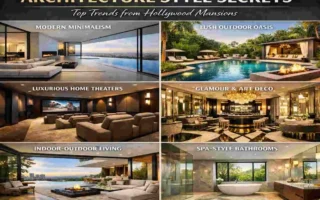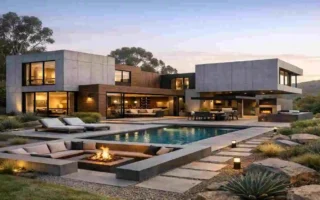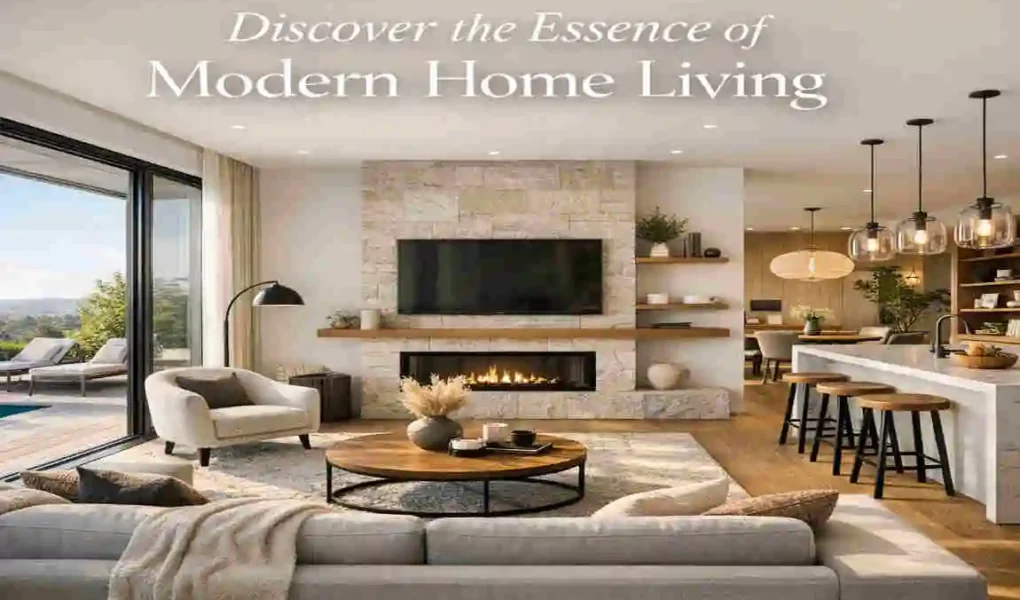
If you have ever looked at a house and felt that it looked clean, simple, open, and stylish, you were probably looking at a modern home. Today, more people are choosing this kind of home because it feels fresh, practical, and easy to live in. It is not just about looks. It is also about comfort, smart use of space, and everyday convenience.
So, what is a modern home? In simple words, it is a home designed with simplicity, function, and open space in mind. Modern homes often use natural light, neutral colours, smart technology, and clean architectural lines. They remove extra decoration and focus on what truly matters.
This style has become popular because people want homes that fit busy lifestyles. They want spaces that feel calm, easy to maintain, and pleasant to live in. A modern home does exactly that.
What Is a Modern Home?
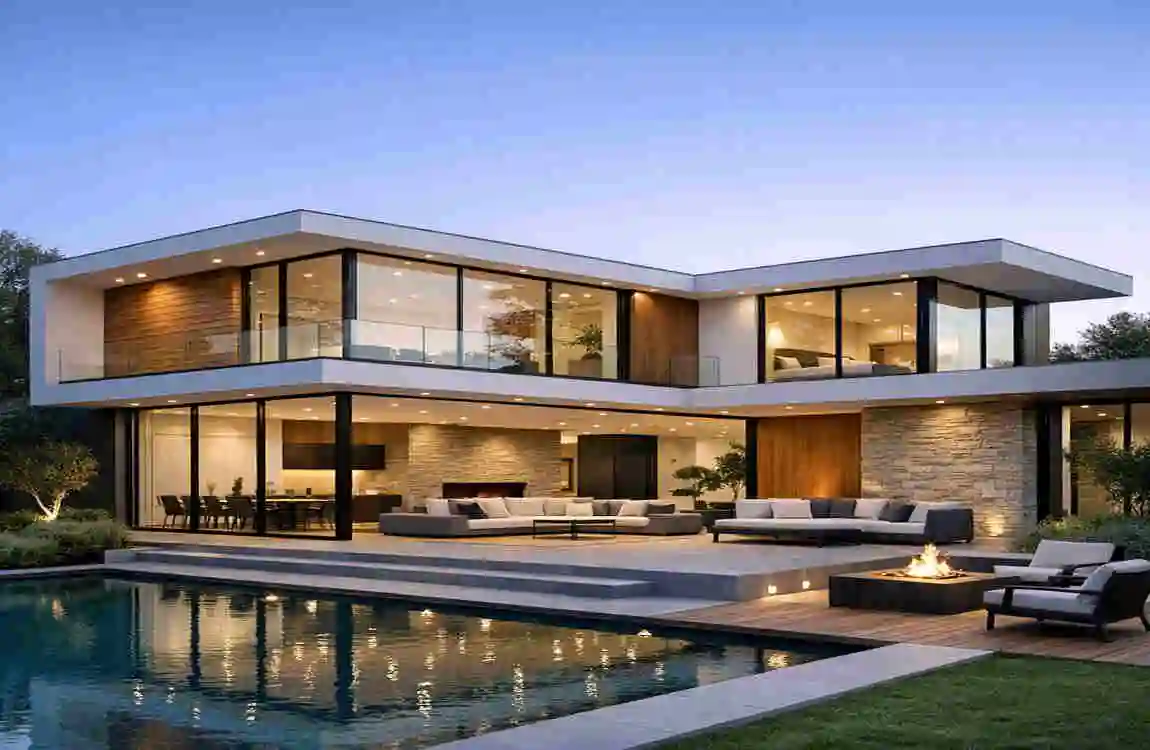
A modern home is a house built around the idea of simple beauty and useful design. It avoids too much decoration and instead highlights open rooms, clean lines, and practical layouts. The goal is to make the home feel spacious, bright, and comfortable.
Modern home architecture began in the early 20th century. Architects started moving away from heavy, decorative styles and focused more on function. Over time, this style grew into what we now call modern home design.
A common confusion is the difference between modern and contemporary homes. A modern home follows a specific design style that came from the modernist movement. A contemporary home, on the other hand, reflects current trends and changes over time. In simple terms, modern is a style, while contemporary is more of a current moment.
At the heart of a modern home is one idea: keep things simple and useful. That is why modern homes often feel peaceful and uncluttered.
Historical Evolution of Modern Homes
Modern homes developed in response to older, more decorative homes. In the early 1900s, designers wanted buildings that matched modern life. They used open spaces, new materials, and cleaner shapes.
Later, the minimalist movement made modern design even simpler. People started valuing fewer objects, more open space, and less clutter. Today, modern homes also support sustainable living, using eco-friendly materials and energy-saving features.
Key Features of a Modern Home
Modern homes stand out because of a few clear features. These are the things that shape the space’s look and feel.
Open Floor Plans
One of the biggest features of modern home design is the open floor plan. This means the kitchen, dining area, and living room often flow into one another, with few walls separating them.
This layout helps the home feel larger and more connected. It also makes family time easier because people can talk, cook, and relax in the same shared space.
Minimalist Design
Modern homes usually keep decoration simple. You will often see clean lines, neutral colours, and fewer objects. The idea is to create a calm space instead of a crowded one.
Minimalist design does not mean boring. It means every item has a purpose, and the home feels neat and balanced.
Large Windows and Natural Light
Modern homes often use large windows to bring in more sunlight. Natural light makes a room feel open, bright, and welcoming.
This also helps connect indoor and outdoor spaces. Many modern homes feel like they are part of the landscape, not separate from it.
Smart Home Technology
A modern home often includes smart technology. This may include smart lighting, thermostats, security systems, and voice control devices.
These tools make life more convenient and help save time and energy. They also add a sense of comfort and control.
Sustainable Materials
Many modern homes are built with eco-friendly materials and energy-saving systems. This can include better insulation, solar panels, or recycled building materials.
This approach supports the environment and can also reduce utility costs over time.
Modern Home Architecture Styles
There is not just one look for a modern home. Several styles fall under the umbrella of modern home architecture.
Mid-Century Modern
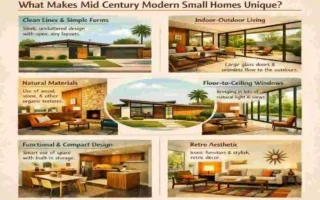
This style is known for flat rooflines, large glass windows, and a strong connection to nature. It became popular in the middle of the 20th century and still looks fresh today.
Minimalist Modern Homes
These homes focus on a very simple design. They use fewer details, straight lines, and open space. The goal is to keep everything clean and uncluttered.
Industrial Modern Homes
Industrial modern homes often include exposed brick, steel, concrete, and raw finishes. They feel strong, urban, and stylish.
Scandinavian Modern Style
This style mixes simplicity with warmth. It often uses light colours, wood, natural materials, and functional furniture. It feels cozy but still very clean and modern.
Interior Design Elements in Modern Homes
The inside of a modern home is just as important as the outside. The interior design supports the same simple and functional idea.
Neutral Colour Palettes
Modern homes often use white, grey, beige, and soft earth tones. These shades make spaces feel calm and spacious.
Functional Furniture
Furniture in a modern home usually serves more than one purpose. For example, a storage bench or a fold-out table can save space and make life easier.
Clean and Organised Spaces
Modern home interior design values order. Hidden storage, simple shelves, and fewer decorations help keep the space neat.
Natural Materials
Wood, stone, glass, and metal are common in modern homes. These materials add texture and warmth without making the space feel busy.
Benefits of Living in a Modern Home
There are many reasons why people prefer modern living spaces.
Better Space Utilisation
Modern homes use space wisely. Open layouts and smart furniture make even small homes feel bigger.
Energy Efficiency
With better insulation, smart lighting, and energy-saving systems, modern homes can lower energy use and cut costs.
Improved Comfort
Modern homes are designed for daily living. They often feel airy, bright, and easy to move around in.
Increased Property Value
Because so many buyers like modern home features, these homes often have strong resale appeal.
Low Maintenance
A simple design, durable materials, and less decoration can mean less cleaning and upkeep.
How to Create a Modern Home Style
You do not always need a brand-new house to enjoy modern style. You can bring modern design into your current home, too.
Declutter Your Space
Keep only what you truly need. A cleaner space instantly feels more modern.
Choose Neutral Colours
Use soft colours on walls, furniture, and decor to create a calm look.
Add Smart Technology
Smart lights, thermostats, and security tools can make your home more modern and practical.
Focus on Functional Furniture
Choose furniture that saves space and does multiple jobs.
Improve Natural Lighting
Open curtains, use larger windows where possible, and keep rooms bright.
Common Myths About Modern Homes
Modern Homes Are Cold and Empty
This is not true. Warm fabrics, wood, and soft lighting can make modern homes feel cozy.
Only Large Homes Can Be Modern
Small homes can also be modern. In fact, modern design works very well in compact spaces.
Modern Homes Are Expensive
Modern style does not always mean a high budget. Simple design choices can still create a modern feel.
Is a Modern Home Right for You?
A modern home may be a great choice if you value simplicity, comfort, and easy maintenance. It is also a strong option if you like open spaces and smart living.
Think about your family’s needs, budget, and long-term plans. If you want a home that feels clean, practical, and stylish, modern living could be a very good fit.
Future Trends in Modern Home Living
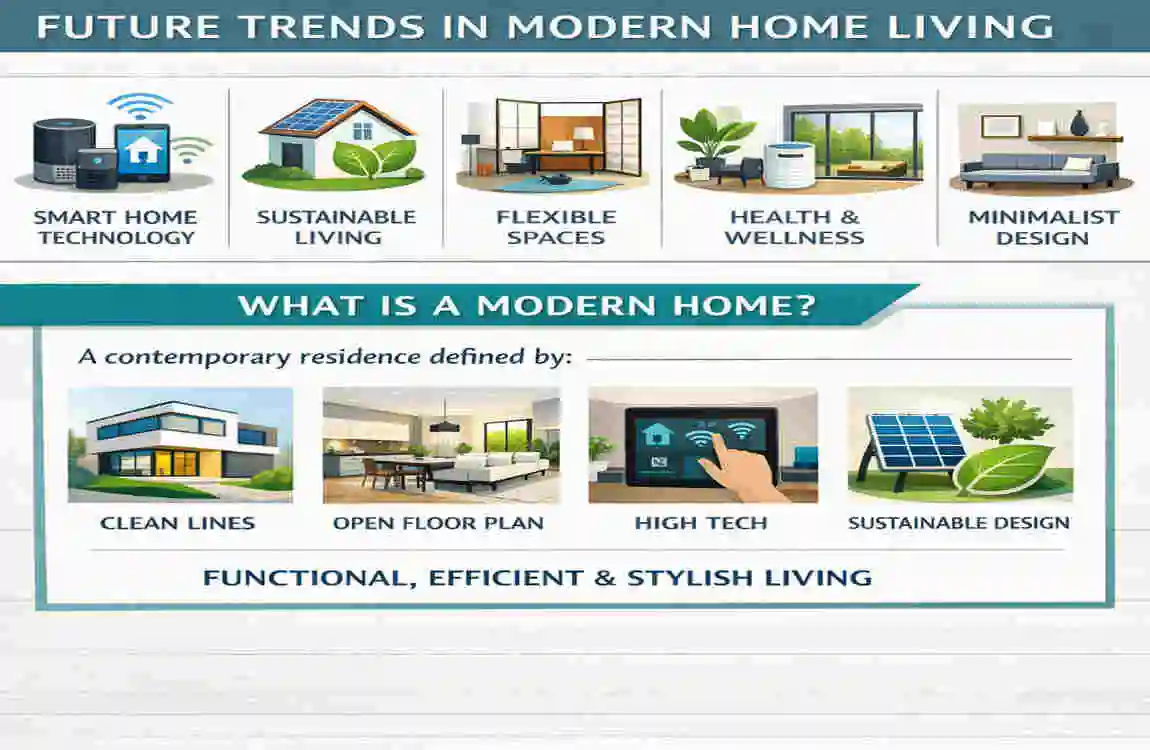
Modern homes will likely become even more connected and eco-friendly. We can expect more smart automation, sustainable materials, compact home designs, and work-from-home spaces.
This means modern homes will keep changing to match how people live today.
FAQ
What is a modern home style?
A modern home style focuses on clean lines, open layouts, natural light, and functional design.
What makes a house modern?
Simple architecture, smart technology, sustainable materials, and minimalist interiors make a house modern.
Are modern homes energy efficient?
Yes, many modern homes use insulation, smart systems, and eco-friendly materials to save energy.
Can small houses be modern?
Absolutely. Modern design works very well in small homes because it uses space wisely.
What is the difference between modern and contemporary homes?
Modern homes follow a specific design movement, while contemporary homes reflect current trends.
| Element | Description | Key Feature | Example |
|---|---|---|---|
| Style | Visual identity and atmosphere of the home | Clean lines, minimal clutter | Scandinavian interiors with warm wood |
| Function | How spaces support daily activities | Flexible, multipurpose rooms | Living/dining combo with foldaway desk |
| Comfort | Physical and emotional well-being at home | Natural light, acoustics, thermal comfort | Large windows, layered lighting |
| Sustainability | Eco-friendly design and resource efficiency | Energy-efficient systems, durable materials | Solar panels, reclaimed wood flooring |
| Tech | Smart systems that simplify living | Automation, remote control, integration | Smart thermostat, voice-controlled lighting |