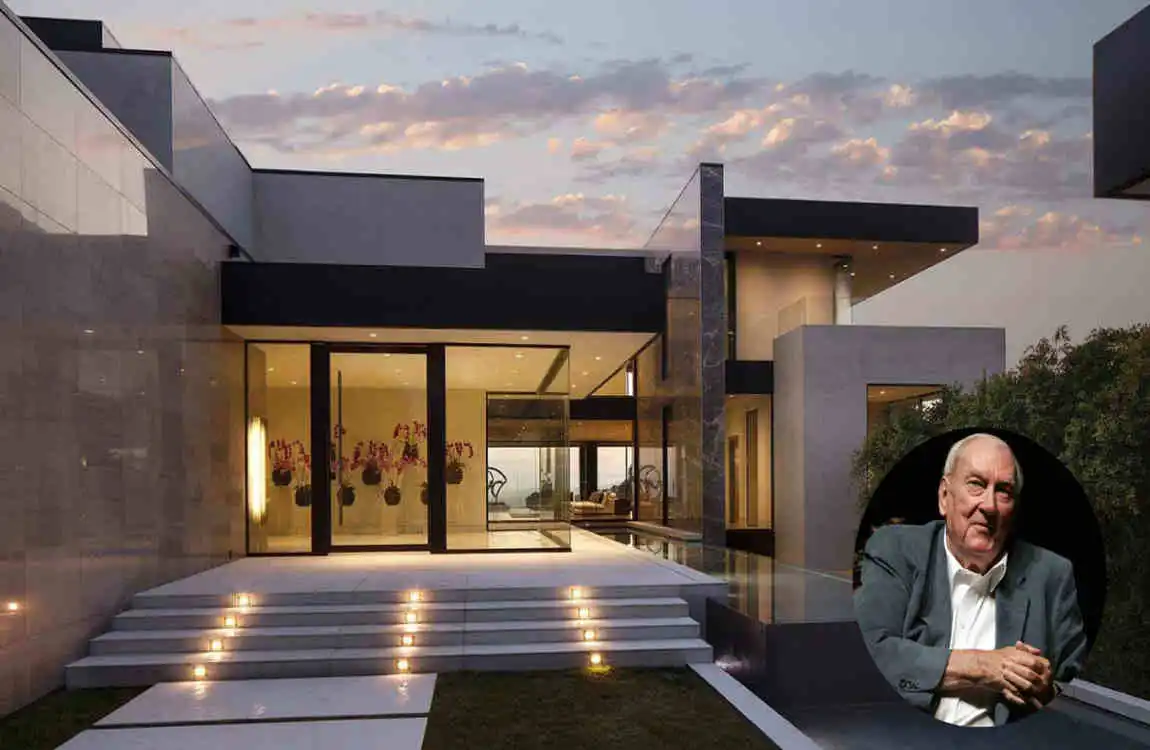
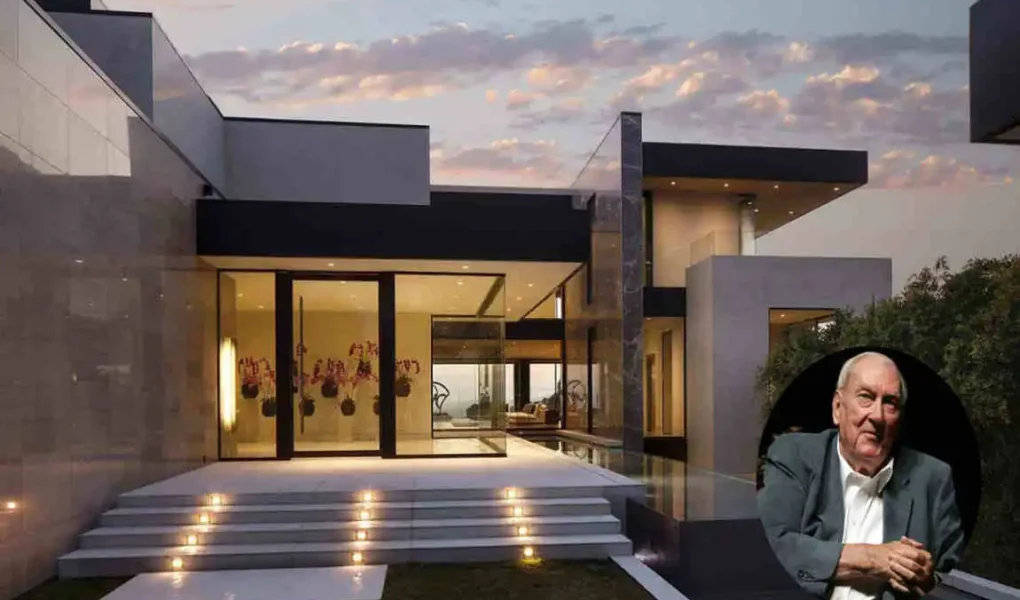
The Don Haskins House draws interest because it belonged to one of college basketball’s most important figures. Don Haskins was more than a championship coach; he helped change the sport’s history and became deeply tied to El Paso, Texas. While detailed public records about the exact design and interior of his private home are limited, his life, career, and legacy make the subject meaningful for fans of sports history and real estate alike.
| Detail | Information |
|---|---|
| Full Name | Donald Lee Haskins |
| Known As | Don Haskins, “The Bear” |
| Birth Date | March 14, 1930 |
| Birthplace | Enid, Oklahoma, USA |
| Last Known Residence | El Paso, Texas, USA |
| Home Status | His former residence; he is deceased |
| Date of Death | September 7, 2008 |
| Age at Death | 78 years |
| Cause of Death | Congestive heart failure |
| Career | College basketball coach |
| Famous Team | UTEP Miners (formerly Texas Western) |
| Major Achievement | Won the 1966 NCAA national championship |
| Burial Location | Memory Gardens of the Valley Cemetery, Santa Teresa, New Mexico |
| Exact Home Address | Not reliably established in the cited public sources |
Don Haskins House: What Is Publicly Known?
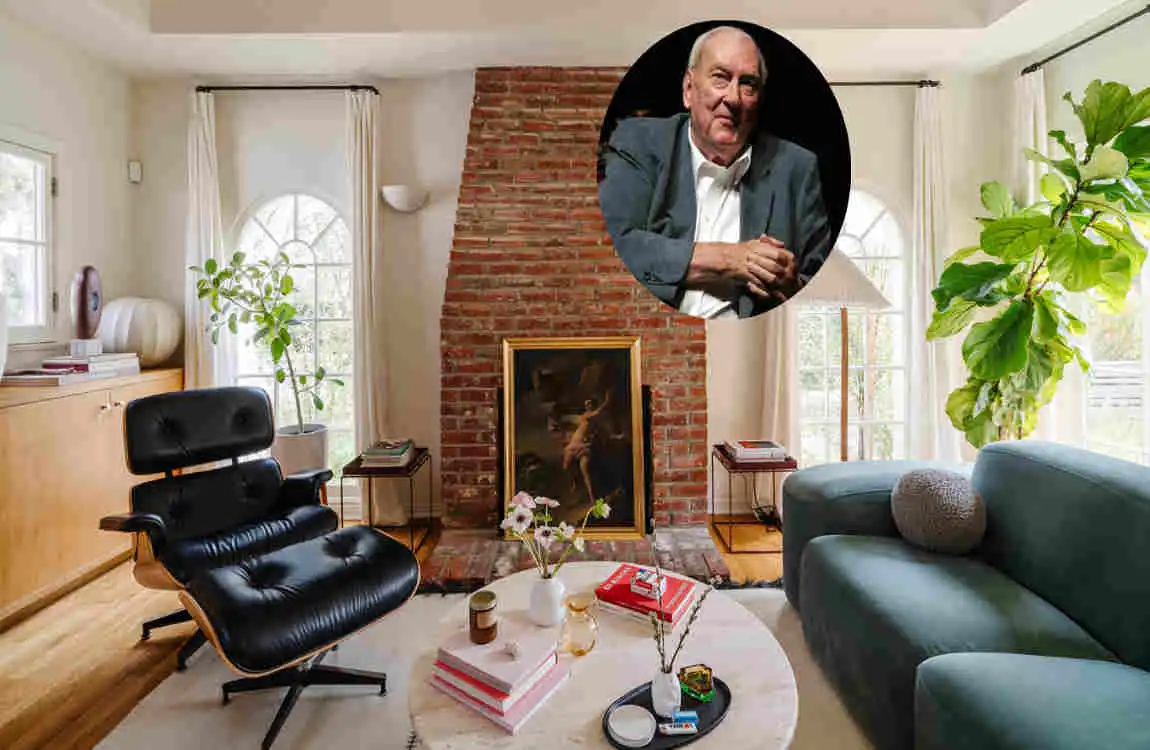
Reliable public reporting confirms that Don Haskins lived in El Paso and died at his modern home there on September 7, 2008. However, major historical sources do not widely document the house’s exact address, floor plan, architectural style, or current value.
That matters. When writing about a private residence, separate confirmed facts from assumptions. Don’t describe a famous person’s home in invented detail simply because the person was well known.
Why the Home Draws Interest
People search for the Don Haskins house because homes can feel personal and human. A coach’s house may reflect a public figure’s quieter side—family life, daily routines, and the place where achievements were celebrated away from the court.
For Haskins, the interest also comes from his historic role in basketball. Fans want to understand the man behind the famous 1966 championship, not only the coach on the sideline.
A Note on Accuracy
Because the home was private, claims about its brickwork, room layout, furnishings, or renovation history should be treated carefully unless supported by public records, interviews, or verified historical reporting. This article uses El Paso housing context and Haskins’ known life story to provide useful background without presenting speculation as fact.
El Paso Homes During Haskins’ Era
Although the exact architectural details of Haskins’ residence are not widely published, mid-20th-century homes suited the region’s desert climate and practical lifestyle. Many families valued shaded outdoor areas, durable materials, and simple, comfortable layouts.
El Paso’s hot, dry weather influenced home design. Residents often favoured features that reduced heat, such as covered patios, shade trees, thick walls, and thoughtful window placement. These design choices helped luxury homes stay cooler and more comfortable.
Common Exterior Features
Homes from that period in the Southwest often included:
- Brick or stucco exteriors, chosen for durability and heat resistance
- Low-pitched or practical rooflines, suited to the dry climate
- Covered porches or patios, providing shade during hot afternoons
- Simple landscaping, often using drought-friendly plants
- Driveways and carports, reflecting the growing importance of family vehicles
These features do not confirm what the Don Haskins house looked like. Instead, they help readers understand the kind of residential environment common in El Paso during the years Haskins lived and worked there.
Interior Design and Family Life
Haskins was known publicly as a tough, disciplined coach, but those who knew him described a deeper personal side. He valued family, loyalty, and community. In his early years at Texas Western, he even lived in Miners Hall with his wife and children, where the family served as dorm parents.
That detail shows how closely his professional and personal lives were connected. Basketball was not just a job for Haskins; it shaped his household, friendships, and daily life.
What a Coach’s Home Might Reflect
A home connected to a coach often reflects values such as structure, comfort, and togetherness. In many traditional American homes of Haskins’ generation, the living room served as a gathering place. At the same time, the kitchen became the house’s practical heart.
Common interior features in homes of that era included:
- Functional living rooms for family conversations and guests
- Modest, practical furniture rather than flashy decoration
- Kitchens designed for everyday family meals
- Photographs, awards, and personal memorabilia
- Bedrooms and shared spaces that prioritised comfort
For a coach like Haskins, personal items may have included team photographs, championship reminders, and gifts from players or fans. Such objects can turn a house into a personal archive of a life spent in sports.
Privacy Matters
Respect the privacy of historical figures and their families. A residence can hold personal memories, and not every detail belongs in public discussion. Responsible writing focuses on verified history and broader cultural meaning rather than exposing private spaces.
The 1966 Championship and Its Meaning
The 1966 NCAA championship remains the central reason Don Haskins is remembered. His Texas Western team entered the tournament with a 23–1 record and defeated Kentucky in the final.
The victory was historic because Haskins started five Black players against an all-white Kentucky team. At a time when racial segregation and discrimination still shaped many parts of American life, the game sent a powerful message about talent, fairness, and opportunity.
More Than a Basketball Game
The championship changed how many people viewed college basketball. It helped accelerate opportunities for Black athletes and challenged old assumptions about who could lead and succeed at the highest level.
Haskins’ decision was not presented as a political statement at the time; he later explained that he played the players who gave his team the best chance to win. Even so, the result became a landmark moment in sports and civil-rights history.
Property Information and Legacy
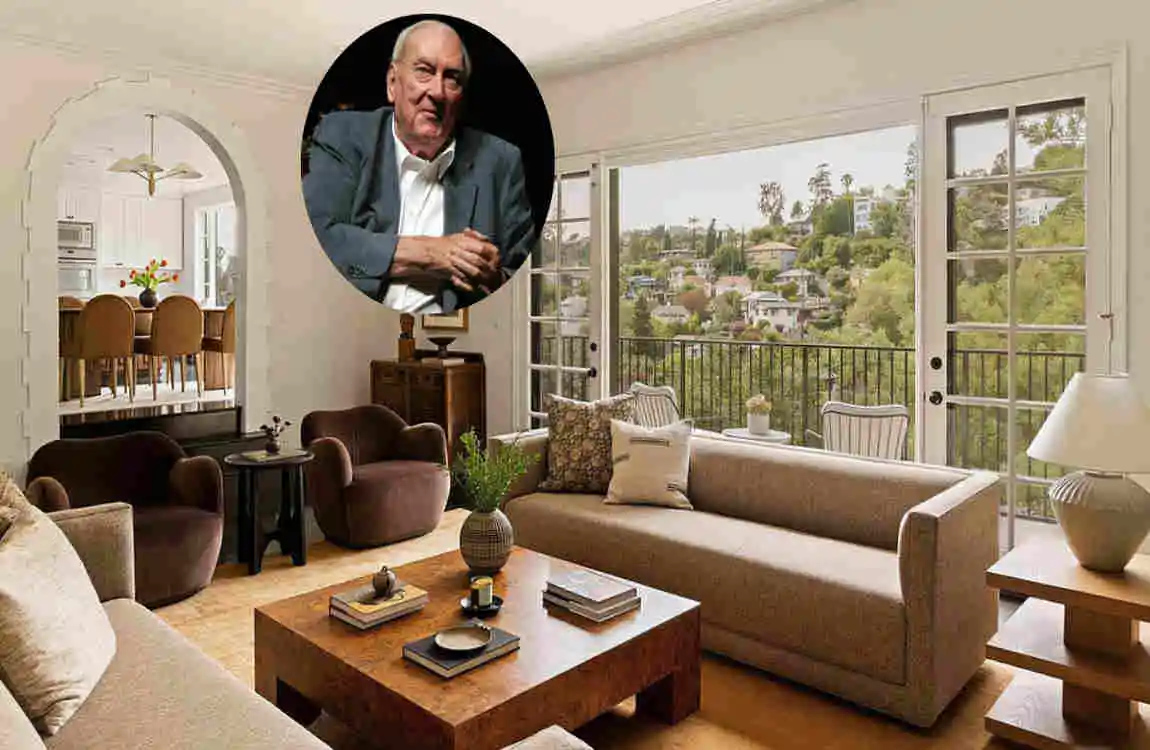
Because the Don Haskins House was a private residence, its property value and ownership history should not be confused with those of public landmarks. Current market value, past sale prices, and historical importance are separate subjects.
A home may have ordinary market value but extraordinary cultural meaning. In Haskins’ case, the building itself is less important than the values and history tied to his life in El Paso.
How El Paso Remembers Him
El Paso continues to honour Haskins through UTEP basketball, public recognition, and the Don Haskins Centre, a major arena named in his honour. The venue hosts UTEP basketball games, concerts, and graduation ceremonies, keeping his name visible in daily community life.
His influence also continues through the athletes he coached and the example he set. Haskins showed that leadership can mean giving talented people a fair chance, regardless of background.
Residence location Haskins lived in El Paso and died at his home there. The exact street address or neighbourhood
Architectural style El Paso homes of his era often reflected desert-climate design. Specific materials or design details of his house
Interior features His family life and coaching career were closely connected. Exact furniture, décor, or room layout
Property value No widely verified public valuation is established here. Current or past sale price without records
Legacy Haskins won the 1966 NCAA title and recorded 719 wins at UTEP. The house itself is an officially designated historic property.
Frequently Asked Questions
Who was Don Haskins?
Don Haskins was a Hall of Fame basketball coach best known for leading Texas Western College, now UTEP, to the 1966 NCAA championship. He coached at the school for 38 seasons and finished with 719 wins.
Where did Don Haskins live?
Don Haskins lived in El Paso, Texas, and died at his home there in 2008. Exact private-address details are not the focus of responsible public discussion.
Is the Don Haskins house a historic property?
The sources reviewed show no widely available evidence that the Don HaskinsDon Haskins house is officially designated as a historic property. Its importance comes mainly from its connection to Haskins’ life and legacy.
What architectural style did his home feature?
The exact architectural style is not broadly documented. Homes in El Paso during his era often used practical desert-friendly designs. Still, that context should not be presented as a confirmed description of his specific home.
What is known about the value of Don Haskins’ house?
Reliable public information about the home’s value is limited. Property value should always be verified through official records, and it should not be confused with the cultural importance of Haskins’ legacy.
Why is Don Haskins famous in basketball history?
He is famous because his 1966 Texas Western team won the NCAA championship after Haskins started five Black players against Kentucky’s all-white team. The victory became a major milestone in integrating college basketball.
What is Don Haskins’ legacy in El Paso?
His legacy lives through UTEP basketball, the Don Haskins Centre, and El Paso’s strong respect for his leadership. He remains one of the city’s most admired sports figures.
| Property Detail | Information |
|---|---|
| Full Name | Donald Lee Haskins |
| Profession | College basketball coach |
| Main Residence | El Paso, Texas, USA |
| Last Known Home | Private residence in El Paso |
| Property Type | Residential home |
| Architectural Style | Not reliably documented |
| House Size | No verified public information found |
| Bedrooms and Bathrooms | Not publicly verified |
| Purchase Price | No verified purchase record found |
| Estimated Property Worth | No reliable property-specific estimate available |
| Exact Street Address | Not established in reliable public biographies |
| Property Features | Not reliably documented |
| Ownership History | No verified list of properties owned |
| Residence History | Lived in El Paso during his long coaching career at UTEP |
| Date of Death | September 7, 2008 |
| Burial Location | Memory Gardens of the Valley Cemetery, Santa Teresa, New Mexico |
Where Does Don Haskins Currently Live?
Don Haskins, the legendary American college basketball coach nicknamed “The Bear,” passed away on September 7, 2008, at the age of 78. He lived in El Paso, Texas, USA, where he coached the UTEP Miners for 38 seasons.
Don Haskins House Photos