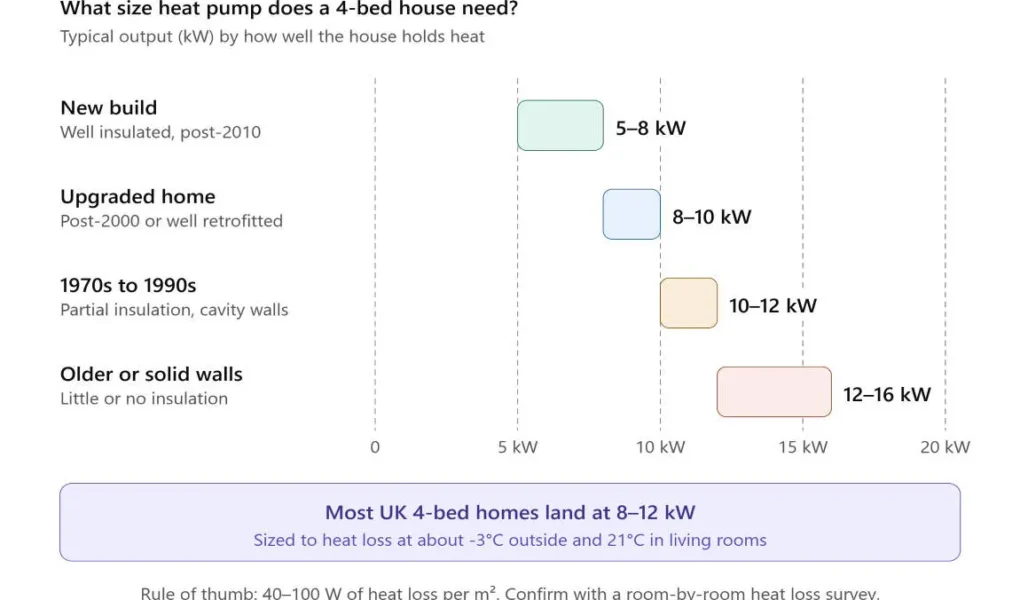
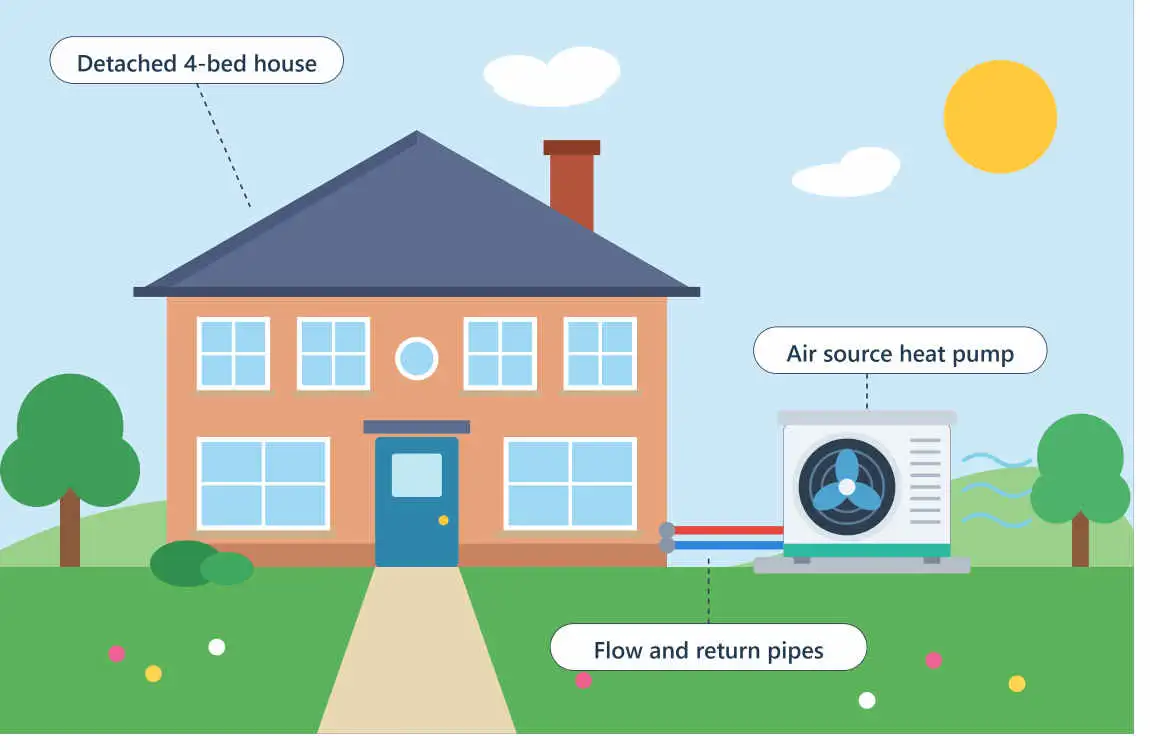
If you’re asking what size air source heat pump for a 4 bed house, the short answer is: most four-bedroom homes land somewhere around 8 to 10kW, but your real number could be lower or higher. Bedrooms are a rough guide at best. What actually decides the size is how much heat your house loses on the coldest days of the year.
Get it wrong and you pay for it. Too small and the house struggles to stay warm. Too big and the unit switches on and off constantly, which wears it out faster and pushes bills up. Here’s how to work out the right size, what it costs, and how to avoid being sold the wrong one.
Why Bedrooms Don’t Decide the Size
Two four-bed houses can need very different heat pumps. OVO Energy notes that although larger properties tend to need a bigger unit, it isn’t that simple, because an installer also looks at the layout of your home and room sizes.
These are the factors that move the number most:
- Insulation and age. A well-insulated, newer four-bed can sit comfortably in the 8 to 10kW range. A draughty older one with solid walls can need noticeably more.
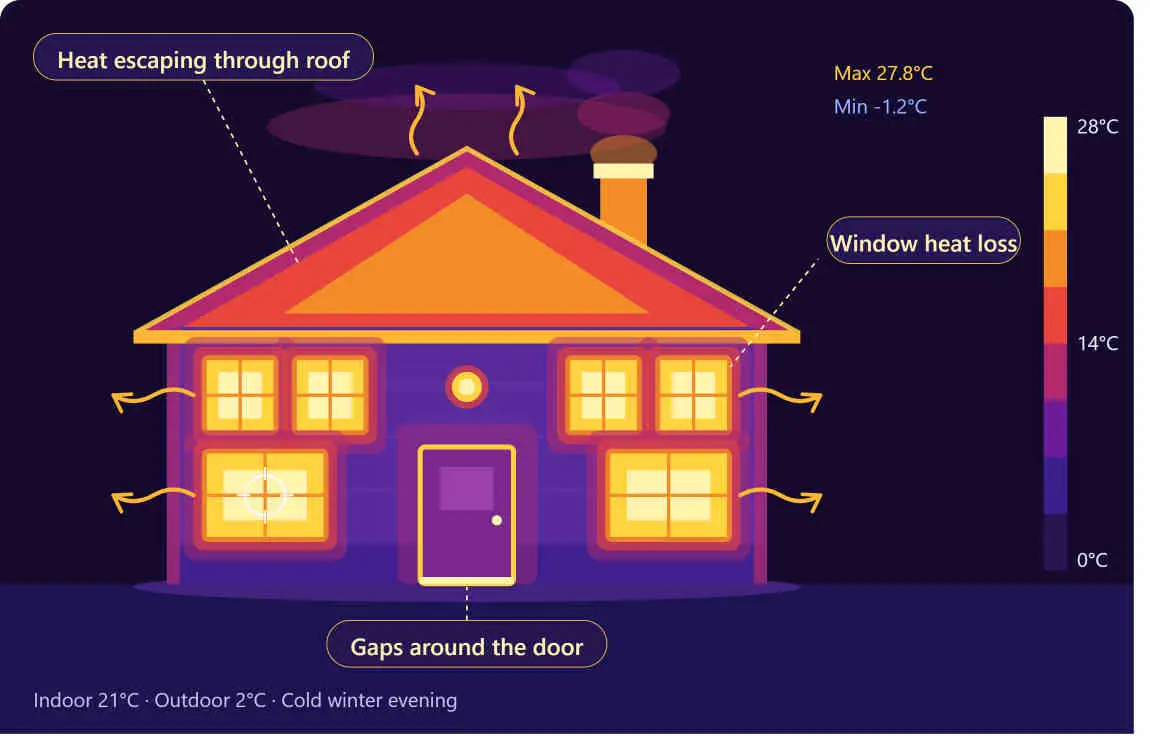
- Windows and airtightness. Double or triple glazing and fewer draughts cut the heat you lose.
- Where you live. Baxi points out that your local climate matters, so a house in the north of Scotland is sized differently from one on the south coast.
- Hot water demand. A family of five with several showers a day needs more capacity than a couple in a big luxury house.
- Layout. Open-plan spaces, high ceilings and big extensions all raise heat loss.
- Radiators and flow temperature. Your emitters affect how hard the heat pump has to work, which is why installers often check whether radiators need upsizing.
The Right Way to Size It: A Heat Loss Calculation
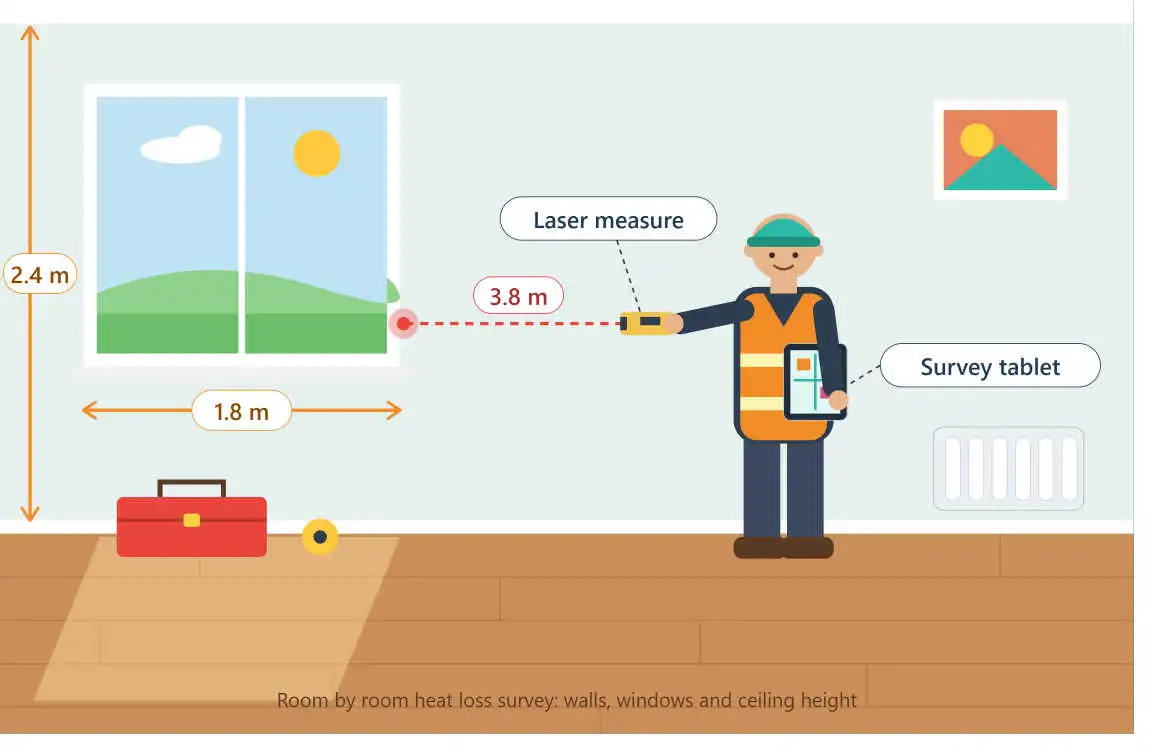
Forget square-metre rules of thumb. A proper home design starts with a room-by-room heat loss calculation. Government-published project material confirms that MCS requires installers to undertake heat loss calculations according to BS EN 12831.
In plain English, the installer measures your rooms, walls, windows, floors and roof, works out how many watts each room loses at the coldest design temperature for your area, then adds it up. That total is what the heat pump has to cover. Grant UK also says a heat loss calculation must be carried out to determine the size you need, and that the installer will do it.
Red flags in a quote
- The installer quotes a size after a quick phone call or a look at your floor area only.
- No mention of a heat loss calculation or design temperature.
- They want to simply copy the size of your old boiler. Boilers are often oversized, and a heat pump works differently.
- They aren’t MCS certified (more on that below).
How Much Does a Heat Pump for a 4-Bed House Cost?
The Screwfix heat pump guide, citing the Energy Saving Trust, puts an air source heat pump including installation at roughly £7,000 to £13,000. A four-bed home usually lands toward the upper half of that range because it needs a larger unit, a bigger hot water cylinder and sometimes new radiators or pipework. Your own quote could differ, so get at least three.
Grants: The Boiler Upgrade Scheme in 2026
Good news on cost. The Boiler Upgrade Scheme is a grant for people in England and Wales, and the Energy Saving Trust lists £7,500 for an air source heat pump. Installations must be carried out by an MCS-certified installer.
There is a temporary boost for off-gas-grid homes. Ofgem lists £9,000 for air-to-water or ground source heat pumps in eligible off-gas-grid properties from 21 July 2026 until 31 March 2027. GOV.UK describes this as an extra £1,500 if your property is heated by oil or LPG and has no mains gas connection. Your installer applies on your behalf, so the grant comes off your quote.
Rules and amounts can change, so check GOV.UK before you commit.
Step-by-Step: How to Get the Right Size
- Improve the easy wins first. Loft insulation and draught-proofing reduce heat loss, and a lower heat loss can mean a smaller, cheaper unit.
- Find MCS-certified installers. Use the MCS installer finder.
- Insist on a room-by-room heat loss survey before they name a kW figure.
- Compare at least three quotes on the same basis: unit size, cylinder, radiator changes and grant.
- Ask for the numbers. Request the calculated heat applianc loss in kW and the unit’s output at your design temperature, not just its headline rating.
FAQs
Is 8kW enough for a 4-bed house?
For a well-insulated four-bed, 8kW can be spot on. For an older, less insulated one it may fall short. Only a heat loss calculation can say for sure.
Can I just use my old boiler’s size?
It isn’t a safe shortcut. Boilers are commonly oversized for a house, and a heat pump needs to be matched to actual heat loss. Ask your installer to show their calculation.
What happens if the heat pump is too big?
Baxi warns that oversized units short cycle, which adds wear to key components and can mean higher energy bills.
Do I need a hot water cylinder?
Generally yes. OVO says that with an air source heat pump you’ll need an unvented indirect hot water cylinder, heated through a coil by the heat pump.
Final thoughts
Choosing the right air source heat pump size for a 4-bedroom house is essential for maintaining comfortable indoor temperatures and keeping energy bills under control. While the required capacity depends on the property’s size, insulation, ceiling height, and heating demand, a professional heat loss calculation is the best way to determine the correct system. Avoid choosing a unit based on bedroom numbers alone, as an incorrectly sized heat pump may affect efficiency and performance. With the right assessment and installation, a suitably sized air source heat pump can provide reliable, energy-efficient heating for your home.