The demand for 2-bedroom homes has grown significantly in recent years. These homes offer the perfect balance between affordability, comfort, and practicality. Whether you are a first-time buyer, a small family, a retiree, or an investor, a two-bedroom property can provide the space you need without the high costs associated with larger homes.
When searching for the ideal 2-bedroom home, buyers often focus on more than just the house itself. The property’s location, neighbourhoodneighbourhood, nearby amenities, and future value all play a major role in making the right decision. A great home in the wrong location may not provide the lifestyle or investment potential you expect.
Why 2 Bedroom Homes Are So Popular
Affordable Housing Option
One of the biggest reasons people choose 2-bedroom homes is affordability. Compared with larger houses, these properties typically have a lower purchase price. This makes them attractive to buyers who want homeownership without stretching their budget.
Lower costs do not stop at the purchase price. Homeowners also enjoy reduced maintenance expenses, lower utility bills, and often lower property taxes. These savings can make a significant difference over time.
Ideal for Small Families
A 2-bedroom home provides enough space for many households. Small families can comfortably use one bedroom as the main bedroom and the second room for children.
Couples without children often use the extra room as a guest room, home office, hobby space, or fitness area. This flexibility allows homeowners to adapt the space to their changing needs.
Attractive Investment Opportunity
Investors often prefer 2-bedroom properties because they appeal to a wide range of renters. Young professionals, couples, small families, and retirees frequently seek homes with two bedrooms.
Strong rental demand can lead to higher occupancy rates and more stable rental income. Since these homes are affordable to purchase and maintain, they can offer attractive long-term returns.
Importance of Choosing the Right 2 Bedroom Homes Address
Neighborhood Quality
The neighbourhood can greatly influence your quality of life. A safe and welcoming community helps create a comfortable living environment.
When evaluating a neighbourhood, consider crime rates, cleanliness, community involvement, and the overall atmosphere. Spending time in the area at different times of the day can provide valuable insights.
Access to Essential Services
Convenience matters when choosing a home. Easy access to schools, hospitals, grocery stores, pharmacies, and other daily necessities can save time and improve your lifestyle.
Families with children may prioritise highly rated schools, while retirees may prioritise healthcare facilities. Consider the services that matter most to your household.
Transportation and Connectivity
A convenient location can reduce commuting stress. Check the availability of public transportation, major roads, and highway access.
If you work in another city or frequently travel, good transportation links can significantly improve your daily routine.
Future Property Appreciation
A property‘s location often influences its future value. Growing neighbourhoods with planned developments may experience higher appreciation rates over time.
Look for signs of growth such as new businesses, infrastructure projects, schools, parks, and community improvements. Buying in an area with strong development potential can increase your property’s future value.
Factors That Make a Location Attractive
FactorWhy It Matters
Safety creates a secure living environment
Schools increase family appeal
Transportation improves accessibility
Shopping Centres add convenience
Healthcare Facilities provide essential services
Future Development Supports property appreciation
Key Features to Look for in a 2 Bedroom Home
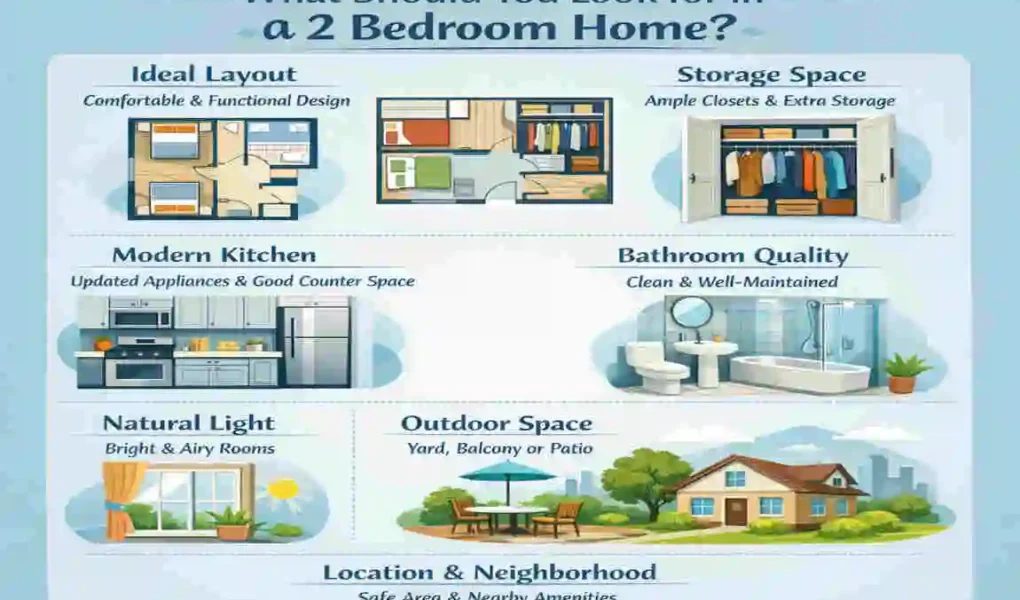
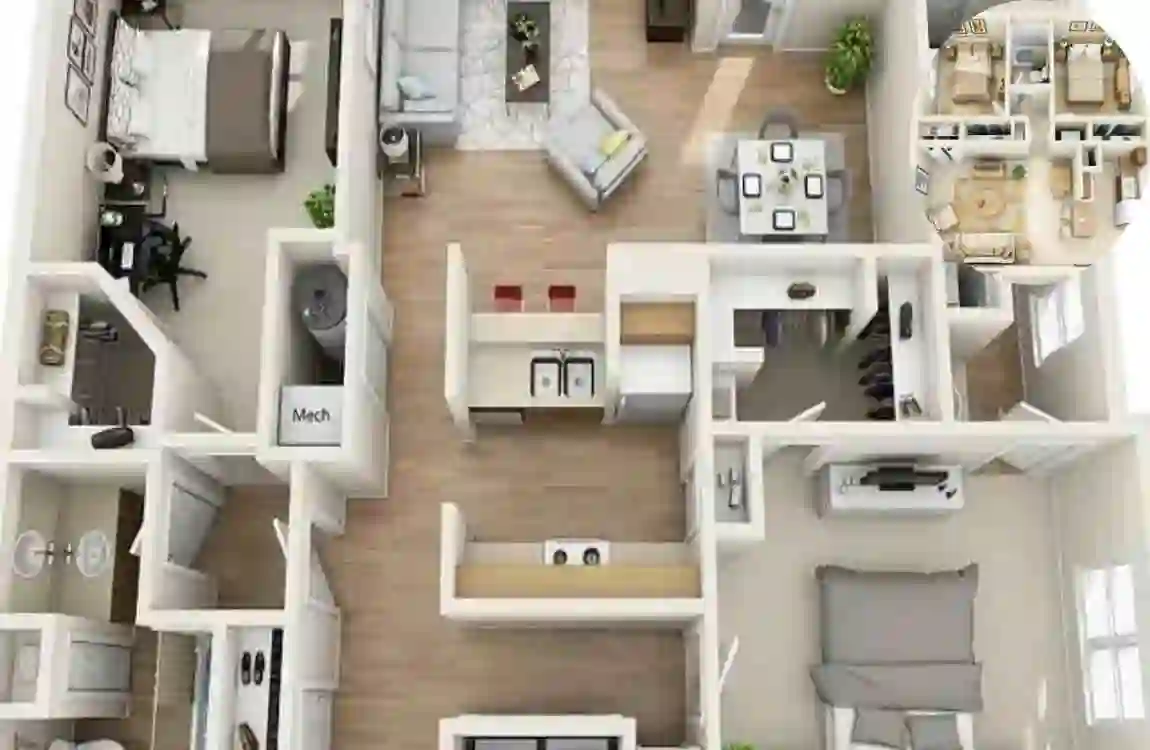
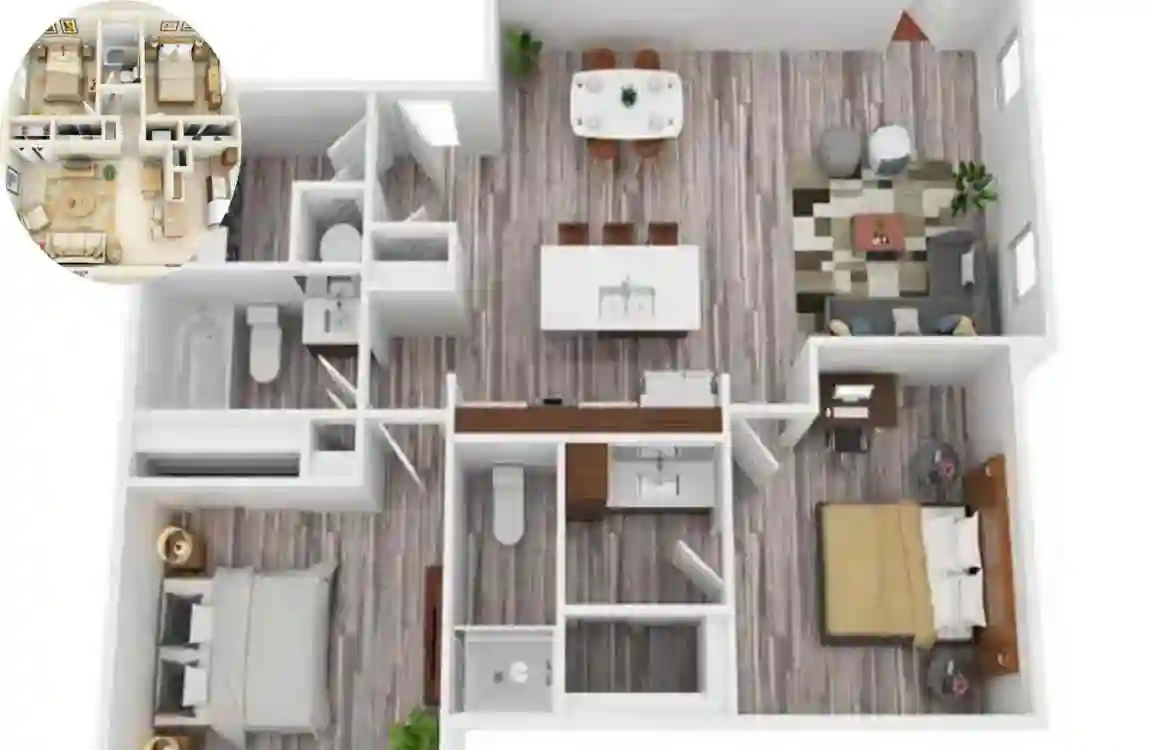
Efficient Floor plan
A well-designed floor plan can make a smaller home feel much larger. Open-concept layouts are particularly popular because they create a sense of spaciousness.
The placement of bedrooms, bathrooms, kitchens, and living spaces should support everyday activities while maximising comfort.
Benefits of an Efficient Layout
- Better use of available space
- Improved natural light flow
- Enhanced functionality
- Greater comfort for residents
Bedroom Size and Comfort
Bedrooms should be large enough to accommodate furniture comfortably. Consider whether each room can fit a bed, dresser, and additional storage if needed.
Natural lighting is another important factor. Bright rooms often feel more welcoming and comfortable than dark spaces.
Storage options such as closets, built-in shelving, or walk-in closets can also add significant value.
Kitchen Design
The kitchen is one of the most frequently used areas in any home. A functional kitchen can improve your daily living experience.
Look for modern appliances, adequate counter space, sufficient cabinet storage, and an efficient layout. The kitchen should allow for easy meal preparation and movement.
Bathroom Quality
Bathrooms play an important role in comfort and convenience. Updated fixtures, quality plumbing, and good ventilation are all positive signs.
Even a small bathroom can feel comfortable when it is well-designed and maintained.
Living and Dining Areas
The living room often serves as the central gathering space in a home. A spacious and flexible layout allows residents to entertain guests, relax, and spend time together comfortably.
Many modern homes combine living and dining spaces to create a more open environment. This design can make smaller homes feel larger and more functional.
Must-Have Interior Features
- Open floor plan
- Adequate storage space
- Energy-efficient windows
- Modern kitchen appliances
- Quality flooring
- Good natural lighting
- Updated bathrooms
Outdoor Space Considerations
Private Yard Benefits
Outdoor space can significantly improve your living experience. A private yard provides room for gardening, children’s play areas, outdoor dining, and relaxation.
Pet owners especially appreciate fenced yards that provide safe areas for animals to exercise and play.
Balcony or Patio Features
Balconies and patios create additional living space. They offer a place to enjoy fresh air, entertain guests, or unwind after a busy day.
Even a small patio can enhance a property’s overall appeal and functionality.
Parking Availability
Parking is often overlooked during the home-buying process. However, it can become a major convenience factor.
Consider whether the property includes:
- Attached garage
- Detached garage
- Driveway parking
- Street parking
- Guest parking spaces
Adequate parking can improve daily convenience and add value to the property.
Evaluating Property Condition
Structural Integrity
Before purchasing any home, carefully assess its structural condition. The foundation should be stable and free from major cracks or signs of movement.
Inspect walls, ceilings, and floors for signs of damage that could indicate structural issues.
The roof should also be examined for wear, missing shingles, leaks, or aging materials.
Plumbing and Electrical Systems
Plumbing and electrical systems are critical components of any home. Problems in these systems can be expensive to repair.
Check for:
- Water pressure issues
- Leaking pipes
- Outdated wiring
- Faulty outlets
- Electrical panel upgrades
Modern systems improve safety and reduce future maintenance costs.
Energy Efficiency
Energy-efficient homes can provide substantial long-term savings. Features such as proper insulation, double-pane windows, efficient heating systems, and modern appliances help reduce utility expenses.
In addition to saving money, energy-efficient homes often provide greater comfort throughout the year.
Financial Factors to Consider
Purchase Price
The purchase price should fit comfortably within your budget. Buyers should compare similar properties in the area to determine whether the asking price is reasonable.
Avoid focusing solely on the listing price. Consider all associated costs before making a decision.
Property Taxes
Property taxes vary by location and can significantly impact long-term ownership costs.
Research local tax rates and estimate how much you will pay annually. Understanding these expenses helps prevent financial surprises later.
Maintenance Expenses
Every property requires ongoing maintenance. Costs may include repairs, landscaping, insurance, and utility bills.
Some communities may also charge homeowners’ association fees. These expenses should be included when calculating the true cost of ownership.
Best Buyers for 2 Bedroom Homes
First-Time Homebuyers
Many first-time buyers choose 2-bedroom homes because they offer affordability and manageable maintenance responsibilities.
Young Professionals
Professionals often appreciate the flexibility of having a second room for guests or remote work.
Small Families
A two-bedroom layout can comfortably accommodate parents and children while maintaining affordability.
Retirees
Retirees frequently downsize to smaller homes that require less upkeep and lower monthly expenses.
Real Estate Investors
Investors value the strong rental demand and broad market appeal associated with 2-bedroom properties.
Common Mistakes to Avoid When Choosing a 2 Bedroom Home
Ignoring the Neighborhood
A beautiful home may not be a wise investment if the surrounding area does not meet your needs.
Overlooking Storage Space
Insufficient storage can become frustrating over time. Evaluate closets, cabinets, and additional storage areas carefully.
Focusing Only on Price
The cheapest option is not always the best choice. Consider location, condition, amenities, and future value alongside price.
Skipping Professional Inspections
Professional inspections can uncover hidden issues that may not be visible during a walkthrough.
Not Considering Future Needs
Think beyond your current situation. Your family size, work arrangements, and lifestyle may change in the future.
Tips for Finding the Perfect 2-Bedroom Home Address
Work with Local Realtors
Experienced real estate professionals understand local markets and can help identify suitable properties.
Research Market Trends
Study property values, neighbourhood growth, and market conditions before making a purchase.
Visit Multiple Properties
Comparing several homes allows you to evaluate features, pricing, and locations more effectively.
Check Online Listings and Reviews
Online listings can provide useful information about available properties and neighbourhood experiences.
Taking time to research your options thoroughly increases the likelihood of finding a home that meets your expectations.
Frequently Asked Questions
What is the average size of a 2-bedroom home?
Most 2-bedroom homes range from 800 to 1,500 square feet, depending on the location, design, and property type.
Are 2-bedroom homes a good investment?
Yes. They often attract renters, young professionals, and first-time buyers, making them a popular and potentially profitable investment option.
How do I find the address of the best 2-bedroom home?
Research neighbourhoods, compare local amenities, evaluate transportation options, and consult experienced real estate professionals.
Is a 2-bedroom home suitable for a family?
Yes. Many small families live comfortably in 2-bedroom homes, especially when the layout is efficient and functional.
What should I inspect before buying a 2-bedroom home?
Inspect the foundation, roof, plumbing, electrical systems, insulation, windows, and overall structural condition to identify any potential issues before purchasing.
| What to Look For | Why It Matters |
|---|---|
| Square footage (800–1,500 sq ft) | Ensures the home isn’t too cramped; typical for 2-bedroom homes |
| 1–2 bathrooms | 2 bathrooms prevent morning rush; 1 is minimum for comfort |
| Open-concept living/dining area | Makes smaller spaces feel larger and improves flow |
| Modern kitchen with island or eat-in space | Adds functionality and value; common in 2-bedroom designs |
| Single-story layout | More accessible and easier to maintain for long-term living |
| High ceilings & large windows | Creates sense of spaciousness in compact homes |
| Built-in storage or attic access | Critical for staying organized in smaller homes |
| Outdoor space (porch/patio) | Adds usable living area for relaxing or entertaining |
| Flexible second bedroom | Can serve as office, guest room, nursery, or hobby space |
| Proximity to essentials (work, schools, transit) | Location can’t be changed—prioritize convenience |
| 2 parking spaces or garage | Adequate parking is a key “need” for home buyers |
| Central heating/air conditioning | Essential for comfort and energy efficiency |