
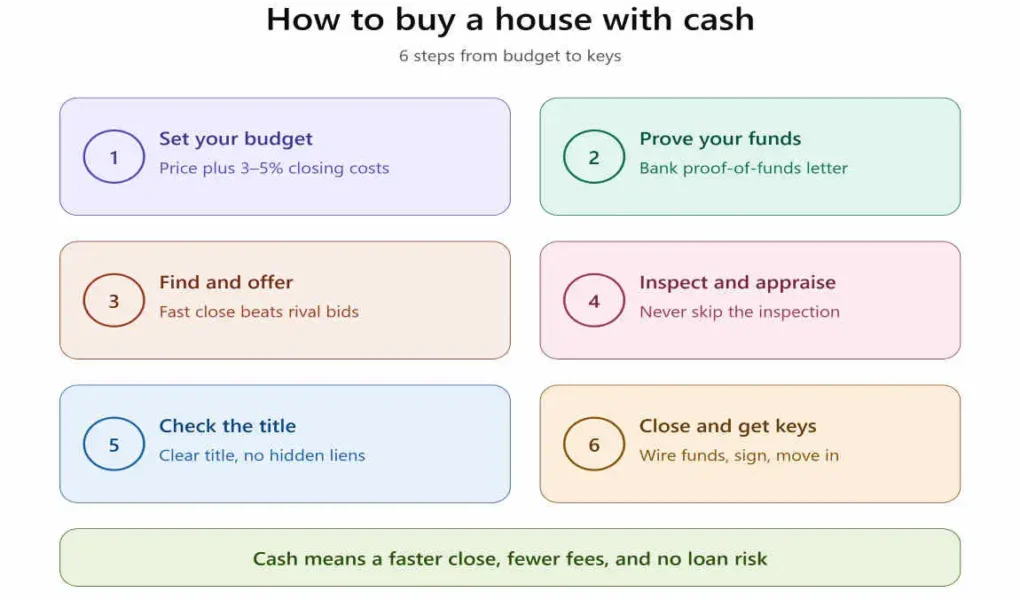
Paying for a home outright sounds simple. No loan, no lender, no monthly mortgage hanging over your head. But if you’ve ever searched for how to buy a house cash, you already know it isn’t as easy as handing over a bag of money and collecting the keys.
How Common Is Buying a House with Cash in 2026?
More common than most people think. According to a Realtor.com report, all-cash purchases made up 31.4% of U.S. home sales in the first four months of 2026, slightly down from 32.3% a year earlier. Cash deals have cooled a bit as inventory has home improved and mortgage-dependent buyers have more room to compete.
Where you live matters a lot. In the same data set, Miami had the highest cash share at 43.2%, while Seattle sat near the bottom at 16.4%. So the “cash is king” advantage you hear about is stronger in some markets than others.
It also depends on who’s buying. NAR figures show that 57% of vacation-home buyers and 56% of investors paid cash in 2025, while only 8% of first-time primary-residence buyers did. Repeat buyers, often people using equity from a previous home, are the group driving much of the growth, with roughly 30% of them paying all cash in 2025.
A quick note on numbers: different organizations measure this differently. The National Association of Home Builders, for example, reported a 25% all-cash share for May 2026. Treat any single figure as a ballpark, not gospel.
Step-by-Step: How to Buy a House with Cash
Work out your real budget (not just the price tag)
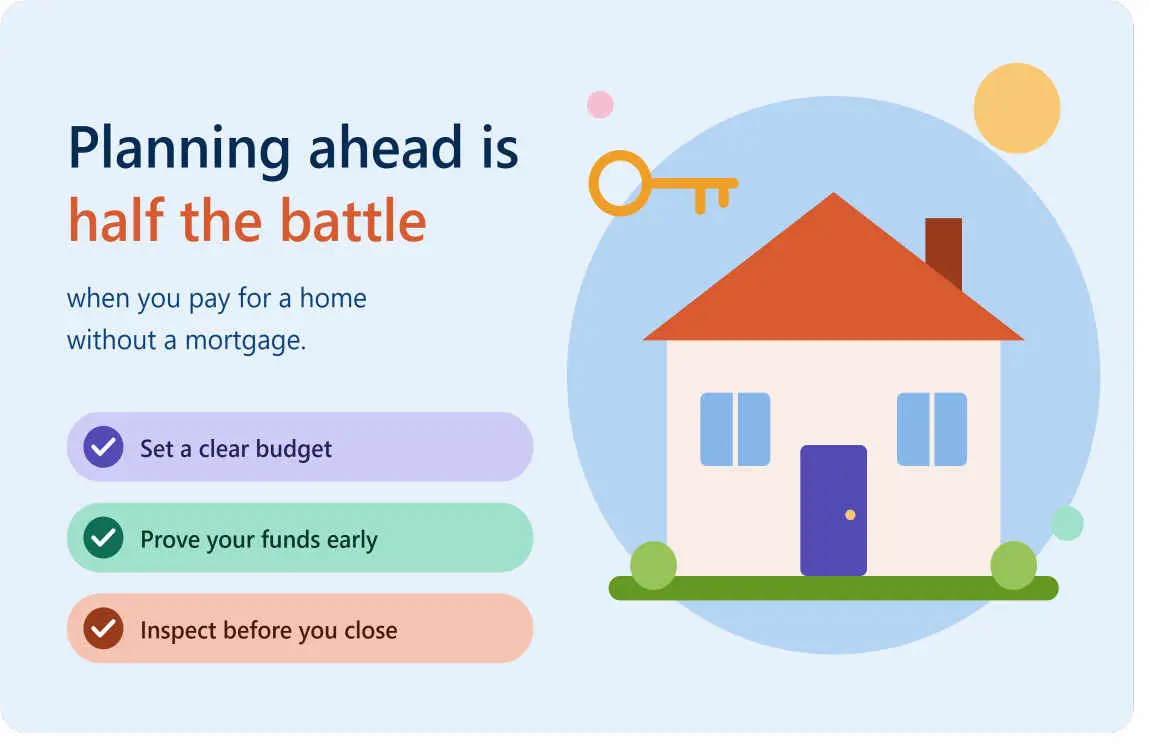
The listing price isn’t the whole bill. Add closing home costs, title insurance, an inspection, moving expenses, and any repairs or furniture you’ll need on day one. Then comes the part people forget: don’t drain every dollar you have.
A paid-off house with an empty savings account is a stressful way to live. A new roof, a broken water heater or a medical bill can show up in month two. Keep a proper emergency fund untouched, and make sure the purchase doesn’t wreck your retirement plans.
Get your proof of funds ready
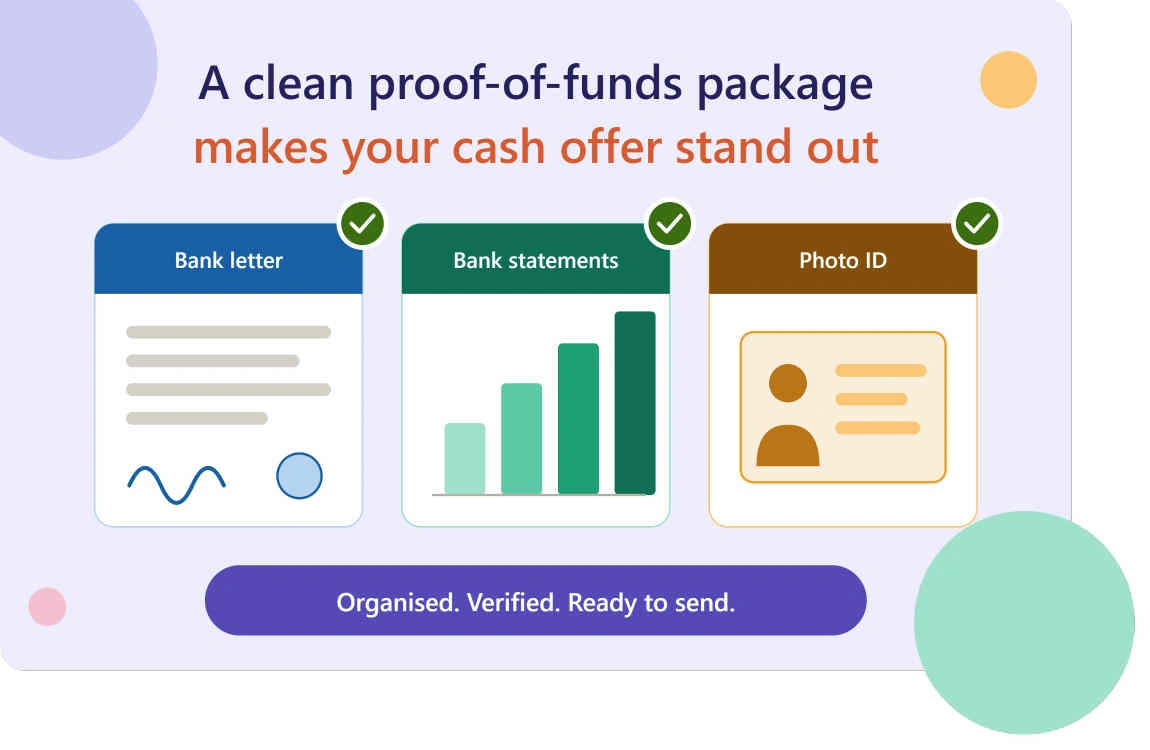
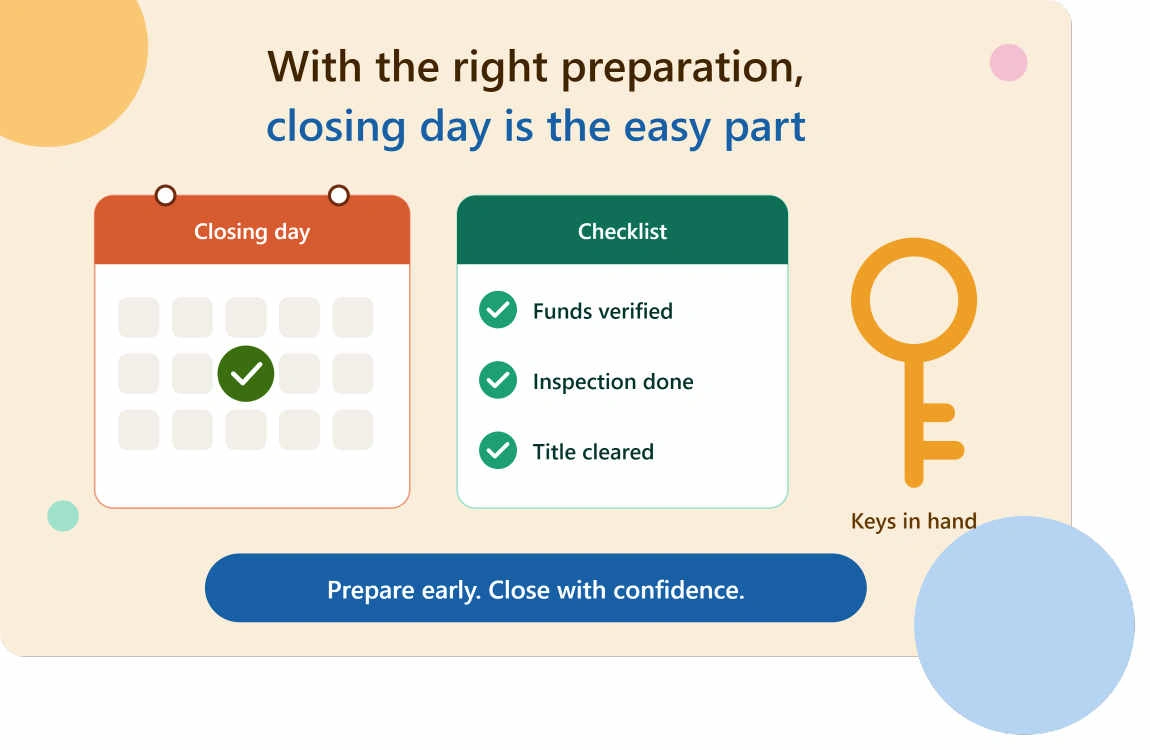
Sellers want to know your money is real. Ask your bank or brokerage for a proof-of-funds letter, or have recent statements ready showing the money is liquid and sitting in your name. If the funds are coming from selling another property, a stock account or a family gift, have the paper trail organized. It speeds everything up and makes your offer more believable.
Build the right team
Cash buyers still need help. A good buyer’s agent knows what homes actually sell for in your area. A real estate attorney (or a reliable title or escrow company, depending on your state) makes sure the paperwork is clean. If the home is an investment, add an accountant to the mix before you sign anything.
Find the right home and make a smart offer
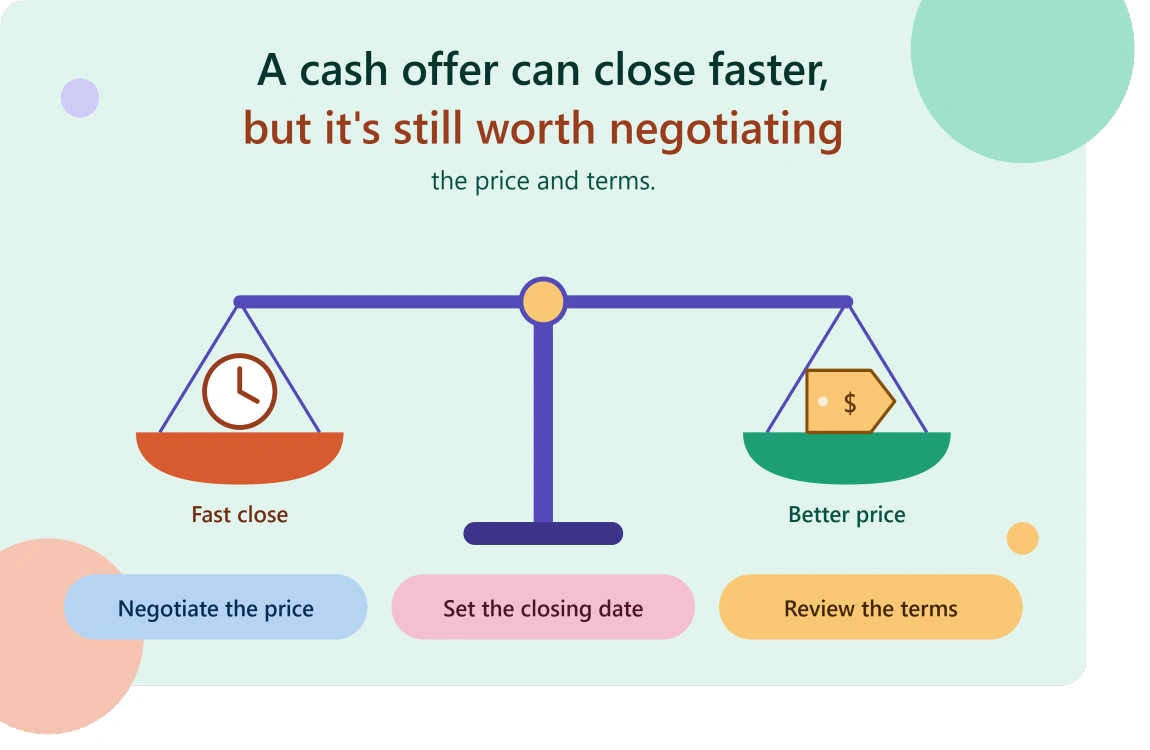
Cash gives you leverage, but you have to use it well. Sellers like certainty. A buyer who doesn’t depend on a lender can often close faster, with no loan approval delays and no appraisal gap to worry about. That has real value, especially when a home gets several offers.
Don’t just offer the asking price and smile, though. Because you’re lowering the seller’s risk, it’s reasonable to ask for something in return: a lower price, a quicker or more flexible closing date, or help with certain repairs. How much you can negotiate depends on the market, so lean on your agent’s local knowledge.
Don’t skip the inspection
This is the biggest mistake cash buyers make. Without a lender, nobody forces you to inspect, so some people waive it to look more attractive. That’s a gamble. Foundation problems, old wiring, hidden leaks and failing HVAC systems can cost tens of thousands of dollars, and you’ll be paying for them with the same cash you thought you were saving.
Get a full inspection. Add specialist checks (sewer line, roof, termites, radon, mold) if the home’s age or location calls for it.
Order a title search and title insurance
Even without a mortgage, you want to be sure the seller truly owns the property and that no liens, unpaid taxes or ownership disputes are attached to it. A title search checks that history. Title insurance protects you if something slips through. Lenders usually require this, so cash buyers sometimes skip it. Don’t. It’s one of the cheapest forms of protection in the whole process.
Think about the appraisal
An appraisal isn’t required when you pay cash, but it’s still a useful reality check, especially in a hot market where prices can get ahead of themselves. If you’re spending a large chunk of your net worth, paying a few hundred dollars to confirm the home is worth the price makes sense.
Protect your money at closing
This is where things go wrong most often, and it deserves its own section.
Watch Out for Wire Fraud: The Cash Buyer’s Biggest Risk
Cash buyers move large sums of money in one shot, which makes them a favorite target. In a typical scam, criminals hack or imitate an email account belonging to your agent, title company or attorney, then send “updated” wiring instructions shortly before closing. The money lands in the scammer’s account instead of the escrow account.
The numbers are serious. The FBI’s Internet Crime Complaint Center reported more than $275 million stolen through real estate-related fraud from at least 12,368 victims in 2025. FinCEN has also noted that individual homebuyers are hit disproportionately by business email compromise in the real estate sector.
Here’s how to protect yourself:
- Call to verify. Phone the title or escrow company using a number you found independently, not one from an email, and confirm the wiring details out loud.
- Be suspicious of last-minute changes. A real closing can be delayed. Your money can’t be pulled back once it’s gone. The title industry’s own fraud guide, published by ALTA, stresses verifying instructions by phone and slowing down if you feel rushed.
- Send a small test wire first if your bank and the title company allow it.
- Act immediately if something feels off. Call your bank to request a wire recall and file a report at the FBI’s IC3 website.
A Quick Word on Buying Through an LLC or Trust
If you plan to buy in the name of a company or trust, pay attention to reporting rules. FinCEN had adopted a rule requiring closing professionals to report certain non-financed purchases of residential property by entities and trusts. Purchases made by individuals weren’t covered. That rule has been in flux: a federal court in Texas vacated it in March 2026. Because rules like this can change again, ask your attorney or closing agent what applies at the time you buy.
The Pros and Cons of Paying Cash
Advantages
- Stronger offers. No financing contingency and no appraisal gap makes sellers more comfortable.
- Faster closings. Without a lender’s underwriting process, deals can wrap up in a couple of weeks instead of a month or more.
- No mortgage interest. Over decades, that’s a huge amount you never pay.
- Lower closing costs. No loan origination fees, lender fees or mortgage-related charges.
- Simplicity and peace of mind. No monthly mortgage payment.
Drawbacks
- Less liquidity. Home equity isn’t easy to turn back into cash quickly.
- Opportunity cost. That money could have been invested elsewhere. Whether you’d actually earn more than the interest rate you’re avoiding is a fair question to ask a financial advisor.
- Concentration risk. A big share of your net worth ends up in one asset in one location.
- Fewer tax deductions in some situations, since there’s no mortgage interest to deduct.
One middle path worth asking a lender about: buying with cash first, then taking out a mortgage on the home shortly afterward to get some of your money back. Some lenders have programs designed for exactly this, often called “delayed financing.” Eligibility rules vary, so confirm the details before relying on it.
What Happens After You Close?
The work isn’t over when you get the keys. A few things to handle right away:
- Homeowners insurance. No lender means nobody forces you to carry it, but going without is a very bad idea.
- Property taxes. You’ll pay these directly instead of through a mortgage escrow account, so set reminders and budget for them.
- Record the deed. Confirm your title company files it with the county.
- Keep your documents. Closing statement, deed, inspection report and title policy should live somewhere safe, digital and physical.
Is the Market Still Friendly to Cash Buyers?
Yes, but the edge is thinner than it was. NAR’s deputy chief economist has said all-cash buyers aren’t going away, even as more mortgage-financed buyers return when rates ease. In practice, that means cash still helps, especially in competitive local markets, but you shouldn’t expect it to win every deal on its own. Smart home pricing, clean terms and a well-prepared team matter just as much.
Frequently Asked Questions
Can you really buy a house with cash without a mortgage?
Yes. You’ll still go through a contract, inspection, title work and closing, but no lender is involved.
How long does it take to buy a house with cash?
Often two to four weeks from accepted offer to closing, depending on title work, inspections and your state’s rules. Financed deals usually take longer.
Should I negotiate a lower price when paying cash?
You can try. Cash reduces the seller’s risk, so many buyers ask for a discount or better terms, but results depend on your local market and how many other offers the seller has.
Do I still need a real estate agent or attorney?
Not legally in every case, but it’s strongly advised. They help you avoid pricing mistakes, contract problems and fraud.
Is it better to pay cash or get a mortgage?
There’s no universal answer. It depends on your interest rate, your other investments, your risk tolerance and how much cash you’d have left over. A licensed financial advisor can run the numbers for your situation.
Final Thoughts
Knowing how to buy a house cash comes down to preparation. Set a realistic budget, keep a safety cushion, prove your funds, get the home inspected, insure your title, and never wire money without verifying instructions by phone. Do those things and a cash purchase can be quicker, cleaner and cheaper than a mortgage-financed one.