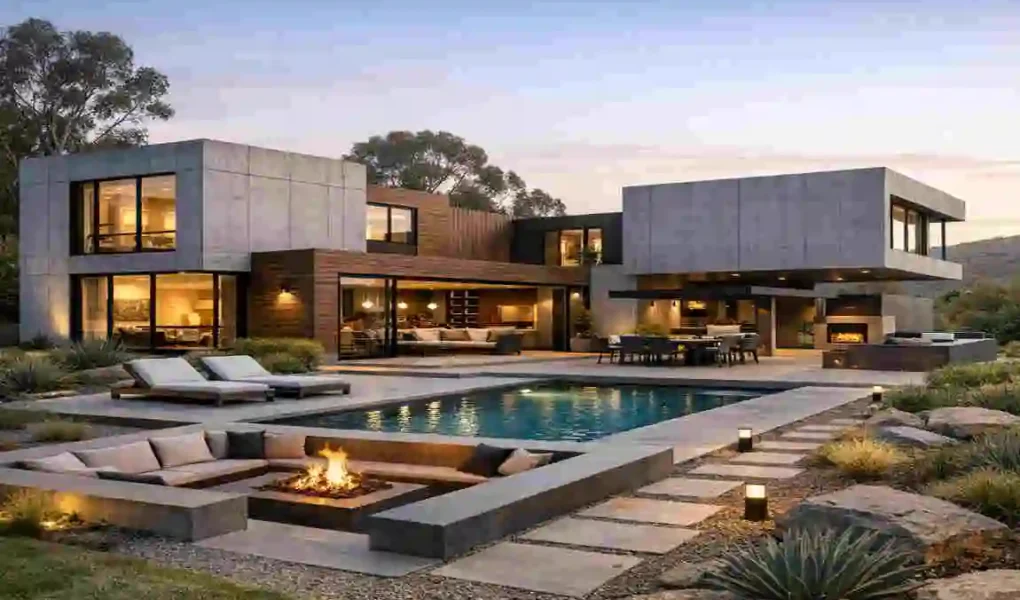
A block house is becoming one of the most popular choices for people who want a home that feels modern, strong, and practical. More homeowners and investors are turning to modern block houses because they offer a good balance of style and function. It looks clean, feels solid, and can work well in both city and countryside settings.
The rise of the stylish block house is easy to understand. People want homes that last longer, need less upkeep, and still look beautiful. A smart block house design can deliver all of that. It can be simple and minimal, or bold and luxurious, depending on your taste.
Another big reason for its popularity is value. A block house is known for durability, energy efficiency, and affordable maintenance. That means you save money over time while enjoying a comfortable living space. Whether you want a family home, an investment property, or a peaceful retreat, a block house can fit your goals very well.
If you are thinking about building or updating a home, this style deserves your attention. Let’s explore why.
What Is a Block House?
Definition and Concept
A block house is a home built primarily from block-based materials, such as concrete blocks, cement blocks, AAC blocks, or cinder blocks. These materials create a strong structure that can support modern building needs while remaining flexible.
The idea is simple: instead of relying only on traditional wood framing, the home uses solid blocks to form walls and structure. This gives the modern house a sturdy feel and a more lasting build.
Evolution of Block House Architecture
In the past, block homes were often chosen for basic utility. They were practical, but not always stylish. Today, things have changed. A modern block house can be sleek, elegant, and highly creative.
Architects now use block structures to build homes with open layouts, large windows, and attractive finishes. This makes the block house a favorite for people who want both strength and beauty.
Common Types of Block Houses
Here are a few popular styles:
- Minimalist block house with clean lines and simple colors
- Luxury block house with Premium finishes and large glass areas
- Industrial-style block house with raw textures and metal details
- Eco-friendly block house with sustainable materials and green features
Each type offers a different look, but all share the same strong foundation.
Benefits of Choosing a Block House
Exceptional Durability
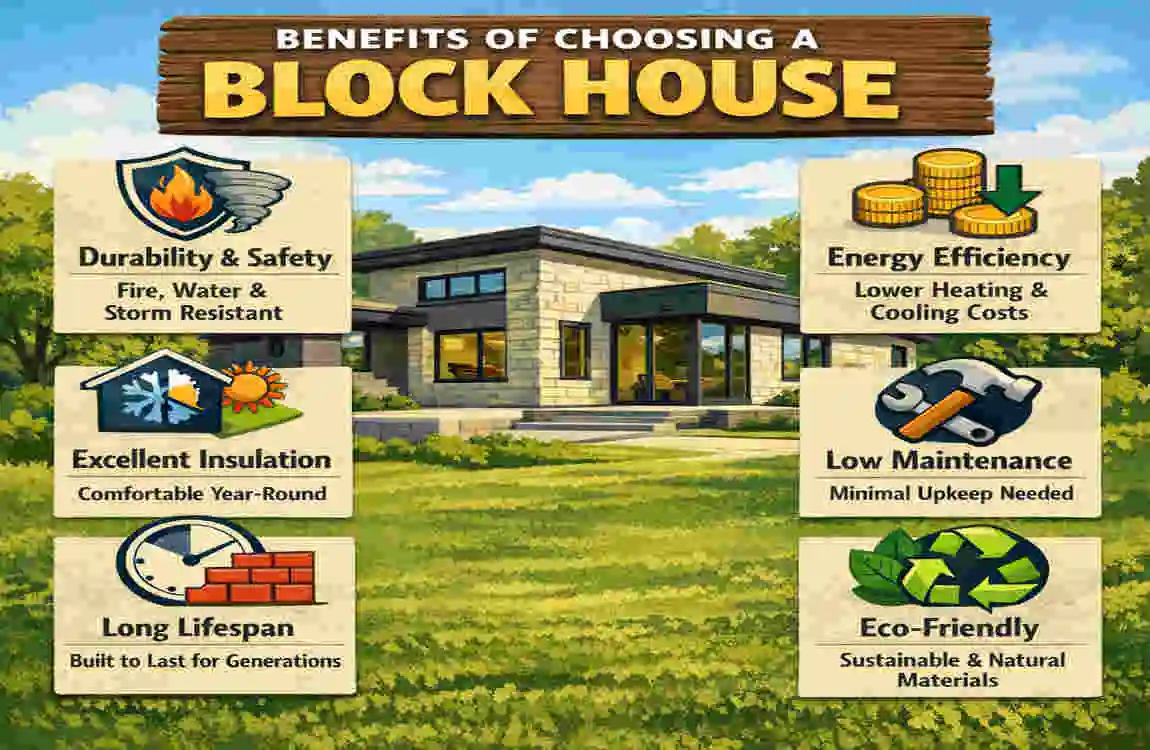
One of the biggest benefits of blockhouse construction is its strength. A durable block house can withstand harsh weather, strong winds, and daily wear and tear with ease. The solid structure also gives the home long-term stability.
Block walls can offer better fire resistance than many lighter building materials. That extra protection brings you and your family peace of mind.
Energy Efficiency
A block house can help keep indoor temperatures more stable. This means the house stays cooler in hot weather and warmer in cooler months. That is a major plus for comfort and savings.
An energy-efficient block house may reduce your electricity bills by requiring less heating and cooling. Over time, that can make a real difference in your monthly costs.
Low Maintenance Requirements
Block houses usually need less repair work than many other home styles. They resist pests, handle moisture better when built properly, and keep their shape for years.
That means less stress for you. Instead of spending time fixing constant problems, you can enjoy your home more.
Cost-Effective Construction
A block house can be a smart financial choice. The materials are often affordable, and the building process can be faster than some traditional methods. That may lower labor and timeline costs.
The real savings often come later. Because the house is strong and efficient, you may spend less on repairs, cooling, and heating.
Modern and Stylish Appearance
A block house is not just practical. It can also look very elegant. With the right design, it can have a sleek and modern feel that stands out.
Different exterior finishes, textures, and shapes allow you to create a home that matches your style. This is why many people now choose a stylish block house for modern living.
Stylish Block House Design Ideas for Modern Living
Minimalist Block House Designs
Minimalist homes focus on simplicity. They often use clean lines, soft neutral colors, and open spaces. This creates a calm and uncluttered feeling.
If you want a peaceful home, this style is a great fit. It works especially well for people who like a neat and modern look.
Industrial-Inspired Block House
An industrial design brings out the raw beauty of the materials. You may see exposed concrete, black metal frames, and large glass panels.
This style feels urban and bold. It works well for people who want a more creative and edgy home.
Luxury Contemporary Block House
A contemporary block house can feel high-end without losing its practical base. Large windows, polished surfaces, smart systems, and Premium materials all add to the experience.
This style is ideal if you want your home to feel both modern and impressive. It can easily become a standout property.
Eco-Friendly Block House Concepts
Sustainability matters more than ever. An eco-friendly block house may include solar panels, green roofs, rainwater systems, and recycled materials.
This approach helps reduce waste and supports a greener lifestyle. It is a smart choice if you care about the environment and long-term savings.
Compact Block House for Small Families
A smaller block house can still feel spacious when planned well. The key is to use smart layouts, hidden storage, and multi-purpose rooms.
Think of a living area that also works as a study, or a dining space that blends into the kitchen. These ideas help you get more from every square foot.
Practical styling tips:
- Use light colors to open up the space
- Add glass doors to improve indoor-outdoor flow
- Choose simple furniture that does not crowd the room
Best Materials for Building a Block House
Material Main Strength Best Use
Concrete blocks are very strong and durable, making long-lasting homes and exterior walls.
AAC blocks: Lightweight and energy efficient, modern homes in warm or mixed climates
Cinder blocks: Affordable and practical. Budget-friendly construction
Eco-friendly blocks, Sustainable and lower-impact Green building projects
Concrete Blocks
Concrete blocks are strong and reliable. They work well for homes that need solid structure and long-term durability. A concrete block house is a classic choice for strength.
AAC Blocks
AAC stands for autoclaved aerated concrete. These blocks are lighter than regular concrete and can help with insulation. An AAC block house may be a good option if energy savings matter to you.
Cinder Blocks
Cinder blocks are often chosen because they are affordable. They are common in many types of construction and can be useful for practical builds.
Eco-Friendly Building Blocks
If sustainability is important, eco-friendly blocks made from recycled or low-impact materials can be a smart option. They support greener buildings without giving up performance.
Choosing the Right Material
The best material depends on your budget, local climate, and design goals. If you want more strength, concrete may be the best option. If you want lighter walls and better insulation, AAC may be a better fit.
Interior Design Tips for a Stylish Block House
Open-Concept Living Spaces
An open layout can make your home feel larger and brighter. It also improves movement between rooms and supports a more social lifestyle.
If you want a modern block house interior, this is one of the best places to start.
Modern Color Schemes
Earthy shades, soft grays, white, and black all work well in a block home. You can also add warm wood tones to balance the harder surfaces.
These colors create a clean, welcoming look.
Smart Furniture Choices
Choose furniture that fits the space instead of filling every corner. Multi-functional pieces, like storage benches or foldable tables, are especially useful.
This keeps the home practical and comfortable.
Lighting Ideas
Natural light should be a priority. Large windows, skylights, and open sightlines can brighten the home beautifully. Add pendant lights and LED strips for a modern touch.
Good lighting changes the whole mood of the house.
Adding Warmth to Concrete Interiors
Concrete can feel cool or hard on its own, so balance it with softer details. Use wooden furniture, indoor plants, rugs, and fabric curtains.
These small touches make the space feel more human and inviting.
Outdoor Landscaping Ideas for a Block House
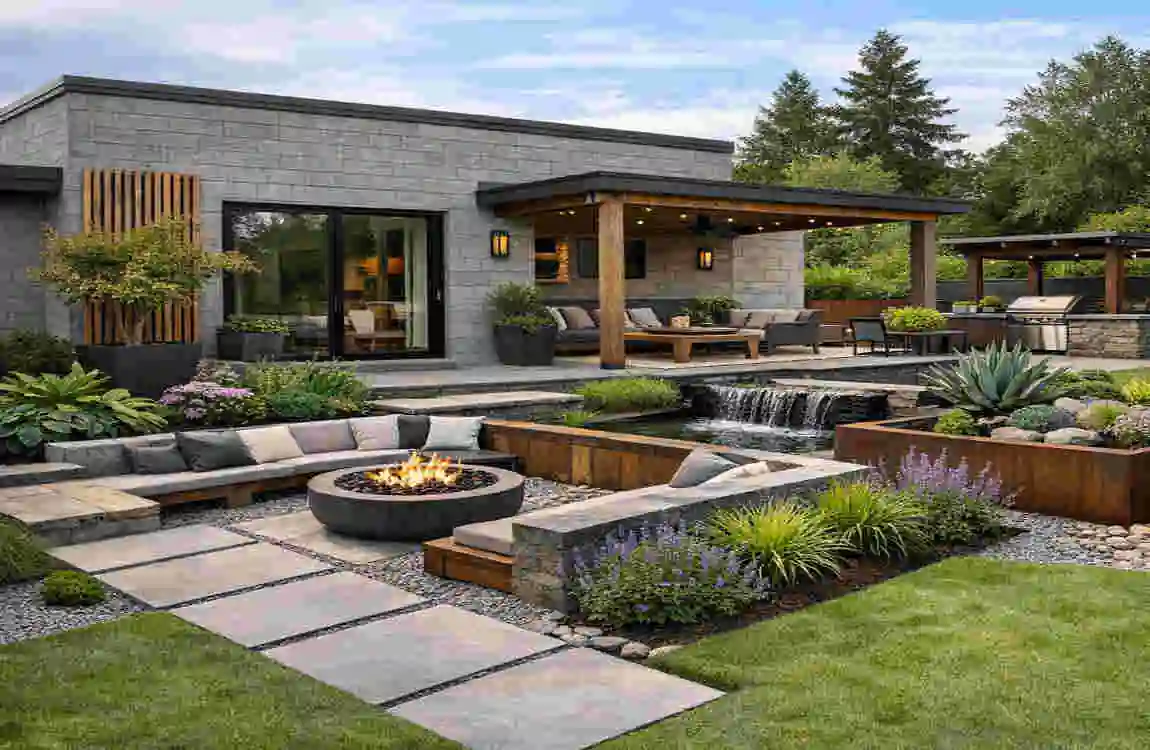
Modern Garden Designs
A block house exterior looks even better with simple landscaping. Use geometric garden shapes, stone paths, and native plants for a clean finish.
This style feels modern without being too busy.
Outdoor Living Spaces
Patios, rooftop terraces, and outdoor dining areas make the home feel bigger. They also create a relaxing place to gather with family and friends.
If the climate allows, an outdoor kitchen can be a great addition too.
Exterior Finishing Options
You can improve your house’s look with stone cladding, wood accents, or textured paint. These details soften the block structure and add character.
They also help create a more polished result.
Lighting for Exterior Appeal
Pathway lights and wall-mounted fixtures can make the outside of the home feel warm and safe. Good lighting also highlights the architecture at night.
Common Challenges in Building a Block House and How to Overcome Them
Initial Construction Costs
A block house can still require a strong upfront budget. The best way to handle this is to plan early and set clear priorities.
Focus first on structure, safety, and function. Style can be added in stages.
Moisture Management
Moisture can be a concern if the home is not built properly. Good waterproofing, sealed joints, and proper drainage can solve most issues.
This step is very important for long-term performance.
Design Limitations
Some people think block homes look too plain, but that is not true. With the right architect, you can create a beautiful design that feels modern and unique.
Professional planning makes a big difference.
Temperature Control
Because block homes are solid, insulation matters. Use proper wall insulation and ventilation to keep the interior comfortable year-round.
This helps the home perform better in both hot and cold weather.
Why Block Houses Are the Future of Modern Architecture
Sustainability Trends
More people want homes that use fewer resources and last longer. A sustainable block house fits this trend very well.
Urban Housing Demand
Cities need homes that are compact, flexible, and strong. Block houses can meet those needs without sacrificing design.
Technological Innovations
Smart lighting, home automation, and energy-saving systems all work well in a block house. This makes it easier to blend tradition with modern living.
Rising Popularity Worldwide
Across the world, people are choosing block homes for their balance of style and value. They offer long-term investment potential and wide design flexibility.
Tips for Planning Your Dream Block House
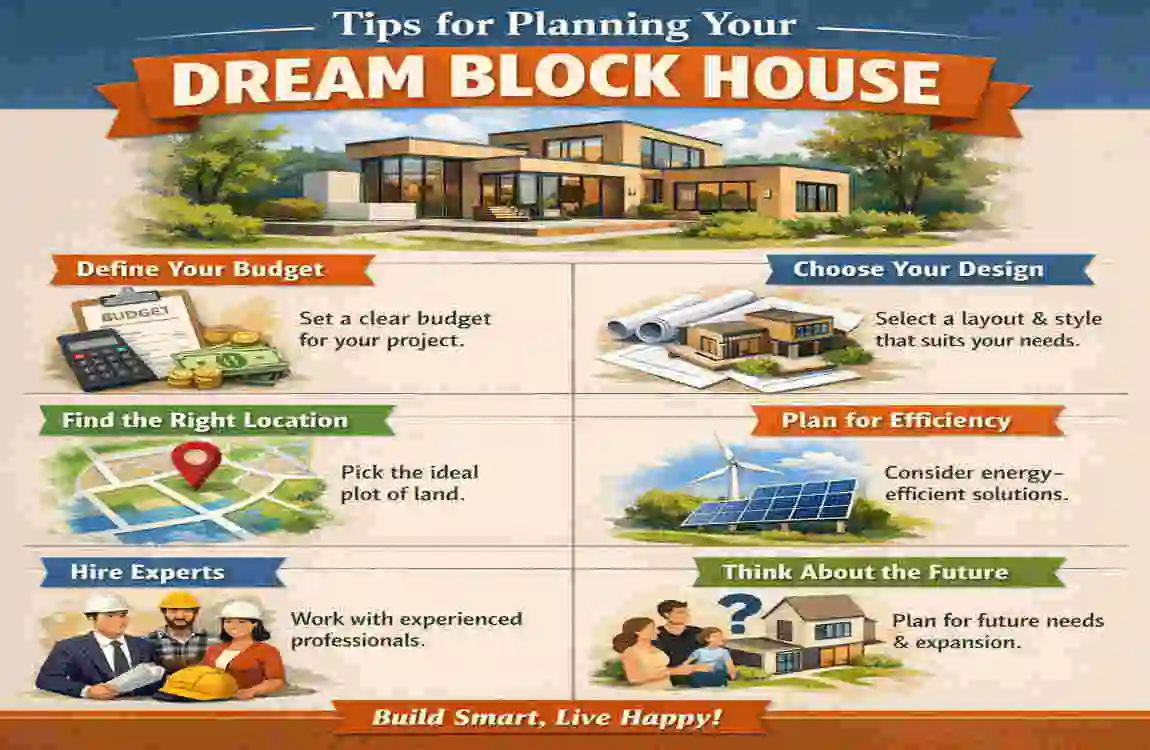
Set a Realistic Budget
Think about both construction and future maintenance. A clear budget helps you avoid stress later.
Choose the Right Location
Your location affects climate comfort, materials, and design choices. Pick a site that matches your lifestyle.
Hire Experienced Professionals
Work with skilled architects, contractors, and interior designers. Their experience can save you time, money, and mistakes.
Prioritize Functionality and Style
A beautiful house should also be easy to live in. Plan rooms for daily needs, storage, and possible future expansion.
Useful next steps:
- Book a free consultation
- Explore modern block house designs
- Get a custom construction quote
Frequently Asked Questions
Is a block house durable?
Yes. A block house is known for its strength and long-term stability. When built correctly, it can handle weather, wear, and daily use very well.
Are block houses energy efficient?
They can be. A well-built block house helps regulate indoor temperature, which may reduce energy use and lower bills.
How much does it cost to build a block house?
Cost depends on size, materials, labor, and location. In many cases, block houses offer good long-term value because they are durable and low-maintenance.
What is the best material for a block house?
It depends on your goals. Concrete blocks are strong, while AAC blocks are often chosen for better insulation and lighter weight.
Can a block house look luxurious?
Absolutely. With large windows, Premium finishes, and smart design, a block house can look very elegant and high-end.
Are block houses suitable for hot climates?
Yes. When designed with proper insulation, shade, and ventilation, block houses can work very well in hot climates.
| Topic | Quick SEO-friendly Info |
|---|---|
| What is a Block House? | A modern interior/exterior design style using rectangular blocks or paneling for texture and depth. Ideal for minimalist and contemporary homes. |
| Benefits | Adds visual interest, improves light/shadow play, durable, low-maintenance, and increases resale appeal. |
| Best Rooms | Living room feature wall, bedroom headboard wall, kitchen backsplash, hallway or exterior façade. |
| Materials | Wood, engineered wood (MDF), concrete-look panels, PVC, or painted drywall panels. |
| Styles & Finishes | Natural wood grain, painted monochrome, stained tones, distressed wood, matte concrete finish. |
| Installation Tips | Use level layout, stagger seams, pre-finish panels when possible, apply adhesive + finish nails for stability. |
| Budget Range | Low: PVC/painted MDF; Mid: engineered wood; High: solid wood or custom stone-look panels. |
| Maintenance | Dust regularly, reseal wood annually if needed, spot-clean painted panels with mild detergent. |
| SEO Keywords | block house design, block wall ideas, modern block paneling, feature wall ideas, stylish block house |
| Call to Action (CTA) | Want help planning your block house feature? Contact a designer or download our quick installation guide. |