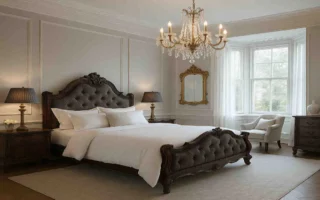
When it comes to designing your home, one question often pops up: “What’s a good size main bedroom?” The size of your main bedroom matters more than you might think. It affects not just comfort but also the overall value of your home. A well-sized main bedroom provides a personal retreat where you can relax, work, or entertain in peace.
Understanding the Importance of Master Bedroom Size

Why Bedroom Size Matters
The size of your main bedroom plays a huge role in your home’s livability. It’s more than just a place to sleep; it’s your private sanctuary. A spacious room allows for better furniture arrangement, walking space, and room to add personal touches, such as a reading chair or a small desk.
From a real estate perspective, a generously sized main bedroom can boost your home’s resale value. Buyers often consider bedroom sizes when deciding whether a home meets their needs.
Psychological Comfort and Personalization
A cramped bedroom can feel stressful and claustrophobic. On the other hand, a room that’s too large may feel cold or uninviting if not appropriately designed. The right size strikes a balance, creating a sense of calm and space to express your style.
Is Bigger Always Better?
Not necessarily. Bigger rooms mean more cleaning, heating, and furnishing costs. Practical limits depend on overall house size, budget, and lifestyle. Sometimes, a well-planned medium-sized room can feel more luxurious than a sprawling but empty space.
What’s a Good Size Main Bedroom? — Standard Dimensions Explained
Typical Main Bedroom Sizes
Master bedrooms come in all shapes and sizes, but here’s a simple breakdown to give you a clear picture:
- Small: Around 10×12 feet (120 sq ft / 11 sq meters)
- Medium: Approximately 12×16 feet (192 sq ft / 18 sq meters)
- Large: 16×20 feet or more (320 sq ft / 30 sq meters and up)
Industry Recommendations & Building Codes
Most building codes recommend a minimum bedroom size of about 70 square feet with enough space for a bed and clearance around it. However, for master bedrooms, the industry standard leans towards at least 150 square feet to ensure comfort and usability.
The ideal ceiling height also affects how spacious a room feels. Most modern homes feature ceilings of 8 to 10 feet, but anything above 9 feet tends to create a more open and airy atmosphere.
Table: Master Bedroom Size Comparisons
Size Category, Dimensions (Feet), Area (Square Feet), Ideal Ceiling Height (Feet), Typical Features
Small 10 x 12 120 8 Bed, side tables, limited furniture
Medium 12 x 16 192 8-9 Bed, dresser, seating area
Large 16 x 20+ 320+ 9+ Bed, lounge, workspace, walk-in closet
Factors Influencing Main Bedroom Size Selection
Home Size and Layout
The overall size of your home heavily influences how big your main bedroom can be. In a small urban apartment, a large main bedroom might not be practical. Conversely, in a sprawling suburban home, a bigger main bedroom makes sense.
Purpose of the Room
Are you planning a bedroom strictly for sleeping, or will it double as a workspace, reading nook, or even a mini lounge? Multipurpose rooms need more space to accommodate different activities comfortably.
Real Estate Trends in 2025
Buyers in 2025 are looking for rooms that feel spacious yet smartly designed. Open-concept master suites that connect seamlessly to bathrooms and closets are trending, which can affect how you size and lay out the bedroom.
Climate and Ventilation
In warmer climates, larger rooms with good airflow might be a priority to keep the space comfortable. In cooler regions, smaller, cozier rooms can be easier to heat and maintain.
Modern Design Trends Affecting Main Bedroom Size (2025 Focus)
Smart Technology Integration
Technology is reshaping how we design bedrooms. Bright lighting, automated blinds, and integrated sound systems require thoughtful planning. Allocating space for tech hubs or charging stations is becoming essential.
Open-Concept Master Suites
Modern homes favor open-concept suites that blend the main bedroom, bathroom, and walk-in closet. This trend calls for larger, more fluid bedroom spaces that feel connected yet private.
Flexible Spaces
In 2025, homeowners want rooms that adapt. A corner might serve as a reading nook during the day and a meditation spot at night. Including flexible spaces means slightly larger rooms or a brighter layout.
Minimalist vs. Luxury Design
Minimalist styles focus on simplicity and function, which can reduce the need for room space. Luxury designs, however, often demand larger spaces to accommodate Premium furniture, seating areas, and decorative elements.
Sustainable and Efficient Design
Sustainability is key. Efficient use of space reduces waste and energy use. Incorporating natural light and ventilation can make rooms feel bigger without enlarging their footprint.
Design Tips to Maximize Comfort in Your Main Bedroom

Space Planning Essentials
Plan your furniture layout carefully. Leave at least 2 to 3 feet of walking space around the bed for easy movement. Avoid overcrowding with too many pieces.
Choosing the Right Bed Size
Match the bed size to the room. For example:
- In a small room, a queen bed fits better than a king.
- In medium- to large-sized rooms, a king-size bed enhances luxury without overwhelming the space.
Lighting Strategies
Use a mix of natural, ambient, and task lighting. Natural light opens up the space, while strategically placed lamps create warmth and functionality.
Storage Solutions
Built-in wardrobes, under-bed storage, and multi-functional furniture help keep clutter out of sight, making the room feel larger and more organized.
Colors and Materials
Light colors and reflective surfaces like mirrors make rooms seem bigger. Dark, warm tones create cozy, intimate spaces when preferred.
Main Bedroom Size and Its Relation to Other House Areas
Balancing Room Sizes
Your main bedroom should be a good size, in balance with other key rooms like the kitchen and living room. Oversized bedrooms may reduce space for social areas, so consider your lifestyle priorities.
Layout Impact
Open-plan homes can accommodate slightly smaller bedrooms because the overall space feels more connected. Segmented layouts require larger bedrooms to serve as private retreats.
Multi-Generational Living
If you share your home with extended family, you should increase the size for privacy or include additional multi-use zones inside the main bedroom.
Budgeting and Construction Considerations for Master Bedroom Size
Cost Implications
Larger bedrooms cost more to build and furnish. They require more flooring, paint, lighting, and heating or cooling.
Materials and Finishes
High-quality materials can make even a smaller room feel upscale. Choosing the right finishes can enhance perceived space and comfort.
Work with Professionals
Collaborate with architects and interior designers to optimize bedroom size within your budget and home layout. They bring expertise in space planning and compliance with building codes.