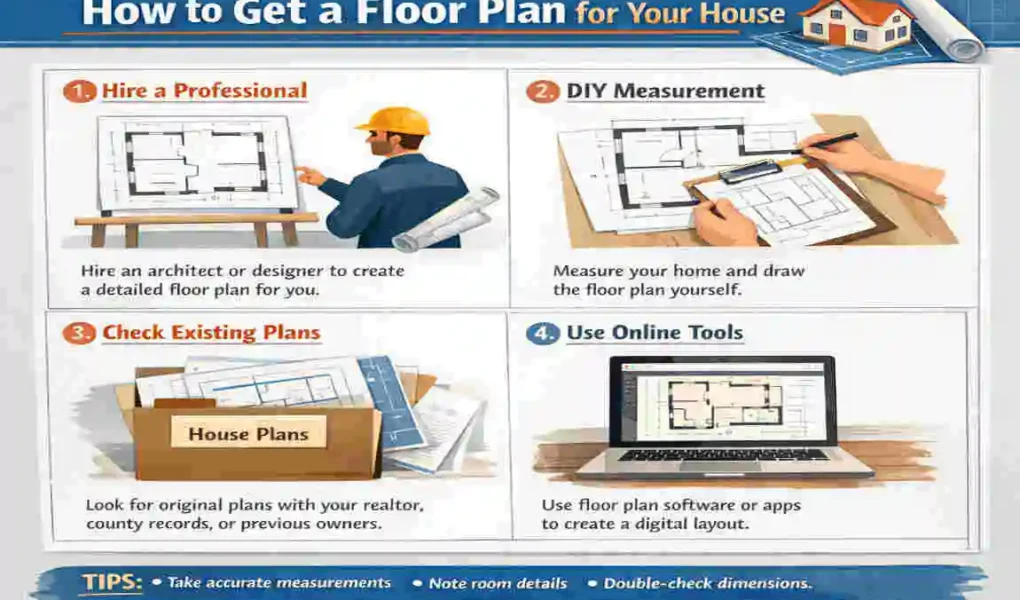
If you are staring at your house and thinking, “How can I get a floor plan for a house?”, you are not alone. A lot of homeowners ask the same question when they start planning a renovation, listing a home for sale, applying for insurance, or simply trying to understand how their space works.
A floor plan gives you a clear picture of your home’s layout. It shows where the rooms are, how they connect, and how much space you actually have. That may sound simple, but it can make a huge difference. When you can see the layout instead of guessing, you make better decisions about furniture, remodelling, storage, and even future upgrades.
That is also why floor plans matter so much in real estate. Buyers like them because they help them picture the home before they visit. Sellers like them because a good floor plan can make a listing feel more complete and professional. Homeowners like them because they make repairs and remodelling much easier to plan. In many cases, having a floor plan can even help a property feel more valuable and better organised.
Why You Need a House Floor plan
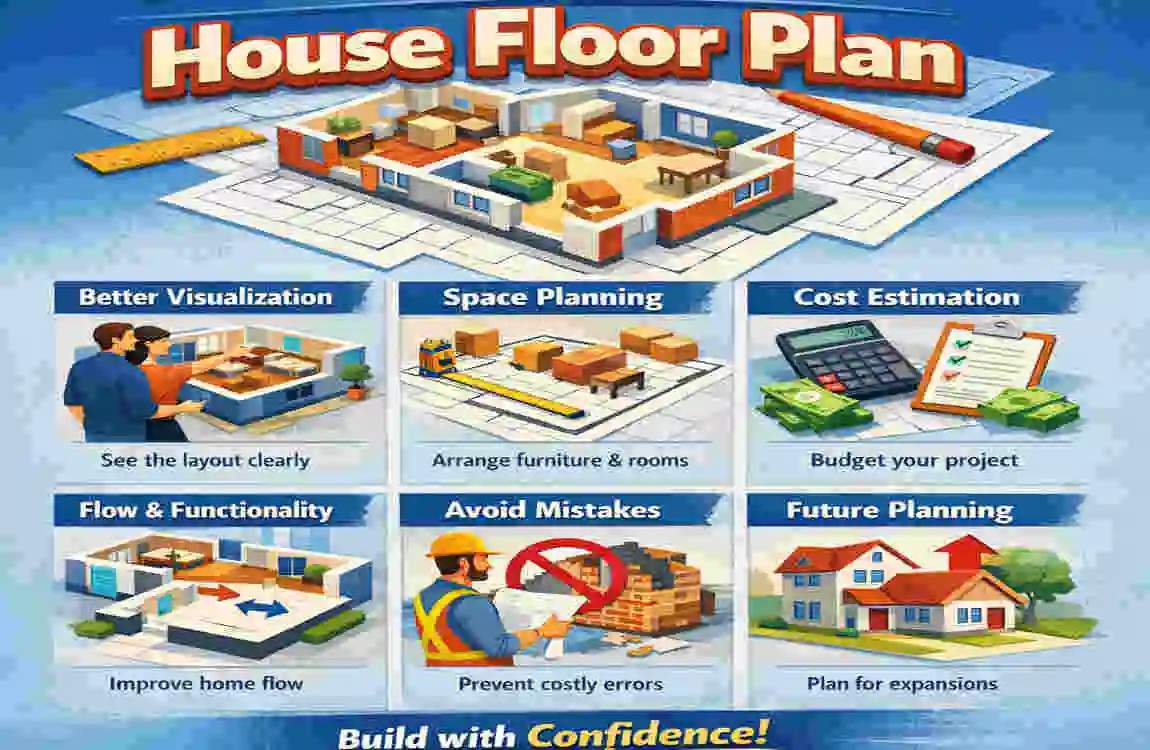
Before we jump into the methods, it helps to understand why a floor plan is worth your time.
A floor plan is more than just a drawing. It is a practical tool that helps you understand the shape and structure of a house. Whether your home is old or new, large or small, a clear layout can save you time, money, and stress.
Floor Plans Help With Selling Homes
If you are selling a home, a floor plan can strengthen your listing. Buyers want to know how the home flows. They want to see where the kitchen sits in relation to the living room, how large the bedrooms are, and whether the layout fits their lifestyle.
Many buyers skip listings that do not include this information. That is why a floor plan can make a property feel more complete and easier to trust.
Floor Plans Make Renovations Easier
If you are planning a remodel, a floor plan helps you avoid mistakes. You can test different ideas before you spend money on materials or labour. Want to move a wall? Add a bathroom? Open up the kitchen? A floor plan helps you see if it makes sense before construction begins.
That is a big reason homeowners use floor plans during kitchen upgrades, bathroom remodels, room additions, and whole-house redesigns.
Floor Plans Help With Insurance and Records
Sometimes you need a floor plan for practical reasons, not design reasons. Insurance companies may ask for home details after a claim. Local authorities may need plans for permits. Some homeowners also want a floor plan for their personal records, especially if the home is older or has changed over time.
Floor Plans Support Better Space Planning
A floor plan helps you think clearly about how your home works. You can figure out where to place furniture, how to improve traffic flow, and where to create more storage. If your home feels cramped or awkward, the layout might be the reason.
Common Myths About Floor Plans
A lot of people delay this project because of a few common myths:
- “Old houses do not have floor plans.”
- In many cases, they do. The plans may be in city records, permit files, or appraisal documents.
- “Floor plans are always expensive.”
- Not true. Some methods cost nothing at all.
- “I need to hire an architect right away.”
- Not always. You can start with free tools, records, or simple apps.
- “I need exact measurements before I begin.”
- Not for every method. Some tools let you estimate first and refine later.
Now that you know why a floor plan matters, let’s look at the best ways to get one.
Check Existing Property Records
One of the easiest places to start is your local property records. Many houses already have floor plans on file somewhere. You need to know where to look.
Where to Find Them
You can often find floor plans in places like:
- City hall
- County records offices
- Assessor’s office
- Building permit archives
- Municipal GIS portals
- Real estate appraisal files
If the home was built with permits, there is a good chance some version of the floor plan exists in public records. This is especially true for newer homes, but older homes may also have archived documents.
How to Search
Start by searching using the property address. If your city or county has an online portal, that is usually the fastest place to check. Some offices also let you search by parcel number or owner name.
If online searches do not help, visit the records office in person or call ahead to ask what documents they keep on file. You may need to request copies or pay a small fee.
What You Can Expect
This method is often the cheapest and sometimes the most accurate for the original home structure. If the house has not been heavily changed, the record may give you a strong starting point.
However, there is one catch: public records may not show later renovations. If the kitchen was expanded, a wall was removed, or a room was added, the old plan may be outdated.
Cost and Accuracy
The cost is usually $0 to $50, depending on copy fees or printing charges. In many cases, the first search is free.
Accuracy can be high for the original structure, but the plan may not reflect changes made after the original build.
Best For
This method works well if you:
- Own an older home
- Want a free starting point
- Need a basic layout quickly
- Do not need a highly polished drawing yet
If you are in a place, you may also be able to check local development authority records for permitted homes and building plans. The process can vary by area, but the idea is the same: start with official records before paying for anything else.
Use Free Online Floor plan Tools
If you want something fast and easy, free online floor plan tools are a great choice. These tools let you build a layout on your screen using simple drag-and-drop features. You can usually enter your room measurements, draw walls, add doors and windows, and export a finished plan.
Popular Free Tools
Some of the most common tools include:
- Floorplanner
- RoomSketcher
- Planner 5D
These tools are useful because they are simple enough for beginners yet still produce a professional-looking result.
How It Works
Most free tools follow the same basic process:
- Create an account.
- Start a new project.
- Enter your room dimensions.
- Draw the outer walls.
- Add rooms, doors, and windows.
- Place furniture if needed.
- Save or export the final plan.
You do not need to be a designer to use them. In fact, many homeowners learn the basics in one sitting.
Why People Like Free Tools
The biggest advantage is speed. You can build a floor plan in an hour or less, sometimes even faster if your home is simple. These tools also help you visualise the space in both 2D and 3D, making it easier to understand the home’s flow.
They are especially helpful if you want to compare different layouts before making a decision.
Main Limitations
Free tools are convenient, but they are not perfect. The biggest issue is accuracy. If you enter rough measurements, the final result will only be as good as your data. Also, free versions often include limited features, watermarks, or export restrictions.
Still, for many homeowners, that is not a deal-breaker. A clear visual layout is often enough for planning furniture, discussing ideas, or showing a contractor what you want.
Step-by-Step Tutorial Table
StepActionTool Tip
1 Measure rooms. Use a laser measurer for better precision
2 Input data : Start with the outer walls first
3 Add rooms and openings. Mark doors, windows, and hallways carefully
4 Review layout. Compare the drawing with your home
5 Export PDF. Add furniture if you want a more realistic look
Sample Use Case
Imagine you want a quick 2D plan of a three-bedroom home. You measure the living room, bedrooms, kitchen, and hallways, then enter those numbers into a free tool. Within minutes, you have a clean layout that shows how everything connects.
That simple output can be enough to guide a furniture arrangement or start a renovation conversation.
Cost and Accuracy
Most free tools offer a free tier, and paid upgrades usually cost $0 to $10 or more per month. Accuracy is good for visual planning, but if you need plans for permits or construction, you may want professional help later.
Best For
This method is ideal if you want:
- A fast DIY option
- A visual guide for planning
- Something simple and affordable
- A starting point before hiring a pro
Hire an Architect or Drafter
If your house is complex, has had several changes, or needs a floor plan for construction or permit work, hiring an architect or drafter is one of the best options.
When This Makes Sense
You should consider a professional if:
- You are doing a major remodel
- You need permit-ready drawings
- Your home has a complicated layout
- You want a highly accurate plan
- You need a stamped plan for official use
This is the most professional route, but it is also the most expensive.
What the Process Looks Like
The process usually starts with a consultation. You explain what you need, and the professional may visit the home to take measurements. Then they create a draft using design software, often a CAD program.
Depending on the project, revisions may happen before the final version is finished.
Most simple projects take 2 to 4 weeks, though larger or more detailed jobs may take longer.
Why Professional Plans Are Valuable
A professional floor plan is usually more accurate than a DIY version. It can include structural details, updated measurements, and the layout required for permit work. If you are planning a serious renovation, that level of detail can help you avoid costly mistakes.
Cost Breakdown
For a typical home, pricing may be around $0.50 to $2.50 per square foot. For a 2,000-square-foot house, that could mean somewhere around $500 to $2,500, depending on complexity, location, and the scope of work.
Pros and Cons
Pros:
- High accuracy
- Professional quality
- Good for permits
- Helpful for complex projects
Cons:
- More expensive
- Takes longer
- May involve revisions and appointments
Where to Find One
You can find architects, drafters, or design professionals through local directories, design associations, or contractor referrals. If you already work with a home design company, ask whether they offer custom floor plan services as part of their package.
Ask a Real Estate Agent or Appraiser
Sometimes the easiest solution is already in the hands of someone who works with houses every day. Real estate agents and appraisers often have access to floor plan sketches or layout documents.
Real Estate Agents
If a home is listed for sale, the agent may already have a plan in place. In many cases, they can provide a layout as part of the listing package. This is especially common with larger homes, luxury listings, or homes that have been professionally marketed.
If you are selling your own home, ask the listing agent whether they can provide a floor plan or help you create one.
Appraisers
Appraisers often create basic sketches of the property when they evaluate it. These sketches are not always detailed design drawings, but they can be very useful for understanding the structure and room sizes.
Appraisal sketches are often more technical than marketing layouts, making them a strong reference point.
Costs
In some cases, this information is included in the service you already paid for. If you need an appraiser to create or update a sketch, the cost may fall around $300 to $500 or more, depending on the property.
Best For
This method is useful if you need:
- A quick layout for an existing home
- A plan related to a sale or appraisal
- Basic room information without starting from scratch
Limitations
The main downside is that these plans are often designed for valuation or marketing, not for construction. That means they may not include every detail you need for a remodel or permit application.
Even so, they can be a smart shortcut when time matters.
Use Smartphone Apps for Quick Sketches
If you like doing things on your phone, you may prefer a mobile app that creates floor plans for you. These apps can scan your rooms, help you trace walls, and create a rough layout in a short time.
Common Apps
A few well-known options include:
- MagicPlan
- Home Design 3D
These apps are designed for people who want a quick, practical tool without using a desktop program.
How They Work
Many of these apps use your phone’s camera or augmented reality features to detect the shape and dimensions of the room. You walk around the space, scan the walls, and let the app create a draft.
This can be surprisingly fast, especially in simple rooms.
Why People Choose Apps
The main benefit is convenience. You already have your phone, so you can start measuring and sketching on the spot. That makes apps great for homeowners who want a rough plan while standing inside the house.
They are also handy for comparing multiple rooms or sketching a home during a walkthrough.
Limitations
Apps are helpful, but they are not always exact. Furniture, lighting, room shape, and camera position can affect the result. If the layout requires high accuracy, you should verify the numbers manually.
Cost
Many apps offer a free version, with paid plans ranging from free to around $10 per month.
Best For
This option works well if you want:
- A fast mobile solution
- A rough layout for planning
- A tool you can use anywhere
- A low-cost way to start
Method 6: Use Advanced Design Software
If you are more comfortable with design tools, advanced software can give you a much more detailed floor plan. These programs are often used by architects, designers, and experienced DIY users.
Common Software Options
Popular tools in this category include:
- AutoCAD
- SketchUp
These programs are powerful, but they come with a learning curve. You may need time to learn the controls, shortcuts, and layout tools.
Why Use Advanced Software
The biggest reason is control. You can create more precise drawings, add dimensions, adjust structural details, and build complex layouts. If you want a plan that looks professional and gives you more flexibility, this is a strong option.
When It Is Worth It
This makes sense if you:
- Enjoy technical design work
- Need a detailed plan for future projects
- Want to build floor plans regularly
- Need advanced customization
Downsides
The learning curve can be steep. If you only need one simple floor plan, this method may feel like too much work. Still, for people who want detailed control, it can be very rewarding.
Method 7: Create a Simple Hand-Drawn plan First
Sometimes the fastest way to begin is the old-fashioned way: a pen, paper, and a tape measure. A hand-drawn sketch is not fancy, but it can be a very useful first step.
Why a Simple Sketch Helps
You do not need perfect drawing skills. You only need a rough outline of the home’s shape, rooms, doors, and windows. That sketch can later be turned into a cleaner digital version with a tool or professional service.
Best Use Cases
A hand sketch works well when you:
- Want to organise your thoughts
- Need a starting point for a designer
- Are you comparing layout ideas
- Do not have the software available yet
Keep It Simple
Focus on the main elements first:
- Outer walls
- Room names
- Door locations
- Window locations
- Major fixtures like stairs or built-ins
You can improve the drawing later.
Comparing Your Floor plan Options
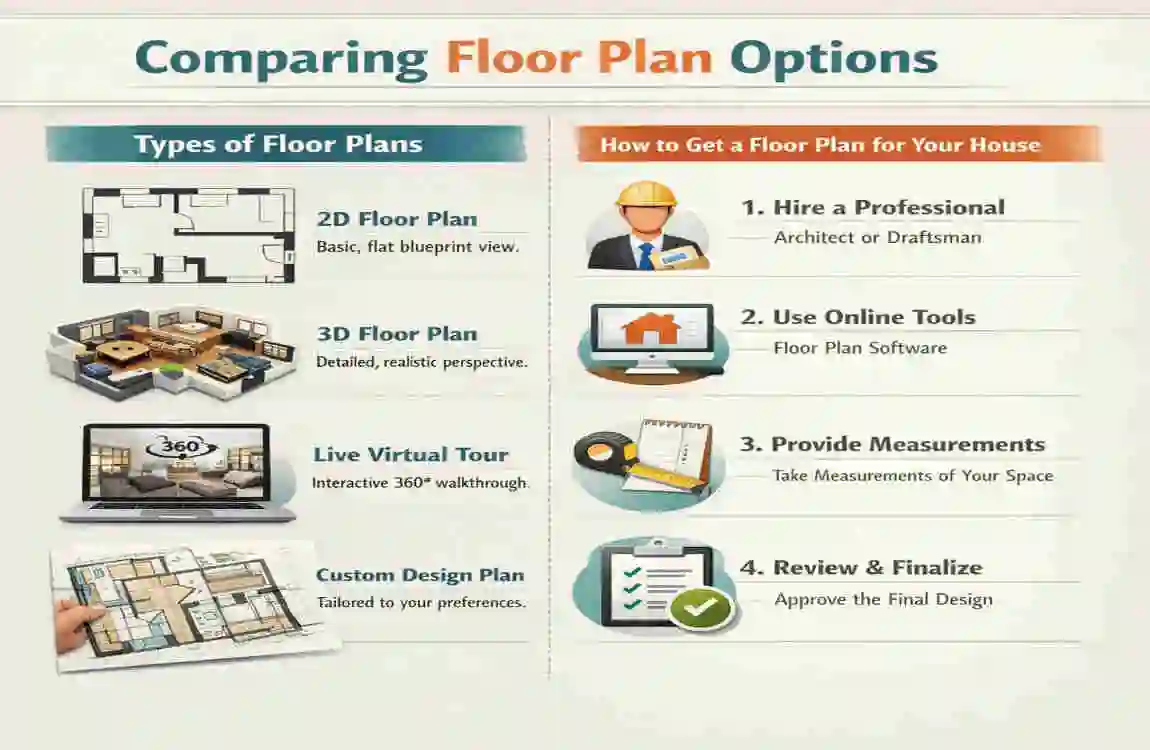
With so many choices, it helps to compare them side by side.
Method Cost Time Accuracy Best For
Property Records Free to low cost 1 day High for original build Older homes
Free Online Tools $0 to low monthly cost About 1 hour Medium Quick DIY planning
Architect/Drafter $500+ 2 to 4 weeks Expert Remodels and permits
Real Estate/Appraisal Often free to moderate Fast Good for existing homes Sales and valuations
Smartphone Apps are free or have a low monthly cost for 30 minutes. Good for rough layouts, mobile users
Advanced Software varies depending on skill. Very high Pros and advanced DIY
Hand Sketch Free 15 to 30 minutes Low to medium Starting point
How to Choose the Right Method
The best method depends on your goal.
If You Want the Cheapest Option
Start with property records or a hand sketch. These options cost very little and can give you a basic framework.
If You Want Speed
Use a free online tool or a smartphone app. These are the fastest ways to get something visual right away.
If You Need Accuracy
Hire an architect, drafter, or experienced design professional. That is the best choice for permits, remodels, and construction work.
If You Are Selling Your Home
Ask your real estate agent if a plan already exists. A floor plan can make your listing stronger and more appealing.
If You Need a plan for Personal Use
A DIY digital tool may be enough. You may not need a fully stamped plan if you are only planning furniture or testing room flow.
Costs and Budgeting Tips
The cost of getting a floor plan can vary a lot, but you do not need to spend a fortune in every case.
Typical Cost Range
Here is a general breakdown:
- Free to $50: Property records, basic copies, simple sketches
- $0 to $10 per month: Free tools or mobile apps with paid upgrades
- $300 to $500: Appraisers or simple professional sketches
- $500 to $2,500+: Architects, drafters, and custom plans
For many homeowners, the best approach is to combine methods. For example, you can pull a record copy first, refine it in an online tool, and hire a professional only if the project becomes more complex.
Ways to Save Money
- Start with public records
- Measure the home yourself
- Use a free online tool first
- Ask your realtor if they already have a plan
- Only pay for professional drafting when the project really needs it
Do Not Forget Permit Costs
If you are using a floor plan for renovation or construction, permits may add extra expense. Depending on your area, permit fees may start at around $200 and go up from there.
A clear floor plan can help reduce delays, but it does not replace local approval requirements.
Legal and Privacy Considerations
It is easy to focus only on design, but legal details matter too.
Who owns the Floor plan?
In many cases, the person or company that created the plan may own the rights to it unless the contract says otherwise. That is especially true for professional architectural drawings.
If you hire someone, ask whether you are allowed to reuse the plan later, share it, or modify it.
Can You Share It?
For personal use, yes, usually. But if the plan is tied to a listing, a permit, or a protected design, be careful about sharing it publicly.
If you are using the plan for marketing or sales, it may be wise to keep it clean and accurate, and avoid making claims that the layout has been fully updated if it has not.
Local Rules Matter
Every area has its own building rules and privacy expectations. If you are working in Pakistan, for example, local building codes and authority rules may apply. The same is true in many other countries and cities.
When in doubt, check the local rules before submitting or publishing a floor plan.
Expert Tips for the Perfect Floor plan
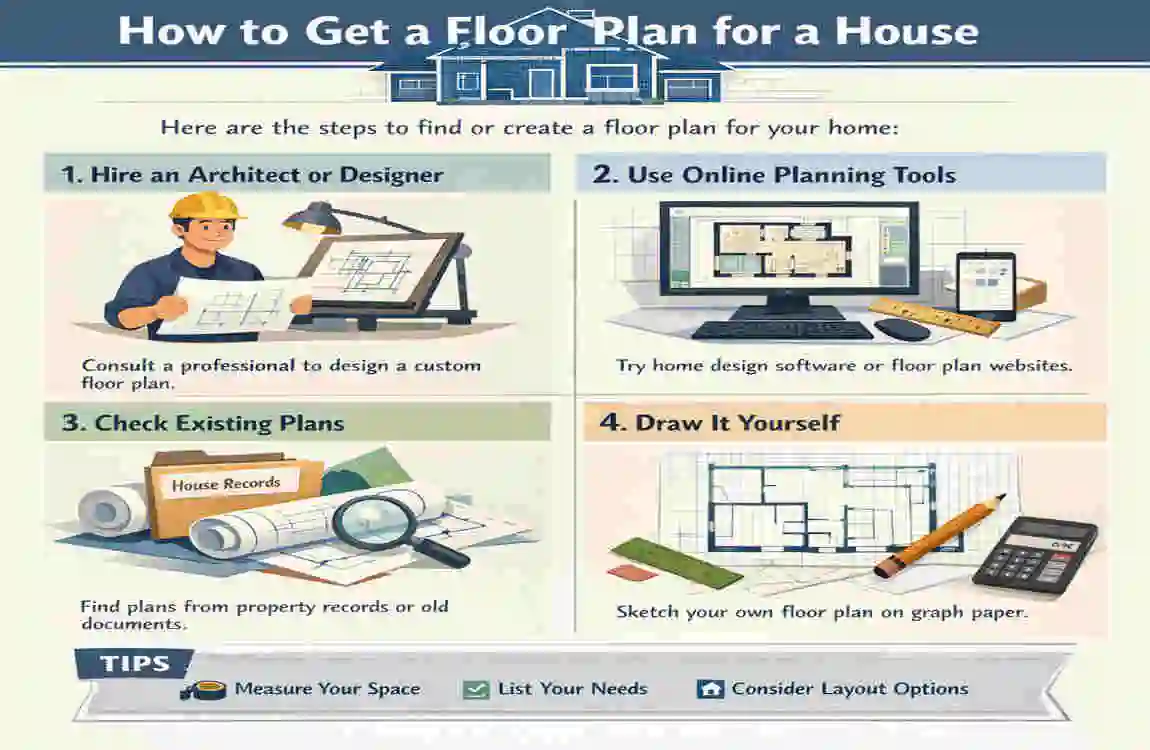
A good floor plan is not just about drawing lines. It is about making the space easy to understand.
Measure Carefully
Always measure more than once. Check walls, openings, ceilings, and major fixtures. If you miss a doorway or window, the whole layout can feel off.
Use the Right Scale
A standard scale, such as 1/4 inch = 1 foot, is common in many printed plans. If you are using software, make sure the measurement settings are consistent from start to finish.
Include the Important Details
Even a simple floor plan should show:
- Doors
- Windows
- Hallways
- Stairs
- Bathrooms
- Kitchens
- Built-in features
These details help people understand how the home functions.
Think About Modern Design Trends
In 2026, many homeowners want:
- Open-concept layouts
- Multi-use spaces
- Better storage zones
- Smart home areas
- Flexible rooms for work and family life
If you are creating a new floor plan, think about how your home will be used today, not just how it was used in the past.
A Helpful Reminder
A home expert once put it this way: “Accurate plans prevent most renovation errors before they start.”
That is worth remembering. A little time spent on the floor plan can save you a lot of stress later.
FAQs About Getting a Floor plan for a House
How can I get a floor plan for a house without measurements?
You can still get started using property records, a real estate agent, or a smartphone app with room-scanning features. If exact measurements are missing, an app can help you estimate the layout. Later, you can refine it with manual measurements if needed.
Are free floor plans accurate?
Free floor plans are usually good for visual planning, but they may not be perfect enough for construction or permit work. If you need a floor plan for building or legal use, a professional draft is the safer choice.
How much does it cost to draw a floor plan?
The cost can range widely. A simple DIY version may cost nothing, while a professional plan may range from $200 to $2,000 or more, depending on the size and complexity of the house.
Can I get a free PDF of a house floor plan?
Yes, in many cases you can. Free floor plan tools often let you export or download a PDF version of your layout. Some public records may also provide printable copies.
What if I am renting the house?
If you rent, ask the landlord or property manager first. They may already have a plan. If not, you can make a basic sketch yourself or use a free tool for personal planning.
What is the easiest method for beginners?
For most beginners, the easiest methods are free online tools or smartphone apps. They are simple to use, quick to learn, and good for rough planning.
Which method is best for home renovations?
If your renovation is simple, a free tool may be enough. If the project is large, structural, or permit-related, hire an architect or drafter. That gives you more accuracy and fewer mistakes later.
Do I need a professional floor plan for selling a home?
Not always, but it helps. A polished floor plan can improve your listing and make it easier for buyers to understand the property. Many sellers find that it adds value to the presentation.
Can I make a floor plan myself?
Yes, absolutely. Many homeowners make their own plans using record copies, apps, or online tools. You do not need design training to create a useful basic floor plan.