
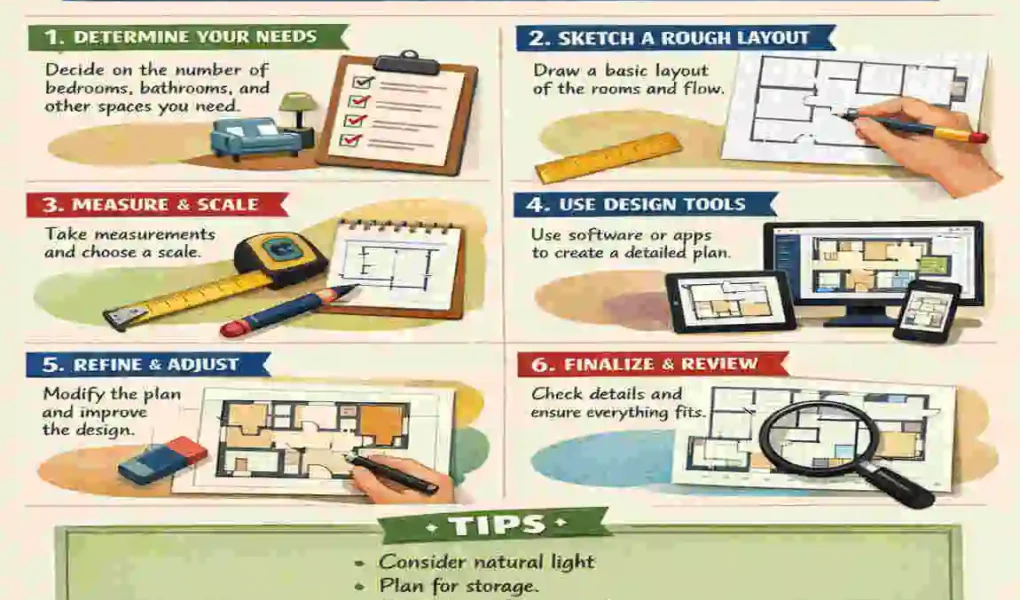
Designing your own house floor plans can be one of the most rewarding experiences for any homeowner. Imagine this: you’re no longer bound by cookie-cutter layouts or paying hefty architectural fees. Instead, you have complete control over every square inch of your dream home. Sounds exciting, right? In 2026, this trend is growing rapidly, especially in places where rising real estate costs have made homeowners more eager to explore personalised solutions.
Why is this so popular now? Thanks to advanced free design tools and greater awareness about home customisation, anyone can create a functional, aesthetic, and tailor-made home design.
Why You Should Design Your Own House Floor Plans
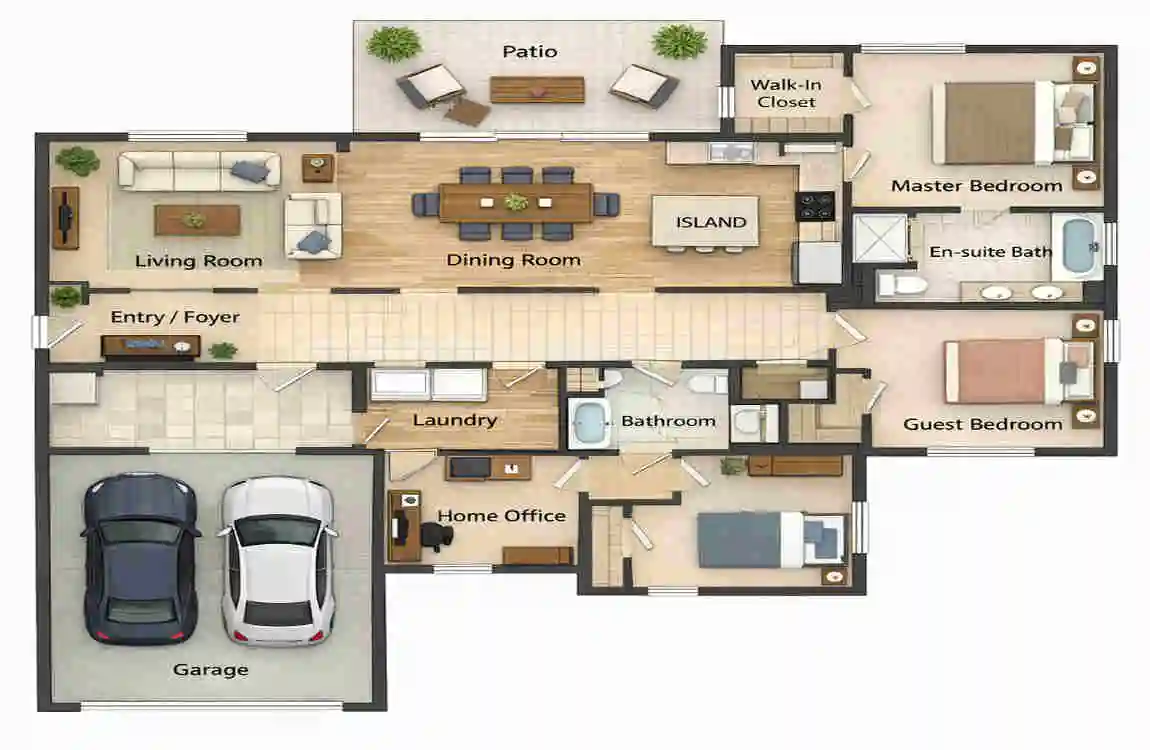
Designing your own house floor plan isn’t just about saving money (though you’ll save 20-30% on design fees). It’s about creating a home that tells your story, reflects your personality, and serves your family’s lifestyle. Here are a few reasons why this trend has gained traction:
- Cost Savings: You can significantly reduce architectural fees and focus more on construction quality.
- Personalisation: Your design reflects your unique needs, whether that’s a home office, a large kitchen for entertaining, or future-proof accessibility.
- Empowerment: With free software and online tutorials, anyone can create professional-quality floor plans.
So, let’s break it down into manageable steps to help you get started.
Assess Your Needs and Goals
Before you draw a single line, you need to take a hard look at your lifestyle and space requirements. What do you love—or hate—about your current home? What does your dream home need to include?
Conduct a Lifestyle Audit
Think about how your family uses space every day. Do you need a home office? A playroom for kids? An open kitchen to host family dinners? Make a list of must-haves versus nice-to-haves.
Checklist of Key Factors
Here’s a handy table to help you organise your thoughts:
Factor Questions to Ask
Family Needs : How many bedrooms? Do you need guest rooms? Kids or pets?
Budget What’s your budget per square foot? Any local cost constraints?
Lot Size What’s the maximum buildable area? Are there shape constraints?
Start with Bubble Diagrams
Before jumping into detailed design, create a simple bubble diagram to map out the flow of your house. For instance, place the kitchen near the dining area, and keep private areas like bedrooms away from noisy communal spaces.
Research Building Regulations
Did you know that ignoring local building laws can cost you time and money? Before designing your house, familiarise yourself with municipal regulations to avoid costly redesigns later.
Why It’s Important
Building regulations guide everything from how close your house can be to the property boundary to height restrictions. For instance, in Lahore, the Punjab Building Code mandates a 10-foot setback for residential properties.
Steps to Research Regulations
- Visit your local building authority’s website or office.
- Consult with a professional architect or contractor if needed.
- Create a list of rules that apply to your specific lot.
Here’s a quick overview of common regulations:
LocationKey Rules
Lahore, PK 10-ft setbacks, 2-story maximum height
Global Zoning laws for lot coverage percentages
Remember: Before you design your own house floor plans, ensure they comply with these guidelines to avoid legal issues.
Sketch a Basic Layout
Now it’s time to bring your ideas to life with a rough sketch. Don’t worry—you don’t need to be an artist for this step.
Drawing Basics
Start by outlining the exterior walls on graph paper or using a free digital tool. Measure and scale everything accurately. Add doors, windows, and structural elements like columns.
Sub-Steps for Layout Planning
- Outline Walls: Use accurate wall dimensions.
- Insert Openings: Add doors and windows. For example, standard door sizes are 3 ft by 7 ft.
- Plan for Stairs: If your house has multiple floors, include stairs in your design.
Here’s an example of before-and-after sketches that show how a basic outline can evolve into a detailed floor plan.
Plan Your Rooms and Flow
A great floor plan isn’t just about rooms—it’s about how people move through the space. This is where you need to think practically.
Optimize Traffic Flow
Ensure hallways are at least 36 inches wide for comfortable movement. Position frequently used areas, such as the kitchen or living room, near the centrecentre of the home.
Room Size Guidelines
Here’s a table of ideal room sizes for a 3000 sq ft home:
Room Ideal Size Layout Tips
Kitchen 120 sq ft. Include an island for better workflow
Living Room 300 sq ft Open to outdoor spaces
Main Bedroom 200 sq ft. Add an en-suite bathroom for privacy
Furnish and Visualise Your Design
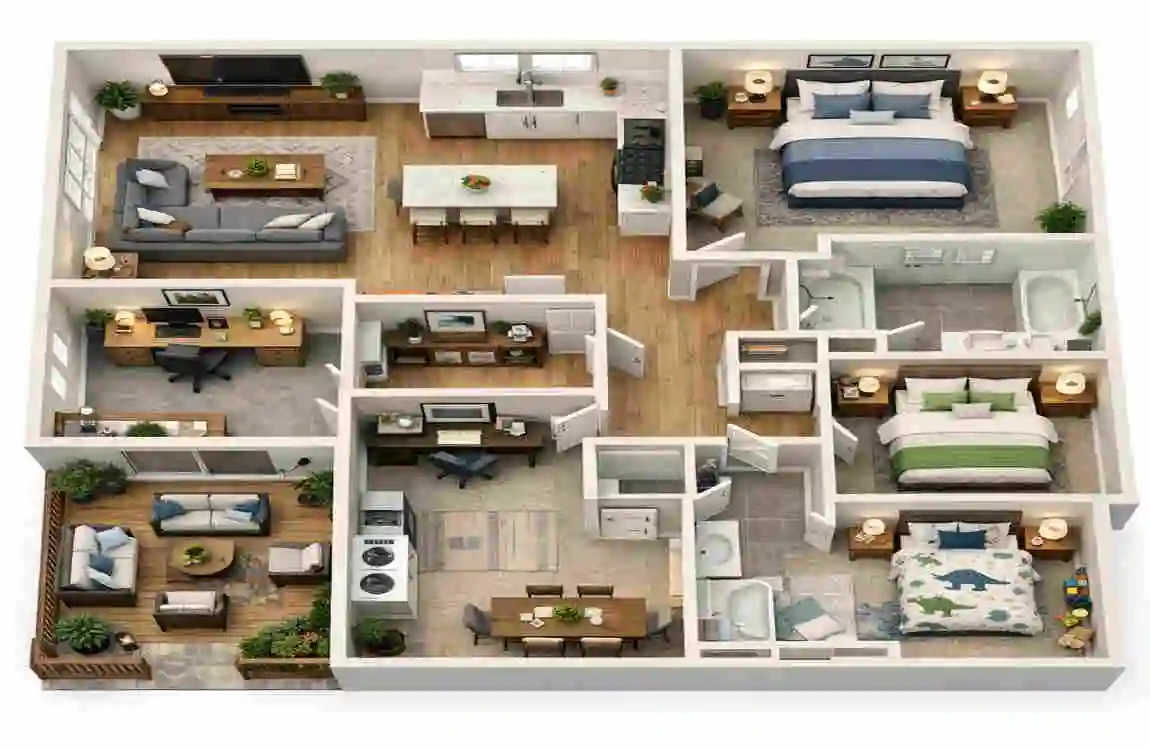
Once your layout is finalised, it’s time to make it look real. Adding furniture, flooring, and lighting will help you visualise how the space will feel.
Use 3D Tools
Software like HomeByMe and Planner5D allows you to drag and drop furniture, rotate items, and even test lighting effects. This step ensures that everything fits seamlessly.
Essential Tools for DIY Floor Plans
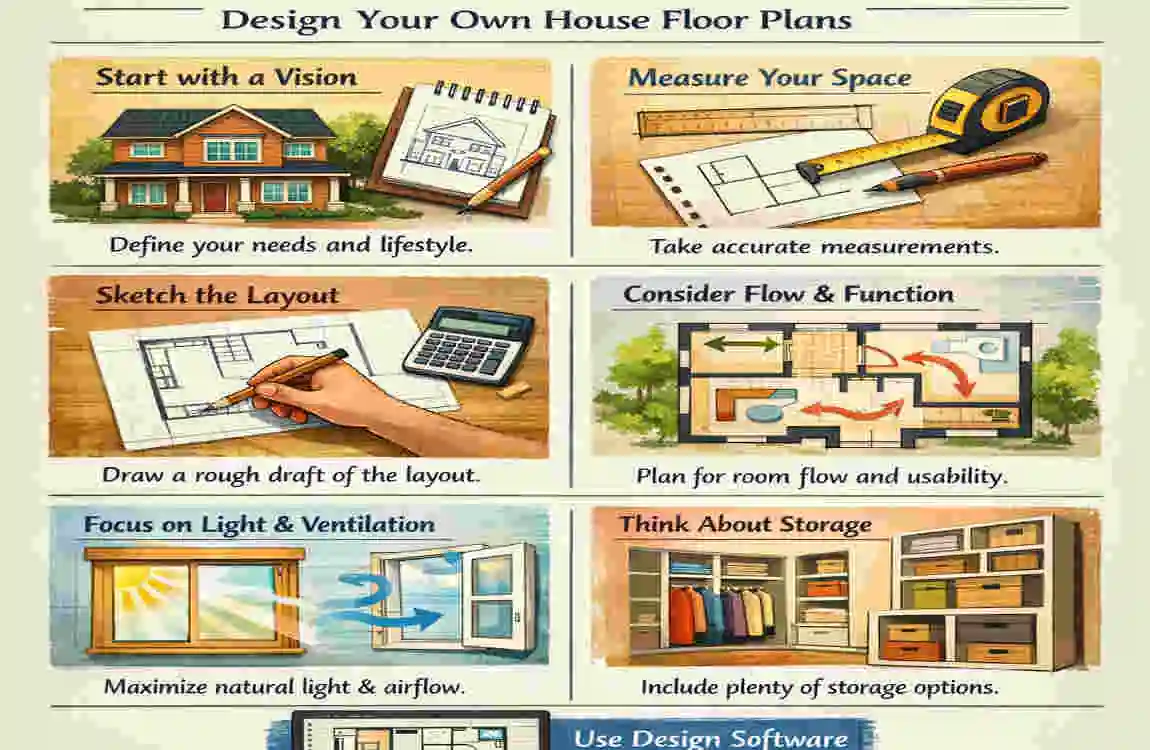
Here are some top tools to help you design like a pro, whether you’re a beginner or experienced:
ToolFree?Best For
HomeByMe Yes Beginners
Planner5D Freemium Mobile users
SmartDraw Yes Templates and automation
Common Mistakes to Avoid
- Ignoring Scale: Misjudging measurements can lead to cramped spaces.
- Poor Flow: Avoid designs where luxury rooms feel isolated from one another.
- Overlooking Utilities: plan for plumbing and electrical wiring early.
Quick Fixes:
- Measure twice before finalising.
- Simulate daily use scenarios.
- Budget a 10% buffer for unexpected changes.
FAQs
How long does it take to design floor plans?
It can take 1-2 weeks for a basic layout, depending on your experience.
Do I need paid tools?
No, free tools like HomeByMe are sufficient for most homeowners.
What’s the average cost to build from custom plans in Lahore?
Costs range from PKR 3,000 to 5,000 per square foot.
| Step | Action | Key Tips |
|---|---|---|
| Assess Needs | Evaluate family size, lifestyle, lot size | List must-have rooms (e.g., 3-bed + open kitchen); use bubble diagrams for flow. |
| Check Regulations | Review local building codes (e.g., setbacks in Lahore) | Verify zoning, height limits to avoid redesigns. |
| Sketch Outline | Draw exterior walls to scale on graph paper or apps | Measure accurately; add doors/windows (standard 3×7 ft). |
| Plan Rooms & Flow | Optimize traffic paths, room sizes | Master bed 14×16 ft; 36-inch hallways; prioritize natural light. |
| Visualize & Refine | Add furniture, test 3D with free tools like HomeByMe | Simulate daily use; fix poor flow or scale issues. |