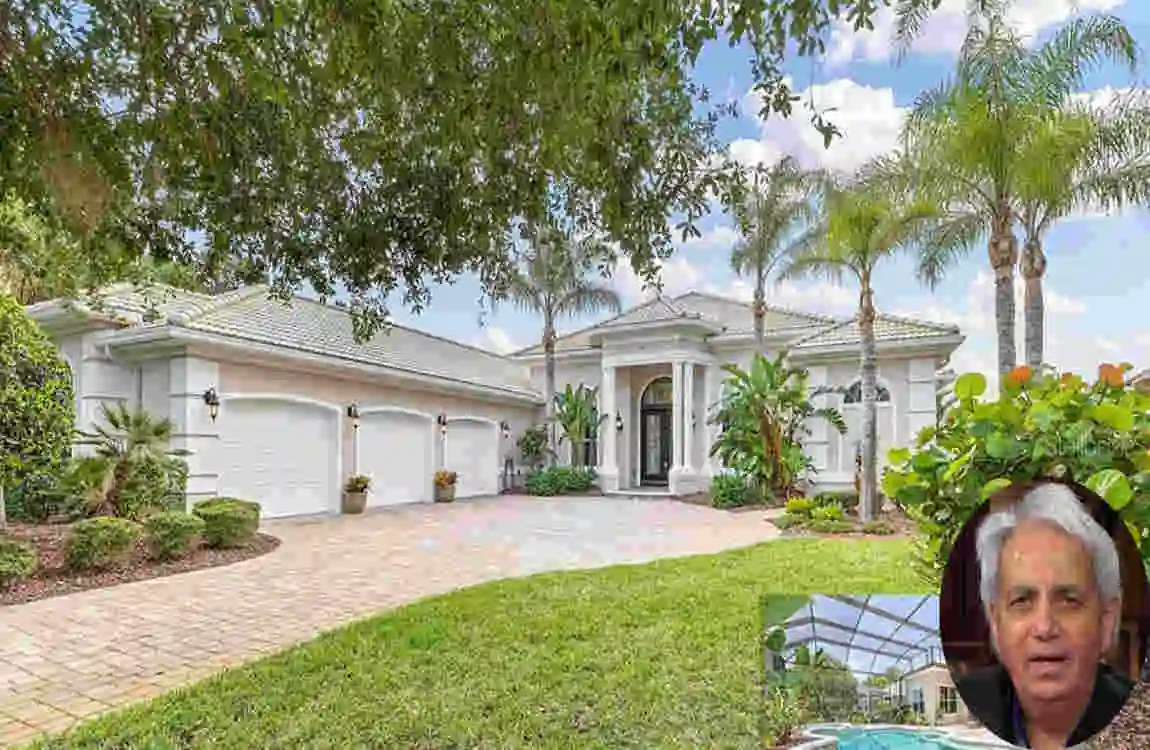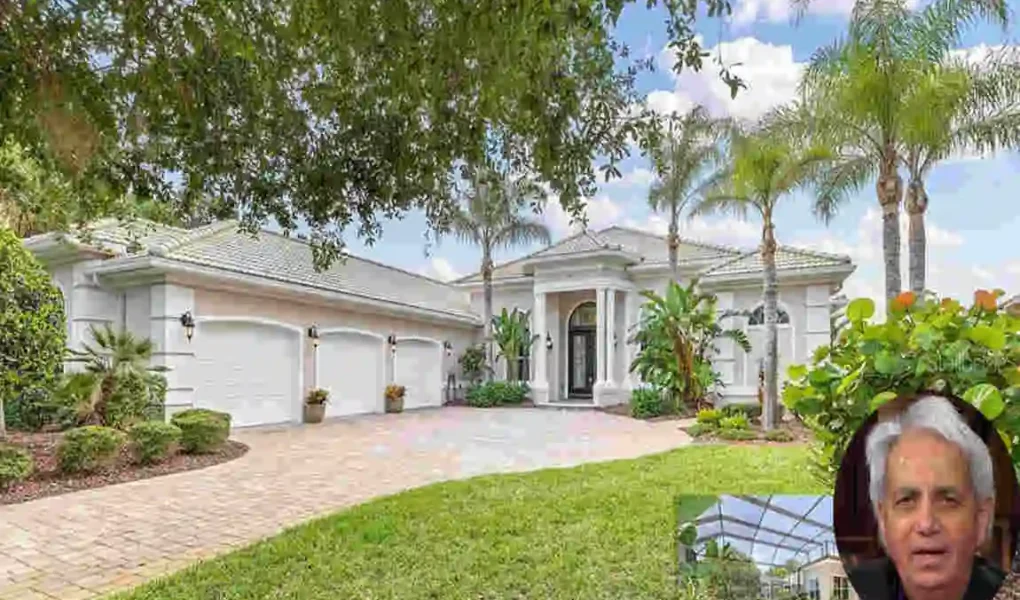
There is something about faith, fame, and fortune that always gets people talking. When a religious leader lives a highly public life, people naturally become curious about how that life looks behind closed doors. That curiosity grows even stronger when real estate enters the picture, because a home is never just a home in the public imagination. It can feel like a symbol of success, influence, values, and, sometimes, controversy.
That is exactly why Benny Hinn’s house has drawn so much attention over the years. For many people, the name Benny Hinn is tied not only to large-scale ministry work but also to questions about how prominent religious figures live, what kind of properties they own, and how those homes are used. The subject has appeared in media coverage, online discussions, and broader debates about wealth in ministry.
If you have ever wondered why Benny Hinn’s house keeps showing up in conversations about celebrity-style living, you are in the right place. Let’s walk through the story step by step.
History and Ownership
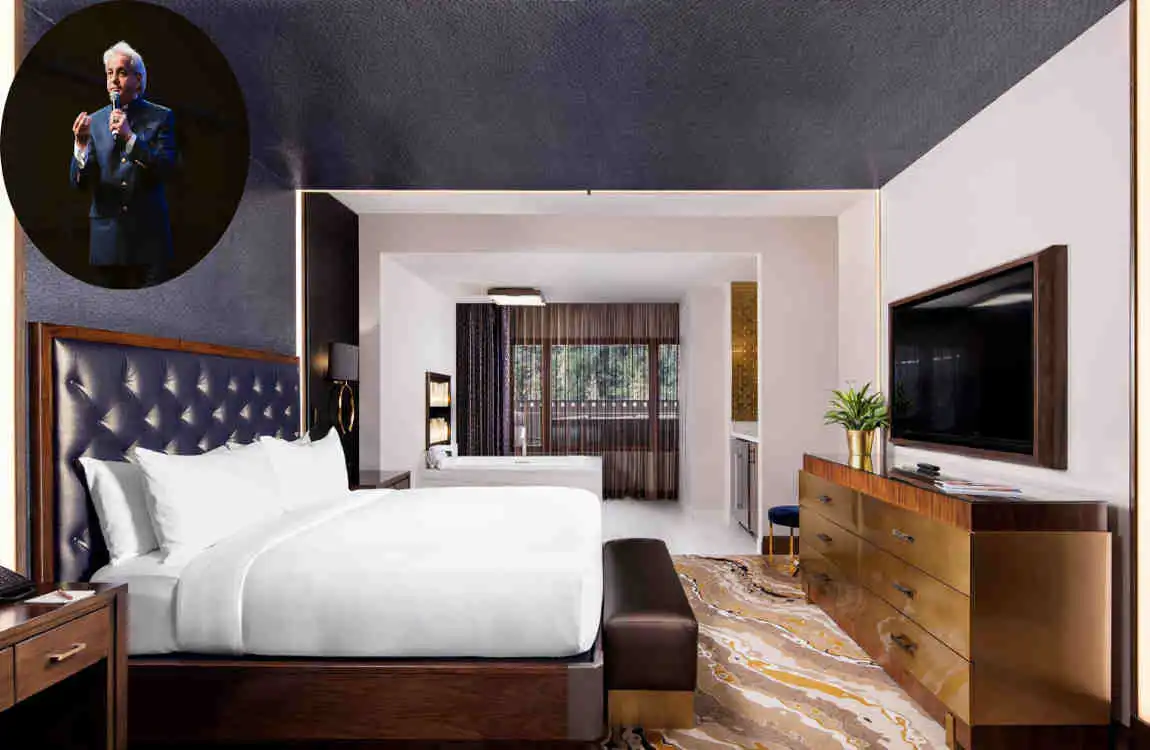
The Ministry uses the official explanation.
One of the most important aspects of the conversation about Benny Hinn’s house is how ministry representatives have described the property. Public statements have characterised it as a place for contemplation, study, and church-related entertainment. That explanation matters because it tries to place the residence within a ministry framework rather than a purely personal one.
In religious organisations, property use can be much more complex than it appears on the surface. A house may serve as a residence, but it can also serve as a meeting place, a retreat location, or a setting for hospitality tied to church work. When a ministry says a property is used for those purposes, it is drawing a line between private luxury and functional ministry space.
That line, however, is not always easy for the public to accept at face value. When a large and expensive house is involved, many people still focus on the visible scale rather than the stated purpose. In other words, the explanation may be sincere, but it does not automatically settle the debate.
This is where the conversation becomes larger than one home. It becomes a question about how religious leaders define ministry use, how those definitions are interpreted, and how much transparency is expected when high-value assets are involved.
The reported trust transfer
A major part of the property‘s history involves the reported 2013 transfer of the home to a trust. Property transfers like this often attract attention because they can change how ownership is structured, how assets are managed, and how they are viewed publicly.
Trusts are common in many contexts, including estate planning and asset protection. In a ministry setting, however, they can become part of a much more sensitive conversation. People may ask whether the trust is meant to protect ministry assets, simplify legal arrangements, or separate personal and organisational interests.
The public discussion around Hinn’s property has often blended several themes: ministry finances, religious tax codes, and the role of boards or trustees in overseeing assets. That blend can make the story feel more complex than a simple home sale or transfer. It is not just about where someone lives. It is about who controls what, who benefits from it, and how clearly those arrangements are explained.
For ordinary readers, this part of the story can feel technical. But it is actually central to the larger debate. When a religious leader’s property is held through a trust or similar structure, people want to know whether the arrangement is a common governance practice or raises deeper concerns.
Continued use of the residence
Reports from 2020 indicated that Benny Hinn continued to use the residence even after changes to the organisational structure. That detail kept the property in public conversation, showing that the house was not merely an old chapter in a closed story. It remained active in some way.
Continued use matters because it affects perception. If a property were sold or fully detached from a person’s life, the debate would likely fade much faster. But when a residence is still in use, people keep asking what role it plays in daily and ministry life.
That ongoing interest also reflects how modern media works. Once a property becomes part of a public narrative, each new detail can restart the conversation. A change in ownership, a new filing, or a fresh report can all bring the house back into view.
In this case, the continued use of the Dana Point property helped keep Benny Hinn’s house from becoming just another old celebrity real estate story. Instead, it stayed tied to broader questions about stewardship, ministry purpose, and public accountability.
Why ownership structure matters
For many people, ownership structure sounds like a boring legal topic. But in stories like this, it is actually one of the most important parts. The way a house is owned can affect:
- Who legally controls the property
- How it is taxed or reported
- Whether it is tied to a person, a trust, or a ministry entity
- How the public interprets its purpose
These questions matter because religious leaders are often held to a higher standard of transparency. Followers want to know that assets are used responsibly. Critics want clear proof that the structure is fair and proper. Supporters want the facts to be understood in context.
That is why the ownership discussion around Benny Hinn’s property has never really been about only one house. It has always been about the larger system surrounding the house.
Broader Real Estate Portfolio

The Florida connection
While the Dana Point property gets the most attention, it is not the only home-related story connected to Benny Hinn. Reports also pointed to a Florida beach condo in Palm Coast, purchased around 2020. That detail widened the public picture and suggested that his real estate footprint extended beyond California.
A second property changes the narrative in subtle but important ways. It suggests mobility, a varied lifestyle, and possibly multiple bases of operation. For public observers, it also invites a fresh round of questions. Is this a personal retreat? Is it for family use? Is it ministry-related? Is it a pattern?
Florida properties often come with a very different atmosphere from Southern California homes. A beach condo can feel more compact and casual yet still carry a luxury appeal, depending on its location, amenities, and price point. When tied to a well-known religious leader, even a smaller property can draw media interest if people see it as part of a larger lifestyle pattern.
This is part of why Benny Hinn’s house story expands beyond a single address. The conversation becomes broader once multiple properties enter the picture.
Why vacation properties attract so much attention
Televangelists and ministry leaders owning vacation-style properties have long been a topic of public interest. There are several reasons for that.
First, people often expect religious leaders to live simply. That expectation is cultural, emotional, and spiritual all at once. So when a leader owns an upscale coastal house or a beach condo, it can feel surprising, even if the arrangement is legal and properly structured.
Second, a vacation property seems to represent pleasure, escape, and comfort. Those qualities can sit awkwardly alongside a ministry identity, especially if the public believes a leader should model modesty.
Third, these properties are easy for media outlets and audiences to understand visually. A luxury home by the water needs little explanation. It instantly tells a story, and that story can be framed in many different ways.
This is why vacation real estate tied to faith leaders repeatedly makes headlines. It is not only about the property itself. It is about the emotional reaction it triggers.
Comparing his lifestyle with that of other ministry leaders
Benny Hinn is not alone in being discussed alongside questions of wealth, homes, and ministry finances. Across the world, many large ministry leaders live in ways that are publicly visible and sometimes controversial. Some keep a low profile. Others embrace a high-profile lifestyle that includes luxury homes, travel, and prominent public appearances.
What makes comparisons interesting is that they often reveal the tension between message and image. A leader may preach humility while living in comfort. A ministry may emphasise outreach while also maintaining high-value assets. For supporters, this can be seen as practical and justified. For critics, it can feel contradictory.
Benny Hinn’s case reflects that broader tension. His housing story sits inside a larger conversation about how modern ministries operate, how they are funded, and how their leaders are expected to live. In that sense, Benny Hinn’s house is not just about one man. It is about a wider pattern in religious celebrity culture.
What his real estate tells us
A real estate portfolio can say a lot about a public figure. It can suggest stability, reach, strategic planning, or personal comfort. In a ministry setting, it can also indicate how the organisation views hospitality, travel, and administrative support.
But real estate can also be misleading when it is viewed without context. A valuable home does not automatically prove misuse. At the same time, an official explanation does not always end public concern. That is why the discussion remains alive.
In Benny Hinn’s case, the homes associated with him have become part of his public identity. Whether people approve of them, criticise them, or simply find them interesting, they help shape how he is seen.
Public and Media Discourse
How the media framed the story
Media coverage has played a major role in keeping Benny Hinn’s house in the public eye. Programs like Inside Edition and other outlets have historically examined the contrast between religious messaging and reported luxury living. That contrast is what makes the story so sticky.
When media outlets cover a high-profile religious leader’s home, they are rarely just reporting square footage or a market value. They also tell a story about lifestyle, accountability, and public expectations. That means the framing matters as much as the facts.
If the home is presented as a ministry residence, it sounds practical. If it is presented as a luxury estate, it sounds extravagant. If the coverage highlights both, the audience is left to decide which interpretation feels more believable.
This kind of reporting is powerful because it taps into a deep public question: How should faith and wealth coexist? The answer is different for every viewer, but the question itself keeps the topic alive.
Modesty claims versus visible wealth
One of the recurring themes in the public conversation has been the tension between claims of modesty and the reality of high real estate prices. This is not just a Benny Hinn issue. It appears in many religious and celebrity contexts. Still, his case has been particularly visible because the home itself is so easy to talk about.
People often want consistency. If a religious leader speaks about sacrifice, service, and humility, they expect the lifestyle to reflect those values. When the lifestyle appears luxurious, the audience may feel that something is out of place.
At the same time, supporters may argue that a comfortable home does not automatically conflict with sincere ministry. They may point out that hosting, meeting, and ministry work sometimes require a certain level of space and quality.
Both perspectives exist for a reason. That is why the discussion never fully disappears. It is not really about the house alone. It is about what the house seems to represent.
The role of transparency
In modern ministry, financial transparency and board governance matter more than ever. People want to know who oversees large assets, how decisions are made, and what safeguards are in place. This is especially true when a ministry leader has a public following and access to significant resources.
Transparency helps reduce suspicion. It gives followers a clearer picture of how money, property, and organisational authority are managed. Without it, rumours and criticism can fill the gap.
For leaders like Benny Hinn, this means that real estate is never just a private matter once it enters the public sphere. Even if a property is owned legally and used appropriately, the public still expects some explanation. That expectation is now part of the environment in which ministries operate.
And in the age of instant media, the demand for clarity is even stronger. A property that once might have been seen as a private family matter can quickly become part of a national conversation.
Why audiences are fascinated by luxury homes
There is also a simpler reason Benny Hinn’s house attracts attention: people love looking at luxury homes. Even when they do not approve of the lifestyle, they are still curious about it.
Homes tell stories about taste, comfort, privacy, and aspiration. For a religious leader, they also tell a story about values. That extra layer makes the property more interesting than a typical celebrity home.
The public is often drawn to contrast. A preacher in a mansion, a pastor in a beach house, or a ministry leader in a coastal estate creates a vivid mental image. People compare that image with what they think the leader should live like. That comparison fuels clicks, comments, and long-lasting interest.
So while the house itself is important, the emotional response it triggers may matter even more.
Architectural and Coastal Appeal
The style of high-end California coastal living
Even setting aside all controversy, the Dana Point residence fits neatly into the broader style of California coastal luxury. That style usually emphasises open views, bright interiors, natural light, and a strong connection to the outdoors. It is designed to make the most of the coastal environment.
Homes in this category often feel calm and elegant rather than overly formal. They may use soft colour palettes, large windows, wide living spaces, and outdoor areas meant for relaxation or entertaining. The goal is often to make the ocean or coastal atmosphere feel like part of the home itself.
That design language is appealing because it blends comfort with sophistication. It is easy to imagine why a property like this would be desirable. It offers privacy, beauty, and a setting that feels both peaceful and prestigious.
For a public figure, that kind of home can also serve a practical purpose. It can provide a quiet place away from crowds, a space for guests, or a setting for retreat-style gatherings. In that sense, the architecture and the setting work together.
Why Dana Point stands out
Dana Point has a special status in Southern California real estate. It is coastal, upscale, and known for a polished yet relaxed lifestyle. People are drawn to it because it offers beach access, scenic views, and a strong sense of exclusivity.
That combination matters a lot. A luxury home in a random location is one thing. A luxury home in a highly desirable coastal city is another. The location adds prestige, and prestige adds to the public fascination.
For many readers, Dana Point may also feel like the perfect place for a retreat home. It is the kind of location where the environment itself seems restorative. That helps explain why a residence there would become part of a story about contemplation, reflection, and hospitality.
Of course, not everyone sees it that way. Some people focus less on the setting and more on the symbolism. But even those critics would likely admit that the area is stunning and undeniably appealing.
Visual appeal and image placeholders
A home story like this works especially well when broken up with visuals. In a blog format, you could place images of California coastal homes, ocean-view terraces, elegant exterior facades, or warm modern interiors throughout the article.
Those images help readers pause, imagine the setting, and stay engaged with the topic. They also make the article feel more polished and easier to scan.
If you are building this into a publication-ready post, these are the kinds of visuals that would fit naturally:
- A wide exterior shot of a coastal luxury estate
- A modern living room with ocean-facing windows
- A sunset view of Dana Point’s shoreline
- A tasteful interior hallway or terrace with clean architectural lines
Used well, visuals can make the story feel more immersive without distracting from the writing.
What Benny Hinn’s House Represents
More than a property
At this point, it should be clear that Benny Hinn’s house is more than a real estate listing. It represents a larger cultural conversation about religion, money, visibility, and public trust.
For supporters, the house may simply be part of a ministry life that requires space, hospitality, and comfort. For critics, it may symbolise a troubling disconnect between spiritual teaching and material wealth. For neutral observers, it may be just a fascinating example of how public life and private life collide.
The interesting thing is that all three responses can coexist. That is what makes the story durable. It contains enough ambiguity to keep people talking.
The power of symbols
A house can become a symbol very quickly when the owner is famous. Once that happens, the building is no longer just bricks, wood, and furniture. It becomes a shorthand for bigger ideas.
In this case, the ideas include:
- Faith and success
- Ministry and money
- Public image and private life
- Transparency and trust
- Comfort and criticism
That symbolic power is why people remember the property even if they do not remember every legal or financial detail. The house becomes a visual summary of the larger debate.
Why does the discussion keep returning
The conversation around Benny Hinn’s real estate keeps coming up because the underlying issues are not going away. People still care about how leaders live. They still ask whether ministry assets are being used responsibly. They still want to know where the line is between practical support and personal luxury.
As long as those questions remain alive, Benny Hinn’s house will continue to attract interest.
FAQ
How many houses does Benny Hinn own?
Public discussion has pointed to more than one property linked to him, including the well-known Dana Point residence and a reported Florida condo. The exact count can depend on ownership structures, trusts, and how different properties are classified.
Is Benny Hinn’s house in Dana Point currently for sale?
Based on the public discussion included in this outline, the Dana Point house is generally discussed as an active residence rather than a clearly advertised sale property. If you want to confirm the current listing status, that would require a fresh property check.
Who owns the properties used by Benny Hinn Ministries?
The properties are described in public reports as being connected to trusts or ministry-related ownership structures. That is one reason the discussion often centres on governance, tax treatment, and oversight rather than only on the house itself.
Where Does Benny Hinn’s Currently Live?
Benny Hinn currently lives primarily in Florida, where he and his wife were living separately as of a 2024 report related to their divorce filing.
Benny Hinn’s House Photos