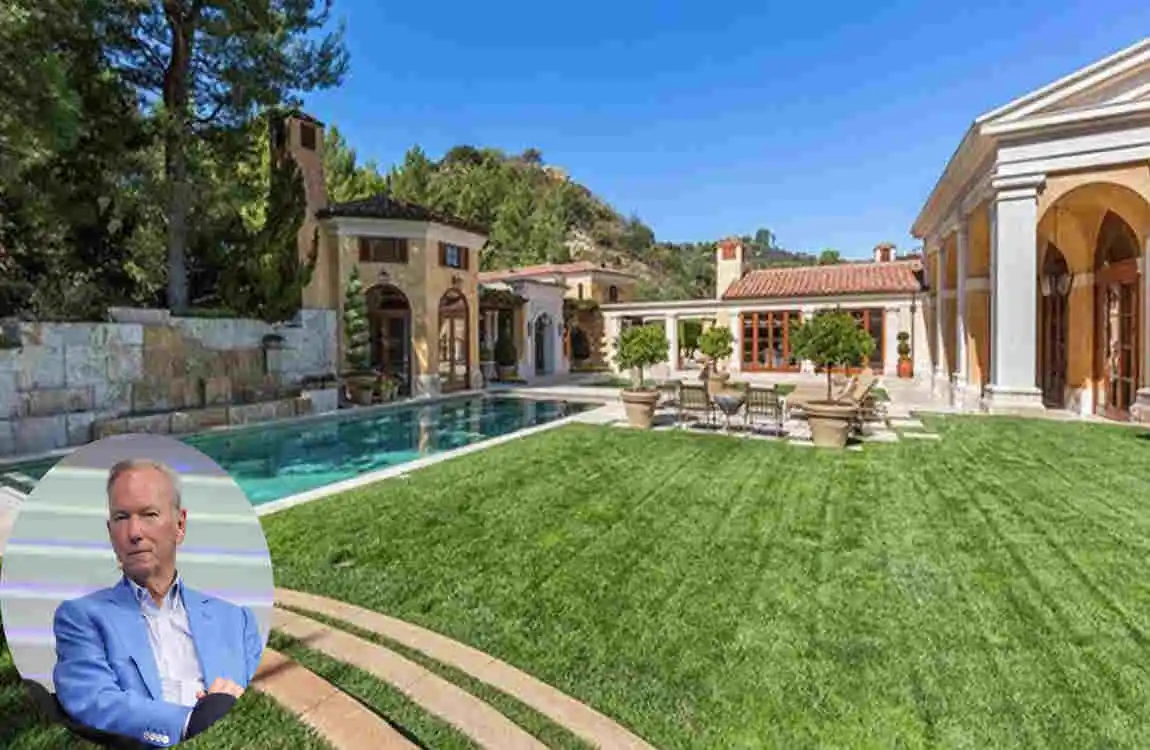
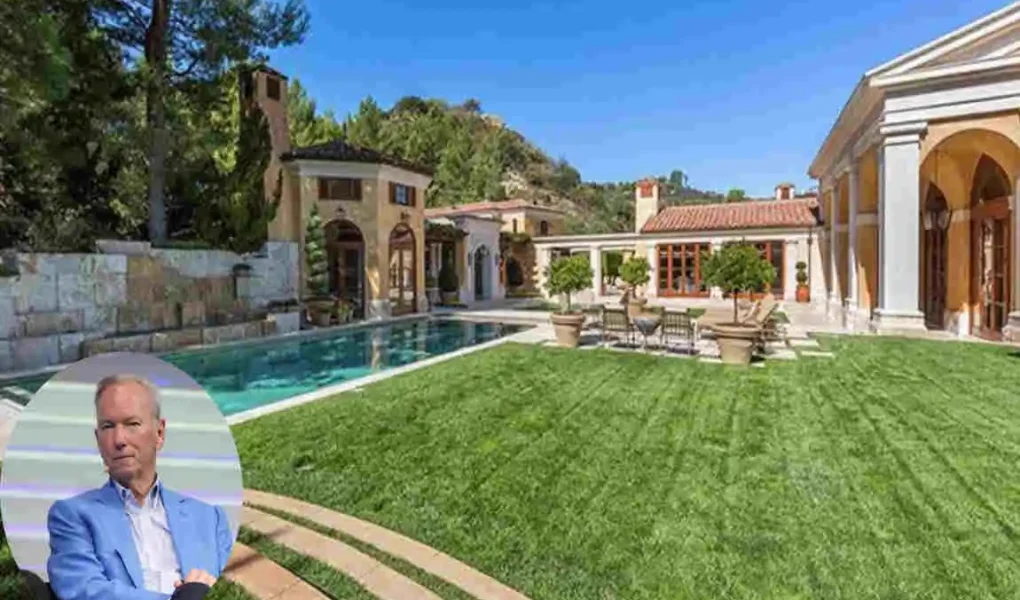
If you love luxury real estate, you are in for an absolute treat today. We are taking a deep dive into the stunning home of Eric Smidt, the billionaire founder and CEO of Harbor Freight Tools. In 2021, he made headlines by dropping a massive $73.9 million on this breathtaking property.
As of our current year in 2026, Smidt’s net worth hovers around the $10 billion mark, according to Forbes. With that kind of wealth, you can buy almost anything. Yet, he chose this specific 12,455-square-foot masterpiece nestled high up in the hills.
Why? Because the Eric Smidt house in Beverly Hills is the ultimate symbol of quiet luxury. It is not about flashy gold gates or over-the-top diamond chandeliers. Instead, it is about flawless design, unmatched privacy, and jaw-dropping views of the city.
Step inside the Eric Smidt house with us. In this virtual tour, we will break down every single room, explore the cutting-edge architecture, and share some juicy real estate insights.
Location Spotlight: Why Trousdale Estates Is Beverly Hills’ Elite Enclave
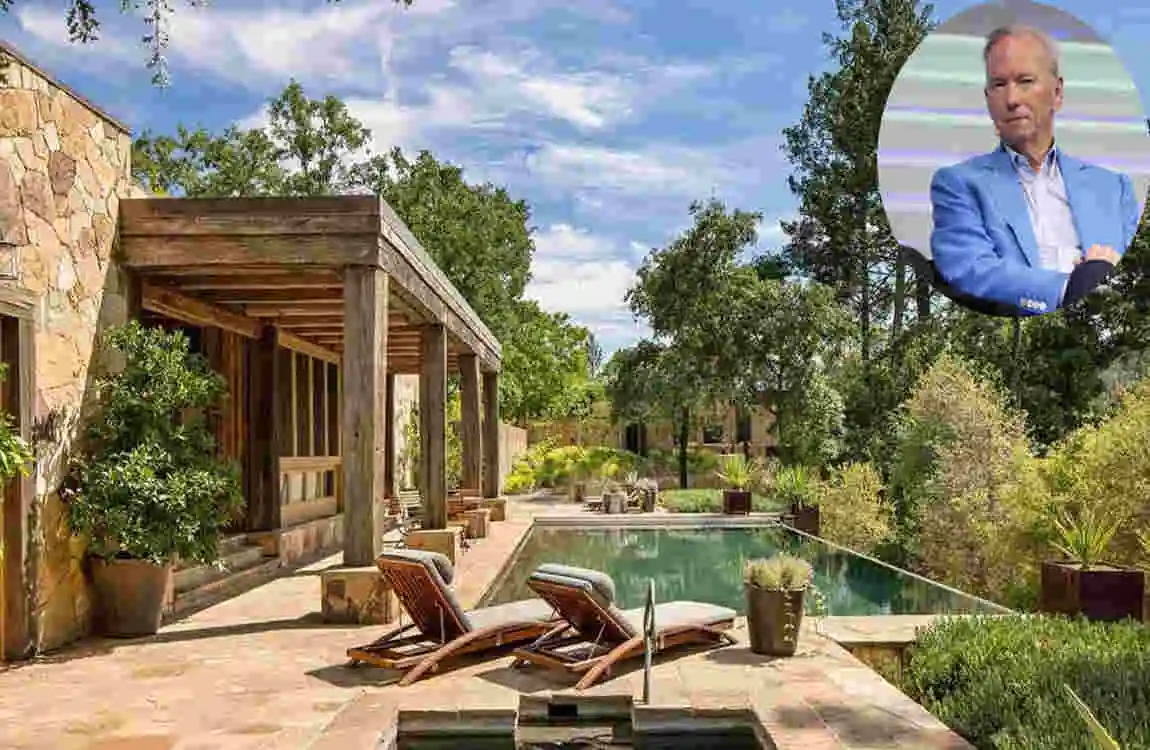
You have probably heard the golden rule of real estate: location, location, location. Well, the Eric Smidt house sits in one of the most exclusive locations on the entire planet.
This mansion is located in Trousdale Estates. If you are not familiar with Los Angeles real estate, let me paint a picture for you. Trousdale Estates is a top-tier neighborhood tucked into the highest points of Beverly Hills.
It is famous for two things: intense privacy and unbeatable views. The neighborhood features guarded gates and top-notch security patrols. This makes it a highly sought-after safe haven for A-list celebrities and business moguls.
When you buy a home here, you get some very famous neighbors. For instance, Amazon founder Jeff Bezos owns massive properties right down the street.
The perks of the Eric Smidt house address are incredible. First, the privacy is unmatched. The home sits at the end of a quiet street, hidden from the paparazzi and curious tourists. Second, because it sits so high up on the hill, it offers sweeping, uninterrupted views of the Los Angeles skyline all the way to the Pacific Ocean. Finally, despite feeling like a remote mountain retreat, it is just a short, five-minute drive down to the world-famous shopping on Rodeo Drive.
Let us talk about the numbers for a second. The average home in Trousdale Estates easily sells for over $20 million. But Smidt did not buy an average home. His $73.9 million purchase actually set a record for the area when he bought it.
When people search for the “eric smit house,” they often compare it to other tech billionaires. For example, Oracle founder Larry Ellison owns several nearby homes. But while Ellison prefers buying up massive beachfront properties in Malibu, Smidt chose the commanding, eagle-eye views of the Beverly Hills mountains.
Exterior and Architectural Marvels of the Eric Smidt House
Now, let us pull up to the actual property. The exterior of the Eric Smidt house is an architectural marvel that will make your jaw drop.
The home features a modern Mediterranean design. It was dreamed up by the famous architect Paul McClean. If you follow luxury real estate, you know that McClean is the go-to architect for celebrities who want sleek, modern mansions.
He is a master at creating homes that blend old-world Mediterranean charm with clean, ultra-modern lines.
Let us look at the key features of the property. The house itself spans 12,455 square feet. It holds 4 spacious bedrooms and a staggering 11 bathrooms. The property sits on a massive 2.2-acre lot. In the crowded hills of Beverly Hills, finding a flat piece of land that large is almost impossible.
As you drive through the private gates, you enter a massive motor court. This expansive driveway can easily hold up to 10 luxury cars. It is perfect for hosting large charity events or private dinner parties.
But the real standout feature of the exterior is the glass. The architect used massive, floor-to-ceiling glass walls throughout the entire back of the house.
These are not just regular windows. They are motorized glass panels that completely disappear into the walls at the push of a button. This creates a seamless flow between the indoor living rooms and the outdoor patios. It is the ultimate expression of the famous indoor-outdoor California lifestyle.
Imagine standing on the terrace, feeling the warm breeze, and looking out over a stunning infinity pool that seems to spill right into the Los Angeles skyline. That is the everyday reality at the Eric Smidt house exterior in Beverly Hills.
Grand Entry and Foyer: First Impressions of Eric Smidt’s $73.9M Mansion
First impressions matter, especially when you are spending over $70 million on a house. As you step through the massive front doors of the Eric Smidt house, you are greeted by a truly grand entry foyer.
The space features soaring double-height ceilings that immediately make you feel like you are standing in a modern art museum.
Your eyes are instantly drawn to a stunning floating staircase. Instead of heavy, traditional stairs, these steps look like they are magically hovering in mid-air. It is a brilliant design choice that keeps the massive entryway feeling light and airy.
Every single detail in this space uses the highest quality materials available. The floors are covered in imported Calacatta marble. This type of marble is famous for its bright white background and bold, dramatic grey veins.
Look up, and you will see a massive custom chandelier hanging from the ceiling. It acts as the glowing centerpiece of the room. Furthermore, all the plumbing and lighting fixtures come from Waterworks, a brand known for supplying ultra-premium, heavy-duty hardware to the wealthy.
The overall vibe of the foyer perfectly captures Smidt’s personality. Real estate experts call this “subtle opulence.”
You will not find any bright gold railings or flashy, overly dramatic statues here. Instead, the luxury is quiet. You can feel the quality of the materials and the perfection of the craftsmanship the moment you walk inside. It is a low-key billionaire style that commands respect.
Living Spaces: Where Luxury Meets Functionality in the Eric Smidt House
Once you move past the grand foyer, you enter the main living spaces. This is where the Eric Smidt house truly shines. The design beautifully balances everyday comfort with high-end luxury. Let us break down these amazing rooms.
Family Room and Great Room
The heart of the home is the massive great room. Think of this as the ultimate family room on steroids.
The room features towering 20-foot ceilings that make the space feel incredibly vast. On one end, you have a cozy, built-in theater setup with hidden surround sound speakers. This makes it the perfect spot for casual movie nights.
On the other end, you have the famous bi-fold glass doors we mentioned earlier. When Smidt hosts a party, these doors slide away entirely. Suddenly, the great room becomes a covered extension of the outdoor pool terrace. It is an amazing trick of architecture that blends the inside with the outside seamlessly.
Chef’s Kitchen
Next, we move into the kitchen. Even if you only know how to boil water, this chef’s kitchen will make you want to cook.
It is packed with top-of-the-line Wolf and Sub-Zero appliances. These are the same heavy-duty stoves and refrigerators used in professional five-star restaurants. The center of the room features an oversized marble island. It is large enough to seat six people casually for breakfast.
But here is the secret feature: the butler’s pantry. A butler’s pantry is a hidden second kitchen tucked behind the main one. It is where private chefs can chop vegetables, wash dishes, and make a mess out of sight, keeping the main kitchen looking picture-perfect for guests.
Dining Area
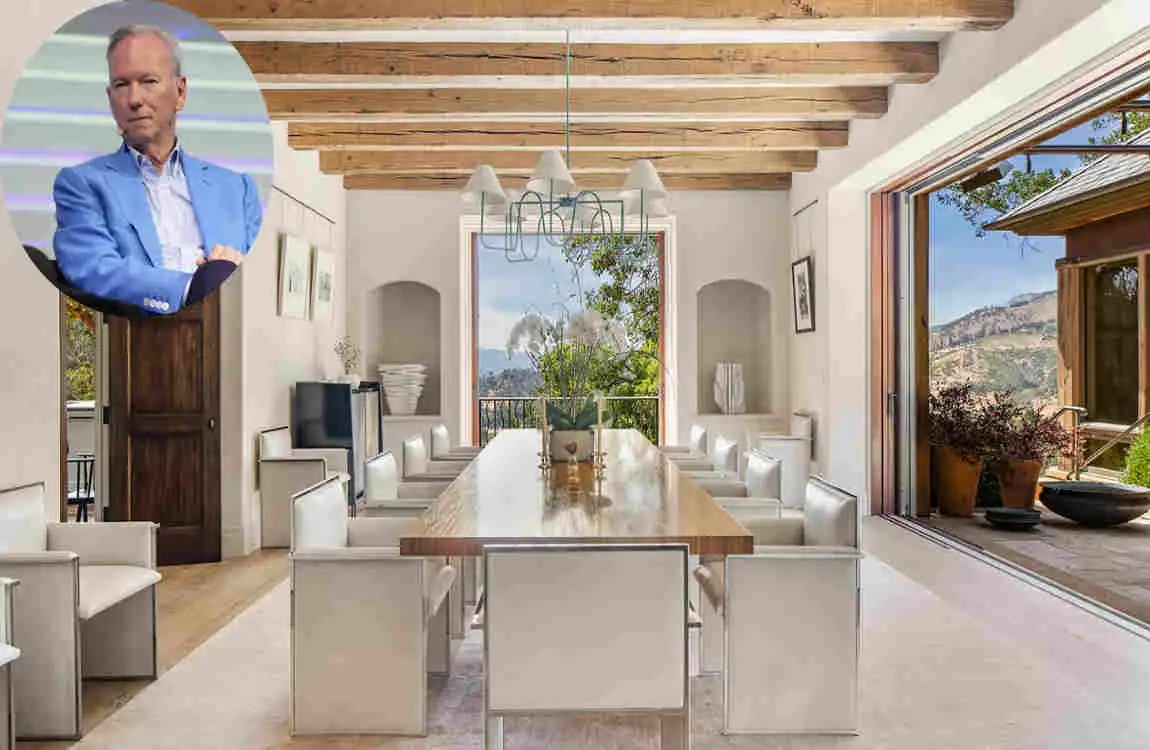
Just off the kitchen is the formal dining area. This space is not your average dining room.
It features a massive custom-built table that comfortably seats 20 people. This makes the space perfect for hosting large family gatherings or exclusive Smidt Foundation charity dinners.
To make the room even more impressive, it sits directly adjacent to a glass-enclosed, temperature-controlled wine cellar. Guests can admire hundreds of rare bottles of wine while they eat. It acts as both a functional storage space and a beautiful piece of dining room art.
Private Quarters: Bedrooms and Owner’s Suite Tour
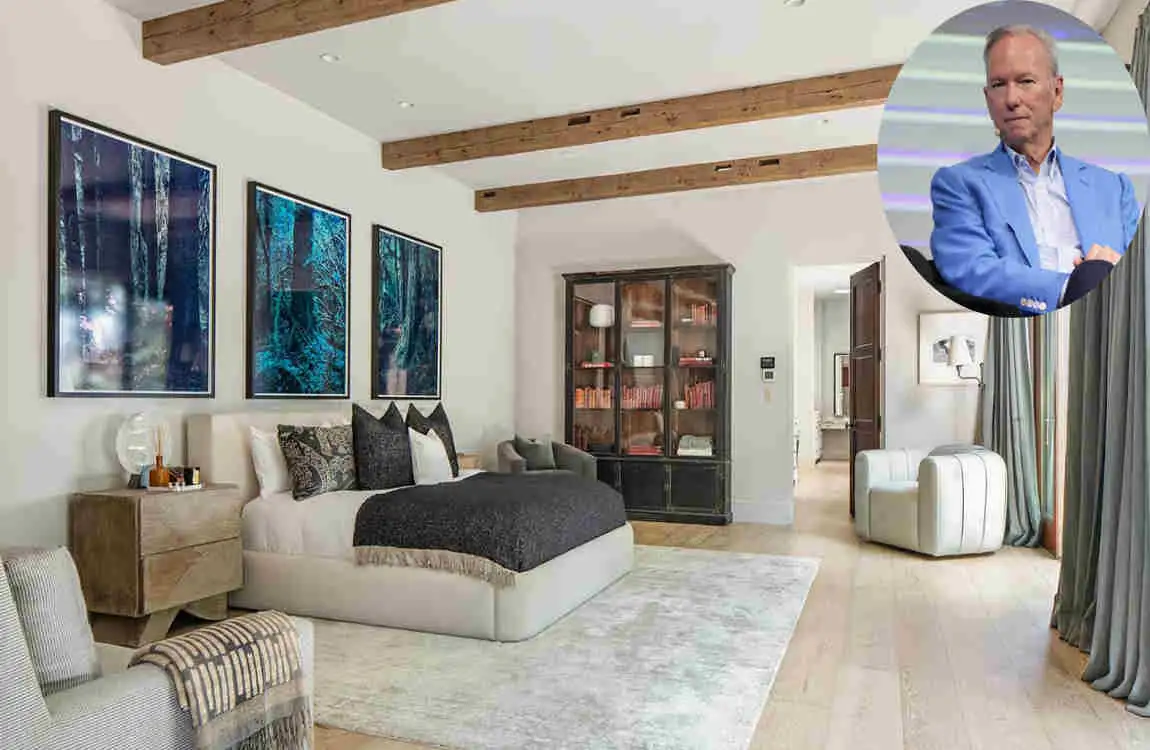
When the parties are over, and it is time to rest, the Eric Smidt house offers some of the most luxurious private quarters in the world. Let us take a tour of the bedrooms and the owner’s private retreat.
Primary Suite
The primary suite—often called the main bedroom—is absolutely mind-blowing. It spans over 3,000 square feet. Just to put that into perspective, this single bedroom is larger than most average American family homes!
This private retreat occupies its own entire wing of the house. It features a spa-like bathroom that rivals any luxury hotel in the world. You will find a massive deep-soaking tub situated right next to a window, allowing you to look out over the city while you relax.
The suite also includes dual oversized walk-in closets. These closets feature custom glass display cases for shoes, watches, and designer bags. Finally, the bedroom opens up to its very own private balcony that overlooks a lush, green canyon. It is the perfect, quiet spot to drink a morning cup of coffee.
Guest Bedrooms
The home also features 3 massive guest bedrooms.
Smidt ensures his friends and family travel in comfort. Each of these bedrooms is a full en-suite, meaning they each have their own attached, private bathroom.
These guest bathrooms are designed with the same spa-like luxury as the primary suite, featuring walk-in glass showers, heated marble floors, and custom stone sinks. Your guests might never want to leave!
Home Office
Even billionaires have to work, and Smidt is no exception.
The private quarters include a stunning executive home office. This room features dark, rich wood and custom-built-in bookshelves. It is a quiet, serious room.
This is the command center where Smidt can oversee the massive Harbor Freight retail empire. With high-speed tech connections and soundproofed walls, it offers the ultimate privacy for highly classified business meetings.
Wellness and Entertainment: Pools, Gym, and Media Room in Eric Smidt’s Beverly Hills Home
You do not spend $73.9 million on a house just for places to sleep and eat. You buy it for the lifestyle. The Eric Smidt house is packed with wellness and entertainment features that make leaving the property completely unnecessary.
Infinity Pool and Outdoor Oasis
Stepping out into the backyard feels like entering an exclusive cliffside resort.
The crown jewel of the outdoor oasis is the massive 75-foot swimming pool. It features a zero-edge design. This means the water flows right up over the edge, creating an optical illusion that the pool is pouring directly into the Los Angeles skyline below.
Surrounding the pool, you will find multiple lounging areas, a bubbling hot tub spa, and several built-in fire pits. When the sun goes down and the city lights turn on, sitting by the fire pits provides a truly magical experience.
Gym and Spa
Health and wellness are huge priorities in luxury real estate today.
Smidt’s home features a fully equipped professional gym. It is packed with the latest cardio machines, free weights, and stretching areas.
But the real luxury is what comes after the workout. The home includes a private indoor spa. After lifting weights, you can sweat it out in a cedar-lined sauna or relax on a professional table in your very own private massage room.
Home Theater
When it is time to unwind, Smidt can head down to his private home theater.
This is not just a TV on a wall. It is a professional-grade screening room featuring 20 plush, reclining cinema seats. The room uses state-of-the-art 4K projection and acoustic wall panels to deliver a movie experience better than a commercial theater.
For a busy CEO managing thousands of employees, this dark, quiet room serves as the ultimate downtime escape.
Smart Tech and Sustainable Features of the Eric Smidt House
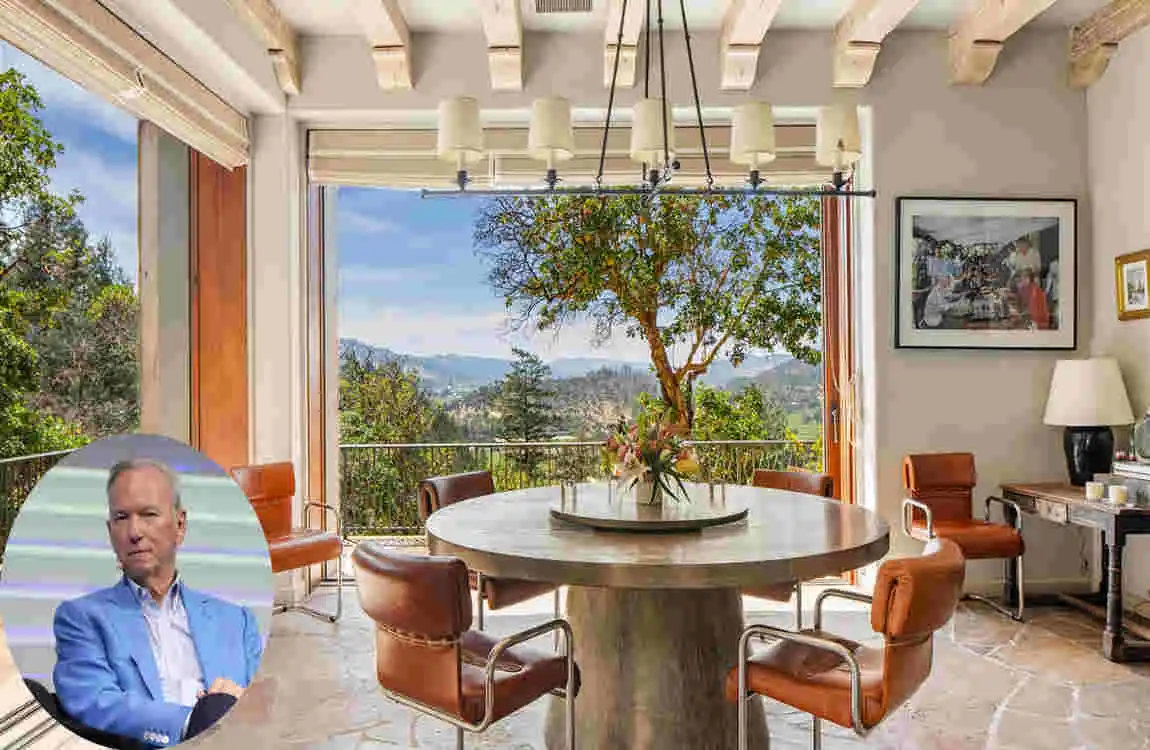
Behind all the beautiful marble and glass, the Eric Smidt house is secretly a highly advanced computer. Modern luxury homes must be smart, and this mansion leads the pack.
The entire property runs on a custom Crestron home automation system. If you are not familiar with Crestron, it is the top-tier standard for smart homes.
Through iPads mounted on the walls or an app on his phone, Smidt can control everything literally. With one tap, he can dim the lights, close the window shades, change the pool temperature, and lock all the doors.
But the house is not just smart; it is also eco-friendly. It features a massive array of hidden solar panels on the roof that help power the estate. The garage is fully equipped with multiple high-speed EV charging stations for electric vehicles.
Furthermore, all those massive windows use specialized, energy-efficient glass. This glass blocks the harsh UV rays from the sun, keeping the house cool in the summer and reducing the need for massive air conditioning bills.
These sustainable features tie perfectly into Smidt’s pragmatic, problem-solving business ethos.
Future-proofing a home with smart tech and green energy does more than save the environment. It actually elevates the value of luxury real estate. Buyers today expect these invisible, high-tech features just as much as they expect a nice kitchen.
The $73.9M Purchase: Inside the Deal That Made Eric Smidt House a Record
Let us talk about the business side of things. How did this historic real estate deal actually go down?
Smidt officially purchased the mansion in 2021. He bought it from a prominent television producer. The final price tag was a jaw-dropping $73.9 million.
To truly understand the weight of this purchase, you have to look at the carrying costs. Owning a home like this is expensive even after you buy it. Property taxes alone in Beverly Hills for a home at this price point run about $6 million every single year. That is roughly $500,000 a month just in taxes!
Why did Smidt buy it then? You have to look at the market context.
Following the COVID-19 pandemic, the Beverly Hills real estate market experienced a massive boom. Wealthy buyers wanted massive, private, secure compounds where they could live, work, and play without ever leaving.
From an investment angle, buying ultra-luxury real estate is often a very smart move for billionaires. It acts as a safe place to park large amounts of cash. Over time, trophy properties like the Eric Smidt house hold their value incredibly well and offer fantastic appreciation potential for the future.
Comparing Eric Smidt’s Mansion to Other Billionaire Homes
To really understand how unique this house is, it helps to compare it to the homes of other famous billionaires. Check out this quick breakdown:
Feature Eric Smidt House Jeff Bezos’ Warner Estate Larry Ellison’s Malibu Pad
Price $73.9 Million $165 Million $173 Million
Size 12,455 sq ft 13,000 sq ft 36,000 sq ft
Unique Vibe Tool empire, subtlety , Mega-mansion scale , Elaborate Japanese garden
Location Trousdale Estates , Holmby Hills , Carbon Beach
What does this table tell us?
It gives us great insights into Smidt’s mindset. While his peers like Bezos and Ellison are spending over $150 million on wildly flashy, sprawling mega-estates, Smidt chose a different path.
He opted for “value luxury.” Make no mistake, $74 million is a massive fortune. But compared to his billionaire peers, Smidt bought a home that focuses entirely on quality, privacy, and views, rather than just buying the biggest, most expensive compound possible. It is a very practical, Harbor Freight way of looking at real estate!
What the Eric Smidt House Teaches About Billionaire Real Estate Trends
Studying the Eric Smidt house is basically a masterclass in modern luxury real estate. If you are an investor or just someone dreaming of buying luxury property one day, there are big lessons to learn here.
Here are the top billionaire real estate trends this home highlights:
- The Shift to Privacy-Focused Estates: Billionaires no longer want houses sitting right on public streets. They want gated communities, long driveways, and high walls. Privacy is the new ultimate luxury.
- Quality Over Sheer Size: Instead of building a 40,000-square-foot maze, wealthy buyers prefer smaller footprints (like 12,000 square feet) where every single inch uses the highest quality materials possible.
- Resort-Style Amenities: Homes must now function as private resorts. Having a simple pool is no longer enough. You need spas, massage rooms, and commercial-grade gyms to attract elite buyers.
- Smart ROI Tips for Investors: If you want to increase the value of your own home, follow Smidt’s lead. Invest in smart home technology, energy-efficient windows, and create a seamless flow between your indoor living rooms and your backyard space.
Frequently Asked Questions About Eric Smidt House
Where is Eric Smidt’s house located? The home is located in Trousdale Estates, which is an ultra-exclusive, guard-gated neighborhood tucked away in the highest hills of Beverly Hills, California.
How much did Eric Smidt pay for his mansion? Eric Smidt purchased the incredible property for $73.9 million in 2021. At the time, this massive purchase price broke local real estate records for the Trousdale Estates neighborhood.
Can you visit the Eric Smidt house? No, you cannot. The mansion is a strictly private residence located inside a highly secure area. There are no public tours allowed, and security is very tight to protect the privacy of the residents.
What’s the size of Eric Smidt’s Beverly Hills home? The luxury estate spans exactly 12,455 square feet of indoor living space. It sits on a massive 2.2-acre lot and features 4 bedrooms and 11 bathrooms.
Where Does Eric Smidt Currently Live?
Eric Smidt currently lives in Beverly Hills, California.
Eric Smidt House Photos