Alex Aster’s journey from debut novelist to New York Times bestseller is nothing short of inspiring. Her Lights Out series quickly garnered a passionate following, leading to buzz about book-to-film adaptations. This meteoric rise gave her the freedom to invest in a home that reflects both her success and personality.
Why Florida? After the whirlwind of publishing success, Alex was drawn to the coastal vibes and sunny skies of the Sunshine State. The relaxed atmosphere and stunning natural beauty offer a perfect backdrop for her creative work and personal downtime.
Her mansion, rumored to be in the upscale Palm Beach area, is estimated to span about 8,000 square feet, with a purchase price between $5 million and $10 million. This sprawling estate blends elegance with a cozy, welcoming feel—ideal for hosting friends, family, and fellow authors.
The Allure of Alex Aster’s Luxurious House Exterior
A First Impression That Captivates
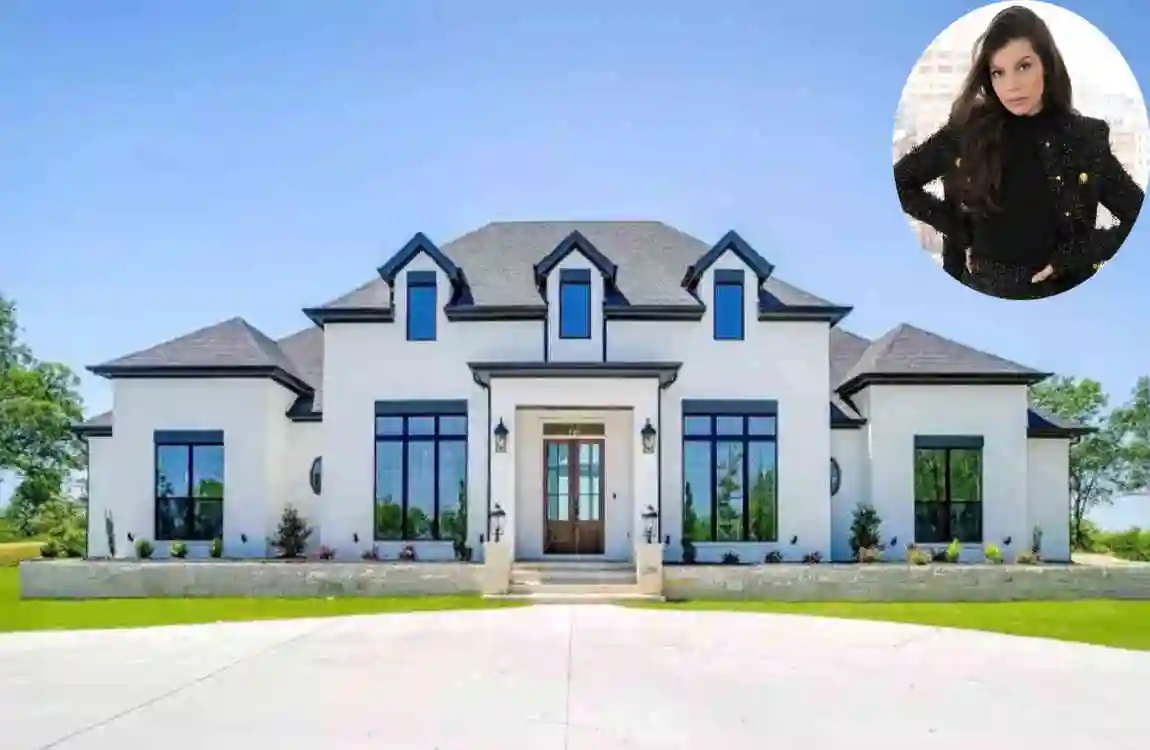
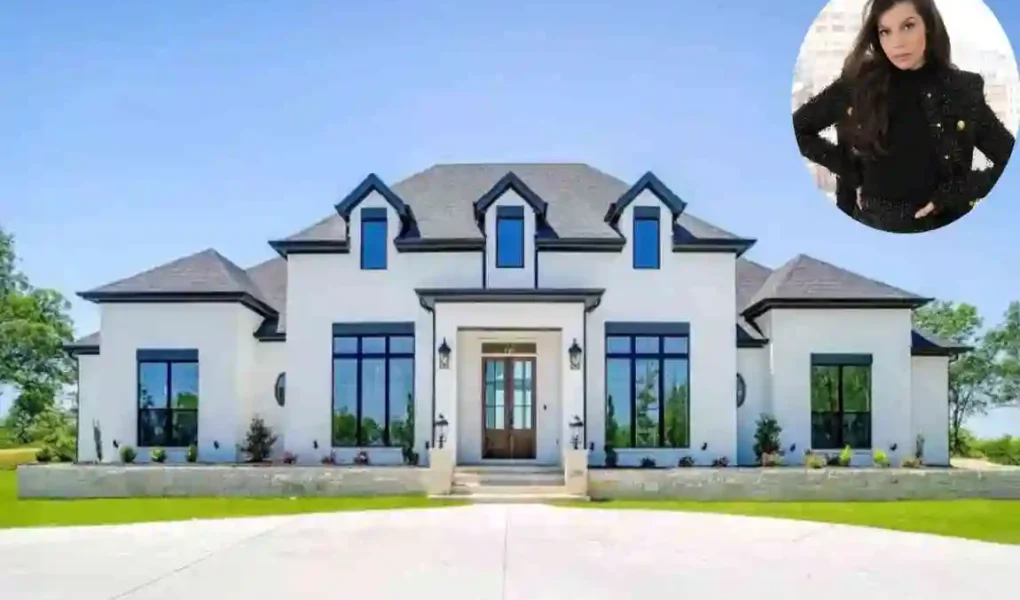
The exterior of Alex Aster’s Florida mansion is a masterclass in modern Mediterranean design infused with Florida’s unique coastal flair. Picture white stucco walls paired with classic red tile roofing—a timeless combo that instantly says luxury and warmth.
Tropical Landscaping and Outdoor Bliss
Approaching the property, you’re greeted by a palm-lined driveway that sets a serene yet grand tone. The lush tropical gardens surrounding the home create an oasis of privacy and beauty, perfect for sunny afternoons or intimate evening gatherings.
Outdoor Amenities That Define Florida Living
This mansion doesn’t just stop at looks. It boasts a private dock for boating enthusiasts eager to explore nearby waterways. Entertain guests with a fully equipped outdoor kitchen and a stylish cabana, ideal for poolside parties or quiet mornings with a book.
Key Exterior Features:
- Gated entry with cutting-edge smart security system
- Sprawling 1-acre lot filled with native tropical plants
- Infinity pool offering breathtaking views of the ocean or intracoastal waterway
Step Inside: The Grand Entryway and Foyer of Alex Aster’s Luxurious House
Walking through the front door, you’re welcomed by the grandeur of a double-height ceiling that bathes the space in natural light. A stunning chandelier hangs overhead, its sparkle reflecting off polished marble floors.
The foyer features custom artwork—some inspired by Alex’s own literary works—giving a personal touch that connects her creative world to her living space. The open layout naturally guides visitors from this elegant entryway into the spacious living areas beyond.
Heart of the Home: Kitchen and Dining in Alex Aster’s Luxurious House
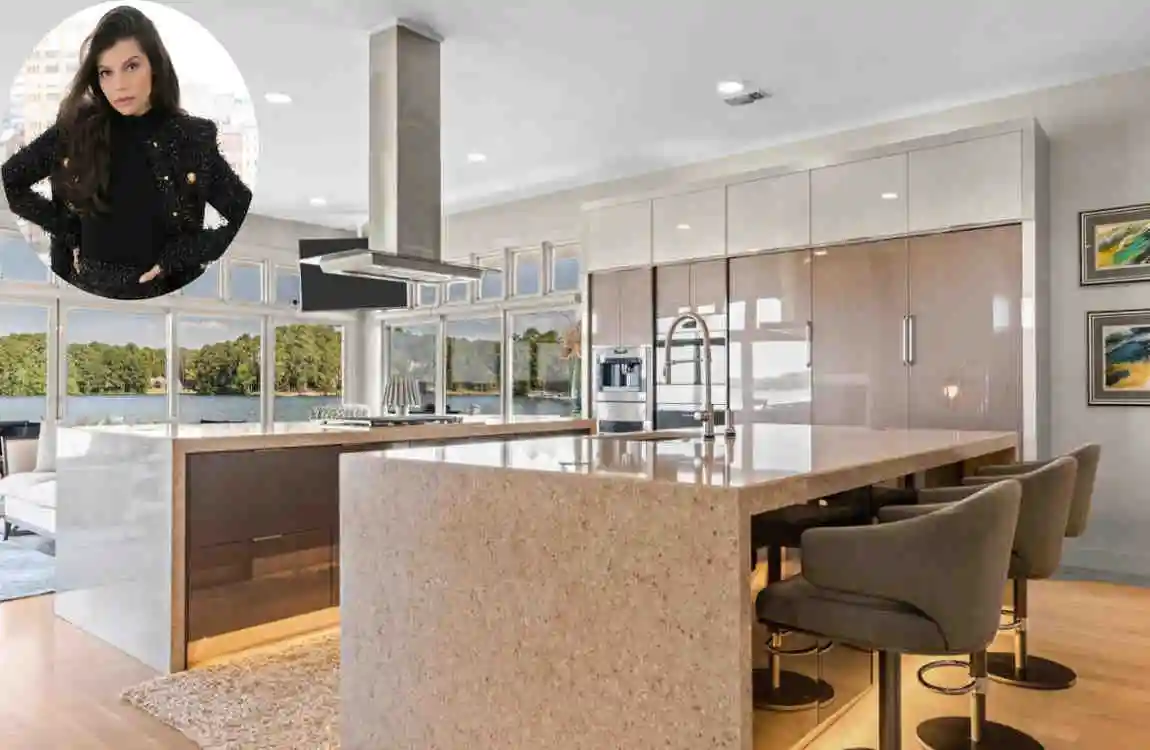
Where Creativity Meets Culinary Excellence
The kitchen is truly the heart of Alex’s home designed with both function and style in mind. It features a large quartz island perfect for casual chats or recipe experiments. Top-tier Sub-Zero appliances and a built-in wine fridge cater to every culinary whim.
Dining Spaces Designed for Connection
A 12-seat dining table anchors the room, ideal for hosting book club meetings or family dinners. Whether celebrating a book release or sharing everyday moments, this space encourages togetherness.
Top Kitchen Features:
- Double ovens — perfect for baking treats and crafting plot twists simultaneously
- Butler’s pantry — discreetly stocked to keep the kitchen organized
- Ocean-view breakfast nook — a cozy spot to start the day inspired
Ultimate Relaxation: Main Suite in Alex Aster’s Luxurious House
A Private Sanctuary for Rest and Reflection
Alex’s main suite is designed as a retreat from the busy world. It features a king-sized spa bed and expansive walk-in closets—his and hers—offering ample space for personal style.
The ensuite bathroom is a masterpiece of luxury: a freestanding tub perfect for soaking, a rain shower for refreshing mornings, and dual vanities to streamline routines.
Views and Details That Inspire
Step out onto the private balcony to enjoy sunrise views over the water—a peaceful moment often sparking new ideas for her next novel.
Luxury touches in the main suite include:
- Heated floors for cozy winter mornings
- Smart mirrors with built-in lighting and touch controls
Entertainment Havens: Living Room, Theater, and More
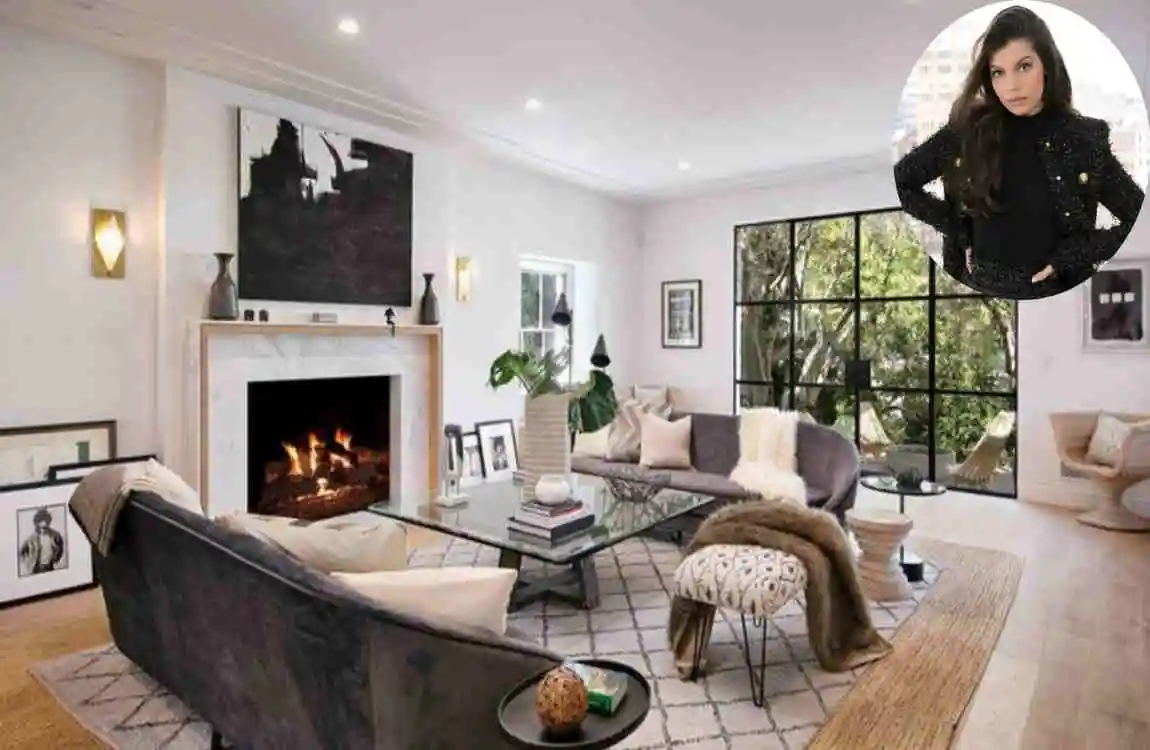
Living Room: Warmth Meets Elegance
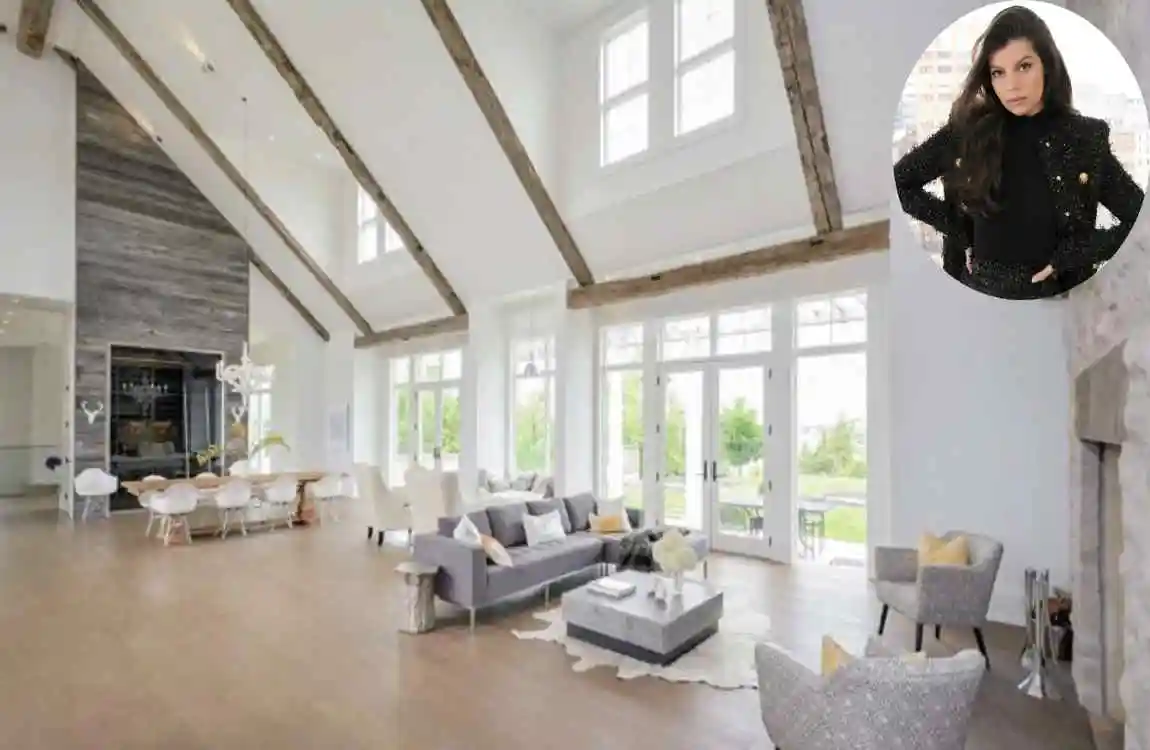
The open-plan living room is tailored for comfort and style, anchored by a modern fireplace and plush sectional sofas. Floor-to-ceiling windows frame stunning ocean vistas, bringing the outdoors in.
Home Theater: Movie Magic at Home
For premiering adaptations of her books or simply enjoying family movie nights, the home theater features a 120-inch screen and tiered seating for an authentic cinema experience.
Game Room and Bar: Fun with a Fantasy Twist
The game room doubles as a bar area, complete with billiards and arcade games subtly nodding to themes from Alex’s YA fantasy stories—making it a playful space for guests of all ages.
Wellness and Leisure: Gym, Spa, and Pool Areas
Fitness and Relaxation Under One Roof
Staying healthy is a priority, and the home gym is equipped with Peloton bikes, free weights, and a dedicated yoga studio—a perfect balance to Alex’s creative work.
The spa area includes a sauna and luxurious bathroom amenities designed for unwinding after busy days.
Outdoor Oasis: The Pool Area
The centerpiece is a spectacular infinity pool stretching 50 feet, perfect for laps or lounging by the water: a hot tub and outdoor shower round out this ultimate Florida leisure setup.
Feature Details
Pool Length 50 feet
Hot Tub Adjacent to pool
Outdoor Shower Private, near the cabana
Gym Equipment : Peloton, free weights, yoga
Spa Facilities : Sauna, spa bathroom
Creative Spaces: Office and Library in Alex Aster’s Luxurious House
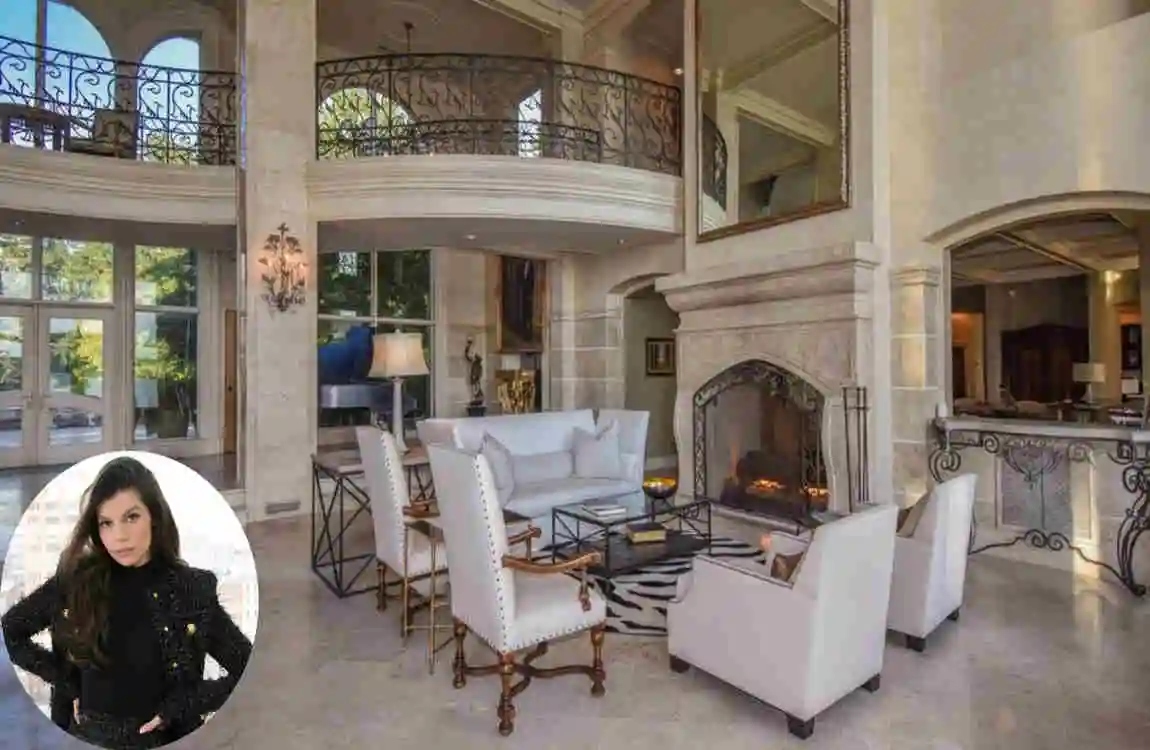
A Writer’s Dream Office
Alex’s office is thoughtfully designed for productivity and comfort. It features an ergonomic desk, built-in bookshelves, and large windows offering noise-cancelling views of the ocean—an ideal environment for focused writing sessions.
A Library to Inspire
Her library is a book lover’s paradise, with floor-to-ceiling shelves housing first editions and collectibles. Cozy reading nooks invite quiet contemplation, while walls display mood boards inspired by Lights Out and other projects.
Guest Suites and Family Quarters
Comfort for Visitors and Loved Ones
The mansion offers over five bedrooms, each with private en-suites, ensuring guests experience luxury and privacy.
Kid-friendly zones suggest plans for future family expansion, with playful nursery vibes. A bunk room caters to visiting cast and crew, blending hospitality with fun.
Smart Tech and Sustainable Features
Cutting-Edge Home Automation
The mansion boasts a Crestron home automation system with voice controls for lighting, security, and climate. This smart tech integrates seamlessly to enhance convenience.
Eco-Friendly Elements
Sustainability is key, with solar panels reducing energy consumption and energy-efficient windows keeping the home cool. Security includes biometric access and 24/7 monitoring for peace of mind.
Top 5 Smart Features:
- Voice-controlled lighting and temperature
- Biometric security systems
- Automated window shades
- Energy-efficient appliances
- Remote monitoring via smartphone apps
Neighborhood and Lifestyle Around Alex Aster’s Luxurious House
Alex’s mansion is situated in one of Florida’s most exclusive coastal communities. Proximity to pristine beaches, major airports, and celebrity neighbors adds to the allure.
Residents enjoy access to private golf clubs, yachting, and upscale dining. Real estate trends indicate strong property value growth, making this not just a home, but a smart investment.
Fun Facts and Insider Scoop on Alex Aster’s Luxurious House
- Rumored renovations after purchase to customize interiors
- Pet-friendly features, including dedicated dog runs
- Regularly hosts book launches and private author events
FAQs: Alex Aster’s Luxurious House
Q1: Where is Alex Aster’s luxurious house located?
It’s located in a prime Florida coastal hotspot, likely Palm Beach or nearby.
Q2: How much is Alex Aster’s Florida mansion worth?
Estimates place the value between $5 million and $10 million.
Q3: Can you tour Alex Aster’s luxurious house?
While private tours aren’t available, Alex occasionally shares glimpses via her social media.
Q4: What makes Alex Aster’s house unique?
The home’s design incorporates author-inspired themes and luxurious coastal amenities.
Where Does Alex Aster Currently Live?
Alex Aster lives in New York City.
Alex Aster’s Luxurious House Photos