Have you ever walked into your bedroom, tried to open the door, and had it instantly smack against the edge of your bed or a nearby dresser? If you are living in a modern home, an apartment, or a cozy cottage, you already know the struggle of cramped bedrooms. Traditional swinging doors demand a surprising amount of floor space to function. But what if you could reclaim that wasted space while instantly upgrading the look of your room? This is exactly where a sliding bedroom door design comes to the rescue.
By swapping out a traditional door for a sliding option, you can save anywhere from 30% to 50% of your usable floor space. Instead of swinging outward or inward, these brilliant doors glide along a track. They hug your wall or disappear right into it. The rise in popularity of these doors is no accident. In fact, recent design trends show a massive surge in homeowners ditching old swing doors for sleek, sliding alternatives. They are the ultimate problem solvers for small footprints.
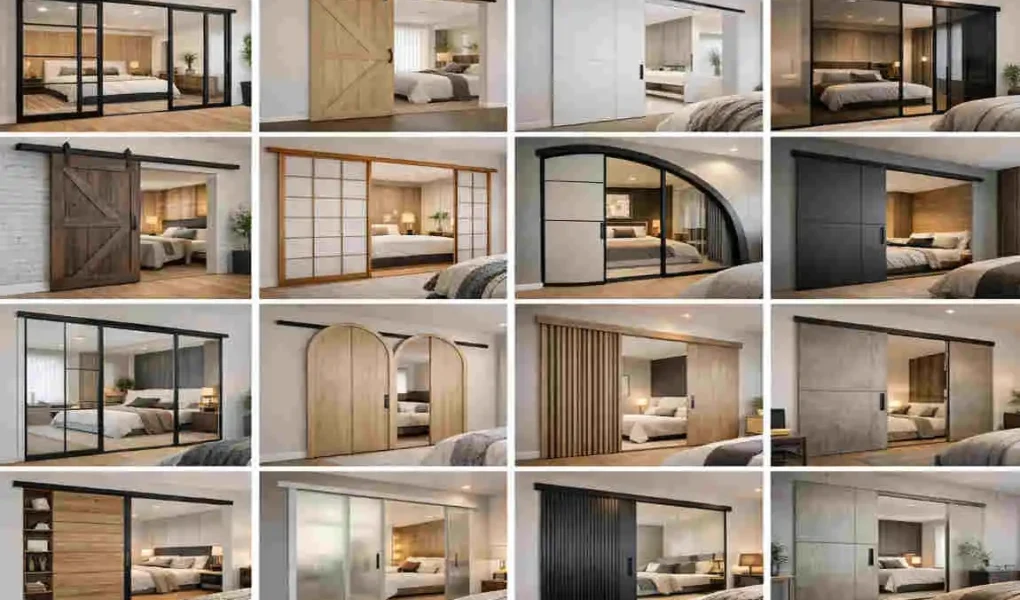
However, a sliding bedroom door design is not just about saving space. It is also a massive style statement. Whether you love the rustic charm of farmhouse decor or the sleek lines of an ultra-modern apartment, there is a sliding door built just for you. From mirrored panels that make your room look twice as big to frosted glass that lets the sunshine pour in, the possibilities are truly endless.
Why Choose Sliding Bedroom Door Designs? Key Benefits for Modern Homes
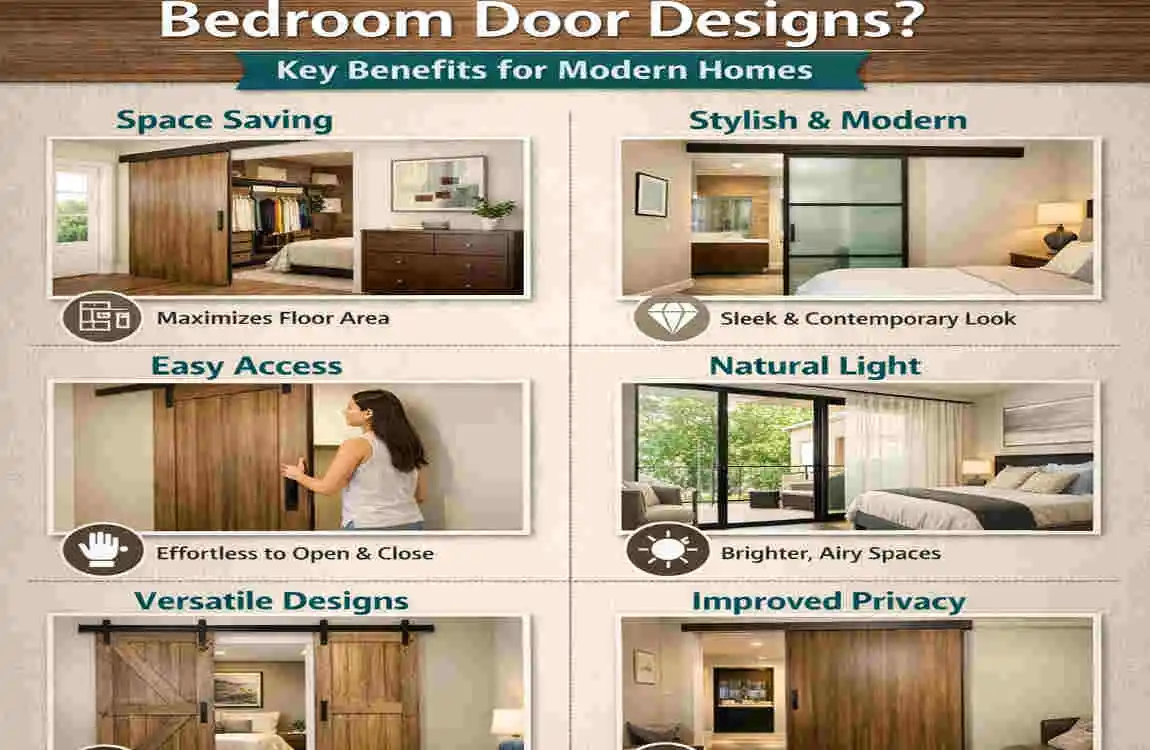
Before we jump into the exciting design ideas, let us talk about why you should even consider making this change. Why are so many interior designers and homeowners obsessed with modern sliding doors? The answer comes down to a perfect mixture of function and beauty.
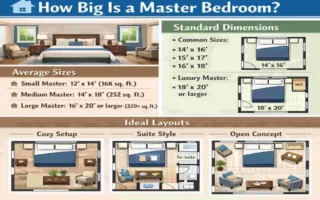
First and foremost, let us explain the magic of space maximization. Think about a standard 10×10-foot bedroom. A regular swinging door requires a clear, empty half-circle of space to open and close. You cannot put a rug there, you cannot put a bedside table there, and you certainly cannot put your bed there. Sliding doors completely eliminate this swing radius. Because they slide flat against the wall, they easily free up 10 to 20 square feet of usable space. In a small bedroom, that extra space is absolute gold. You finally have room for that cozy reading chair or that extra-wide dresser.
Beyond the practical space-saving magic, these doors offer a massive style upgrade. They seamlessly integrate with modern, minimalist, and contemporary aesthetics. They look intentional, customized, and highly architectural.
Here are the top benefits of upgrading to a sliding bedroom door design:
- Incredible Space Efficiency: As mentioned, you instantly free up valuable square footage. You regain total control over your bedroom layout because you no longer have to design your room around a swinging piece of wood.
- Impressive Noise Reduction: Modern sliding doors often come equipped with soft-close mechanisms. This means no more slamming doors in the middle of the night. They glide shut with a whisper, keeping your sleeping environment peaceful and quiet.
- Easy Installation and Low Maintenance: Unlike complicated bi-fold alternatives, many sliding track systems are surprisingly easy to install. A handy homeowner can often hang a top-mounted track in a single afternoon. Plus, with no hinges to oil and squeak, maintenance is a total breeze.
- Significant Cost Savings: If you are trying to customize an odd-sized doorway, a custom swinging door can cost a fortune. Sliding doors are often 20% to 30% cheaper than custom swings because the door needs to overlap the opening, rather than fit perfectly inside a precise frame.
- Amazing Versatility for Rentals or Flips: If you are renovating a home to sell or rent out, sliding doors add an instant “wow” factor. They feel like a Premium upgrade that buyers and renters actively look for.
When you compare a space-saving sliding bedroom door to traditional options, the winner is clear. They solve space issues while making your home look incredibly stylish. Now, let us dive right into the top 15 stunning sliding bedroom door design ideas to inspire your next home project.
Top 15 Sliding Bedroom Door Designs: Ideas to Elevate Your Space
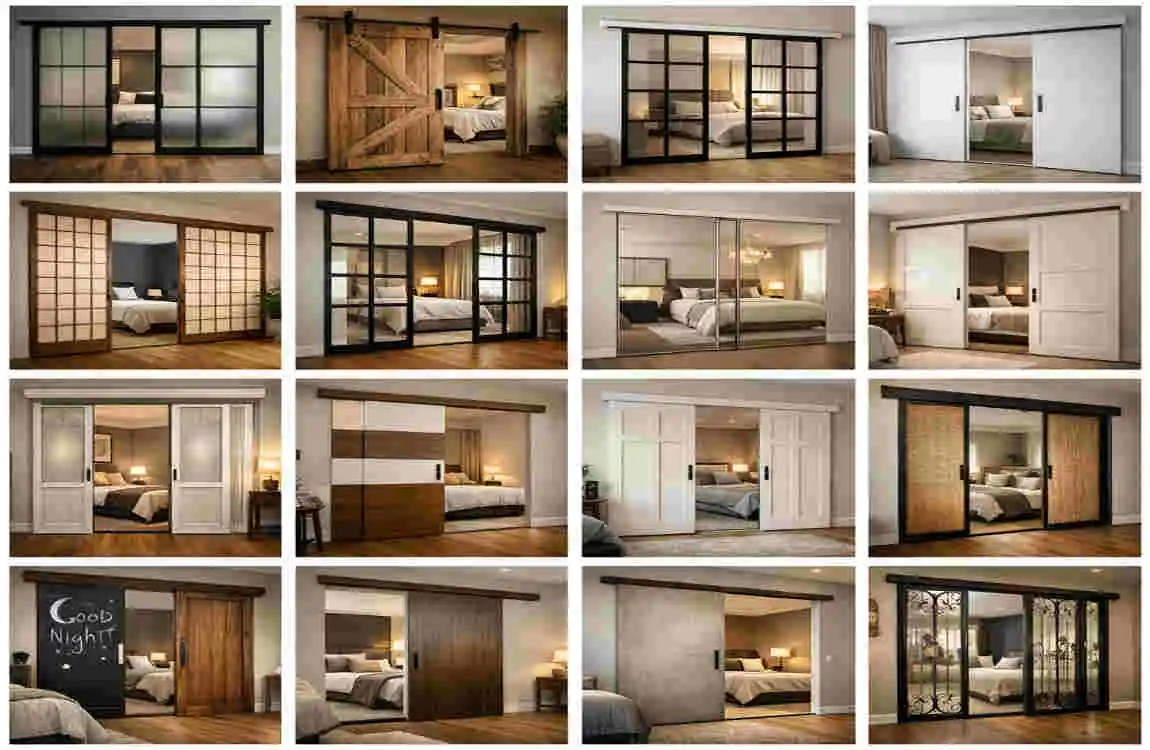
Are you ready to find the door of your dreams? We have broken down the 15 best ideas currently dominating the interior design world. We will look at the pros, the cons, the installation process, and why each specific design might be the perfect fit for your home.
Minimalist Glass Sliding Bedroom Door Design
Have you ever wanted your bedroom to feel like a bright, airy luxury suite? A minimalist glass sliding bedroom door design is exactly what you need. This style features large panels of frosted or fluted glass securely set on sleek, barely-there aluminum tracks.
The frosted glass is the real hero here. It allows beautiful natural light to flow from your hallway into your bedroom, brightening up dark spaces. At the same time, the frosting ensures you have total privacy.
- Pros: Floods the room with light, looks incredibly modern, and makes small spaces feel open.
- Cons: Glass can show fingerprints and requires regular wiping down.
- Installation Tips: Glass doors are heavy. You must ensure your top track is anchored directly into the wall studs to support the weight safely.
- Price Range: $400 to $900.
- Why it maximizes space/style: It visually expands the room by letting light pass through, preventing the bedroom from feeling like a dark, closed-off box.
Barn-Style Wooden Sliding Bedroom Door Design
If you love warm, cozy, and inviting spaces, you cannot go wrong with a barn-style wooden door. This is one of the most popular bedroom sliding door ideas on the market right now. Picture beautifully textured reclaimed wood gliding on heavy-duty, matte black iron hardware.
This design brings a huge dose of rustic charm and farmhouse modern aesthetics right into your bedroom. You can stain the wood a rich walnut for a moody vibe, or paint it crisp white to keep things light.
- Pros: Adds beautiful natural texture, serves as a giant piece of wall art, and is highly customizable.
- Cons: Barn doors do not sit completely flush against the wall, so they let out a bit more noise and light than traditional doors.
- Installation Tips: Use a floor guide bracket. This prevents the heavy wooden door from swinging outward and damaging your baseboards when you slide it.
- Price Range: $250 to $700.
- Why it maximizes space/style: It acts as a focal point for the room, meaning you need less wall decor, while keeping the floor completely clear.
Mirrored Sliding Bedroom Doors for the Illusion of Space
Do you want to know a classic interior designer secret? Mirrors make everything look bigger. A mirrored sliding bedroom door design takes this trick to the next level. By replacing a boring wooden slab with a full-length mirror, you instantly double the visual size of your bedroom.
These are absolutely fantastic for bedroom closets or en-suite bathrooms. You get a massive dressing mirror without having to take up any extra floor or wall space.
- Pros: Creates a massive optical illusion of space, bounces light around the room, and serves a practical dressing purpose.
- Cons: Mirrors are fragile and require daily cleaning to remove smudges and dust.
- Installation Tips: Ensure the bottom track is perfectly level. If a mirrored door jumps the track, it can crack easily.
- Price Range: $300 to $800.
- Why it maximizes space/style: You eliminate the need for a separate floor mirror, freeing up a corner of your room, while making a tiny bedroom feel vast and open.
Pocket Sliding Bedroom Door Design (Hidden Tracks)
If you are a true minimalist who hates visual clutter, the pocket door is your best friend. A pocket sliding bedroom door design is pure magic. Instead of sliding along the outside of your wall, this door slides directly into a hidden compartment inside the wall itself.
When the door is open, it completely disappears. You do not see any tracks, you do not see any hardware, and you do not see the door. It is the ultimate clean-lined look for tiny bedrooms.
- Pros: Zero wall space required, incredibly clean aesthetic, and allows you to put furniture right next to the doorway.
- Cons: Installation requires opening up the drywall, which makes it a messy and involved renovation project.
- Installation Tips: Hire a professional unless you are very skilled. You have to reroute any electrical wires or pipes that currently live inside that wall cavity.
- Price Range: $500 to $1,200 (including drywall labor).
- Why it maximizes space/style: It literally frees up 100% of your wall space and floor space, giving you absolute freedom in your furniture layout.
Frosted Acrylic Modern Sliding Bedroom Door Design
You may love the look of glass, but you have wild kids or rowdy pets running around. Glass might feel too risky. Enter the frosted acrylic modern sliding door. Acrylic looks almost identical to glass, but it is incredibly lightweight and shatterproof.
You can customize acrylic panels in various tints and colors. They diffuse light beautifully, giving your room a soft, glowing ambiance without any of the danger of shattering glass.
- Pros: Very lightweight, safe for families, easy to slide, and highly customizable in color.
- Cons: Acrylic can scratch more easily than real glass if you bump it with sharp objects.
- Installation Tips: Because these are lightweight, you can often use a heavy-duty adhesive bottom guide instead of drilling into expensive hardwood floors.
- Price Range: $200 to $500.
- Why it maximizes space/style: It provides the airy, light-diffusing benefits of glass but is much easier to operate in tight, high-traffic bedrooms.
Bi-Parting Glass Sliding Bedroom Doors
Do you have a wide doorway leading into a main suite? A bi-parting glass sliding bedroom door design brings serious hotel-inspired luxury into your home. Instead of one massive door, you have two separate panels that meet in the middle and slide outward to the left and right.
This creates a grand, dramatic entrance to your bedroom. Framed in sleek black metal or warm brass, bi-parting doors make your bedroom feel like a five-star resort getaway.
- Pros: Makes a grand architectural statement, great for extra-wide openings, and balances the visual weight of the room perfectly.
- Cons: You need empty wall space on both sides of the doorway for the doors to slide into.
- Installation Tips: Use a dual-track system with a built-in soft-close feature so the two doors never slam together in the middle.
- Price Range: $800 to $2,000.
- Why it maximizes space/style: It splits the footprint of a massive door in half, providing a luxurious, symmetrical style that traditional double doors cannot match.
Textured Metal Industrial Sliding Bedroom Door Design
For those who love urban lofts and raw, edgy aesthetics, the textured metal industrial door is a showstopper. Think of a heavy powder-coated steel frame, detailed with exposed rivets, framing panels of corrugated metal or wired glass.
This sliding bedroom door design brings a tough, masculine, and highly textured vibe to your space. It pairs beautifully with exposed brick walls and concrete floors.
- Pros: Incredibly durable, unique conversation piece, and adds striking architectural contrast to soft bedroom fabrics.
- Cons: Metal doors can be extremely heavy and may feel a bit cold in a traditionally decorated home.
- Installation Tips: You absolutely must use heavy-duty steel tracks rated for high weight capacities, and secure them deeply into structural headers.
- Price Range: $900 to $2,500.
- Why it maximizes space/style: It doubles as a massive piece of industrial art, giving your room a distinct personality while staying neatly flush against the wall.
Bamboo Eco-Friendly Sliding Bedroom Door Design
If you are trying to build a sustainable, green home, you need to look at bamboo. A bamboo eco-friendly sliding bedroom door design offers a stunning natural wood grain that instantly warms up cold, minimalist spaces.
Bamboo is actually a fast-growing grass, making it one of the most renewable building materials on earth. It is surprisingly strong, resists warping from humidity, and looks incredibly zen and relaxing—perfect for a bedroom sanctuary.
- Pros: Environmentally friendly, highly resistant to moisture, and offers a beautiful, organic texture.
- Cons: Your color choices are limited to natural blonde or carbonized (darker brown) finishes.
- Installation Tips: Bamboo is lighter than solid oak. You can use sleek, low-profile stainless steel tracks to keep the focus purely on the natural wood grain.
- Price Range: $300 to $650.
- Why it maximizes space/style: It brings the calming essence of nature indoors, promoting a restful sleep environment without encroaching on your walking path.
LED-Lit Backlit Sliding Bedroom Doors
Welcome to the future of home design! If you are a tech lover, an LED-lit backlit sliding bedroom door design will blow your mind. These doors feature integrated, hidden LED light strips behind frosted glass or along the back edge of a solid panel.
At night, the door glows softly, acting as a massive, stylish nightlight. You can even hook the LEDs up to a smart home system to change the colors based on your mood.
- Pros: Extremely futuristic, serves as ambient room lighting, and creates a breathtaking focal point in the dark.
- Cons: Requires electrical wiring near the door track, which complicates the installation process.
- Installation Tips: Use battery-operated, rechargeable LED light strips if you want a DIY-friendly version without hiring an electrician.
- Price Range: $600 to $1,500.
- Why it maximizes space/style: It eliminates the need for bulky floor lamps by turning your functional door into an ambient light source.
Multi-Panel Accordion-Style Sliding Bedroom Door Design
Do you have a strange, irregular doorway, or a super-wide space that you want to partition? The multi-panel accordion-style sliding door is incredibly flexible. While it folds slightly as it slides, it still operates on a space-saving track.
This space-saving sliding bedroom door is brilliant for studio apartments. You can slide the panels all the way back to open up the room during the day, and pull them shut at night to create a cozy, private bedroom corner.
- Pros: Highly adaptable to weird spaces, great for temporary room division, and maximizes airflow when partially open.
- Cons: Has a slightly busier visual look due to the multiple folding seams.
- Installation Tips: Ensure the overhead track is perfectly lubricated. Since there are multiple pivot points, a dry track will make the door feel jerky and hard to pull.
- Price Range: $250 to $800.
- Why it maximizes space/style: It allows you to transform a large open floor plan into a private bedroom instantly, offering unmatched spatial flexibility.
High-Gloss White Lacquered Sliding Bedroom Doors
If your bedroom feels a little dark and gloomy, a high-gloss white lacquered door can fix that instantly. This modern sliding door reflects light almost like a mirror, but offers the clean, opaque privacy of a solid door.
It is a staple in Scandinavian design. The glossy white surface bounces natural sunlight around the room, making everything feel brighter, cleaner, and more expansive.
- Pros: Brightens up dark rooms, looks incredibly sleek, and is very easy to wipe clean with a damp cloth.
- Cons: High-gloss finishes can show scratches and dents more prominently than matte finishes.
- Installation Tips: Pair this door with a hidden or white-painted top track so the door appears to be floating effortlessly on the wall.
- Price Range: $400 to $900.
- Why it maximizes space/style: The reflective surface tricks the eye into thinking the room is larger, while the crisp white color blends seamlessly into white walls for a less cluttered look.
Custom Etched Glass Sliding Bedroom Door Design
Why settle for a plain door when you can have a masterpiece? A custom etched glass sliding bedroom door design allows you to put personalized patterns directly onto the glass. You can choose sharp geometric lines, flowing floral vines, or even a custom monogram.
The etching provides a great balance. The deeply etched areas offer privacy, while the smooth glass areas let light peek through. It transforms a boring doorway into an artistic focal point.
- Pros: Completely unique to your home, highly artistic, and offers a perfect blend of privacy and light transmission.
- Cons: Custom etching is expensive and can take several weeks to manufacture.
- Installation Tips: Always use thick, tempered safety glass for etched designs to prevent accidental shattering.
- Price Range: $800 to $2,500+.
- Why it maximizes space/style: It acts as a stunning piece of custom artwork. You do not need to hang paintings on the wall because your door is already the star of the show.
Flush-Mount Frameless Sliding Bedroom Doors
If you want your door to look like a secret passageway, the flush-mount frameless design is for you. This sliding bedroom door design features zero visible trim and invisible tracks. When closed, the door sits perfectly flush with the drywall, making it look like part of the wall itself.
You can even paint the door the exact same color as your bedroom walls. It is the absolute peak of modern, seamless interior architecture.
- Pros: Incredibly sleek, visually expands the wall, and provides a fun, “hidden room” aesthetic.
- Cons: Very complex to install, requiring precise drywall mudding and specialized concealed hardware.
- Installation Tips: This is not a beginner DIY project. You need specialized frameless door kits that build the track directly into the ceiling joists.
- Price Range: $1,000 to $3,000 (mainly due to complex labor).
- Why it maximizes space/style: By removing the bulky door frame and trim, it makes your wall look wider, and your ceiling look taller.
Velvet-Wrapped Luxe Sliding Bedroom Door Design
Are you looking to add some serious glamour and tactile warmth to your room? A velvet-wrapped luxe sliding bedroom door design is delightfully unexpected. Imagine a solid wood core door wrapped securely in deeply tufted, jewel-toned velvet.
This brings a lush, boho-chic texture to your room. Beyond looking fabulous, the thick velvet fabric acts as an amazing sound absorber, keeping your bedroom incredibly quiet.
- Pros: Incredible sound deadening, feels luxurious to the touch, and adds rich, vibrant color to the room.
- Cons: Velvet attracts dust and pet hair, requiring frequent vacuuming or lint-rolling.
- Installation Tips: Keep the door slightly elevated off the floor track so the velvet fabric does not drag and fray on the carpet or hardwood.
- Price Range: $500 to $1,200.
- Why it maximizes space/style: It combines acoustic insulation with high-end fabric design, saving you from having to buy bulky soundproofing panels for your walls.
Smart Motorized Sliding Bedroom Doors
Welcome to the ultimate luxury experience. A smart motorized sliding bedroom door design means you never have to push a door open again. Connected to a quiet electrical motor, these doors open and close with a tap on your smartphone app or a simple voice command to your smart home assistant.
Imagine lying in bed and saying, “Close the bedroom door,” and watching it smoothly glide shut. It is highly convenient, especially for individuals with mobility issues.
- Pros: Supreme convenience, highly accessible, and offers a massive “wow” factor for guests.
- Cons: Expensive, requires a nearby power outlet, and the motor requires occasional maintenance.
- Installation Tips: Always ensure the motorized system comes with an emergency manual override, just in case your house loses power.
- Price Range: $1,500 to $4,000+.
- Why it maximizes space/style: It brings cutting-edge futuristic living into your daily routine, combining sleek track aesthetics with invisible robotic power.
How to Choose and install the Perfect Sliding Bedroom Door Design
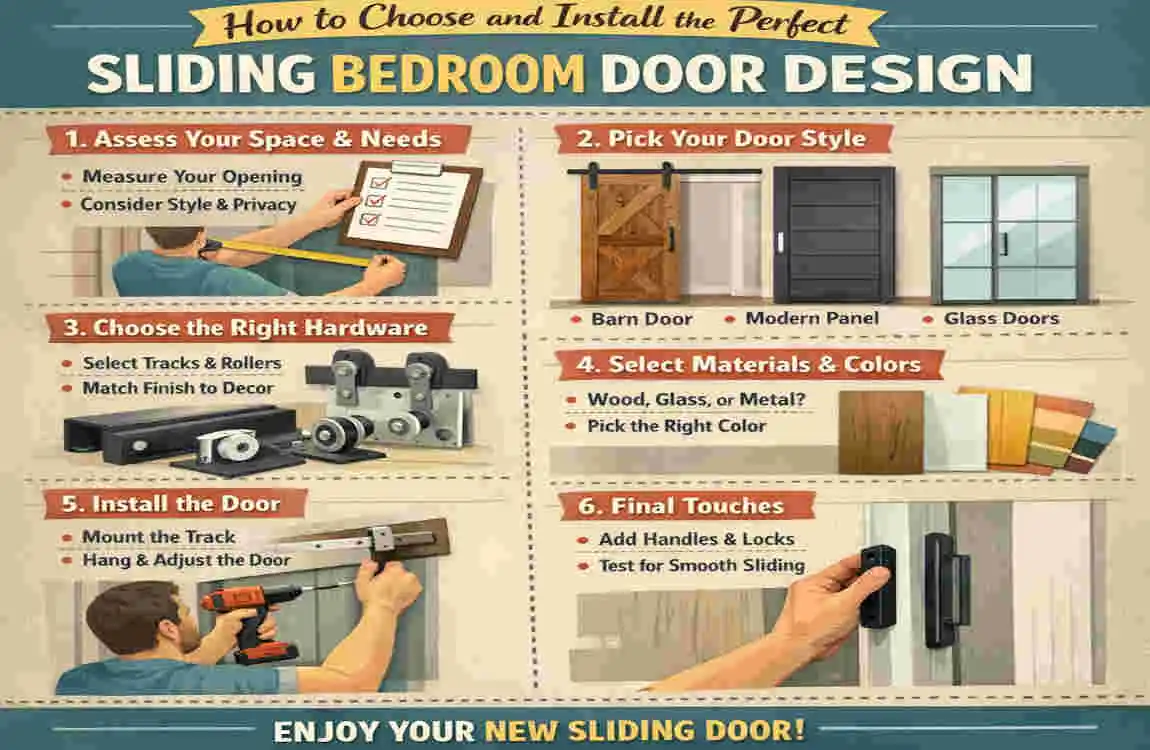
Now that you are inspired by these 15 incredible bedroom sliding door ideas, how do you actually choose and install the right one? Let us break down the process into a simple, step-by-step buyer’s guide.
Do not be intimidated. With a little planning, you can transform your room smoothly and easily. Follow these steps to ensure you get exactly what you need.
Step-by-Step Buyer’s Guide
- Measure Your Space Accurately: First, measure the width and height of your doorway. Your sliding door needs to be at least 2 inches wider and 1 inch taller than the opening to provide proper coverage and privacy. Next, check your wall space. You must have enough empty wall space next to the door for it to slide open completely.
- Choose Your Track Type: Decide between a top-hung track or a floor-mounted system. Top-hung tracks are the most popular because they leave your floor completely clear, avoiding tripping hazards.
- Match the Material to Your Style: Look around your room. Do you want to add warmth? Choose wood. Do you want to open the space up? Choose glass or mirrors. Do you want to add an edgy vibe? Choose metal.
- Decide between DIY vs. Pro install: Hanging a standard barn door on a top track is a very manageable weekend DIY project. You need a stud finder, a level, and a power drill. However, if you are installing a pocket door or a motorized door, hire a professional to avoid costly mistakes.
Budget and Material Comparison
To help you plan your project, here is a quick breakdown of what you can expect to spend based on your material choices.
Door Material Type Average Price Range Durability Best Room Style Fit
Hollow Core Wood $150 – $300 Medium Budget Modern, Minimalist
Solid Reclaimed Wood $300 – $700 Very High Farmhouse, Rustic
Frosted Glass / Acrylic $400 – $900 Medium/High Contemporary, Bright
Steel / Industrial Metal $900 – $2,500 Extremely High Urban Loft, Edgy
Smart / Motorized $1,500 – $4,000 Varies High-Tech, Luxury
Beware of Common Mistakes
When picking the best sliding bedroom door design for small spaces, homeowners often make a few critical errors. The biggest mistake is ignoring the track’s weight capacity. If you buy a heavy, solid oak door and hang it on cheap aluminum tracks meant for hollow doors, the track will eventually bend and rip out of the wall. Always check the weight rating!
Additionally, do not skip the bottom floor guide. Without a small guide pin at the bottom, your sliding door will swing away from the wall like a pendulum every time you touch it, scraping your paint and feeling incredibly cheap.
Sliding Bedroom Door Design Trends for 2026
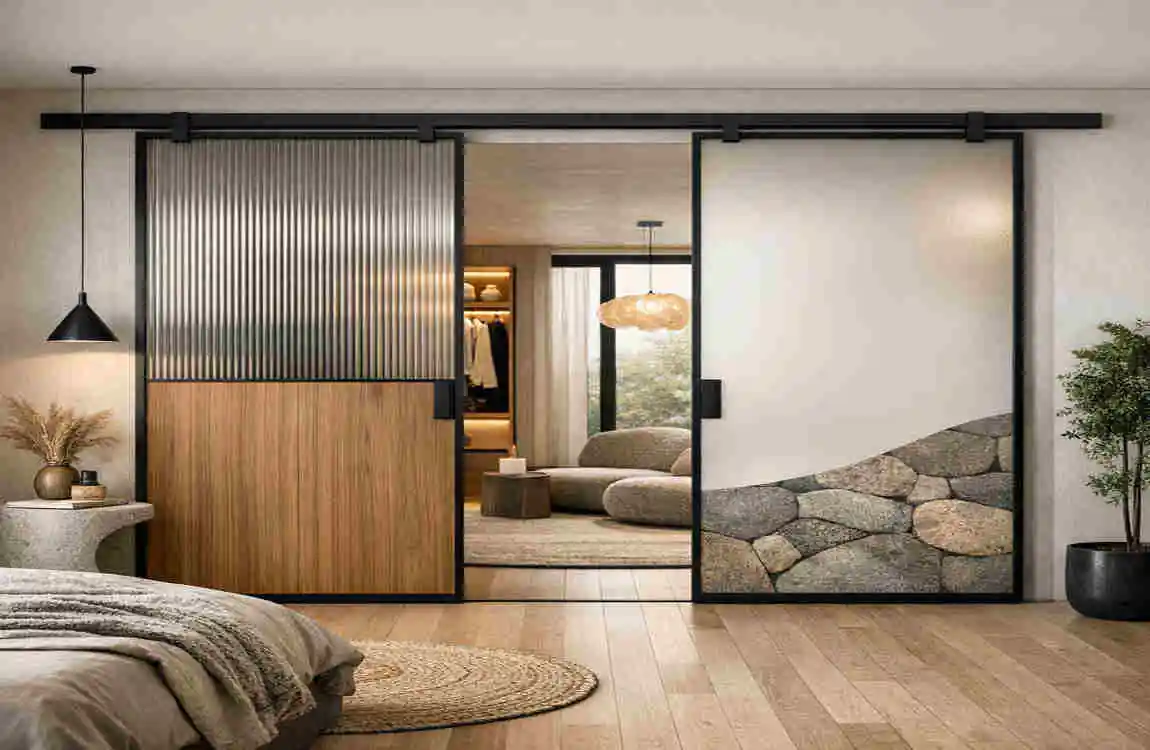
As we look toward the future of home renovations, a few massive trends are taking over the world of sliding bedroom door design. Sustainability is becoming a huge priority. We are seeing a massive rise in doors made from recycled wood, bamboo, and eco-friendly resins. Homeowners want their stylish choices to be kind to the earth as well.
We are also seeing an explosion of hybrid materials. Instead of just plain wood or plain glass, designers are mixing them. Picture a warm walnut door with sleek, asymmetrical frosted glass inserts. This gives you the warmth of wood with the light-filtering benefits of glass.
Finally, think about your home’s value. According to recent real estate reports for 2025 and into 2026, homes with modern, space-saving architectural details sell faster. Upgrading to high-quality sliding doors boosts your home’s interior appeal, raising perceived value by 5-10%. It is not just a style upgrade; it is a solid investment in your property.
Frequently Asked Questions About Sliding Bedroom Door Designs
Can You Actually Lock a Sliding Bedroom Door?
Yes, you absolutely can! Many people mistakenly believe that choosing a sliding door means giving up your privacy. However, that is simply not true. You just need to choose the right hardware for your specific door style.
If you are installing a pocket door, you can easily find integrated pocket door locks that feature a pop-out latch. For traditional wall-mounted barn doors, you have several stylish and highly effective options.
Here is a quick look at the most popular sliding door locks:
| Lock Type | Best For | How It Works |
|---|---|---|
| Teardrop Latch | Barn Doors | A simple, stylish metal teardrop flips into a wall-mounted slot. |
| Hook and Eye | Rustic Designs | A classic metal hook drops into a circular eye loop on the wall. |
| Pocket Door Lock | Pocket Doors | A recessed latch turns with a small thumb dial to secure the door inside the frame. |
| Keyed Sliding Lock | High Security | Uses a traditional key to lock a pin into the sliding track system. |
Do Sliding Doors Block Sound Well?
You might be wondering if a sliding door will keep your bedroom quiet. The honest answer is that a standard sliding door does not block sound quite as perfectly as a traditional swinging door. Because sliding doors hover just slightly off the wall and floor to glide smoothly, tiny gaps are left open where sound can travel.
But do not let that discourage you! You can easily maximize your noise reduction with a few simple tricks.
Here is how you can keep your room whisper-quiet:
- Choose a solid core door: Heavy materials like solid oak, thick MDF, or velvet-wrapped doors absorb sound much better than hollow-core options.
- Install acoustic weatherstripping: You can easily stick fuzzy weatherstripping along the edges of the door to seal up those tiny air gaps.
- Lower the track: Have your installer mount the door as close to the floor as safely possible to minimize the bottom gap.
Do I Need to Tear Open My Wall to Install One?
This is a very common fear! The thought of tearing down drywall and dealing with messy construction dust is enough to scare anyone away. Luckily, you only need to open your wall if you are specifically choosing a pocket sliding bedroom door design. Pocket doors require a hollow cavity inside the wall to hide the door.
If you choose a standard wall-mounted track (like a barn door or a top-hung modern slider), you do not need to demolish anything. These tracks mount directly onto the outside of your existing drywall.
As long as you locate your wooden wall studs and drill the track securely into them, you can often complete the installation in a single afternoon without creating a massive construction zone.
Are Sliding Bedroom Doors Safe for Kids and Pets?
If you have little ones running around or a curious dog, safety is your top priority. You will be happy to know that modern sliding doors are incredibly safe, provided you install them correctly.
Because they do not swing outward, you actually eliminate the risk of a door suddenly hitting a small child walking down the hallway. However, they are heavy, so you must use the right hardware.
Always check this quick safety list when setting up your door:
- Install a soft-close mechanism: This hidden device catches the door right before it hits the frame and pulls it shut gently. It completely prevents slammed fingers!
- Always use a bottom floor guide: This small bracket keeps the heavy door perfectly aligned. It stops the door from swinging outward if a dog jumps on it or a child pushes against it.
- Add track stops: These metal bumpers go at the very ends of your top track. They guarantee the door will never accidentally slide off the edge and fall.