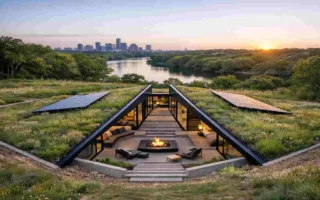
The A-frame house has captured the imagination of homeowners and architects alike, blending a nostalgic charm with modern innovation. These triangular-shaped homes, characterized by their steeply sloped roofs and open-concept designs, are making a strong comeback in 2025. Why? They perfectly align with today’s demands for energy-efficient, sustainable, and versatile living spaces.
From their practical beginnings as ski chalets to their evolution into contemporary architectural icons, A-frame houses stand out for their simplicity, adaptability, and eco-conscious design. Recent trends highlight modular construction techniques, biophilic elements, and expansive glass walls that seamlessly integrate with natural surroundings. These features make A-frame houses ideal for modern homeowners seeking both functionality and style.
History of A-Frame Houses
The Origins of A-Frame Houses
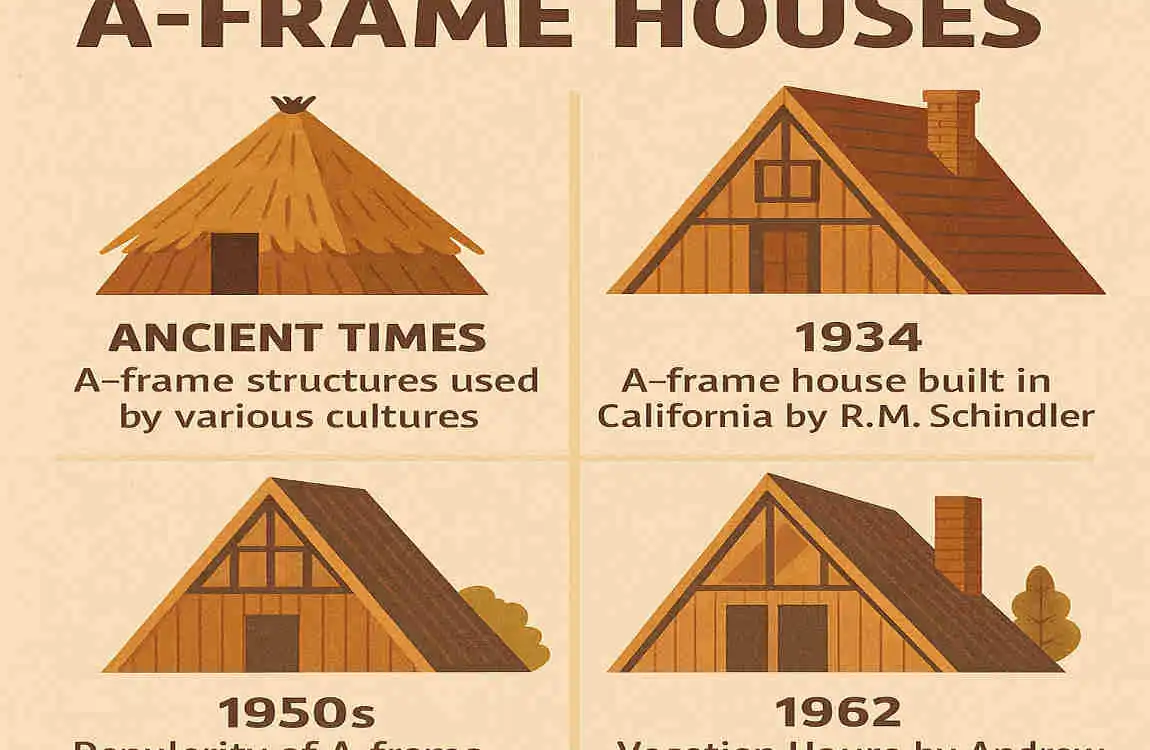
The A-frame house originated in the mid-20th century, primarily as a practical solution for snowy climates. The steeply sloped roofs allowed snow to slide off easily, preventing structural damage and ensuring the homes remained sturdy during harsh winters. These homes were especially popular in ski regions, where their design was ideally suited to the environment.
During the post-World War II era, the concept gained traction as architects began experimenting with prefabrication technologies to meet the growing demand for affordable housing. The A-frame’s simple triangular shape made it easy to construct, and its efficient use of materials appealed to budget-conscious buyers.
Evolution into Contemporary Icons
By the 1950s and 60s, A-frame houses had transformed from rustic cabins into symbols of modern leisure and vacation living. Companies like Lustron and Avrame created prefabricated kits that allowed homeowners to assemble their dream homes with ease. The design became synonymous with simplicity, freedom, and an escape from urban life.
In recent years, the A-frame house has experienced a resurgence, fueled by the tiny home movement and the rise of remote work. These homes offer the perfect blend of style, functionality, and affordability, making them a favorite among millennials and eco-conscious homeowners.
Key 2025 A-Frame House Trends
A-frame houses are evolving to meet the demands of 2025 homeowners, incorporating modern aesthetics, sustainable materials, and innovative construction methods. Here are the top trends defining this year:
Warm Minimalism and Biophilic Elements
Modern A-frame houses embrace warm minimalism, a design philosophy that combines simplicity with cozy, natural elements. Picture clean lines, earthy tones, and wooden textures that create a harmonious balance between functionality and comfort. To further enhance the connection to nature, many A-frame houses now include living walls, indoor plants, and biophilic design elements.
This trend reflects a growing desire for homes that feel like sanctuaries, providing peace and relaxation in today’s fast-paced world.
Wall-to-Wall Glass and Scenic Views
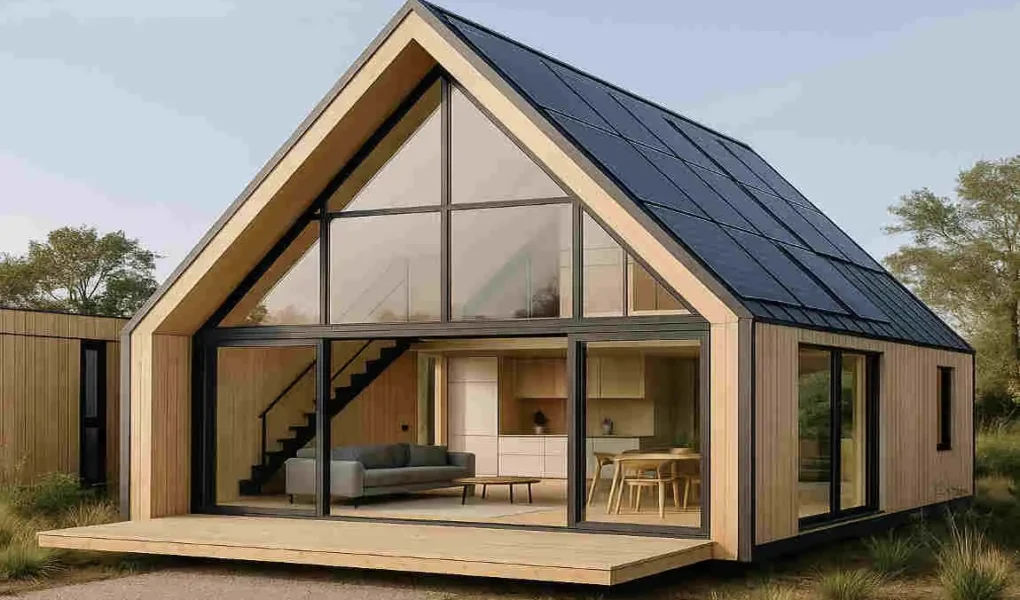
Another defining feature of 2025 A-frame houses is the incorporation of floor-to-ceiling windows. These expansive glass walls let in abundant natural light and offer breathtaking views of the surrounding landscape. Whether you’re nestled in a forest, perched on a mountain, or overlooking a serene lake, the A-frame’s design makes it the perfect retreat for nature lovers.
Glass walls also create a seamless indoor-outdoor connection, blurring the boundaries between the home and its environment.
Hybrid Construction Methods
To enhance durability and customization, architects are blending traditional timber frames with modern materials like steel and concrete. This hybrid approach ensures A-frame houses can withstand diverse climates while offering homeowners greater design flexibility. These materials also allow for unique architectural details, such as cantilevered decks and sleek interiors, giving the A-frame a contemporary edge.
Modern Modular Designs in A-Frame Houses
Prefabrication Advantages
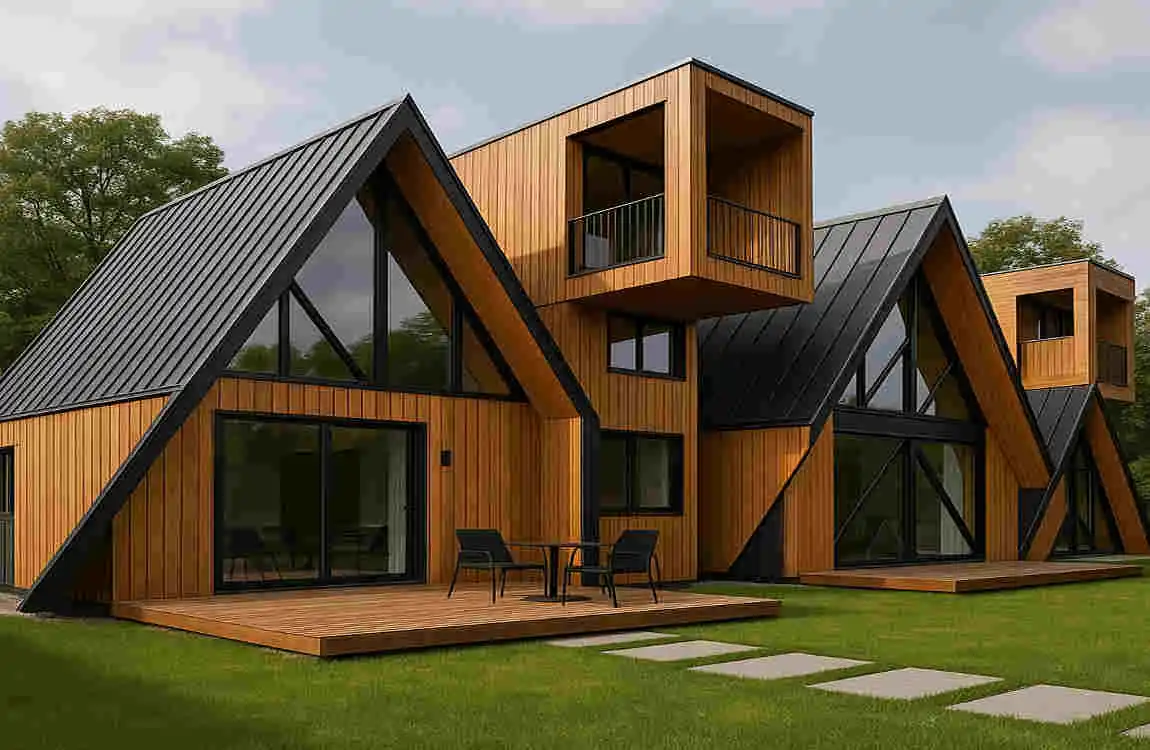
One of the most exciting developments in A-frame houses is the rise of modular construction. Modular A-frame homes are built in factories as individual sections, which are then transported to the building site for assembly. This method reduces construction costs by 20-30% and significantly shortens the building timeline.
Additionally, prefabrication minimizes waste, making it an eco-friendly option for budget-conscious homeowners.
Customization Options
Modular A-frame houses are highly customizable, allowing homeowners to tailor their designs to meet specific needs. Whether you prefer a compact European-style layout or a luxurious open-concept design inspired by Asia-Pacific, modular homes offer endless possibilities. Features like solar-ready roofs, expandable modules, and smart home technology make these homes future-proof.
Case Studies
One standout example is a modular A-frame house with solar panels integrated into its sloped roof, providing renewable energy for off-grid living. Another innovative design feature is expandable modules, which allow homeowners to add extra rooms as their needs evolve. These real-life examples showcase the versatility and potential of modular A-frame houses in 2025.
Sustainable Features for A-Frame Houses
Sustainability is at the forefront of A-frame house design in 2025. Homeowners are increasingly prioritizing eco-friendly materials and energy-efficient features to reduce their environmental footprint.
- FSC-Certified Timber: Using wood from responsibly managed forests ensures that your home is both beautiful and sustainable.
- Structural Insulated Panels (SIPs): These panels provide superior insulation, reducing energy consumption and keeping your home comfortable year-round.
- Reclaimed Materials: Incorporating reclaimed wood and recycled metal not only adds character to the home but also lowers its environmental impact.
Energy Efficiency and Off-Grid Living
The A-frame’s sloped roof is ideal for solar panel installations, making it easy to harness renewable energy. Many 2025 designs also adhere to passive house standards, which prioritize energy efficiency through airtight construction and high-performance windows.
For those seeking off-grid capabilities, features such as rainwater-harvesting systems and composting toilets can make your A-frame house entirely self-sufficient.
Open-Concept Interiors in A-Frame Houses
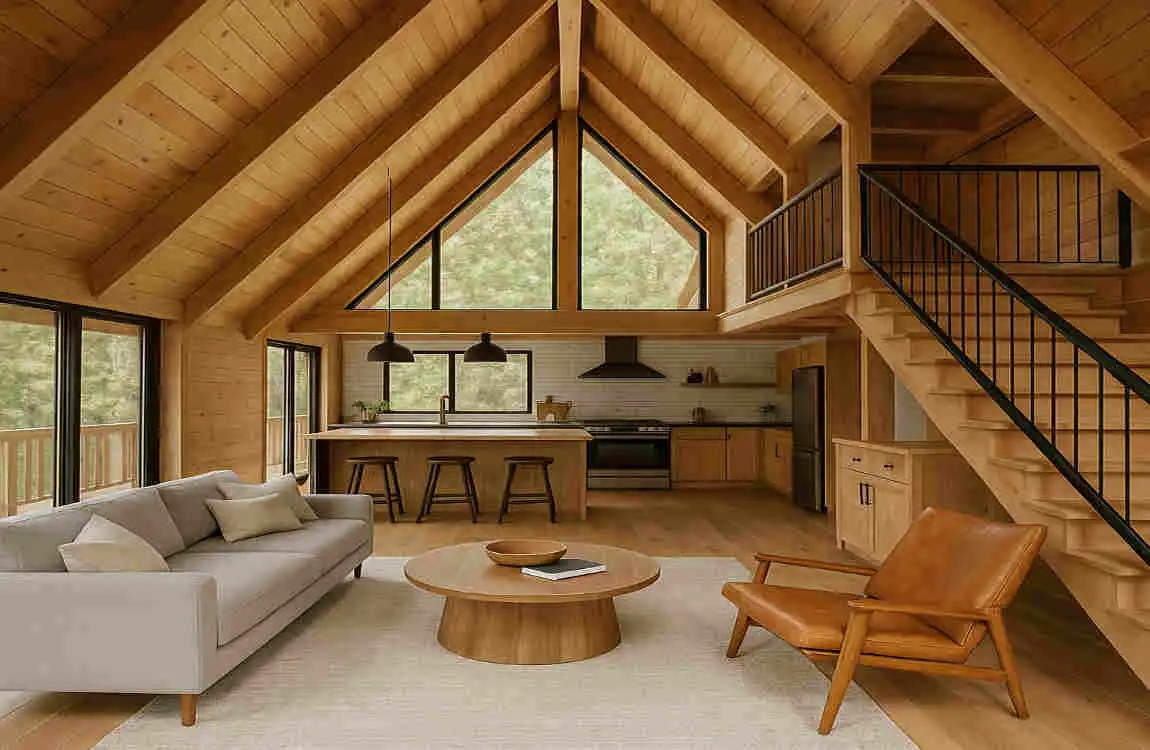
The interiors of A-frame houses have evolved to maximize space and functionality, despite their compact footprint.
Maximizing Vertical Space
One popular trend is removing lofts to expose the cathedral ceilings, creating a sense of openness and grandeur. This design choice makes the home feel larger and allows for airy, connected living spaces.
Multi-Functional Zones
With the rise of remote work, homeowners are designing multi-functional areas that can serve as home offices, playrooms, or guest spaces. Furniture like foldable desks and modular sofas adds to the flexibility.
Material and Lighting Choices
To enhance warmth and depth, many A-frame interiors feature natural wood finishes paired with LED strip lighting. These elements highlight the home’s unique architectural features while maintaining a cozy atmosphere.
Expanded Outdoor Integration
Their compact size no longer limits A-frame houses, thanks to innovative outdoor living solutions.
Wraparound Decks and Outdoor Kitchens
Modern A-frame designs often include wraparound decks that provide additional living space for relaxation and entertaining. Outdoor kitchens, fire pits, and seating areas make these decks perfect for hosting gatherings.
Covered Porches for All-Weather Use
For those in colder or rainier climates, covered porches offer a practical way to enjoy the outdoors year-round. By blending indoor and outdoor spaces, A-frame houses deliver a seamless living experience.
Cost, Building Process, and Practical Tips
Aspect Details Estimated Cost Savings
Modular Prefab Factory assembly reduces on-site labor 20-30% [1]
Hybrid Materials : Timber-steel mix for resilience , Variable by region [1]
Energy Features SIPs and solar integration Long-term utility cuts [3]
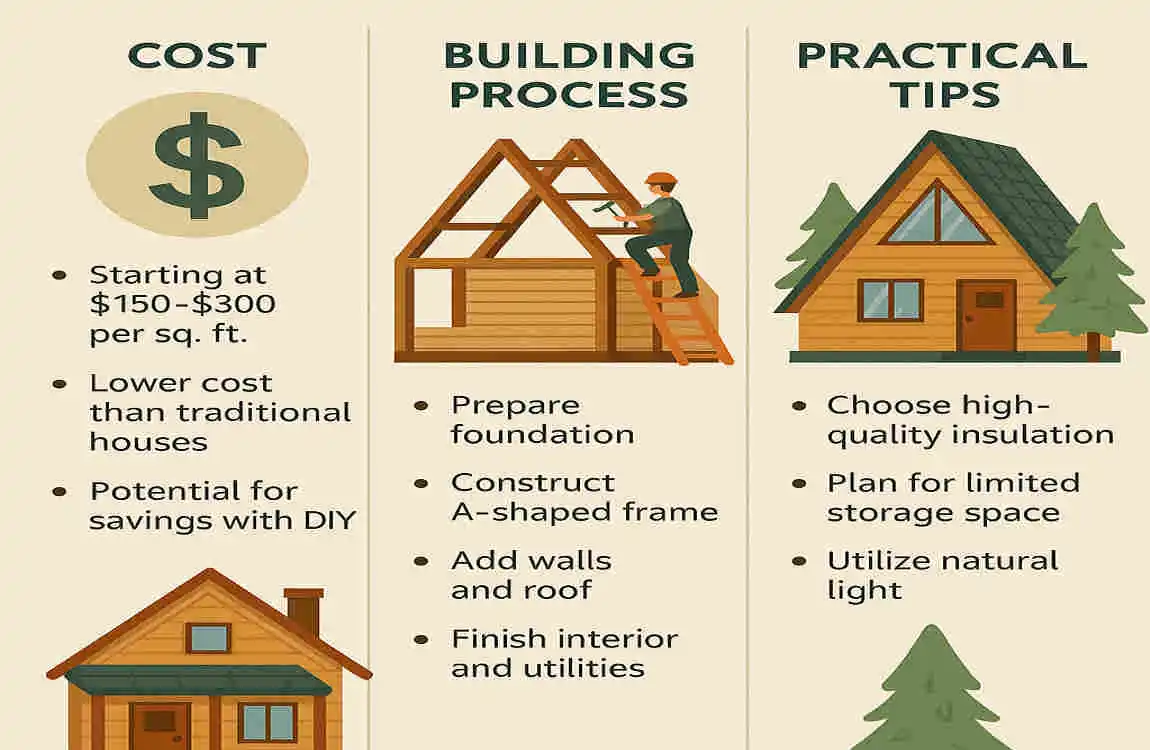
Building an A-frame house involves several key steps:
- Site Preparation: Clear and level the land, ensuring proper drainage.
- Module Delivery: Prefabricated sections are transported to the site.
- Assembly: The home is constructed in a matter of weeks, minimizing disruption.
FAQs
What makes an A-frame house energy-efficient?
Its sloped roof is ideal for solar panels, and features such as SIPs and passive design principles minimize energy use.
How much does a modular A-frame house cost?
Depending on size and materials, prices range from $150,000 to $300,000, with prefab options offering the most savings.