Have you ever stood in your bathroom, staring at those outdated walls, and wondered if you could tackle a painting project yourself? You’re not alone! Bathroom painting is one of the most popular DIY home improvement projects, and for good reason. It’s a fantastic way to transform your space without breaking the bank.
Understanding the Average Time to Paint a Bathroom

So, let’s get straight to the point. Most homeowners can paint a standard bathroom in 4 to 8 hours of active work time. However, when you factor in drying time between coats and proper preparation, you’re looking at a 1 to 2-day project overall.
Think of bathroom painting like baking a cake. You can’t rush the process if you want professional results. The actual “hands-on” painting might only take a few hours, but the magic happens during those waiting periods when paint properly cures and bonds to your walls.
Here’s how the time typically breaks down for each stage:
Time Breakdown by Stage
Stage Active Time Waiting/Drying Time
Preparation 1-2 hours None
Priming 1-1.5 hours 2-4 hours
First Coat 2-3 hours 2-4 hours
Second Coat 2-3 hours 4-6 hours
Touch-ups 30-60 minutes 1-2 hours
Remember, these are estimates for an average-sized bathroom (about 40 square feet of wall space). Your powder room might take less time, while the main bathroom with vaulted ceilings will definitely require more commitment.
The beauty of understanding these timeframes? You can plan accordingly. You’ll tackle prep work on Friday evening, paint on Saturday morning, and apply the second coat on Saturday afternoon. By Sunday, you’ll be admiring your handiwork!
Factors That Affect How Long It Takes to Paint a Bathroom
Let’s talk about what can speed up or slow down your bathroom painting project. Every bathroom is unique, and several factors will influence your timeline.
Bathroom Size and Layout
Size matters when it comes to painting time. A tiny powder room might take only 3-4 hours, while a spacious main bathroom could take 10-12 hours. Think about it – more wall space equals more painting time. It’s simple math!
The layout plays a crucial role, too. Bathrooms with lots of nooks, crannies, and awkward angles around fixtures take longer to paint than simple, rectangular spaces. If you’re working around a pedestal sink or navigating behind a toilet, add extra time for careful detail work.
Number of Coats Required
Here’s something many first-time painters don’t realize: darker colors often need more coats. If you’re covering a deep navy with a soft white, you might need three or even four coats for complete coverage. Each additional coat adds 2-3 hours of painting time plus drying time.
Light-to-light color changes usually require just two coats. But if you’re dealing with stains, water damage, or particularly porous walls, factor in extra coats and time.
Type of Paint and Drying Times
Water-based paints are your friend for quick projects. They dry faster (usually 1-2 hours between coats) and have less odor. Perfect for bathrooms where ventilation might be limited!
Oil-based paints, while more durable, can take 4-6 hours or even overnight to dry between coats. They’re worth considering for high-moisture areas, but they’ll definitely extend your project timeline.
Surface Condition Matters
New drywall drinks up paint like a sponge, requiring primer and possibly extra coats. Previously painted walls in good condition? You might get away with just two coats of quality paint.
But here’s where things get tricky. If you’re dealing with peeling paint, water damage, or repairs, add several hours for proper surface preparation. Trust me, this extra time investment pays off in the final result!
Additional Complexity Factors
Mold and mildew aren’t just unsightly – they’re time thieves. Treating these issues properly adds hours to your project, but it is absolutely essential for a lasting paint job.
The number of features you’re painting around also impacts timing. Every towel bar, light fixture, and outlet requires careful taping or removal. Intricate tilework or decorative trim requires more time for cutting in with a brush.
Your tools make a difference, too. A quality roller covers walls faster than a brush, while a paint sprayer (if you’re experienced) can cut painting time in half. But remember – faster isn’t always better if you sacrifice quality!
Step-by-Step Process of Painting a Bathroom with Estimated Time Frames
Now let’s walk through each step of painting your bathroom, with realistic time estimates for each phase.
Planning and Gathering Materials (30 mins – 1 hour)
Start with a solid plan. This isn’t the glamorous part, but it’s crucial! Spend time choosing your paint color and finish. For bathrooms, semi-gloss or satin finishes work best because they resist moisture and are easy to clean.
Make a comprehensive shopping list. You’ll need:
- Paint (calculate about 1 gallon per 350-400 square feet)
- Primer (if needed)
- Brushes and rollers
- Painter’s tape
- Drop cloths
- Sandpaper
- Spackling compound
Pro tip: Buy everything in one trip. Nothing kills momentum like realizing you’re missing painter’s tape halfway through prep work!
Preparing the Bathroom (1 to 2 hours)
Preparation is where amateurs become professionals. Start by clearing everything out. Remove towels, rugs, and any movable items. Your bathroom should look like a blank canvas.
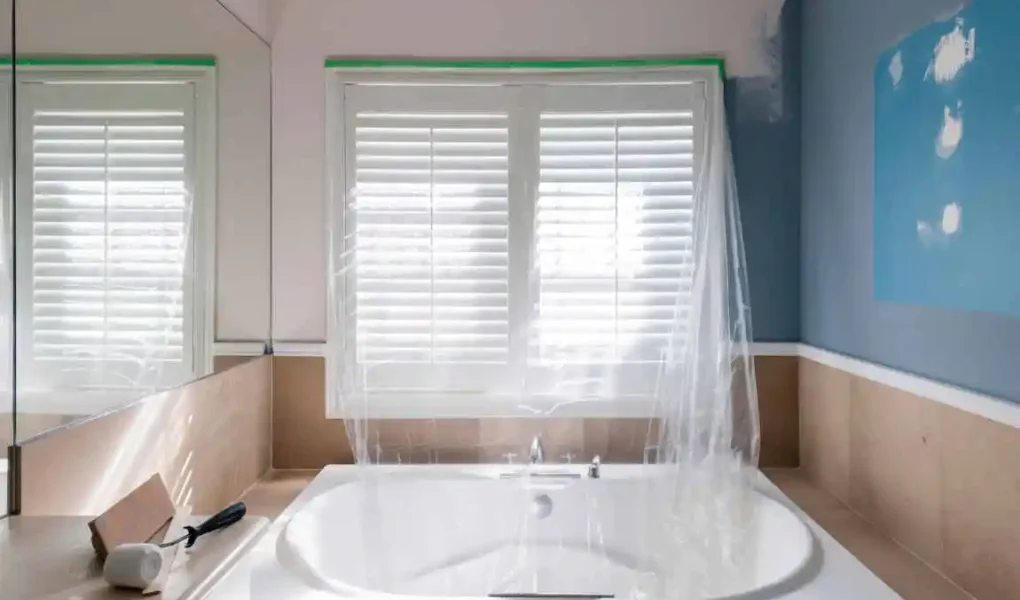
Cover your floors with drop cloths or plastic sheeting. Trust me, paint drips happen to everyone! Remove switch plates and outlet covers – this takes just minutes but makes a massive difference in the final look.
Clean your walls thoroughly. Bathroom walls accumulate hairspray, moisture, and other residues that prevent paint adhesion. Use a mild detergent solution, then let the walls dry completely.
Now’s the time to fill nail holes and repair any cracks. Apply spackling compound, let it dry, then sand smooth. This might add 30 minutes, but those perfect walls will make you proud!
Tape off areas you don’t want painted. Take your time here – crisp lines separate DIY from professional-looking results. Run your finger along the edge of the tape to ensure a tight seal.
Priming the Walls (if needed) (1 to 1.5 hours + drying time)
Not every bathroom needs primer, but many do. Use primer when:
- Painting over dark colors
- Covering stains or watermarks
- Painting new drywall
- Switching from oil-based to water-based paint
Apply primer just like paint, using a brush for edges and a roller for large areas. Work systematically—start at the top and work down. Most primers dry in 1-2 hours, but check the can for specific timing.
While the primer dries, this is a perfect time to clean your brushes and grab a coffee. You’ve earned it!
Painting the Walls (2 to 3 hours per coat)
This is the moment you’ve been waiting for! Start by “cutting in” – using a brush to paint a 2-3 inch border along edges, corners, and around fixtures. This creates a frame for your roller work.
Load your roller properly. Dip it in paint, then roll it on the tray’s ridged area to distribute paint evenly. Apply paint in a W or M pattern, then fill in with parallel strokes. Work in small sections, maintaining a wet edge to avoid lap marks.
Don’t rush! Thin, even coats dry faster and look better than one thick coat. Most bathrooms need two coats for optimal coverage and color depth.
Between coats, wrap your brush and roller in plastic wrap or aluminum foil. This keeps them moist and saves time on cleaning. Wait the recommended time between coats—usually 2-4 hours for water-based paints.
Painting Trim, Doors, and Cabinets (optional) (1 to 2 hours)
If you’re going all-in, painting trim and cabinets can completely transform your bathroom. Use a high-quality angled brush for this detail work. Steady hands and patience are your best tools here.
For cabinets, consider removing the doors to make painting easier. Label them and their hardware in bags—you’ll thank yourself during reassembly!
Apply thin coats to avoid drips on vertical surfaces. Trim paint often requires a longer drying time, so plan accordingly.
Cleanup and Final Touch-ups (30 mins to 1 hour)
The finish line is in sight! Once your final coat is dry to the touch (usually 1-2 hours), carefully remove painter’s tape. Pull it at a 45-degree angle for the cleanest lines.
Inspect your work with fresh eyes. Look for missed spots, especially around fixtures and in corners. A small artist’s brush is perfect for touch-ups.
Clean your brushes and rollers immediately – dried paint is much harder to remove. Properly maintained tools can last for years of DIY projects!
Replace outlet covers and switch plates. Step back and admire your work. You’ve just transformed your bathroom!
Tips to Speed Up the Bathroom Painting Process Without Sacrificing Quality

Want to work smarter, not harder? Here are insider tricks to streamline your bathroom painting project.
Efficient Planning and Prepping Tips
Organization is your secret weapon. Set up a painting station outside the bathroom with all your supplies. This prevents constant trips to the garage or basement.
Use high-quality painter’s tape—it costs more but delivers cleaner lines and easier removal. Apply tape while the walls are being cleaned to maximize efficiency.
Consider using a primer-paint combination for specific projects. These products can eliminate an entire step, saving hours of work and drying time.
Proper Use of Tools and Materials
Invest in quality tools. A good roller cover holds more paint and provides better coverage, so you need fewer trips to the paint tray. An extension pole saves your back and speeds up painting ceilings and upper walls.
Use the right size roller for your bathroom. A 9-inch roller covers walls quickly, while a 4-inch roller navigates tight spaces better.
Keep multiple brushes handy. While one dries after cutting in, use another for the next wall. This assembly-line approach maintains momentum.
Ideal Paint Selections for Quicker Drying and Coverage
Choose paint with excellent hide properties. Premium paints often cover in fewer coats, saving time overall. Look for paints labeled “one-coat coverage” for light color changes.
Quick-dry formulas are game-changers for bathroom projects. Some brands offer paints that dry in as little as 30 minutes, allowing you to apply multiple coats in one day.
Consider paint-and-primer-in-one products for previously painted, well-maintained walls. They’re perfect for simple color updates.
Using Fans or Dehumidifiers to Reduce Drying Time
Airflow is crucial for faster drying. Position a fan to circulate air without blowing directly on wet paint (which can cause uneven drying).
In humid climates or seasons, run a dehumidifier. Lower humidity significantly reduces drying time and helps paint cure properly.
Open windows if the weather permits, but avoid painting on extremely humid or cold days when possible.
Common Mistakes That Can Extend Your Bathroom Painting Time
Let’s talk about pitfalls that can turn your weekend project into a week-long saga.
Poor Preparation and Cleaning
Skipping prep work is the biggest time-waster. Paint won’t adhere properly to dirty or damaged walls, leading to peeling and the need for complete do-overs.
Many DIYers underestimate cleaning time. Bathroom walls need thorough cleaning due to accumulated moisture, soap residue, and hairspray. Budget adequate time for this crucial step.
Failing to protect surfaces leads to time-consuming cleanup. Those few minutes spent taping and covering save hours of scraping paint off tiles or fixtures.
Skipping Primer or Applying Uneven Coats
Trying to skip primer on problematic surfaces backfires every time. You’ll end up applying extra coats of expensive paint when primer would have solved the issue efficiently.
Thick, uneven coats cause multiple problems: drips, extended drying time, and poor finish quality. Remember, two thin coats always beat one thick coat.
Inconsistent pressure while rolling creates an uneven finish requiring additional coats. Maintain steady, even pressure throughout.
Using the Wrong Paint or Tools
Flat paint in bathrooms is asking for trouble. It doesn’t stand up to moisture or cleaning. Choosing the wrong finish means repainting sooner than necessary.
Cheap brushes and rollers leave marks, shed bristles, and require more coats. Quality tools are an investment, not an expense.
Using old paint can cause significant delays. Paint separates and thickens over time. If it’s been sitting in your garage for years, buy fresh paint.
Rushing Without Allowing Proper Drying Time
Impatience is the enemy of a professional finish. Applying the second coat too soon causes the first coat to pull and create an uneven texture.
Removing tape too early causes paint to peel, requiring touch-ups. Wait until the paint is dry to the touch, not just tacky.
Using the bathroom too soon after painting can cause moisture damage to fresh paint. Wait at least 24 hours before taking steamy showers.
How Professional Painters Work Differently and the Time Savings They Offer
How do pros complete bathroom painting so quickly? Let’s peek behind the curtain.
Overview of Professional Tools and Techniques
Professional painters have specialized equipment that speeds up the process. High-quality sprayers can paint an entire bathroom in under an hour (not including prep).
They use commercial-grade rollers and brushes that hold more paint and provide smoother coverage. Their extension poles and specialized trim brushes make quick work of detailed areas.
Pros know exactly which primer and paint combination works best for each situation. This expertise eliminates guesswork and wasted time.
Their systematic approach is refined through experience. While you’re figuring out the best sequence, they’re already three steps ahead.
Time Comparison: DIY vs Hiring a Pro
A professional can typically complete a bathroom painting project in 4-6 hours, whereas a DIYer might take 8-12 hours spread over a weekend.
Here’s the breakdown:
DIY Timeline:
- Day 1: Prep and prime (3-4 hours active time)
- Day 2: First and second coat (4-5 hours active time)
- Day 3: Touch-ups and cleanup (1-2 hours)
Professional Timeline:
- Morning: Complete prep and prime
- Afternoon: Both coats applied
- Next day: Quick touch-up if needed
Professionals also handle unexpected issues quickly. Water damage? They’ve seen it before. Difficult stains? They know precisely which primer to use.
When It Makes Sense to Hire a Professional
Consider hiring a pro when:
- You’re preparing your home for sale (perfect finish matters)
- The bathroom has significant repairs needed
- You’re short on time but need quality results
- Multiple bathrooms need painting simultaneously
- You’re dealing with lead paint or other hazards
Calculate the actual cost of DIY: paint, tools, your time, and potential mistakes. Sometimes professional painting is surprisingly cost-effective!
Additional Considerations for Bathroom Painting Time
Several often-overlooked factors can impact your painting timeline.
Ventilation and Humidity Impact on Drying
Bathrooms are naturally humid spaces, which significantly affects paint drying. That exhaust fan isn’t just for showers—run it continuously while painting and drying.
Poor ventilation can double drying time. If your bathroom lacks windows or adequate ventilation, consider renting or borrowing additional fans.
High humidity can cause paint to remain tacky for hours longer than expected. Check the weather forecast and avoid painting on particularly humid days when possible.
Monitor bathroom humidity with an inexpensive hygrometer. Ideal painting conditions are between 40% and 50% humidity. Above 70% humidity, consider postponing your project.
Seasonal Influences (Winter vs Summer)
Summer painting has advantages: windows can stay open, paint dries faster, and longer daylight hours give you more working time. However, extreme heat can cause paint to dry too quickly, leading to brush marks.
Winter painting requires different strategies. Cold temperatures slow drying significantly. Keep your home’s heat at least 50°F (10°C) for proper paint curing.
Spring and fall often provide ideal painting conditions with moderate temperatures and humidity. If you have flexibility, plan your project during these seasons.
Consider that seasonal moisture levels affect your bathroom differently. Winter heating creates dry conditions, while summer humidity lingers. Adjust your drying time expectations accordingly.
Safety Tips for Painting in Small, Enclosed Spaces
Never underestimate ventilation needs. Even low-VOC paints release fumes that can cause headaches or dizziness in enclosed spaces. Take frequent fresh air breaks.
Wear appropriate protective equipment. Safety glasses protect from splatter, and a respirator mask is wise for primer application or when using oil-based products.
Keep the bathroom door open and use fans to create cross-ventilation. Position fans to blow fumes out rather than circulate them.
Stay hydrated and listen to your body. If you feel lightheaded, take a break immediately. No paint job is worth risking your health.