Your roof works hard every single day. It protects your home from rain, wind, heat, and cold. But like any part of your house, it needs regular care to stay in good shape. If you learn how to maintain the roof properly, you can prevent small problems from turning into expensive repairs.
Good roof care also helps your roof last longer. That means fewer leaks, less damage, and better peace of mind during storms. In many cases, simple maintenance can save you a lot of money over time.
Why Roof Maintenance Matters
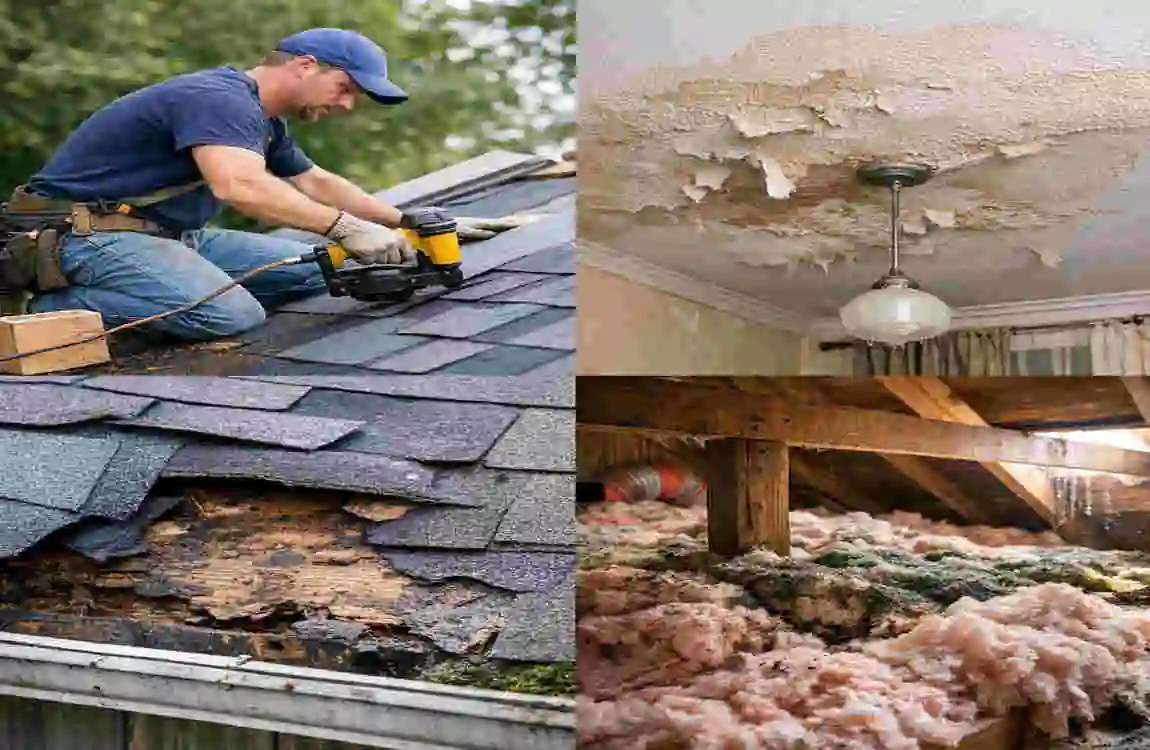
Protects Your Home from Weather Damage
Your roof is constantly exposed to the weather. Heavy rain can find weak spots. Strong wind can lift shingles. Sunlight can dry out roofing materials over time. Snow and ice can add extra weight and create hidden problems.
When you keep up with residential roof maintenance, you help your roof better withstand these conditions. That means less chance of leaks, cracks, and broken shingles.
Extends Roof Lifespan
A roof that gets regular care usually lasts longer than a roof that gets ignored. Small repairs, quick cleanups, and regular inspections all help reduce wear.
This is one of the smartest ways to avoid replacing your roof too early. A good roof maintenance schedule protects your investment and helps you get the most life out of your roofing system.
Saves Money on Repairs
It is always cheaper to fix a small issue early than to deal with a major repair later. For example, a clogged gutter may seem minor, but it can cause water to back up under the roof.
That is why a simple roof repair and maintenance routine matters. It helps you catch problems before they become costly.
Improves Energy Efficiency
A healthy roof also supports better insulation and ventilation. When air flows properly through the attic, your home stays cooler in summer and warmer in winter.
This can help lower energy bills and make your home more comfortable.
How to Maintain a Roof: Essential Maintenance Tasks
Inspect Your Roof Regularly
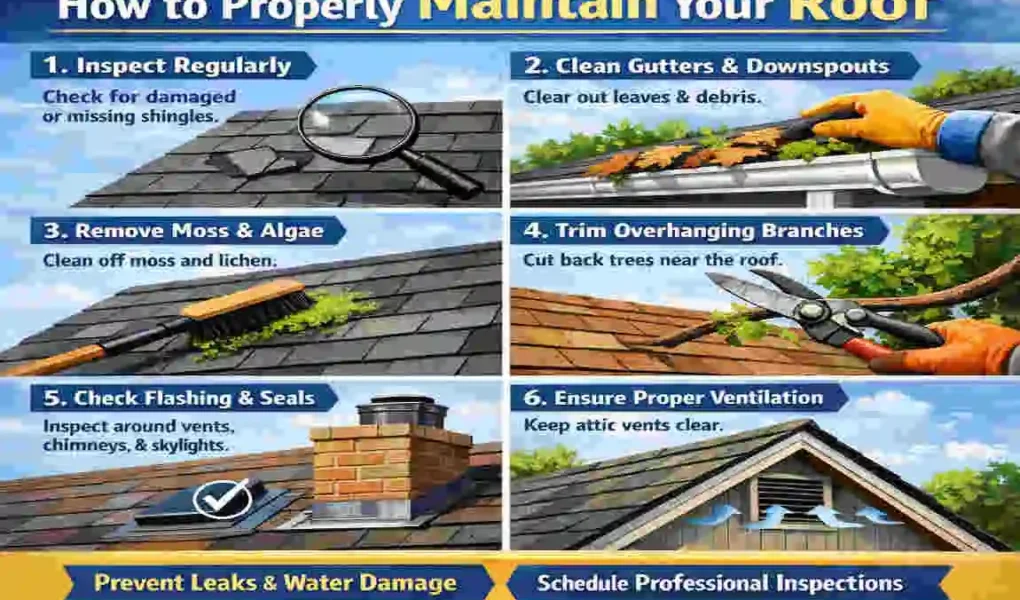
One of the most important roof maintenance tips is simple: check your roof often. You do not need to climb on the roof every time. A safe visual check from the ground can still reveal a lot.
Look for:
- Missing or curled shingles
- Dark patches
- Sagging areas
- Debris buildup
- Signs of water near walls or ceilings
If anything looks unusual, it may be time for a closer inspection.
Clean Gutters and Downspouts
Clean gutters are a big part of properly maintaining the roof. When gutters fill with leaves and dirt, water cannot flow away from the house. That can lead to overflow, leaks, and damage along the roof edge.
Make sure gutters and downspouts stay clear so rainwater drains away the way it should.
Remove Moss, Algae, and Mould
Moss and algae may seem harmless, but they can slowly damage roofing material. They hold moisture against the roof surface, which can weaken shingles over time.
Use safe cleaning methods and avoid harsh scrubbing. If the growth is widespread, a roofing professional can help remove it without causing extra damage.
Trim Overhanging Tree Branches
Trees add shade and beauty, but branches too close to the roof can cause problems. They may scrape shingles in strong winds, drop leaves into gutters, or even damage the roof in a storm.
Keeping branches trimmed is a simple way to prevent roof damage.
Check Roof Flashing
Flashing is the thin material placed around chimneys, vents, skylights, and other roof openings. It helps stop water from getting into the house.
If flashing becomes loose, bent, or cracked, water can slip through. Check these areas carefully and repair problems quickly.
Spring Roof Maintenance
Spring is a great time to inspect your roof after winter. Cold weather, snow, and ice may have caused damage that is not easy to see at first.
Check for loose shingles, stains, and clogged gutters. This is also a smart time to review your roof inspection checklist and note anything that needs repair.
Summer Roof Maintenance
Summer heat can be tough on roofing materials. Shingles may crack, sealants may dry out, and attic heat can build up if ventilation is poor.
Take time to check attic airflow and look for signs that the roof is getting too hot. Good ventilation supports long-term roof health.
Fall Roof Maintenance
Fall is one of the most important times to focus on roofing maintenance schedule tasks. Leaves, twigs, and debris can collect quickly.
Clean gutters, remove roof debris, and check that flashing and shingles are secure before winter arrives. This is also a good time to schedule a professional inspection.
Winter Roof Maintenance
Winter brings snow, ice, and freezing temperatures. These conditions can lead to ice dams and extra weight on the roof.
Watch for signs of trouble, but avoid unsafe climbing or heavy snow removal unless you are properly trained. If snow is accumulating in a dangerous way, contact a professional.
Common Roof Problems and How to Prevent Them
Missing or Damaged Shingles
Shingles can loosen or break due to wind, age, or storm damage. Missing shingles leave parts of your roof exposed to water.
To prevent this, inspect after storms and replace damaged shingles quickly.
Roof Leaks
Leaks often start small and hidden. They may come from cracked flashing, worn shingles, or clogged gutters.
The best prevention is regular inspection and immediate repair when you spot a problem.
Standing Water
Flat or low-slope areas can sometimes hold water. This can weaken roofing material and cause leaks.
Good drainage is the key. Keep gutters clear and ensure water can flow off the roof properly.
Cracked Flashing
Flashing can crack, bend, or pull away over time. Once that happens, water can enter around roof openings.
Check for flashing during your routine roof inspection and repair it quickly if needed.
Poor Ventilation
Poor attic ventilation can trap heat and moisture. That can shorten the roof’s life and cause mould or wood damage.
Make sure the attic has proper airflow so your roof stays dry and balanced.
Pest Infestations
Birds, squirrels, and insects can damage roof materials or nest in weak spots. Trim tree branches and seal openings to keep pests away.
Signs Your Roof Needs Immediate Attention
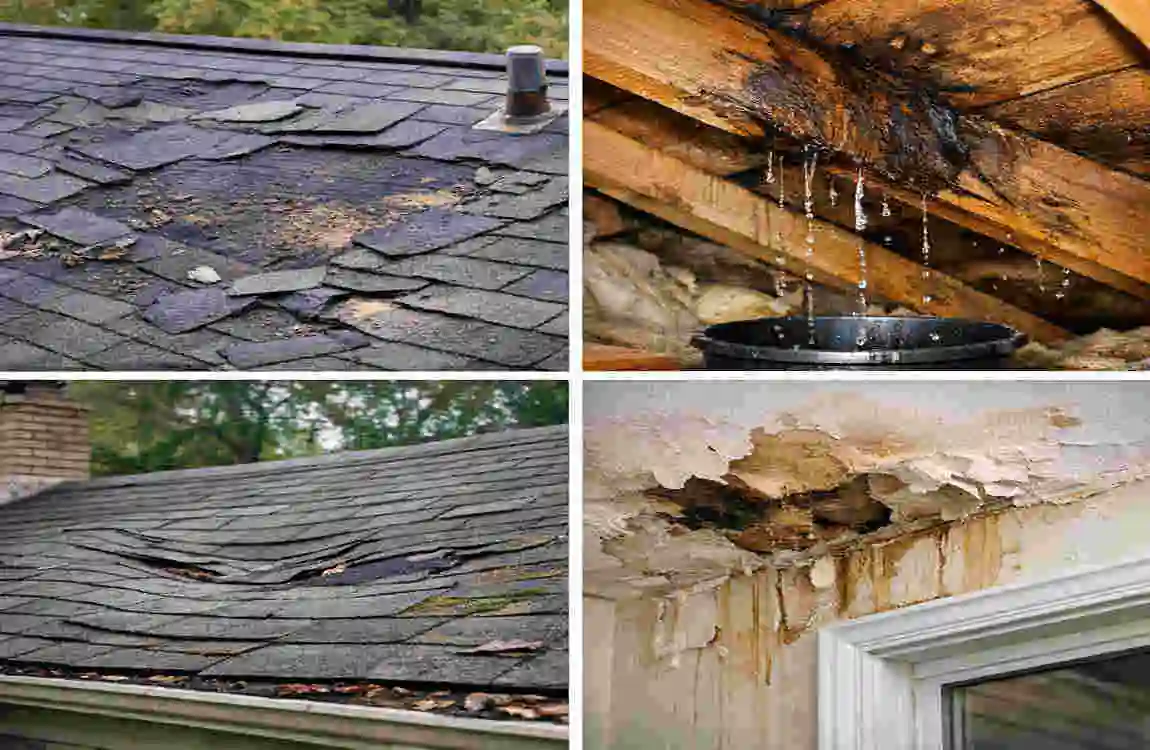
Some roof problems cannot wait. If you notice any of the signs below, take action quickly.
- Water stains on ceilings
- Sagging roof areas
- Mould growth in the attic or on top walls
- Granules are collecting in gutters
- Higher energy bills without another clear cause
These are often warning signs that your roof needs repair. Acting early can help you avoid more extensive damage to your home.
DIY Roof Maintenance vs Hiring a Professional
Maintenance Tasks Homeowners Can Do
There are some roof care tasks most homeowners can handle safely. These include:
- Cleaning gutters
- Looking for visible damage from the ground
- Removing light debris like leaves and branches
- Checking attic signs of leaks
These simple steps are part of a good roof maintenance checklist.
When to Call a Roofing Contractor
Call a professional if you see:
- Structural damage
- Repeated leaks
- Large missing sections of shingles
- Mould spreading in hidden areas
- Damage after a major storm
If the repair is beyond a basic fix, a roofing expert is the safer choice.
Benefits of Professional Roof Inspections
A trained roofer can spot hidden issues that are easy to miss. They can also advise you on the best roof maintenance tips for your roof type and age.
Professional inspections are especially helpful if your roof is older or has already had repairs.
Best Practices for Long-Term Roof Care
Keep Records of Inspections
Write down when you inspect your roof, what you found, and what repairs were made. This helps you track changes over time.
Schedule Annual Roof Checkups
Even if your roof looks fine, a yearly inspection is a smart habit. It supports long-term roof maintenance planning and helps catch hidden wear early.
Ensure Proper Attic Ventilation
A well-ventilated attic protects the roof from heat and moisture buildup. This is one of the most overlooked parts of residential roof maintenance.
Address Repairs Immediately
Small repairs should never be delayed. A tiny leak or loose shingle can grow into a much larger issue if ignored.
Use Quality Roofing Materials
When repairs or replacements are needed, choose strong materials that fit your climate and roof type. Better materials usually mean fewer problems later.
Frequently Asked Questions
How often should I inspect my roof?
Most experts recommend checking your roof at least twice a year, usually in spring and fall.
What is the best way to maintain a roof?
The best method is to combine regular inspections, gutter cleaning, debris removal, and quick repairs.
Can I maintain my roof myself?
Yes, basic tasks like visual checks and gutter cleaning are often fine for homeowners. Bigger repairs should be left to professionals.
How long does a well-maintained roof last?
Depending on the material, a well-maintained roof can last 20 to 50 years or more.
What causes roofs to deteriorate quickly?
Common causes include poor maintenance, clogged gutters, harsh weather, weak ventilation, and delayed repairs.
Is professional roof maintenance worth it?
Yes. A professional can spot problems early and help you avoid larger, more expensive damage later.
| Roof Maintenance Task | What to Do | Recommended Frequency |
|---|---|---|
| Inspect the Roof | Check for missing, cracked, or curling shingles and signs of damage. | Twice a year (spring and fall) |
| Clean Gutters | Remove leaves, debris, and dirt to prevent water buildup. | Every 3–6 months |
| Remove Debris | Clear branches, leaves, and moss from the roof surface. | As needed |
| Check for Leaks | Inspect ceilings, attic spaces, and walls for water stains. | Monthly |
| Trim Overhanging Trees | Cut branches that can damage shingles or drop debris. | Annually |
| Examine Flashing | Ensure metal flashing around chimneys, vents, and skylights is secure. | Twice a year |
| Prevent Moss and Algae | Use roof-safe cleaning products to remove growth. | As needed |
| Inspect Attic Ventilation | Make sure vents are unobstructed to reduce moisture buildup. | Annually |
| Check After Storms | Look for damage caused by high winds, hail, or heavy rain. | After severe weather |
| Schedule Professional Inspection | Hire a roofing expert for a detailed assessment. | Every 1–2 years |