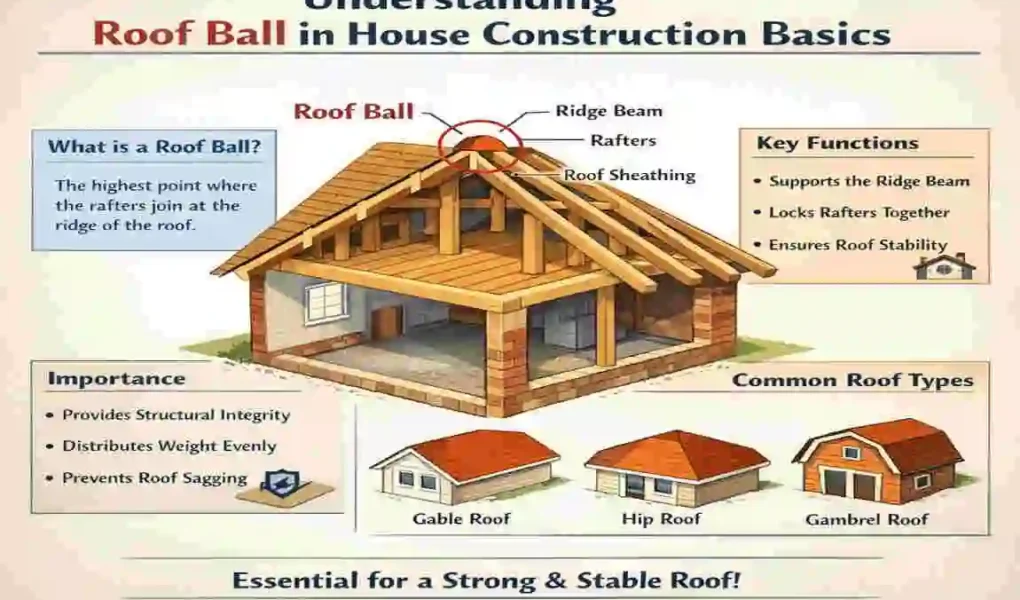
When people ask “what is roof ball”, they usually mean a roofing term they heard during a building discussion. The truth is simple: roof ball is not a standard construction term. In most cases, it is a misheard or informal way of saying “roof ballast” or another roof-related term.
This matters because roofing is a key part of any house. It keeps the home safe from wind, rain, heat, and other weather conditions. If you do not understand the names of roof parts, it becomes harder to talk clearly with a contractor, builder, or engineer.
So, if you came here wondering what a roof ball is, the short answer is this: it is usually not an official term, but it is often associated with roof ballast or other roof system components.
What is a roof ball?

The term “roof ball” is not commonly used in professional construction terminology. People may use it by mistake when they mean something else.
Most often, they are talking about roof ballast. Roof ballast is the layer of heavy material, such as stone or gravel, placed on certain flat roofs. It helps hold the roof membrane in place and protects it from wind.
Sometimes, the term may also be confused with:
- Roof beams
- Roof battens
- Roof trusses
- Roof ridge parts
So, when someone says roof ball, it is important to ask what they actually mean. In construction, clear terms save time, money, and mistakes.
Purpose of Roof Ball in Construction
If the term is being used to mean roof ballast, then its purpose is easy to understand.
Holds the roof in place. The weight helps prevent the roofing layer from moving during strong winds.
Adds stability. It gives the roof extra support, especially on flat roof systems.
Protects roofing material. It can help shield the roof surface from sunlight and weather damage.
Improves durability. A stable roof often lasts longer and performs better over time.
In simple words, the idea behind roof ballast is to make the roof stronger, safer, and more secure.
Roofing Parts Often Confused With Roof Ball
Many roofing terms sound similar, which is why confusion happens. Here is a simple table to help you understand the difference:
Roofing TermWhat It MeansMain Use
Roof ballast Heavy material placed on some roofs Holds roofing layers down
Roof beams Strong horizontal structural members Support the roof load
Roof battens Narrow strips fixed to the roof frame Help hold tiles or sheets
Roof trusses Triangular frame structures Carry and spread roof weight
Roof ridge Top line where roof sides meet Forms the roof peak
This table shows why “roof ball” may not be the right term. It is often mistaken for one of these real roofing parts.
Materials Used in Roof-Related Structures
Roof systems use different materials depending on the design and building type. Common materials include:
- Concrete – used in strong roof structures and flat roof systems
- Gravel – often used in ballast roofs
- Timber – common in traditional roof framing
- Steel – used for stronger support and large spans
- Composite materials – used in modern roofing systems for durability
Each material has a different job. Some support the weight, some protect the roof surface, and some enhance weather resistance.
Common Mistakes in Understanding Roofing Terms
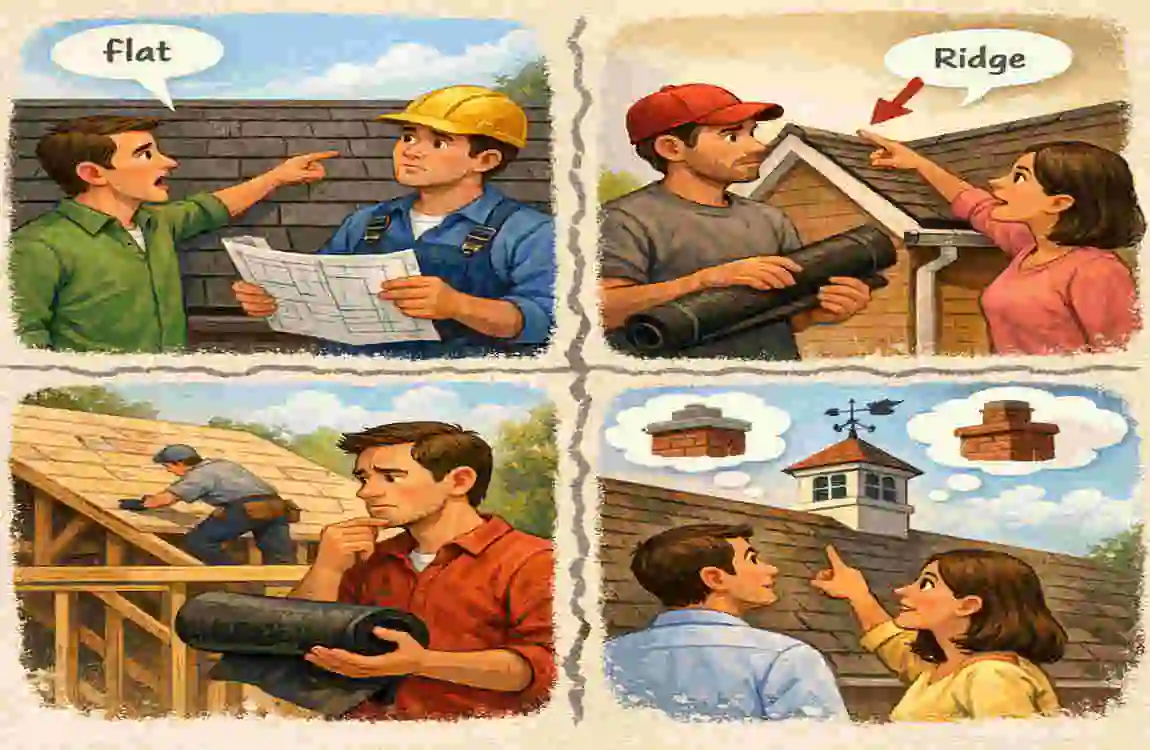
People often make simple mistakes when talking about roof parts.
- They use the wrong word for a roof component
- They mix up ballast and structural parts
- They guess instead of asking for clarification
- They give unclear instructions to contractors
These mistakes can lead to confusion on the job site. That is why it is always better to use the exact term or ask for a clear explanation.
Expert Tips for Homeowners
If you are planning roof work, these tips can help:
- Ask your contractor to explain each part
- Use photos or drawings when discussing roof parts
- Check the exact material names
- Speak to an engineer or architect if you are unsure
Clear communication is one of the best ways to avoid roofing problems.
FAQ
What is a roof ball in construction?
Roof ball is not a standard technical term. It is often a mistaken way of referring to roof ballast or another part of the roof.
Is roof ball the same as roof ballast?
In many cases, yes. People often use roof ball when they really mean roof ballast.
Why is roof ballast used?
Roof ballast helps hold roofing layers in place and protects against wind uplift.
What materials are used in roof systems?
Common materials include concrete, gravel, timber, steel, and composite materials.
Should I ask my contractor about the roof ball?
Yes. Always ask for clarification so you understand exactly what part or material is being discussed.
| Aspect | Details |
|---|---|
| Definition | Crushed rock or gravel spread on a roof surface to form the final surface |
| Primary Purpose | Weighs down the roofing membrane to protect from wind uplift and mechanical damage |
| Materials | Typically crushed rock, gravel, or sometimes concrete pavers |
| Key Benefits | Secures membrane, provides durability, and creates aesthetically pleasing surface |
| Installation Requirement | Must be evenly distributed and appropriately sized for effective protection |
| Common Application | Used primarily in built-up roofing (BUR) and single-ply roofing systems |