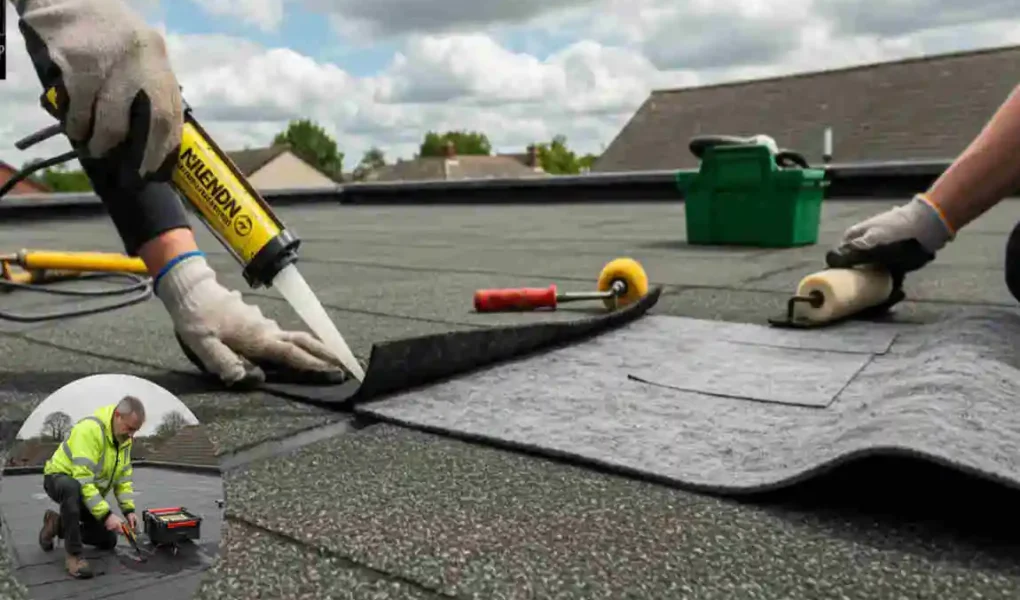
Flat roofs are popular for modern homes and extensions, but they come with one common headache—leaks. In fact, flat roofs are almost twice as likely to leak compared to sloped roofs. Why? Because water tends to sit on the surface rather than drain off quickly. The good news is that nearly 80% of flat roof leaks can be fixed with simple DIY methods, often costing less than $100.
If you’ve been searching for how to repair a leaking flat roof, you’re in the right place. This guide is designed to walk you through every step in a clear, practical, and beginner-friendly way. Whether your roof has small cracks, damaged seams, or water pooling issues, you’ll learn exactly how to fix it.
Flat roof leaks usually happen due to poor drainage, weather damage, aging materials, or weak seams. Over time, these small issues grow into bigger problems if ignored. But with the right tools and a bit of patience, you can handle most repairs yourself—no need to spend thousands on professionals.
Common Causes of Leaking Flat Roofs
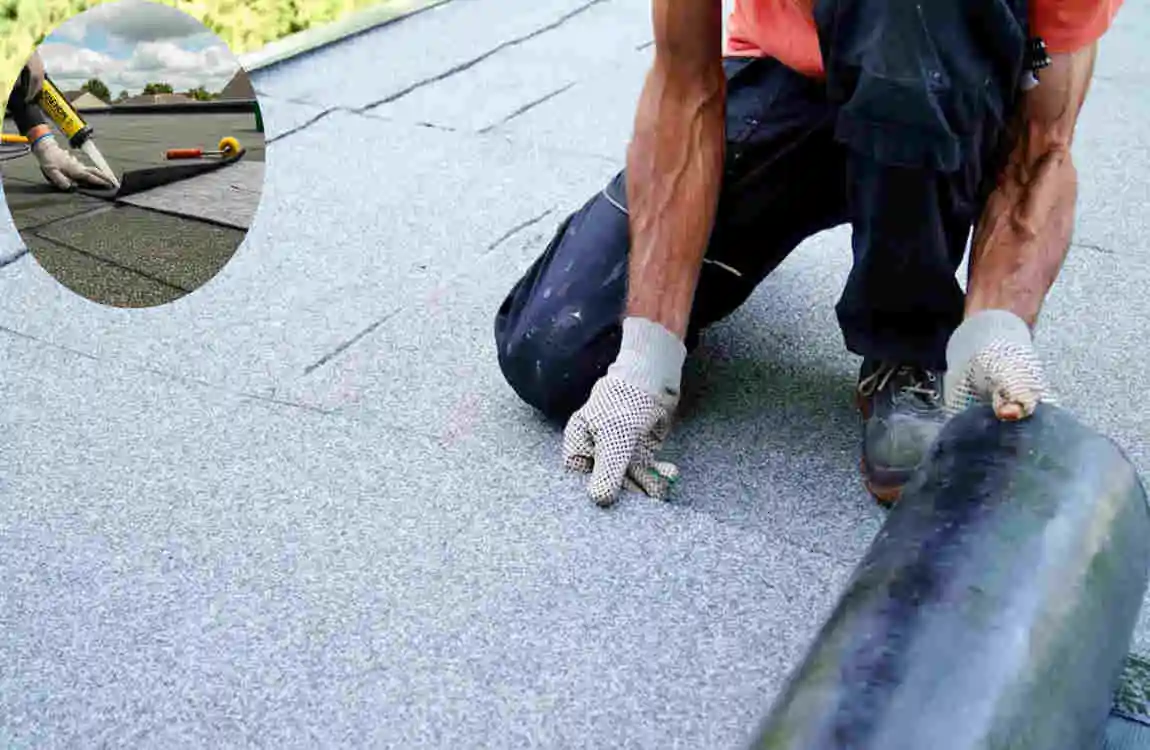
Before jumping into repairs, it’s important to understand why your flat roof is leaking. When you know the root cause, fixing it becomes much easier—and more effective.
Main Causes of Flat Roof Leaks
- Ponding Water
- Flat roofs don’t drain water as quickly as sloped roofs. Over time, water collects in low spots and slowly damages the surface.
- Seam Failures
- Materials like EPDM and TPO can develop seams that split due to temperature changes. Expansion and contraction weaken these joints.
- Cracks and Blisters
- Sun exposure and temperature shifts can cause roofing materials to crack or bubble, especially in bitumen roofs.
- Flashing and Drain Issues
- Areas around vents, chimneys, and drains are common weak points where water can seep in.
- Punctures and Damage
- Foot traffic, falling debris, or tools can puncture the roof surface.
Comparison of Leak Causes by Roof Type
Roof Type: Top Leak Causes: Prevention Tip
EPDM Seam splits. Inspect yearly and reseal seams
Bitumen Blisters/cracks: Apply UV-protective coating
TPO Punctures: Use walk pads to reduce damage
Understanding the causes of flat roof leaks helps you choose the right repair method and avoid recurring problems.
Tools & Materials Needed
Before you start your DIY flat roof repair, gather all the necessary tools. Having everything ready will save time and make the process smoother.
Essential Tools and Materials
- Utility knife
- Roofing sealant (rubber or bitumen)
- EPDM cleaner and primer
- Reinforcing fabric or fiberglass mesh
- Roofing patches or repair tape
- Trowel or putty knife
- Hose (for leak testing)
- Gloves and safety goggles
Budget Estimate
Most DIY repairs cost between $40 to $100, depending on the size of the damage.
Investing in the right DIY flat roof repair tools ensures your repair lasts longer and looks professional.
Safety Precautions
Working on a roof can be risky, so safety should always come first.
- Always work on a dry day to avoid slipping.
- Wear non-slip shoes and gloves.
- Avoid working near electrical wires.
- Use a safety harness if your roof is high.
- Never use flammable materials near open flames.
If your building is more than two stories high or the damage looks serious, it’s safer to call a professional.
Diagnose the Leak
The first step in learning how to repair a leaking flat roof is finding the exact source of the leak.
How to Find a Flat Roof Leak
- Inspect the Roof Surface
- Look for cracks, bubbles, or damaged seams. Pay close attention to drains and edges.
- Check Inside the House
- Look for water stains, mold, or damp spots on ceilings and walls.
- Use the Hose Test
- Spray water on different roof areas while someone checks inside for leaks.
- Mark Problem Areas
- Use chalk or tape to mark where repairs are needed.
Finding the leak correctly is half the job done. Take your time here.
Clean & Prep the Surface
A clean surface is essential for a strong and lasting repair.
Preparation Steps
- Remove dirt, leaves, and debris
- Wash the area gently with water
- Let the surface dry completely
- Apply primer if working with EPDM
- Remove loose or damaged material
Cleaner Guide by Roof Type
Roof Type Recommended Cleaner
EPDM Rubber roof cleaner
Bitumen Mild detergent
TPO Manufacturer-approved cleaner
Proper preparation ensures your sealant sticks well and lasts longer.
Temporary Quick Fix
If you need an immediate solution, a quick sealant fix can temporarily stop leaks.
How to Apply a Quick Fix
- Apply sealant directly over the crack
- Extend coverage 4–6 inches beyond the damage
- Smooth it evenly with a trowel
This method usually lasts 1–2 years and is ideal during emergencies.
Permanent Repair Methods
Now, let’s focus on how to repair a leaking flat roof using proven methods permanently.
Fixing Small Cracks and Seams
- Apply a base layer of roofing mastic
- Place fiberglass mesh over it
- Add another layer of sealant on top
This creates a strong, waterproof seal.
Patching Larger Areas
For bigger damage:
- Cut a patch slightly larger than the damaged area
- Apply adhesive or primer
- Press the patch firmly into place
- Seal the edges carefully
This method works well for EPDM and TPO roofs.
Full Seam Repair
If seams are the issue:
- Use seam tape for EPDM roofs
- Use a heat gun for TPO welding
Make sure seams are completely sealed to prevent future leaks.
Repair Methods by Roof Type
Issue EPDM Fix Bitumen Fix Cost Est.
Seam Seam tape Torch-on felt $20–50
Puncture Patch repair Mastic + fabric $15–30
Pro Tips for Long-Lasting Repairs
- Always apply multiple layers
- Let materials cure for 24–48 hours
- Test your repair with water afterward
These steps ensure a permanent flat roof fix.
Prevention & Maintenance
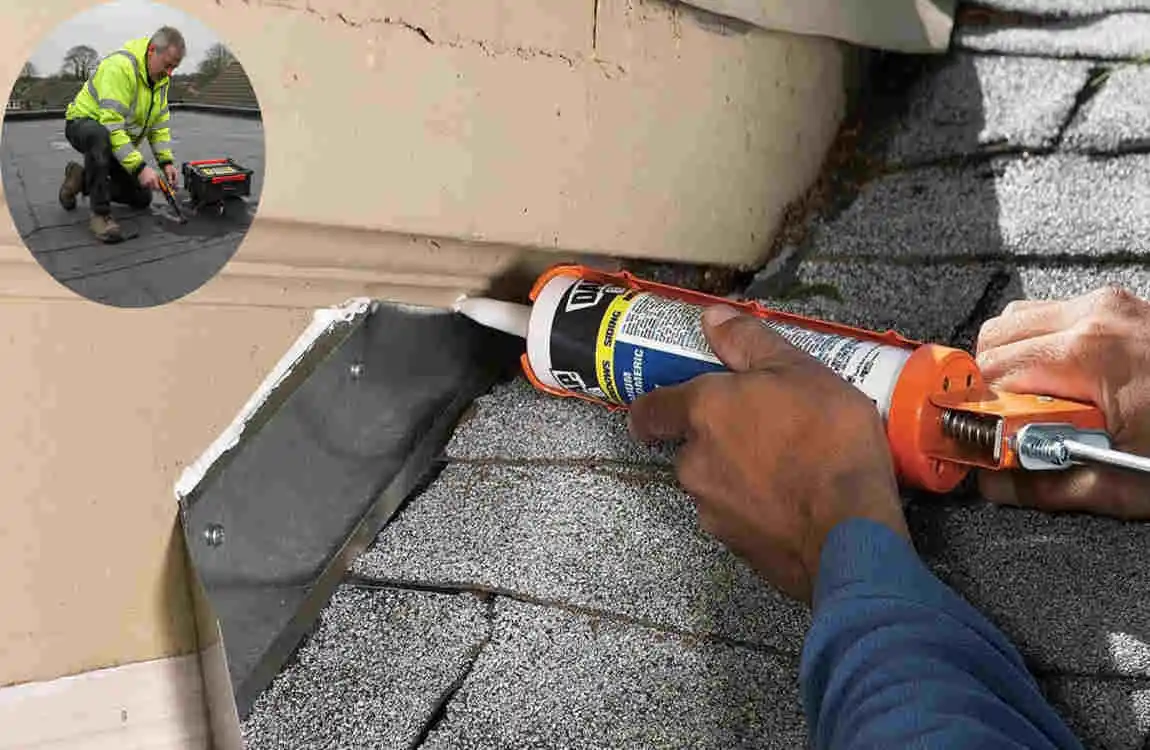
Once your roof is repaired, regular maintenance will keep it in good condition.
Simple Maintenance Tips
- Inspect your roof every 3 months
- Keep drains clear
- Apply sealant once a year
- Improve drainage to avoid water pooling
With proper care, a flat roof can last 10–20 years.
When to Call a Professional
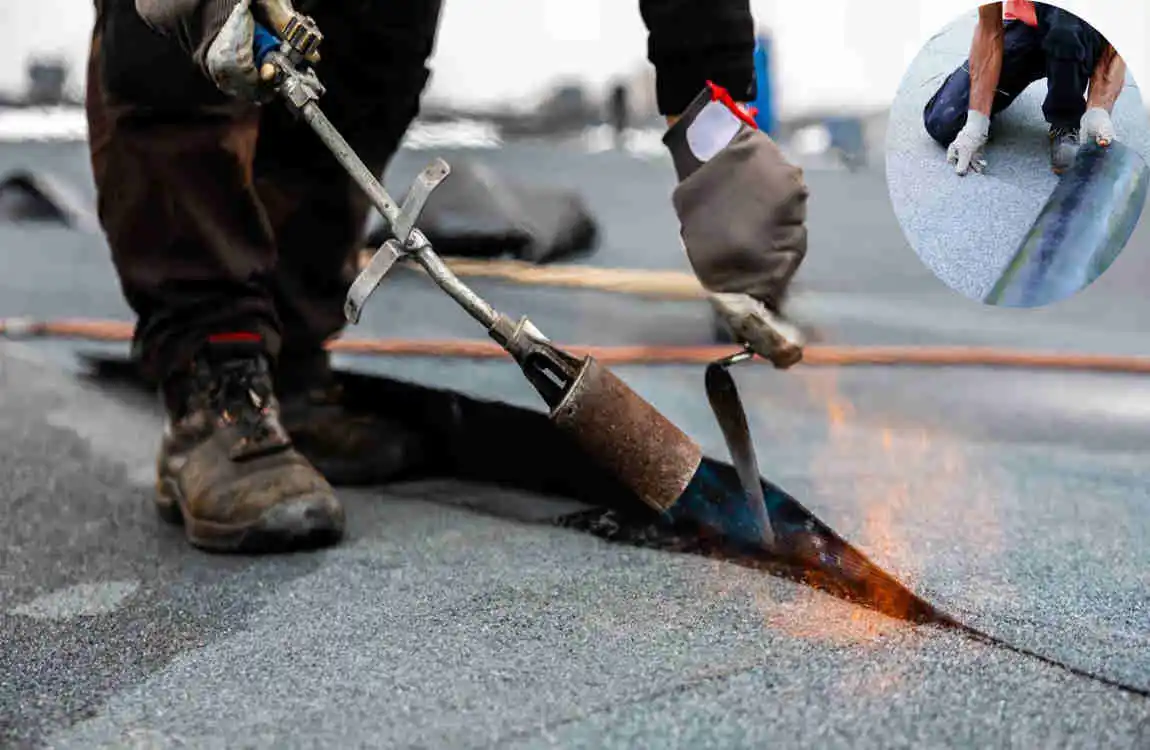
DIY repairs are great, but sometimes you need expert help.
Call a Pro If:
- There are multiple leaks
- You see structural damage
- The roof is very old
- Repairs keep failing
In areas with heavy rainfall, such as during monsoon seasons, professional inspection can help prevent major damage.
FAQs
How long does flat roof sealant last?
Most sealants last 5–10 years, depending on quality and weather conditions.
Can I walk on a wet flat roof?
No, it’s dangerous and increases the risk of slipping.
What is the best sealant for flat roofs?
Rubber-based or bitumen sealants are commonly used for durability.
How often should I inspect my roof?
At least twice a year, or after heavy rain.
Can I repair a flat roof myself?
Yes, most small leaks can be fixed using DIY methods.
What causes repeated leaks?
Poor repairs, bad drainage, or aging materials.