Imagine stepping into a home where every corner whispers stories of the earth, the sun, and timeless craftsmanship. Adobe house interior design is more than just a style—it’s a celebration of nature, history, and warmth. Rooted in traditional earthen architecture, adobe homes are built using sun-dried mud bricks, creating spaces that feel both grounded and inviting. This design style blends rustic charm with modern aesthetics, making it a favorite for those seeking a cozy yet sophisticated ambiance.
What Makes Adobe House Interior Design Unique?
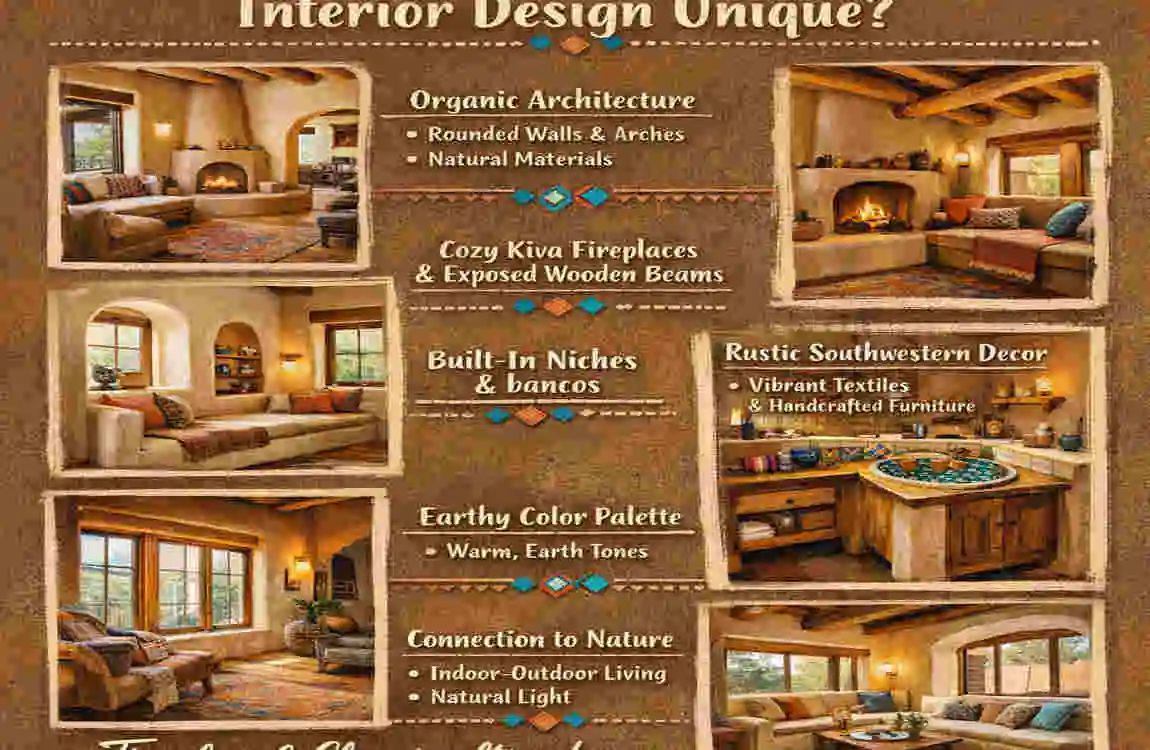
Core Materials and Signature Style
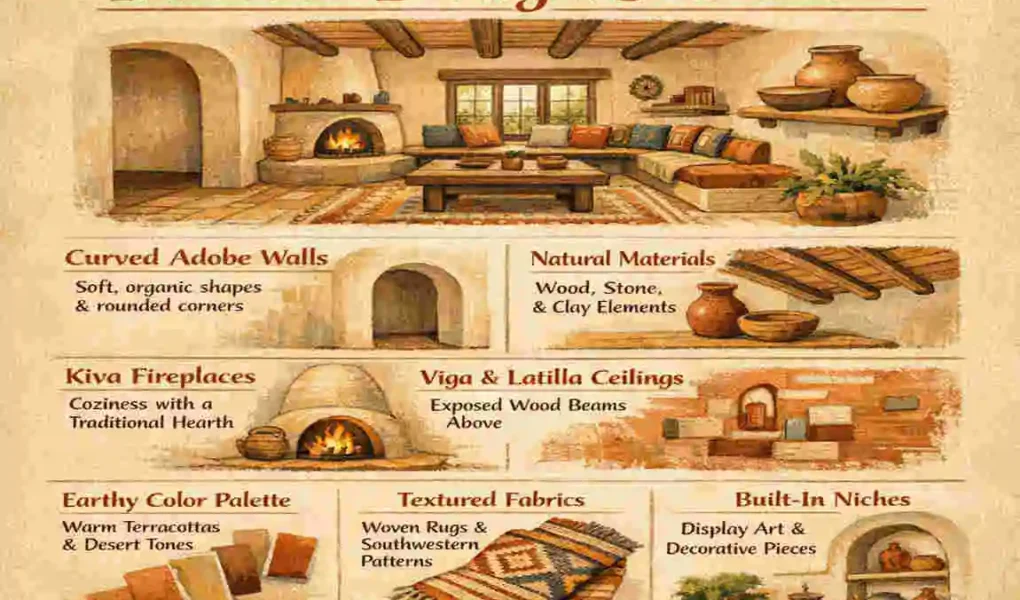
At the heart of Adobe house interior design are its natural materials. Adobe bricks, made from a mixture of clay, sand, and straw, form the foundation of these homes. Stucco walls, wooden vigas (beams), and Saltillo tiles further define the aesthetic, creating a harmonious blend of textures and tones.
The style is instantly recognizable by its rounded corners, textured walls, and earth-toned palettes. Colors like terracotta, ochre, and sage green dominate, evoking the warm hues of the desert. These elements come together to create spaces that feel organic and timeless.
Pros and Cons of Adobe Interiors
Pros:
- Natural insulation: Adobe’s thermal mass keeps interiors cool in summer and warm in winter.
- Sustainability: Made from natural, recyclable materials, adobe homes have a low carbon footprint.
- Hypoallergenic: The natural materials used in adobe construction are less likely to trigger allergies.
Cons:
- Maintenance: Adobe walls can be prone to moisture damage in humid climates. However, regular sealing and proper ventilation can mitigate this issue.
Adobe vs. Modern Minimalist Interiors
Feature Adobe House Interior Design Modern Minimalist
Materials : Earth, clay, wood , glass, metal
Color Palette Warm earth tones , neutrals, whites
Sustainability High (natural, recyclable) Varies
Cost (per sq ft) $50-100 $80-150
Historical Roots of Adobe House Interior Design
Adobe architecture has a history that spans thousands of years. Its origins can be traced back to ancient Pueblo dwellings and Spanish Colonial designs in the American Southwest. Structures like the Taos Pueblo, which is over 1,000 years old, showcase the enduring appeal of adobe construction.
Over time, Adobe homes evolved, incorporating influences from various cultures. Architects like Antoni Gaudí drew inspiration from adobe’s organic forms, blending them with modernist principles. Today, adobe-style interiors are celebrated worldwide, from the deserts of the Southwest to the arid regions of the Middle East and South Asia.
One of the most fascinating aspects of Adobe is its thermal efficiency. The thick walls act as a natural insulator, keeping homes 10-15°F cooler in summer. This makes Adobe an ideal choice for hot climates, offering both comfort and energy savings.
Key Principles for Stunning Adobe House Interior Design
Color Schemes That Captivate
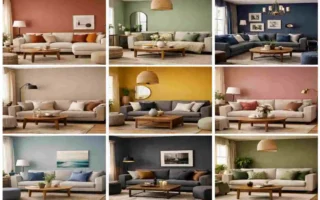
The natural world inspires the color palette of Adobe interiors. Terracotta reds, sandy beiges, and deep adobe browns form the foundation, creating a warm and inviting atmosphere. To add depth and contrast, consider incorporating accents like turquoise (a nod to Native American motifs) or metallic coppers.
Furniture and Fixtures Essentials
Furniture in Adobe interiors is all about embracing rustic charm. Think wooden tables with natural finishes, leather sofas, and wrought-iron accents. Lighting plays a crucial role, with câncelas (tin lanterns) and beehive fireplaces adding to the ambiance.
Textiles and Textures
Layering textures is key to achieving the cozy feel of adobe interiors. Use woven rugs, hand-loomed fabrics, and sheepskin throws to add warmth and character. These elements not only enhance the aesthetic but also make the space feel more inviting.
Room-by-Room Adobe House Interior Design Guide
Living Room Transformations
The living room is the heart of any adobe home. Start with an open-plan layout, featuring low seating arranged around a kiva fireplace. Add built-in bancos (benches) for additional seating and storage. To complete the look, layer rugs and throw pillows in earthy tones.
Kitchen Makeovers
Adobe-style kitchens are both functional and beautiful. Use tile backsplashes in warm tones, and opt for open shelving to display clay pottery and other decorative items. Exposed wooden beams and wrought-iron hardware add a rustic touch.
Bedroom Retreats
Create a serene adobe-style bedroom with a canopy bed draped in linen. Incorporate niche shelving for storage and decor, and soften the space with woven rugs and earthy tones.
Bathroom Sanctuaries
Adobe bathrooms are all about relaxation. Consider a clawfoot tub paired with mosaic tiles in earth tones. Add natural elements, such as wooden vanities and stone sinks, for a spa-like feel.
Outdoor-Indoor Flow
Adobe homes often blur the line between indoor and outdoor spaces. Use sliding doors to connect living areas to courtyards or patios. Incorporate potted plants and outdoor seating to create a seamless flow.
Budget-Friendly DIY Secrets for Adobe House Interior Design
Transforming your space into an adobe-inspired haven doesn’t have to be expensive. Here are some DIY secrets to get you started:
- Faux Adobe Walls: Use plaster techniques with sponges to mimic the look of adobe.
- Upcycled Vigas: Paint wooden beams to achieve a rustic finish.
- Affordable Sourcing: Look for terracotta pots and Saltillo tiles at local markets or online.
Quick Wins:
- Paint walls in ochre for instant warmth.
- Add ristras (chili garlands) for decor.
- Layer rugs over existing floors.
- Install niche shelves with LED strips.
- Thrift wrought-iron hardware for an authentic touch.
Modern Twists on Traditional Adobe House Interior Design
While Adobe interiors are rooted in tradition, modern updates can make them feel fresh and contemporary. Fusion trends like Bohemian adobe (with macramé and fringe) or minimalist adobe (with clean lines and sparse decor) are gaining popularity. In 2026, eco-adobe homes with recycled materials and smart home integrations are leading the way.
Common Mistakes to Avoid in Adobe House Interior Design
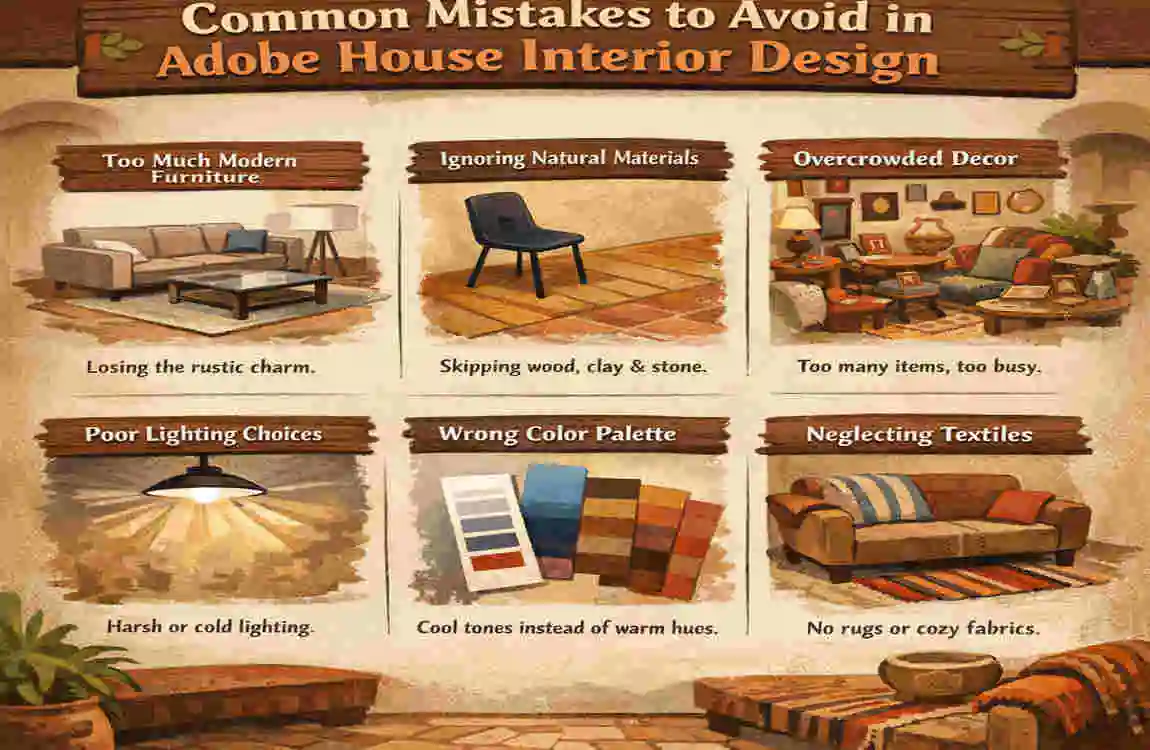
- Over-cluttering: Stick to a few key patterns and textures to avoid overwhelming the space.
- Ignoring moisture control: Use sealants and proper ventilation in humid climates.
- Mismatched scales: Choose furniture that complements the room’s proportions.
FAQ-style answers about Adobe house interior design:
What is Adobe House’s interior design?
Adobe house interior design refers to the style used inside homes built with adobe (sun-dried mud bricks), featuring natural materials, earthy colors, and a warm, rustic look.
What colors are commonly used in Adobe interiors?
Earth tones like beige, terracotta, brown, cream, and soft orange are most common, reflecting the natural clay material.
What type of flooring suits an adobe home?
Popular options include clay tiles, stone, brick, or polished concrete for a natural and durable finish.
What furniture works best in Adobe interiors?
Wooden, handcrafted, or rustic furniture with simple designs complements adobe walls and enhances the organic feel.
How are Adobe walls decorated?
Walls are often left natural or finished with plaster and decorated with woven textiles, pottery, or traditional art.
| Feature | Adobe House Interior Design | Modern Minimalist | Industrial Style |
|---|---|---|---|
| Core Materials | Adobe bricks, stucco, vigas, tiles | Glass, steel, concrete | Exposed brick, metal |
| Color Palette | Earth tones (terracotta, ochre) | Crisp whites, grays | Raw metallics, blacks |
| Vibe | Warm, rustic, timeless Southwest | Sleek, airy, contemporary | Edgy, urban loft |
| Sustainability | High (natural insulation) | Medium (varies) | Low (high energy use) |
| Cost per sq ft | $50-100 | $80-150 | $70-120 |
| Best For | Desert climates, cozy family homes | Urban apartments | Lofts, creative spaces |