If you’re considering investing in Korean real estate or simply curious about the market, you’ve probably asked yourself: How much is a 3-bedroom house in Korea? It’s a question that deserves a comprehensive answer, especially given the dynamic nature of Korea’s housing market in 2025.
Understanding the pricing landscape isn’t just about numbers on a page. It’s about grasping the cultural significance, market forces, and investment potential that these homes represent. Whether you’re a first-time buyer, an international investor, or someone dreaming of owning a piece of Korean architectural beauty, this guide will walk you through everything you need to know.
The Korean housing market has seen remarkable changes over the past few years. With shifting demographics, evolving buyer preferences, and economic fluctuations, knowing the current state of affairs is crucial for making informed decisions. Let’s dive deep into what makes these homes special and, more importantly, what you can expect to pay for them.
Understanding Korean-Style Houses

Definition and Key Features
Korean-style houses, often called “Hanok-inspired” modern homes, represent a fascinating fusion of tradition and innovation. These aren’t your typical Western-style residences. They embody centuries of architectural wisdom adapted for contemporary living.
What makes a house distinctly Korean in style? First, there’s the emphasis on harmony with nature. Large windows frame outdoor views like living paintings. Natural materials like wood and stone feature prominently throughout the structure. The connection between indoor and outdoor spaces feels seamless and intentional.
The most distinctive feature you’ll notice is the “ondol” heating system. This underfloor heating method has been used in Korea for thousands of years. Modern versions use hot water pipes beneath the floors, creating an incredibly efficient and comfortable heating solution. Imagine walking barefoot on warm floors during cold winter mornings – it’s pure comfort!
Different Styles and Design Elements
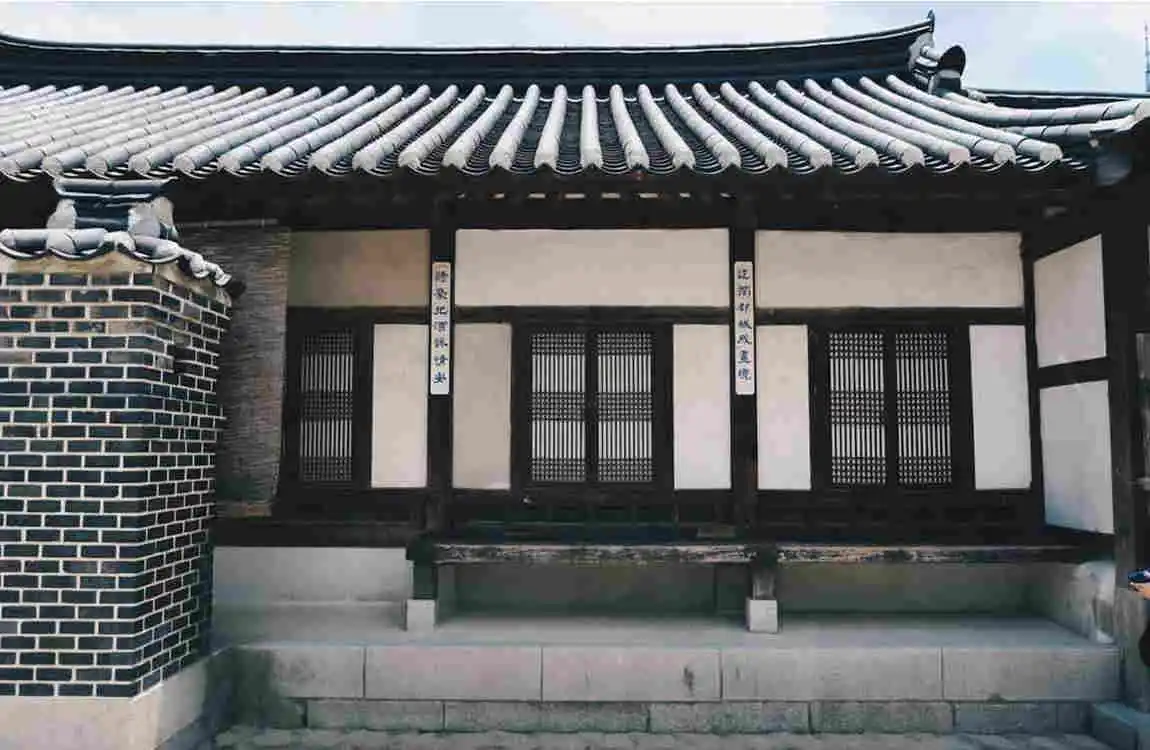
Korean homes come in various styles, each with its own personality. The traditional Hanok style features curved rooflines that seem to float above the structure. These roofs, with their gentle slopes and elegant tiles, create a sense of movement and grace.
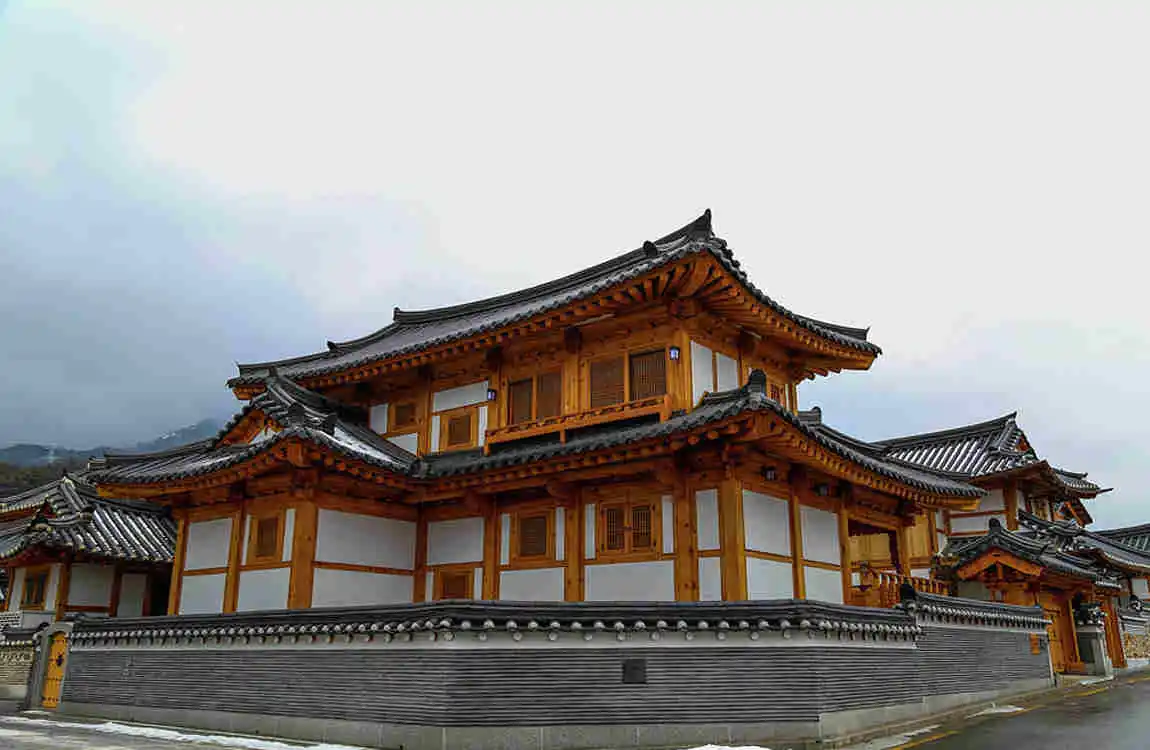
Modern Korean-style houses often incorporate minimalist design principles. Clean lines dominate the aesthetic. Spaces flow into one another without harsh transitions. The color palette typically stays neutral – think warm woods, soft grays, and crisp whites.
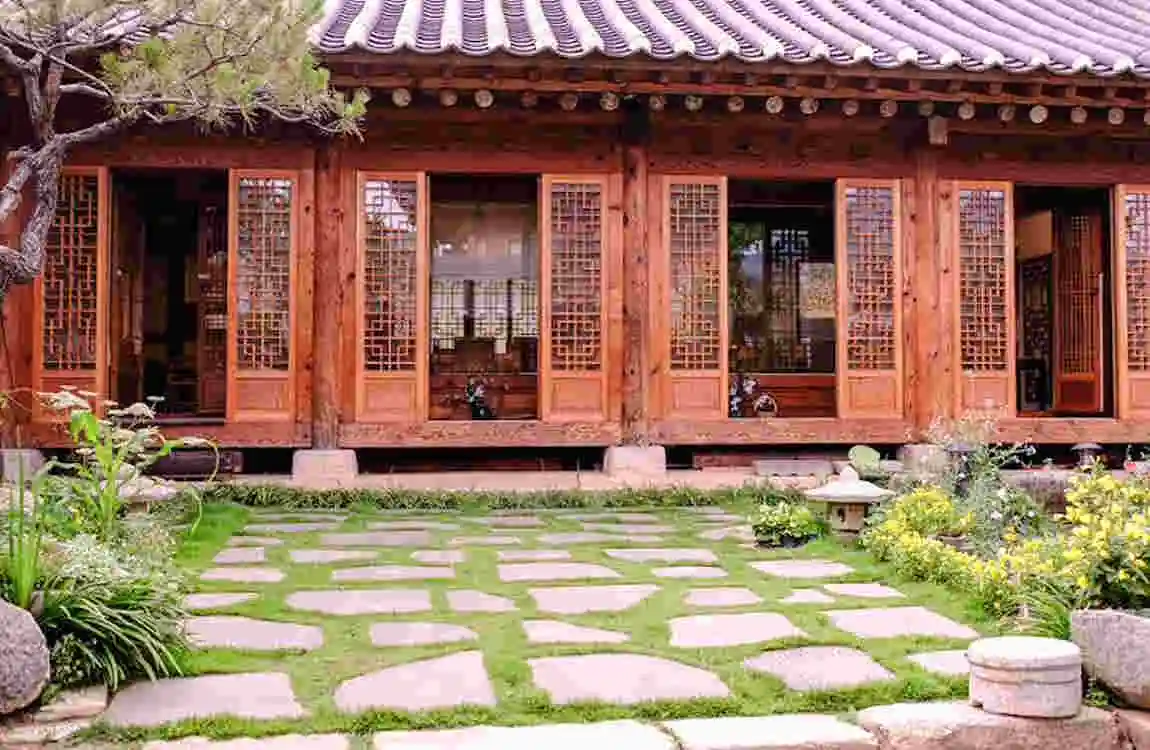
You’ll find that many Korean homes feature a “madang” or courtyard concept. Even in urban settings, architects find creative ways to include outdoor spaces that serve as the home’s breathing lung. These might be small gardens, terraces, or even indoor courtyards that bring light deep into the home’s interior.
The use of “hanji” (traditional Korean paper) in modern interpretations adds another layer of authenticity. Contemporary homes might use hanji-inspired materials for sliding doors or room dividers. These translucent panels create soft, diffused lighting that changes throughout the day.
Standard Layouts of 3-Bedroom Korean Houses
The typical 3-bedroom Korean-style house follows a thoughtful spatial arrangement. The main living area usually occupies the center of the home, serving as the heart where family life unfolds. This space often combines the living room, dining area, and kitchen in an open-plan design.
Bedrooms in Korean homes tend to be more compact than their Western counterparts. This isn’t about cutting corners – it’s about efficient use of space. Koreans traditionally spend less time in bedrooms, viewing them primarily as sleeping quarters rather than multipurpose rooms.
The main bedroom typically includes an en-suite bathroom and sometimes a small dressing area. The two additional bedrooms share a common bathroom, though luxury models might consist of a third bathroom for guests. Storage solutions are cleverly integrated into the design, with built-in wardrobes and hidden compartments maximizing every square meter.
Many 3-bedroom Korean houses include a multipurpose room that can serve various functions. This flexible space might be used as a home office, study room, or even a traditional tea room. The adaptability of these spaces reflects the Korean philosophy of making homes work for changing family needs.
Current Market Overview for 3-Bedroom Korean Style Houses

National Average Price Ranges
Let’s address the burning question: how much is a 3-bedroom house in Korea style in today’s market? As of 2025, the national average for a 3-bedroom Korean-style house ranges from ₩450 million to ₩800 million (approximately $340,000 to $600,000 USD).
These figures represent a broad spectrum of properties. At the lower end, you’ll find older homes in suburban areas or smaller cities. The higher end includes newer constructions in desirable neighborhoods with Premium finishes and amenities.
It’s important to note that these averages have shifted considerably over the past year. The market has seen a stabilization after the volatility of previous years. Interest rate adjustments and government policies have played significant roles in shaping current prices.
Regional Price Variations
Seoul Metropolitan Area
Seoul remains the most expensive market for Korean-style houses. Here’s what you can expect:
District Average Price Range Key Features
Gangnam ₩1.2-2.5 billion Premium location, top schools
Songpa ₩900 million-1.5 billion Family-friendly, good infrastructure
Mapo ₩800 million-1.3 billion Cultural hub, young professionals
Nowon ₩500-800 million Affordable, good transportation
The Seoul market is exceptionally competitive. Properties in prime locations can receive multiple offers within days of listing. If you’re wondering how much a 3-bedroom house in Korea style in Seoul specifically costs, prepare for prices significantly above the national average.
Busan and Coastal Cities
Busan offers a different value proposition. The second-largest city provides coastal living at more accessible prices. A typical 3-bedroom Korean-style house in Busan ranges from ₩350-600 million.
The Haeundae district commands Premium prices due to its beachfront location and tourist appeal. Meanwhile, areas like Dongnae offer traditional charm at more moderate prices. The coastal lifestyle attracts both retirees and young families seeking a balance between urban amenities and natural beauty.
Other Metropolitan Areas
Cities like Daegu, Incheon, and Gwangju present interesting opportunities. These metropolitan areas offer:
- Lower entry prices (₩300-500 million average)
- Growing infrastructure and development projects
- Strong rental markets for investment purposes
- Better space-to-price ratios compared to Seoul
Incheon, with its proximity to Seoul and international airport, has seen steady appreciation. The city’s ongoing development projects and improved transportation links make it increasingly attractive for buyers priced out of Seoul.
Expert Insights on Pricing
Location and Neighborhood Prestige
Real estate experts consistently emphasize that location remains king in Korean property markets. Dr. Kim Sung-ho, a leading property analyst, notes that “proximity to top schools can add 20-30% to a property’s value.”
The concept of “학군” (school districts) drives much of the pricing Premium in residential areas. Parents willingly pay substantial premiums to secure addresses within the catchment areas of prestigious schools. This phenomenon is particularly pronounced in Seoul’s Gangnam, Seocho, and Songpa districts.
Transportation accessibility plays an equally crucial role. Properties within walking distance of subway stations command 10-15% premiums. The recent expansion of Seoul’s Great Train eXpress (GTX) lines has already begun affecting prices in connected areas.
Property Size and Land Area
Korean property pricing follows a unique calculation method. Prices are typically quoted per “pyeong” (approximately 3.3 square meters). A standard 3-bedroom Korean-style house ranges from 25-35 pyeong (82-115 square meters).
What’s interesting is the land component of the price. In dense urban areas, land can represent 60-70% of the total property value. This explains why seemingly modest homes in prime Seoul locations carry astronomical price tags.
The actual living space matters less than you might think. Koreans value location and land ownership over interior square footage. A smaller home on owned land in a good location often costs more than a larger apartment in a less desirable area.
Architectural Style and Construction Quality
The quality of construction significantly impacts pricing. Premium materials and energy-efficient features can add 15-20% to the base price. Modern Korean-style houses incorporating smart home technology and sustainable design elements command particular premiums.
Traditional architectural elements, when authentically executed, add substantial value. Hand-carved wooden details, traditional tile work, and genuine ondol systems using quality materials justify higher prices. Buyers increasingly seek homes that honor tradition while embracing modern comfort.
The builder’s reputation matters enormously. Major construction companies like Samsung C&T, Hyundai E&C, and Daewoo E&C command Premium prices for their projects. Their brand names provide assurance of quality and often better resale values.
Market Demand and Supply Dynamics
The Korean housing market in 2025 reflects interesting supply-demand dynamics. The government’s efforts to increase housing supply have begun showing results, particularly in satellite cities around Seoul.
Yet demand remains robust in prime locations. Young professionals and newly married couples drive demand for 3-bedroom homes suitable for starting families. The cultural preference for homeownership over renting continues to fuel buyer interest.
International buyers, particularly from China and Southeast Asia, have returned to the market after pandemic-related restrictions lifted. Their presence, while regulated, adds another layer of demand in specific market segments.
Economic Factors and Interest Rates
The Bank of Korea’s monetary policy directly impacts housing affordability. Current interest rates, hovering around 3.5%, have stabilized after previous volatility. This stability has encouraged buyer confidence and supported price levels.
Government policies like the DSR (Debt Service Ratio) regulations affect how much buyers can borrow. These measures, designed to prevent excessive household debt, effectively cap what many buyers can pay, indirectly influencing market prices.
The broader economic outlook remains cautiously optimistic. Korea’s GDP growth, projected at 2.3% for 2025, supports steady rather than spectacular price appreciation. This measured growth actually benefits serious buyers by preventing bubble conditions.
Comparative Analysis: Korea Style vs Other Housing Styles
Price Comparisons Across Housing Types
When evaluating how much a 3-bedroom house in Korea costs, it’s helpful to compare it with other housing options. Western-style dwellings in the same neighborhoods typically cost 10-15% more due to larger room sizes and different construction methods.
Traditional apartments in high-rise complexes often provide better value in terms of price per square meter. However, they lack the unique character and connection to nature that Korean-style houses offer. The trade-off between efficiency and authenticity is a personal choice each buyer must make.
Villa-style townhouses, popular in suburban areas, fall somewhere in between. They offer more space than apartments but less customization than standalone houses. Prices typically run 20-30% lower than comparable Korean-style houses.
Investment Pros and Cons
Investing in a Korean-style house offers distinct advantages:
- Cultural authenticity appeals to both domestic and international renters
- Energy efficiency through traditional design principles reduces operating costs
- Unique market position faces less direct competition
- Heritage value may qualify for preservation incentives
However, consider these potential drawbacks:
- Maintenance requirements can be higher for traditional materials
- Specialized contractors needed for repairs may charge Premium rates
- Market liquidity might be lower than for standard apartments
- Financing options may be more limited with some lenders
How to Evaluate the Price of a 3-Bedroom Korean Style House
Step-by-Step Assessment Guide
Start your evaluation by researching comparable sales in the target area. The Korean government’s real estate portal provides transparent transaction data. Look for properties sold within the last six months with similar characteristics.
Next, assess the property’s condition carefully. Consider these factors:
- Structural integrity – Check for foundation issues, roof condition, and wall stability
- System updates – Evaluate heating, plumbing, and electrical systems
- Aesthetic condition – Note needed cosmetic updates and their potential costs
- Legal status – Verify all permits and ensure no outstanding violations
Calculate the total cost of ownership. Beyond the purchase price, factor in:
- Property taxes (typically 0.1-0.4% annually)
- Maintenance reserves (budget 1-2% of property value yearly)
- Insurance costs
- Potential renovation expenses
Negotiation Considerations
Understanding market dynamics strengthens your negotiating position. In a buyer’s market, you might secure 5-10% below the asking price. Conversely, competitive situations may require offering above the list price.
Identify the seller’s motivation. Estate sales, relocations, or financial pressures create negotiation opportunities. Your real estate agent should discreetly gather this intelligence.
Consider non-price terms that might appeal to sellers. Flexible closing dates, waiving certain contingencies, or larger deposits can make your offer more attractive without increasing the price.
Value Assessment Checklist
Before making an offer, ensure you’ve evaluated:
Location factors:
- School district quality
- Public transportation access
- Neighborhood development plans
- Crime statistics and safety ratings
Property specifics:
- Land ownership type and restrictions
- Building age and renovation history
- Energy efficiency ratings
- Parking availability
Market conditions:
- Recent comparable sales
- Average days on market
- Inventory levels in the area
- Seasonal pricing patterns
Tips for Buyers: Making a Wise Investment
Recommended Areas for Affordable Quality
Several emerging areas offer excellent value for Korean-style houses. Gimpo, recently connected to Seoul via subway, provides suburban tranquility at reasonable prices. Properties here average ₩400-500 million for quality 3-bedroom homes.
Sejong City, Korea’s administrative capital, presents unique opportunities. Government investment in infrastructure and the influx of civil servants create steady demand. Prices remain reasonable at ₩350-450 million for modern Korean-style houses.
The Gyeonggi Province cities of Yongin and Seongnam offer proximity to Seoul without the Premium prices. These areas particularly appeal to families seeking good schools and community amenities.
Finding Reliable Real Estate Services
Choosing the right real estate agent is crucial. Look for agents specializing in Korean-style properties who understand their unique characteristics and market dynamics. The Korea Association of Realtors provides a directory of certified professionals.
Consider engaging a buyer’s agent who represents only your interests. While this service costs extra (typically 0.3-0.5% of purchase price), the expertise and negotiation support often justify the expense.
Don’t overlook property inspection services. Korean home inspections are less common than in Western countries, but they’re invaluable for older Korean-style houses. Expect to pay ₩500,000-1,000,000 for a comprehensive inspection.
Financing Options and Incentives
Korean banks offer various mortgage products for home buyers. The standard LTV (Loan-to-Value) ratio is 70% for homes under ₩900 million. First-time buyers may qualify for preferential rates through government programs.
The “디딤돌 대출” (Stepping Stone Loan) program helps young buyers with favorable terms. Eligible couples can borrow up to ₩400 million at reduced interest rates. Income and age restrictions apply, but it’s worth investigating.
Consider 전세 (Jeonse) arrangements as an alternative. This unique Korean system involves a large deposit (typically 50-70% of property value) instead of monthly rent. It can serve as a stepping stone to ownership while building capital.
Case Studies and Real Examples
Seoul Success Story
Mr. and Mrs. Park recently purchased a 3-bedroom Korean-style house in Seoul’s Eunpyeong district for ₩680 million. The 30-pyeong property featured traditional ondol heating and a small courtyard garden.
Their search took six months, viewing over 20 properties. They initially focused on Gangnam but realized their budget would only secure older, smaller properties there. Expanding their search to northwestern Seoul revealed better value.
The Parks negotiated a 5% discount from the asking price by offering a quick closing and a larger deposit. They also secured favorable financing through the government’s newlywed loan program, reducing their interest burden significantly.
Busan Retirement Investment
A retired couple from Canada invested ₩420 million in a Korean-style house near Busan’s Gwangalli Beach. The property combines traditional aesthetics with modern amenities, perfect for their part-time residence needs.
They spent an additional ₩50 million on renovations, updating the kitchen while preserving traditional elements. The property now generates rental income when they’re abroad, covering maintenance costs and providing modest returns.
Their advice? “Don’t rush the process.” They spent a whole year researching different areas and understanding local market dynamics before purchasing. This patience helped them identify an undervalued property in an improving neighborhood.
Daegu First-Time Buyers
Young professionals Kim Jin-woo and Lee Su-min purchased their first home in Daegu for ₩380 million. The 28-pyeong Korean-style house needed updating but offered excellent bones and location near the subway.
They utilized the first-time buyer program, securing a low-interest loan covering 70% of the purchase price. By doing some renovation work themselves, they kept additional costs to ₩30 million while significantly improving the property’s value.
Their experience highlights how much a 3-bedroom house in Korea varies dramatically by region. The same budget that barely secured a small apartment in Seoul bought them a charming home with garden space in Daegu.