When people ask what shape the roofs in Moscow are, the simple answer is this: there is no single roof shape. Moscow has a mix of roof styles, and each one reflects a different part of the city’s story.
You will see onion domes on churches, flat roofs on Soviet apartment blocks, gable roofs on homes, and mansard roofs on some older and newer buildings. These shapes are not just for looks. They connect to religion, climate, history, and everyday life in Russia.
Moscow’s roofs are a good example of how architecture changes over time. The city retains its old beauty while adapting to modern needs. That is why the skyline feels so rich and varied.
Overview of Roof Architecture in Moscow
Moscow’s architecture mixes traditional Russian design, Eastern Orthodox influence, Soviet practicality, and modern city style. As a result, the roofscape looks very diverse.
Common Roof Types in Moscow
Here are the main roof shapes you will notice in the city:
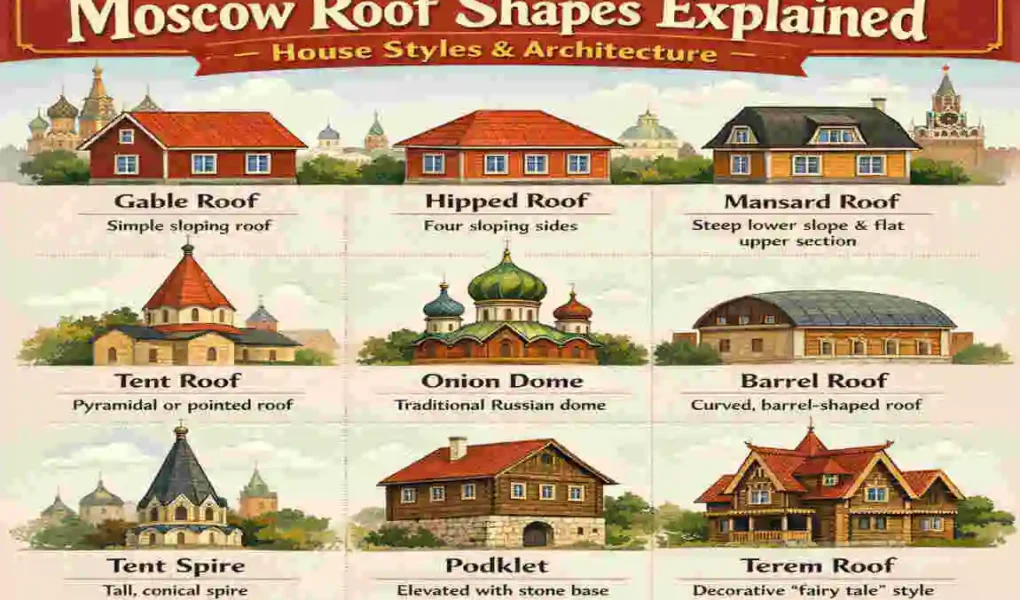
- Onion domes on churches and cathedrals
- Gable roofs on houses and smaller buildings
- Flat roofs on many Soviet-era blocks
- Mansard roofs on some apartments and older buildings
- Pitched roofs on practical residential structures
Why Roof Shape Matters
Roof shape is more than a design choice. In Moscow, it helps with:
- Snow runoff during long winters
- Heat control inside buildings
- Cultural identity in religious buildings
- Cost and speed in large housing projects
So, when asking what shape the roofs in Moscow are, the best answer is that both beauty and function shape them.
Historical Evolution of Roof Shapes in Moscow
Moscow’s roof styles changed slowly over centuries. Each era left a clear mark.
Early Wooden Architecture
In early Russian life, many buildings were made of wood. Roofs were often steep or pitched so snow could slide off more easily. These simple roofs were practical and suited to the climate.
Medieval Religious Design
As churches became more important, roof design took on a spiritual meaning. This is when domes became a major part of Moscow’s skyline. They were not just structural elements. They also represented faith and heaven.
Tsarist Expansion
During the Tsarist period, Moscow grew more decorative. Buildings became more detailed, and roofs became part of the city’s artistic image. Mansard roofs, domes, and taller rooflines became more common in elegant parts of the city.
Soviet Era Practicality
The Soviet period changed roof design significantly. The focus moved toward efficiency, speed, and mass housing. That is why flat roofs became so common in apartment blocks and public buildings.
Modern Moscow
Today, Moscow combines old and new. You can still see traditional domes and pitched roofs, but modern buildings often use clean lines, glass, steel, and minimalist roof forms.
The Iconic Onion Domes of Moscow
If one roof shape defines Moscow in people’s minds, it is the onion dome.
What Is an Onion Dome?
An onion dome is a rounded, bulb-like roof shape that rises into a point. It is usually seen in Russian Orthodox churches. These domes are often colorful, golden, or covered in patterned details.
Why Are They Important?
Onion domes are important for two reasons:
- Symbolism — They represent faith, beauty, and connection to heaven.
- Practical value — Their shape helps snow slide off more easily.
Saint Basil’s Cathedral
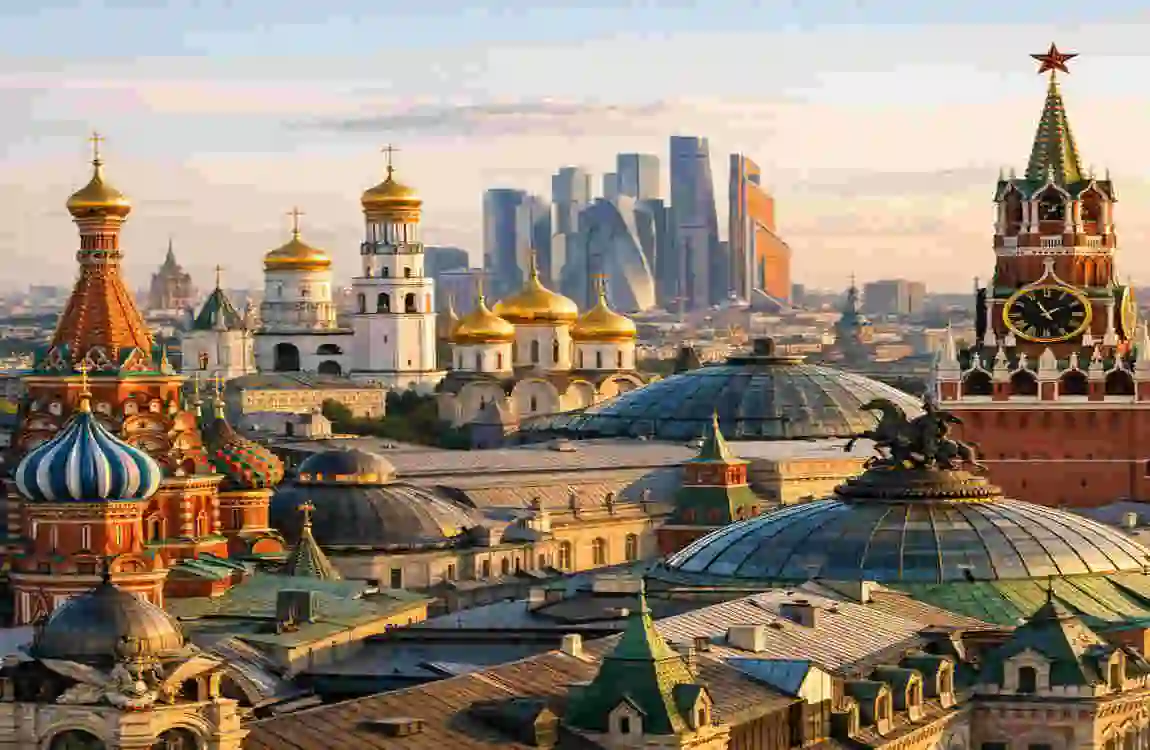
The most famous example is Saint Basil’s Cathedral in Red Square. Its bright domes are one of the most recognizable images in Russia. The building shows how roof shapes can become symbols of an entire country.
How They Differ from Western Roofs
Western European churches often use spires, steep roofs, or towers. Moscow’s onion domes look softer, more rounded, and more decorative. That makes them instantly different and deeply tied to Russian identity.
Kremlin Architecture and Roof Design
The Moscow Kremlin is another important example of roof variety. It combines domes, towers, pointed tops, and pitched roof forms.
A Mix of Power and Tradition
The Kremlin is not just a government site. It is also a cultural symbol. Its roofs and towers show strength, history, and continuity. The design is meant to impress, but it also reflects centuries of change.
Why the Roofs Matter Here
The roof shapes in the Kremlin help communicate authority and tradition. Some roofs are sharp and tall, while others are rounded or domed. Together, they create a skyline that feels both historic and powerful.
Common Residential Roof Types in Moscow
Outside the famous landmarks, most people see roof shapes in everyday housing. These roofs are usually simple and practical.
Gable Roofs in Houses
Gable roofs are common in suburban homes and smaller buildings. They are easy to build and work well in snowy weather because the slope helps snow fall away.
Mansard Roofs in Apartments
Mansard roofs are often seen in older apartment buildings and some modern developments. They create extra usable space near the top of the building and add a more elegant look.
Flat Roofs in Soviet Blocks
Flat roofs are very common in Soviet-style apartment blocks. They were chosen because they were cheap, fast, and efficient to build. They also fit the large-scale housing plans of the Soviet period.
Modern Minimalist Roofs
New luxury developments in Moscow often use clean, simple rooflines. Some mix modern glass design with traditional Russian forms. This creates a look that is fresh but still connected to the city’s past.
Climate Influence on Roof Shapes in Moscow
Moscow has cold winters, heavy snow, and long freezing periods. This climate strongly affects roof design.
Why Slope Matters
A steep or pitched roof helps snow melt and slide off rather than collect on top. That reduces stress on the building and lowers the chance of damage.
Why Flat Roofs Still Exist
Even though flat roofs are not ideal for heavy snow in every case, they remain common because they are practical for large buildings. With proper drainage and insulation, they can still work well.
Heat and Insulation
Roof design also affects how well a building retains heat. In Moscow, this is very important. A good roof helps buildings stay warm and comfortable during the cold season.
Materials Used in Moscow Roof Construction
Moscow roofs are built with materials that can handle weather, weight, and time.
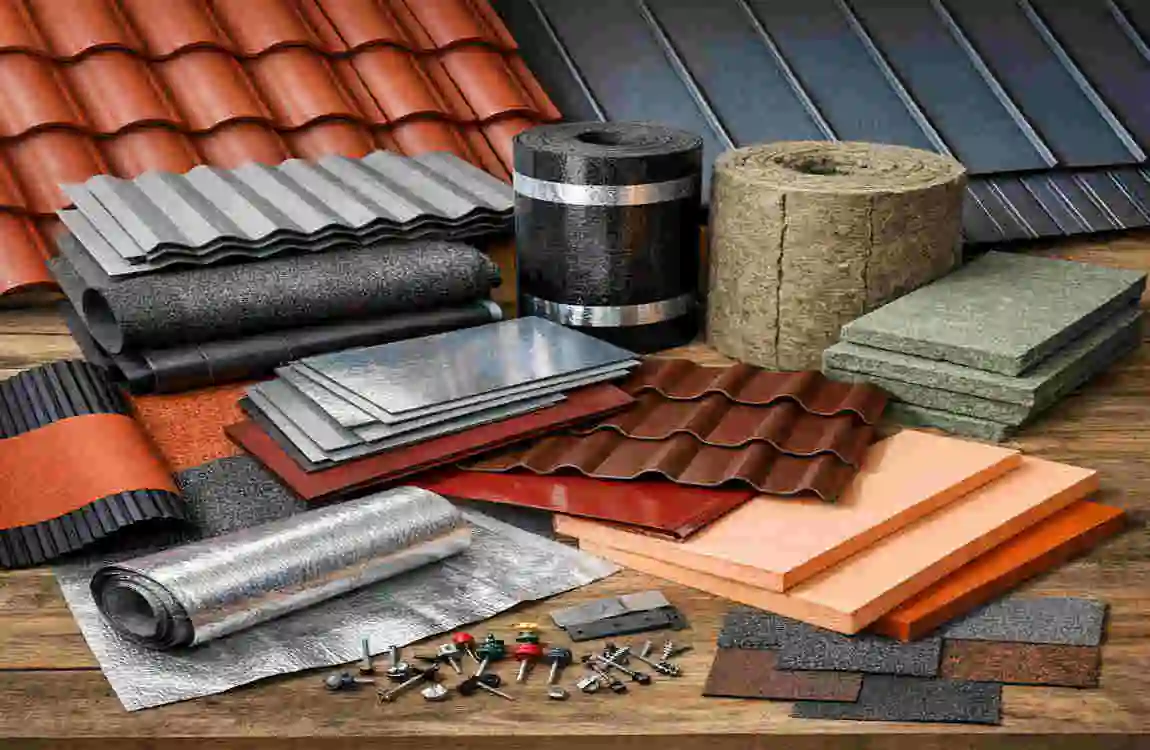
Common Roofing Materials
- Metal sheets for durability and snow resistance
- Ceramic or slate tiles for older and traditional buildings
- Concrete in Soviet-era structures
- Composite materials in modern projects
The best material depends on the building type, budget, and climate needs. In a city like Moscow, strength and insulation matter a lot.
Moscow Roofs vs European Roof Styles
Moscow roofs look different from many Western European roofs.
Main Differences
- Western Europe often uses steeper roofs in a more uniform style
- Moscow has a more mixed roofscape
- Religious buildings in Moscow use domes, while many European churches use spires
- Soviet architecture pushed flat roofs more strongly than many Western cities
This contrast shows that Moscow’s roof shapes come from a different mix of history, religion, and politics.
Most Famous Roof Landmarks in Moscow
If you want to see the best roof shapes in the city, these landmarks stand out:
- Saint Basil’s Cathedral for onion domes
- The Kremlin towers for symbolic rooflines
- Moscow city skyscrapers for modern glass and steel design
Together, these landmarks show the full story of what shapes the roofs in Moscow. The answer is not one shape, but many.
FAQ
What shape are the roofs in Moscow?
Moscow has a mix of roof shapes, including onion domes, flat roofs, gable roofs, mansard roofs, and pitched roofs.
Why do Russian churches have onion-shaped roofs?
They are used for religious symbolism and also help with snow shedding in winter.
Are flat roofs common in Moscow?
Yes, especially in Soviet-era apartment buildings and large public structures.
What is the most famous roof in Moscow?
The onion domes of Saint Basil’s Cathedral are probably the most famous.
Do modern buildings in Moscow still use traditional roof styles?
Yes, some modern buildings blend traditional shapes with glass, steel, and minimalist design.
| Roof Shape | Description | Common House Style | Key Features | Why Used in Moscow |
|---|---|---|---|---|
| Gable Roof | Two sloping sides forming a triangle | Traditional Russian houses, cottages | Simple design, good snow runoff | Handles heavy snowfall easily |
| Hip Roof | All sides slope downward to walls | Soviet-era homes, modern villas | Strong, stable, wind-resistant | Extra durability in harsh winters |
| Mansard Roof | Dual-pitched roof with steep lower slope | Moscow historic buildings, classic apartments | Creates extra attic/living space | Maximizes usable space in urban homes |
| Flat Roof | Almost level roof surface | Soviet apartment blocks, modern buildings | Easy construction, rooftop use | Common in dense city architecture |
| Dome Roof | Rounded or curved structure | Orthodox churches, landmarks | Decorative, iconic design | Historical and cultural significance |
| Shed Roof | Single sloping surface | Modern minimalist homes | Simple, cost-effective | Used in contemporary urban designs |