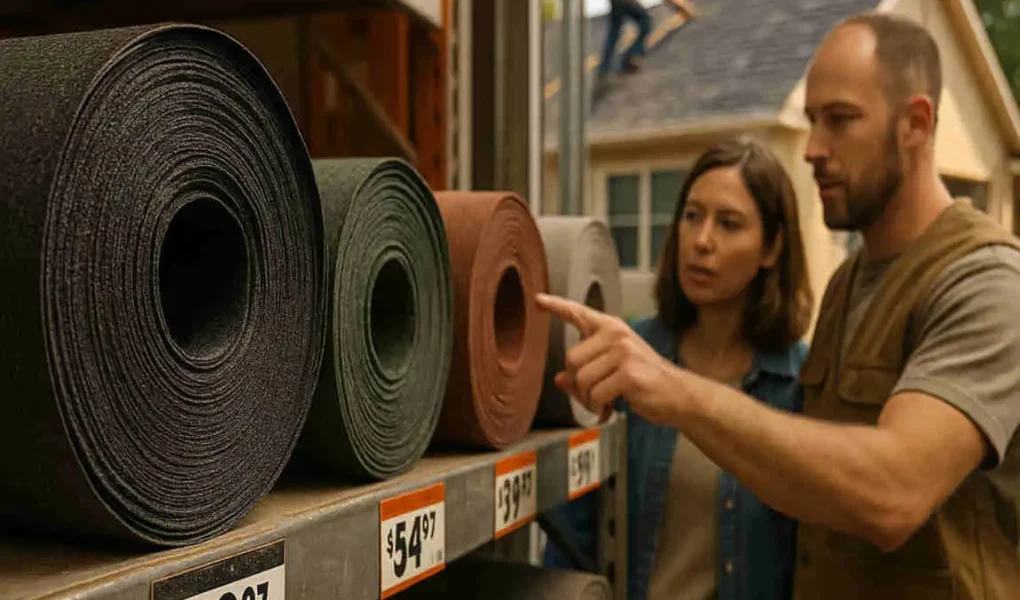
A roll of rolled roofing typically costs between $50 to $150 per roll, with each roll covering about 100 square feet. Material prices vary by type, brand, and quality, and installation costs add extra depending on labor and roof complexity. This roofing option is generally affordable and quick to install, making it a popular choice for low-slope roofs, though it has a shorter lifespan compared to other roofing types.
What Is Rolled Roofing?
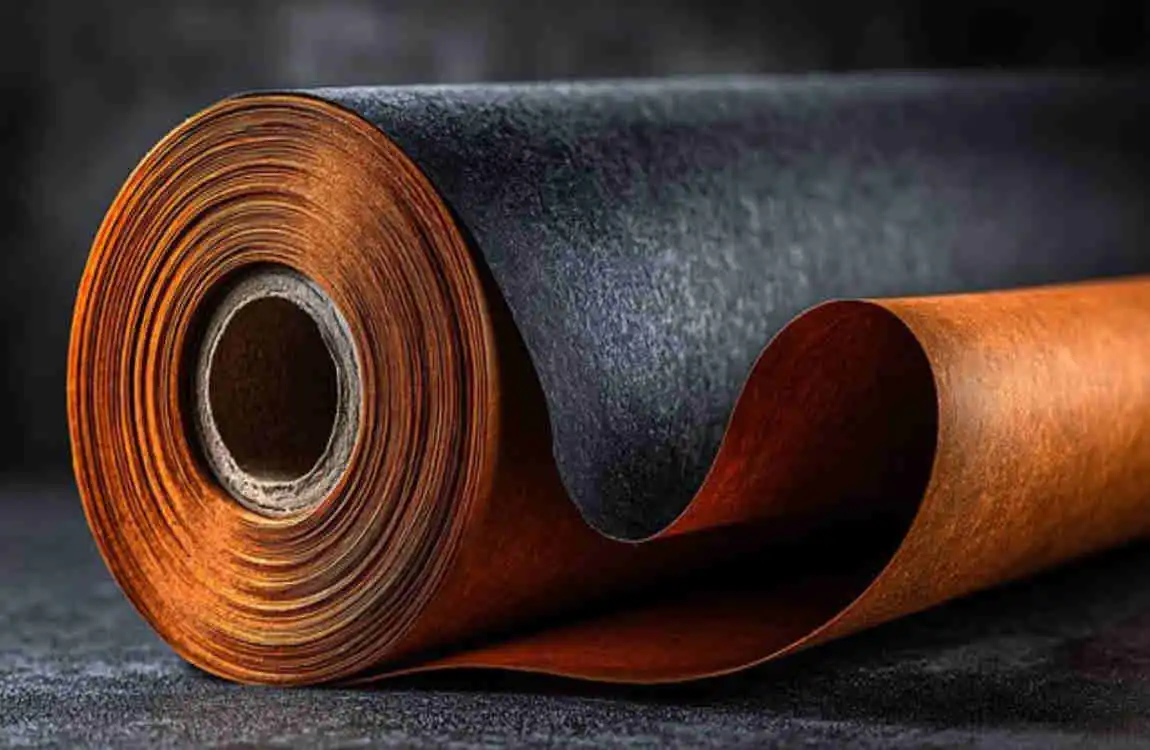
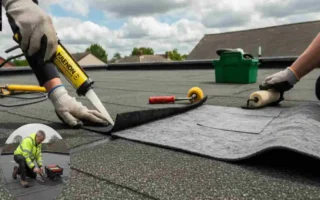
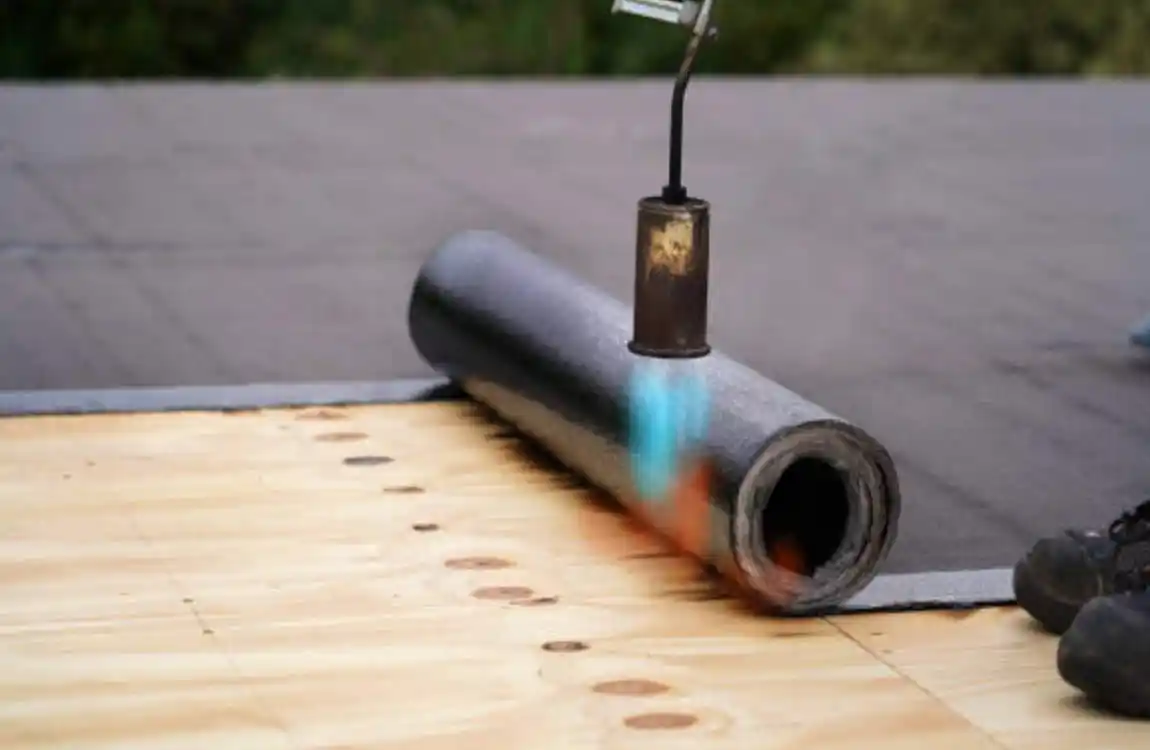
Let’s start with the basics. Rolled roofing is exactly what it sounds like – roofing material that comes in large rolls rather than individual shingles or tiles. Think of it as a giant sheet of roofing material that you unroll across your roof’s surface.
Common Uses for Rolled Roofing
You’ll find rolled roofing particularly popular for:
- Low-slope roofs where traditional shingles might not work well
- Sheds and outbuildings where cost-effectiveness matters most
- Temporary structures that need quick, affordable coverage
- Garages and workshops where appearance isn’t the primary concern
How It Compares to Other Materials
When comparing rolled roofing to other options, several key differences become apparent. Asphalt shingles offer better aesthetics and a longer lifespan, but cost more and take longer to install. Metal panels provide superior durability and weather resistance, but they come with a significantly higher price tag. Tile or slate roofing delivers unmatched longevity and beauty, but it requires substantial structural support and a significant investment.
Rolled unique roofing fills a niche. It’s the practical choice when you need affordable, quick-to-install coverage that gets the job done without breaking the bank.
Factors Affecting the Cost of Rolled Roofing
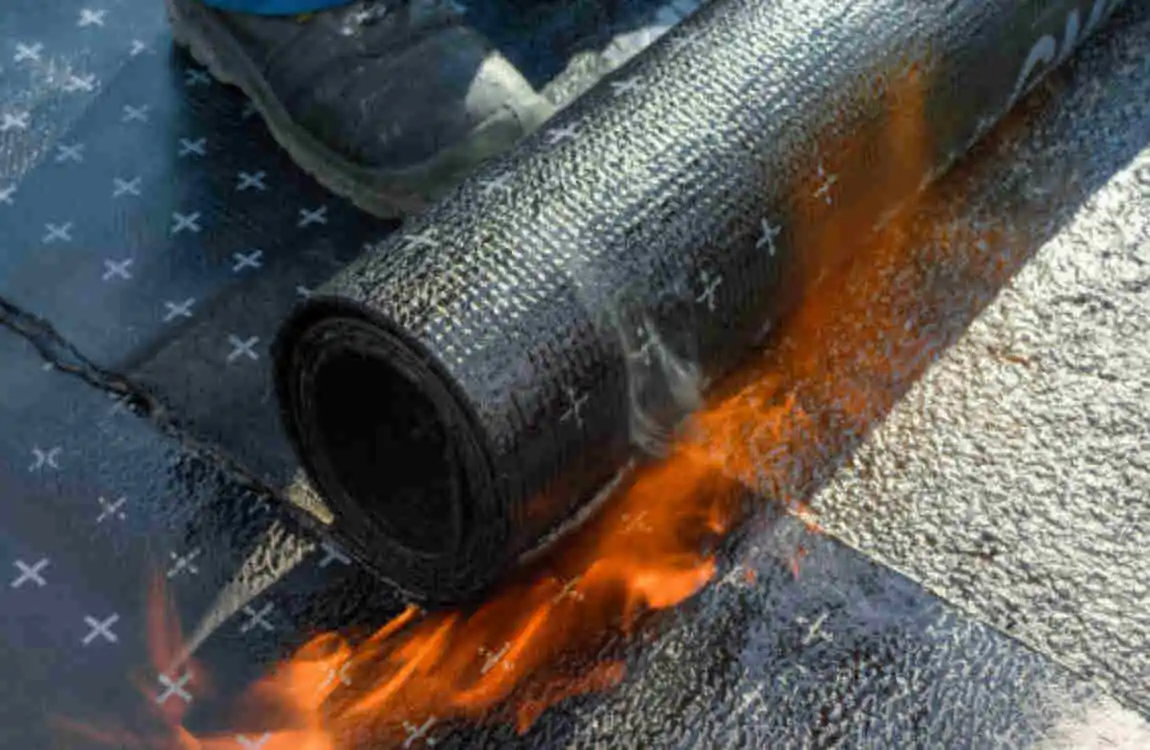
Now, let’s dive into what really impacts how much a roll of rolled roofing costs for your specific project. Understanding these factors helps you budget more accurately and avoid surprises.
Material Quality and Type Variations
Not all rolled roofing is created equal. You’ll encounter different grades and types, each with its own price point:
Economy-grade rolled roofing offers the most basic protection. It’s thinner, lighter, and ideal for temporary structures or those with limited budgets. Expect to pay the least for this option.
Mid-grade options provide better durability and weather resistance. They’re thicker, often with enhanced granule coverage, making them suitable for permanent structures, such as garages.
Premium rolled roofing features superior materials and construction. Some include modified bitumen or rubber compounds for enhanced performance. These cost more but deliver better longevity and protection.
Roof Size and Complexity
Your roof’s dimensions directly impact your total cost. A simple, rectangular roof requires straightforward calculations and minimal waste. But what if your house roof has multiple angles, valleys, or dormers?
Complex roof designs mean more cutting, fitting, and potential waste. You’ll need extra material to account for overlaps and mistakes. Additionally, intricate roofs take longer to cover, which increases labour costs if you’re hiring professionals.
Average Cost Breakdown: How Much Does a Roll of Rolled Roofing Cost?
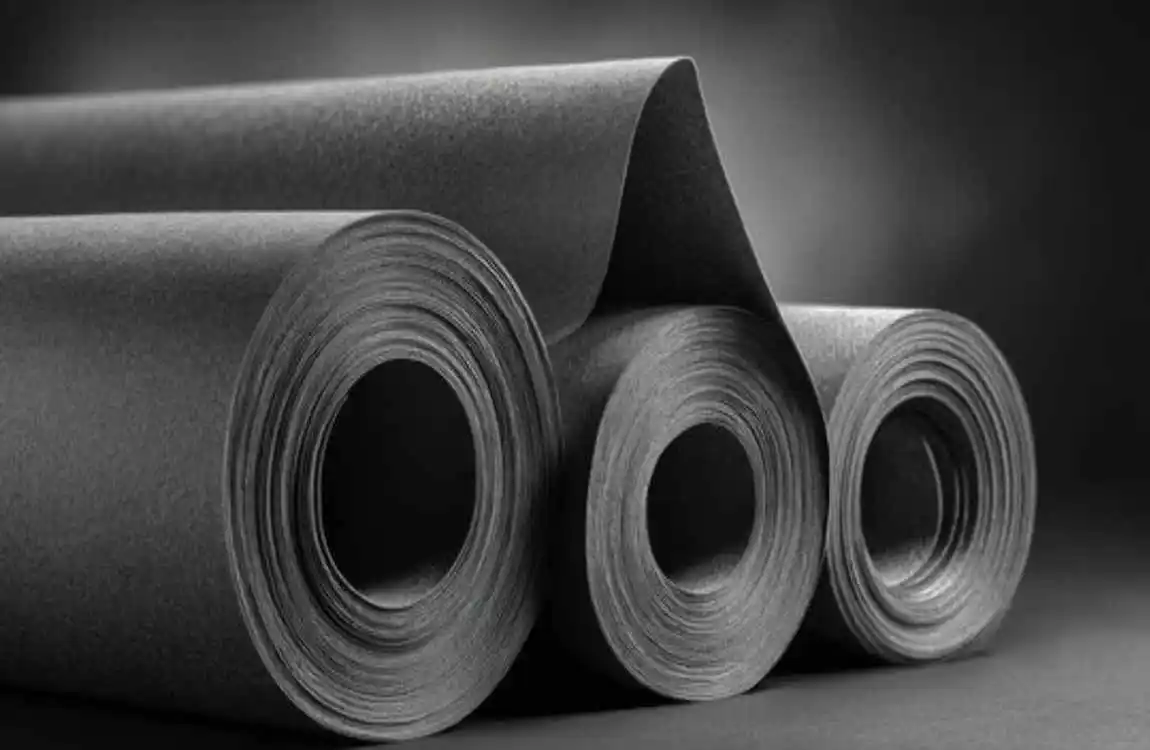
Let’s get to the numbers you’ve been waiting for. Remember, these are roof averages – your actual costs may vary based on the factors we’ve discussed.
Material Costs Per Roll
Grade Price Per Roll Coverage Cost Per Square Foot
Economy $30-50 100 sq ft $0.30-0.50
Mid-Grade $50-80 100 sq ft $0.50-0.80
Premium $80-120 100 sq ft $0.80-1.20
Most rolls cover approximately 100 square feet, which roofers refer to as “one square.” To calculate the number of rolls needed, measure your roof’s square footage and divide by 100. Then, add 10-15% for waste and overlaps.
Labour Costs for Professional Installation
Professional roofers typically charge $50-$ 75 per square foot for rolled roofing installation. This translates to $0.50 to $ 0.75 per square foot. Some contractors charge by the hour instead, with rates ranging from $45 to $ 75 per hour, depending on location and experience.
A typical single-story home with a simple roof design might take a professional crew 1-2 days to complete. More complex projects could extend to 3-4 days.
Additional Cost Considerations
Don’t forget these potential expenses:
Old roof removal adds $1-5 per square foot, depending on the existing material and number of layers. Deck repairs may be necessary once the old roofing is removed, costing $2-$ 5 per square foot for damaged areas.
Permit fees vary by location but typically range from $50 to $ 500. Disposal fees for old roofing materials can add $300 to $ 500 to your project.
Real-World Project Examples
Let’s look at three scenarios to illustrate total costs:
Budget Project: 10×12 Shed (120 sq ft)
- Economy rolled roofing: $50
- DIY installation: $0
- Accessories: $25
- Total: $75
Mid-Range Project: 20×20 Garage (400 sq ft)
- Mid-grade rolled roofing: $200
- Professional installation: $200
- Accessories: $75
- Permit: $100
- Total: $575
Premium Project: 1,500 sq ft Home Addition
- Premium rolled roofing: $1,800
- Professional installation: $1,125
- Accessories: $350
- Old roof removal: $750
- Permits and disposal: $400
- Total: $4,425
Pros and Cons of Rolled Roofing Related to Cost
Understanding the cost-benefit relationship helps you decide if rolled roofing suits your needs. Let’s examine both sides.
The Cost Advantages
Affordability stands out as the most significant selling point of rolled roofing. You’ll spend significantly less compared to traditional shingles, metal roofing, or tile. This makes it perfect for budget-conscious projects or temporary structures.
Quick installation translates to lower labour costs. A professional crew can install rolled home roofing much faster than individual shingles, reducing the hours you’re paying for. DIY enthusiasts appreciate the straightforward installation process that doesn’t require specialised skills.
Minimal waste keeps costs down. Unlike shingles that generate considerable scrap, rolled roofing’s large sheets minimise cutoffs and disposal fees.
How Much Does a Roll of Rolled Roofing Cost: FAQ
Q: What is the typical price range for a roll of rolled roofing?
A: A single roll of rolled roofing generally costs between $40 and $150, depending on the manufacturer, quality, and durability features.
Q: How much does rolled roofing cost per square foot?
A: Material prices range from about $0.50 to $1.50 per square foot. Installation labor adds roughly $1.50 to $4.50 per square foot if you hire professionals.
Q: How much does it cost to cover a 1,000 square foot roof with rolled roofing?
A: Material costs for 1,000 square feet (10 rolls or 10 squares) typically range from $300 to $1,000, with total installed costs between $1,500 and $3,000.
Q: Why do prices vary so much?
A: Costs depend on product quality, weather resistance, warranties, labor rates, and complexity of the roof job.
Q: Is rolled roofing a budget-friendly option?
A: Yes, rolled roofing is considered an affordable roofing solution compared to other materials, especially for flat or low-slope roofs.