Imagine standing outside on a scorching summer afternoon, gazing at your brand-new dark-colored metal roof. You start to wonder, “Is this roof turning my house into a sauna?” It’s a valid concern because when temperatures rise, the surface of your roof can significantly affect your home’s energy efficiency and comfort. But here’s the real question: Are different color metal roofs hotter?
How Metal Roofs Handle Heat: The Science Basics
Breaking Down Heat Transfer: What Happens on Your Roof?
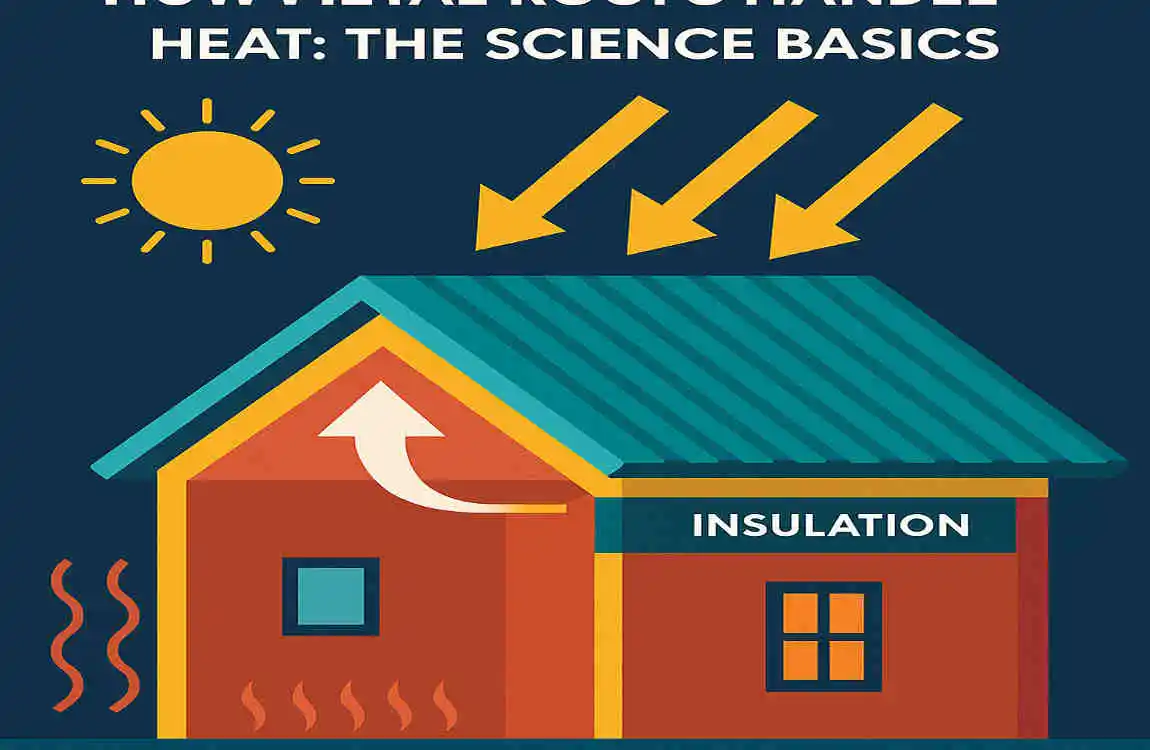
Before we dive into color differences, let’s understand the science behind heat transfer. Your roof absorbs and releases heat through three processes:
- Conduction: Heat moves directly through the roofing material into your home.
- Convection: Heat rises off the roof into the air.
- Radiation: The roof emits heat absorbed from sunlight back into the atmosphere or into your attic.
Metal roofs are widely recognized for their durability and energy efficiency. However, the color of your roof plays a critical role in how much sunlight it reflects and absorbs.
What is Solar Reflectance Index (SRI)?
The Solar Reflectance Index (SRI) measures a material’s ability to reflect solar heat and release absorbed heat. SRI values range from 0 (absorbs all heat) to 100 (reflects all heat). For example:
- A black metal roof has an SRI of 10-20, meaning it absorbs most sunlight.
- A white metal roof, on the other hand, has an SRI of 80-100, making it highly reflective.
This difference in SRI explains why lighter-colored roofs are often associated with cooler surfaces.
A Quick Comparison: Metal Roofs vs. Asphalt Shingles
Metal roofs outperform asphalt shingles in heat management. Shingles absorb more heat due to their darker, less reflective surfaces, whereas metal roofs with reflective coatings can reject up to 60% more heat.
Here’s a quick comparison table:
Roofing Material, Heat Absorption, Energy Efficiency
Metal Roofs Moderate to Low High
Asphalt Shingles High Low
Cool Metal Roofs (Coated) Very Low Very High
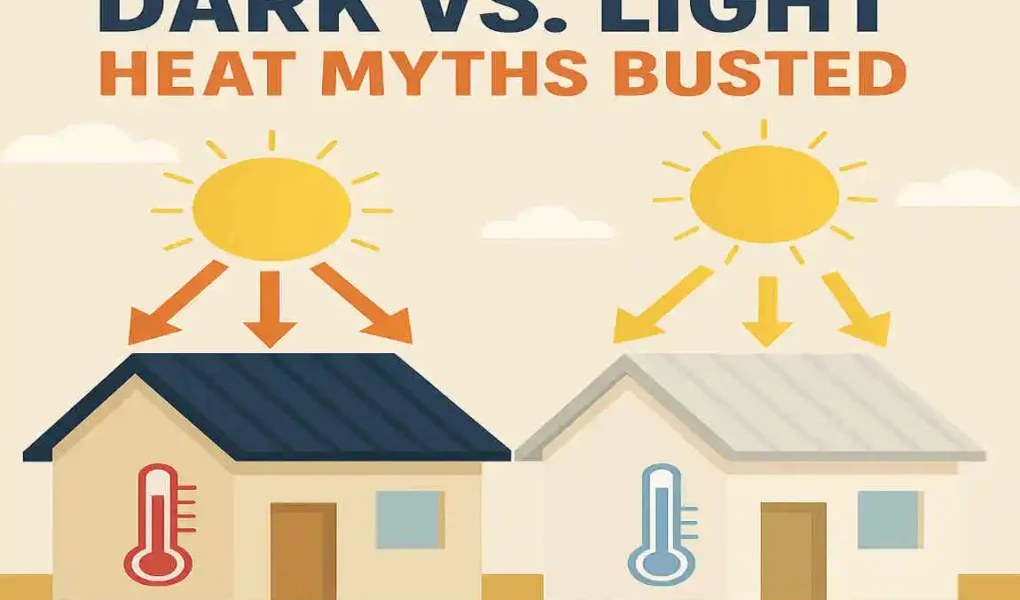
Do Different Color Metal Roofs Get Hotter? Dark vs Light Showdown
When it comes to heat, color matters. Darker roofs naturally absorb more heat, while lighter roofs reflect more sunlight. However, modern advancements in coatings and pigments have leveled the playing field.
Dark vs. Light Metal Roofs: Side-by-Side Comparison
Below is a detailed table that highlights how different metal roof colors perform in terms of heat absorption, surface temperature, and energy impact:
Color Type Heat Absorption Avg. Surface Temp (Summer)Energy Impact
Dark (Black/Gray) High (70-90%) 160-180°F +10-20% AC usage
Light (White/Beige) Low (20-40%) 120-140°F -20-30% AC usage
Medium (Earth Tones) Moderate (50-70%) 140-160°F Neutral
Key Takeaway:
While darker roofs can get hotter than lighter ones, modern reflective coatings and ventilation systems can significantly reduce heat transfer into your home.
Dark Metal Roofs: Are They Really That Hot?
Dark-colored metal roofs are often criticized for their tendency to absorb heat. However, let’s look at the pros and cons:
Pros:
- Aesthetic Appeal: Many homeowners prefer the sleek, modern look of darker roofs.
- UV Resistance: Premium coatings protect against sun damage.
- Higher Resale Value: Dark roofs are trendy and can boost curb appeal.
Cons:
- Higher Surface Temps: Dark roofs initially absorb more sunlight.
- Myths About Heat Transfer: While the surface is hotter, insulation reduces heat transfer indoors.
Light Metal Roofs: Cool by Design or Just Hype?
Lighter metal roofs are celebrated for their cooling properties, but are they flawless? Let’s explore:
Pros:
- Energy Efficiency: Light colors reflect up to 80% of sunlight, reducing cooling costs.
- Longevity: Lower heat exposure means less wear and tear.
- Perfect for Hot Climates: Ideal for areas with extreme summers.
Cons:
- Dirt Visibility: Light roofs can show stains and dirt more easily.
- Fading Over Time: Prolonged exposure to UV rays can cause slight color fading.
Medium Colors: The Balanced Choice
For homeowners who want the best of both worlds, medium-toned colors like terra cotta, gray, or green offer a good balance. They absorb less heat than darker shades but don’t require the maintenance of lighter roofs. These are ideal for temperate climates.
Top Myths About Metal Roof Colors and Heat Busted
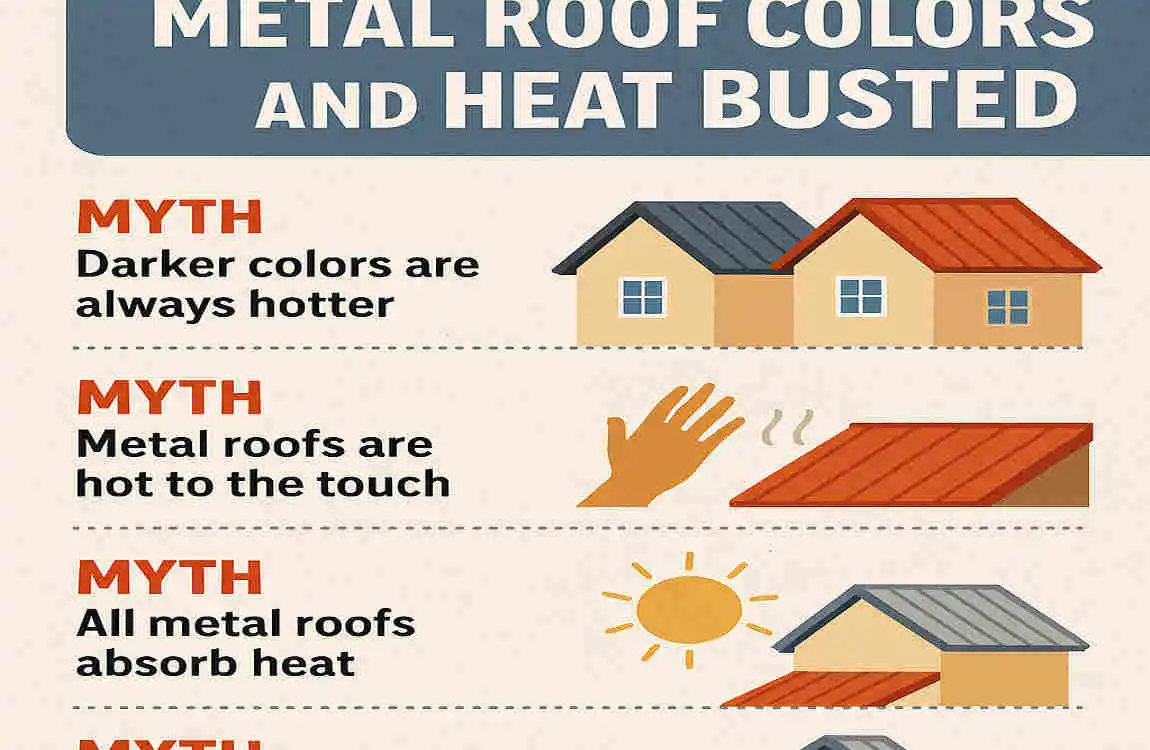
Let’s bust some common myths about metal roof colors and their impact on heat:
Darker Roofs Always Make Homes Hotter Inside
Truth: While darker roofs absorb more heat, proper insulation and ventilation minimize heat transfer into your home. Reflective coatings can reduce heat absorption by up to 70%, meaning color is no longer the sole factor.
Light Roofs Blind Neighbors
Truth: Modern cool roof pigments are designed to reflect heat without causing excessive glare. You can enjoy a light-colored roof without worrying about disturbing your surroundings.
Color Doesn’t Matter on Metal Roofs
Truth: Color matters, but it’s not the only factor. SRI values and coatings have a greater impact on heat performance than color alone.
Dark Roofs Are Banned in Hot Climates
Truth: Many hot climates offer incentives for cool roofs, which focus more on reflective coatings than color restrictions. Dark roofs with cool pigments are often eligible.
Factors Beyond Color: What Really Makes Metal Roofs Hot or Cool?
While color is important, other factors also influence how well a metal roof manages heat:
- Coatings and Pigments: High-quality coatings like Kynar 500 reflect infrared light, keeping roofs cooler.
- Roof Pitch: Steeper roofs shed heat faster and enhance ventilation.
- Ventilation: Proper attic ventilation can reduce indoor temperatures by up to 15-20°F.
- Climate and Insulation: Spray foam insulation and radiant barriers are game-changers in hot climates.
- Roof Longevity: Cool roofs often come with more extended warranties (up to 40 years).
Best Metal Roof Colors for Hot Climates and Energy Savings
Recommendations by Region
Here’s a quick guide to choosing the best metal roof color based on your region:
- Southwest: White or silver to reflect intense sunlight.
- Midwest: Light or medium grays for year-round energy efficiency.
- Southeast: Beige or light earth tones for balanced cooling and aesthetics.
Cost vs. Savings
While light-colored roofs can cost $0.50-$1.00 per square foot more, they often save homeowners $200-$500 annually on cooling costs. The long-term savings make them a worthwhile investment.m