House centipedes are one of the most unsettling pests homeowners encounter indoors. Their long legs, quick movement, and sudden appearance often cause panic, especially when they race across bathroom floors or basement walls late at night. Even though they look frightening, many people are unsure whether these insects are truly dangerous or simply unpleasant to see.
One of the most common concerns people have is whether house centipedes can harm humans or pets. Others want to know the safest way to remove them without spreading germs or using harsh chemicals indoors. This is why many homeowners search for house centipede cleaning methods that are both safe and effective.
What Are House Centipedes?
House centipedes are fast-moving insects commonly found in damp indoor environments. Unlike many household pests, they do not damage furniture or food. Still, their mere presence can make many people uncomfortable.
Physical Appearance
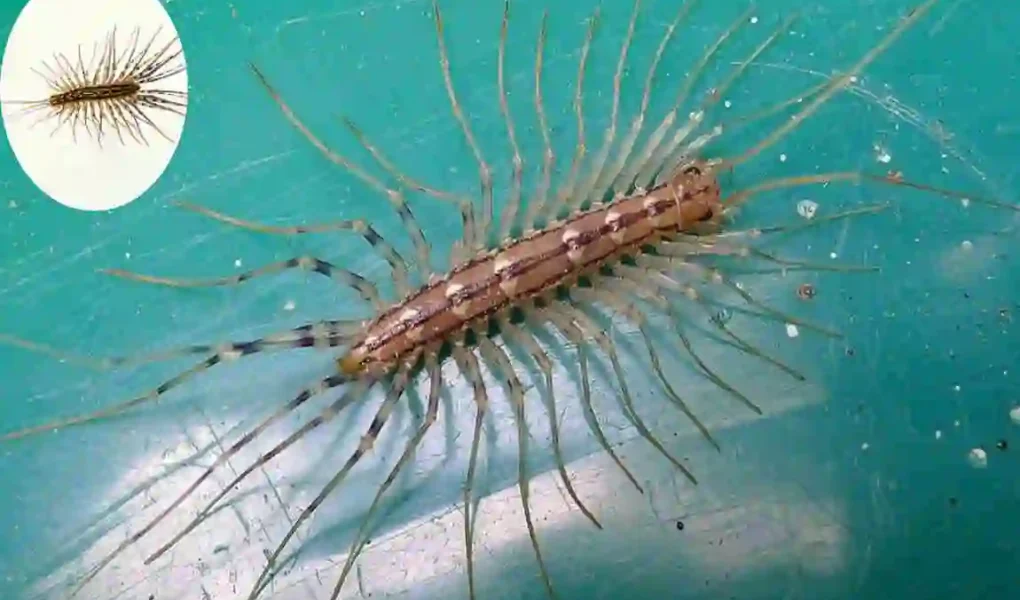
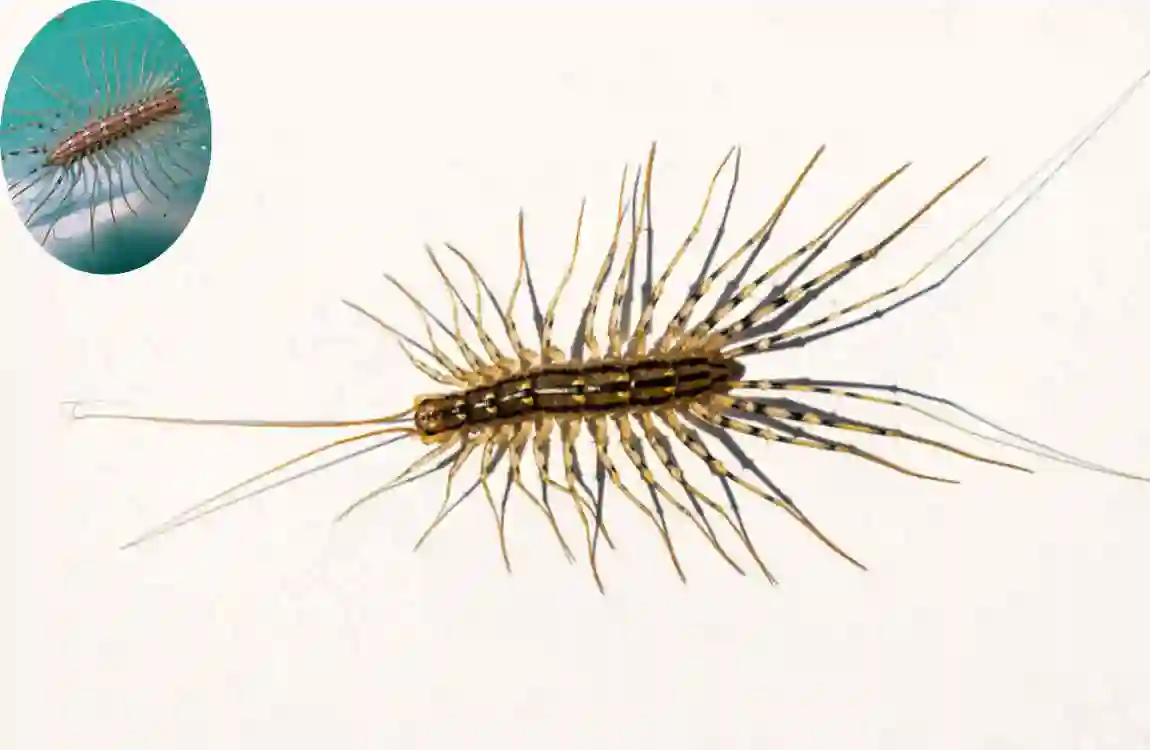
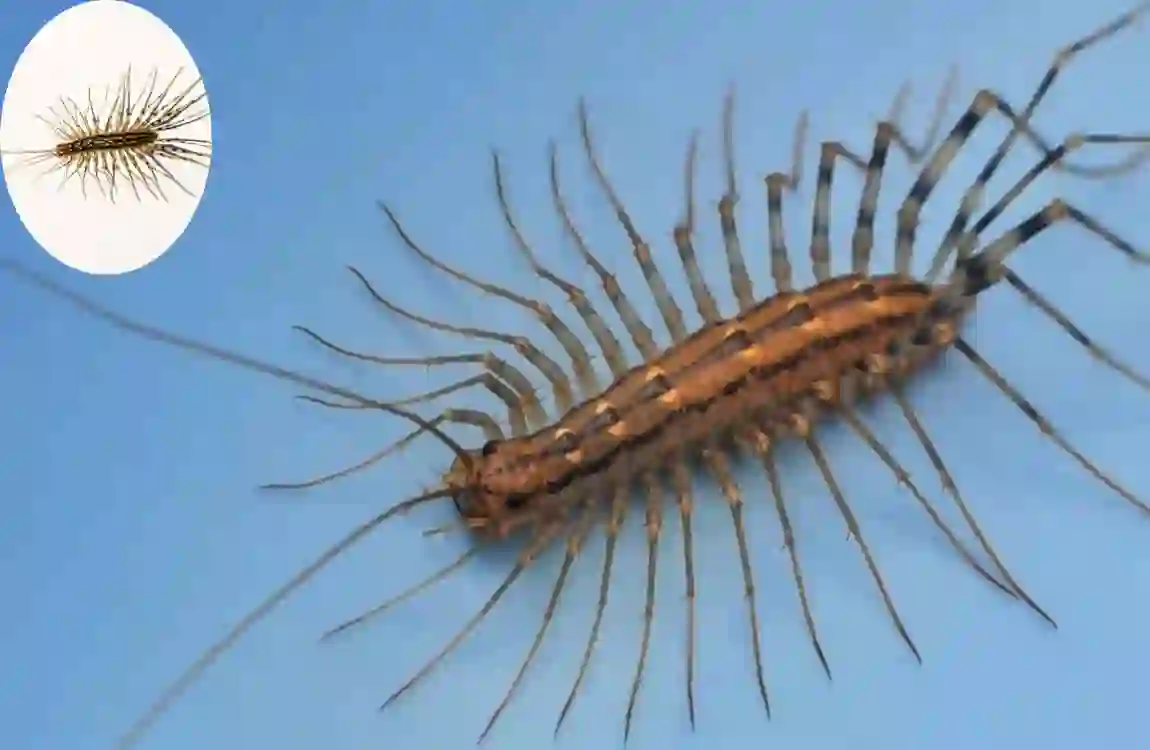
House centipedes have a distinctive appearance that makes them easy to recognize. They usually have:
- A yellow-gray or light brown body
- Dark stripes running along their back
- Extremely long legs
- Long antennae
- A thin, segmented body
Most house centipedes grow between 1 and 1.5 inches long. Their legs can make them appear much larger than they actually are. Because they move so quickly, homeowners often surprise them by spotting them suddenly running across floors or walls.
Their unusual appearance is one reason many people immediately fear them. The combination of speed and long legs can make them look more dangerous than they really are.
Where They Commonly Hide
House centipedes prefer dark, moist, and quiet places. During the day, they usually hide in areas with high humidity.
Common hiding spots include:
- Bathrooms
- Basements
- Kitchens
- Laundry rooms
- Under sinks
- Storage boxes
- Damp closets
- Crawl spaces
You may also find them near drains, behind appliances, or around leaking pipes where moisture collects regularly.
Why They Enter Homes
House centipedes enter homes for three main reasons:
ReasonExplanation
Moisture : Damp areas provide ideal living conditions
Food Supply : They feed on insects like spiders and silverfish
Shelter Dark spaces protect them from predators
If your home has excess humidity or other insects, house centipedes may see it as a perfect environment in which to survive.
Are House Centipedes Poisonous?
Many homeowners become alarmed when they see a luxury house centipede, assuming it is poisonous. Understanding the truth can help reduce unnecessary fear and improve safe cleaning practices.
Understanding Venom vs Poison
There is an important difference between venomous and poisonous creatures.
- Poisonous organisms are harmful when touched or eaten.
- Venomous organisms inject toxins through bites or stings.
House centipedes are technically venomous, not poisonous. They use small venom glands to hunt tiny insects and pests. However, their venom is very mild and designed for small prey, not humans.
This distinction matters because many online searches about house centipedes and poisonous cleaning are based on confusion between poison and venom.
Can House Centipedes Harm Humans?
In most cases, house centipedes are harmless to humans. They generally avoid contact and prefer to escape rather than attack.
Although they can bite, bites are extremely rare. Most people never experience one because house centipedes are shy and defensive creatures.
If a bite does happen, symptoms may include:
- Mild redness
- Temporary swelling
- Slight burning sensation
- Minor irritation
For most healthy adults, the discomfort is similar to a small bee sting and usually fades quickly.
Are They Dangerous to Pets or Children?
House centipedes pose very little risk to pets and children. However, some individuals may have sensitive skin reactions if bitten.
Small children and curious pets may try to touch or play with them, increasing the chance of irritation. Even so, serious reactions are very uncommon.
You should contact a doctor or veterinarian if you notice:
- Severe swelling
- Difficulty breathing
- Allergic reactions
- Persistent pain
These situations are rare but should still be treated carefully.
Why People Fear Them
Most fear of house centipedes stems from their appearance and behavior rather than any actual danger.
People often become frightened because house centipedes:
- Move extremely fast
- Have many long legs
- Appear suddenly
- Thrive in dark spaces
- Looks similar to more dangerous pests
Online misinformation also increases panic. Some websites exaggerate the risks, causing homeowners to assume they are highly dangerous when they are not.
Why You Should Clean House Centipedes Quickly
Even though house centipedes are not highly dangerous, you should still address them quickly. Their presence often signals other issues inside the home that need attention.
Signs of a Moisture Problem
House centipedes thrive in humid environments. If you notice them regularly, your home may have excess moisture somewhere.
Possible moisture problems include:
- Leaky pipes
- Poor ventilation
- Basement humidity
- Condensation buildup
- Water damage
Ignoring these issues can eventually lead to mold growth and structural damage.
Presence of Other Pests
House centipedes feed on insects. Seeing them often may indicate your home already contains other pests.
They commonly hunt:
- Spiders
- Silverfish
- Cockroaches
- Ants
- Small flies
A growing centipede population may indicate a larger insect problem hiding in walls, cabinets, or storage areas.
Health and Hygiene Concerns
While house centipedes themselves are not major health threats, their presence can still create discomfort.
Many homeowners experience:
- Stress and anxiety
- Fear of insects
- Sleep disturbance
- Worries about contamination
Cleaning them quickly helps restore comfort and peace of mind inside the home.
How to Safely Clean House Centipedes from Your Home
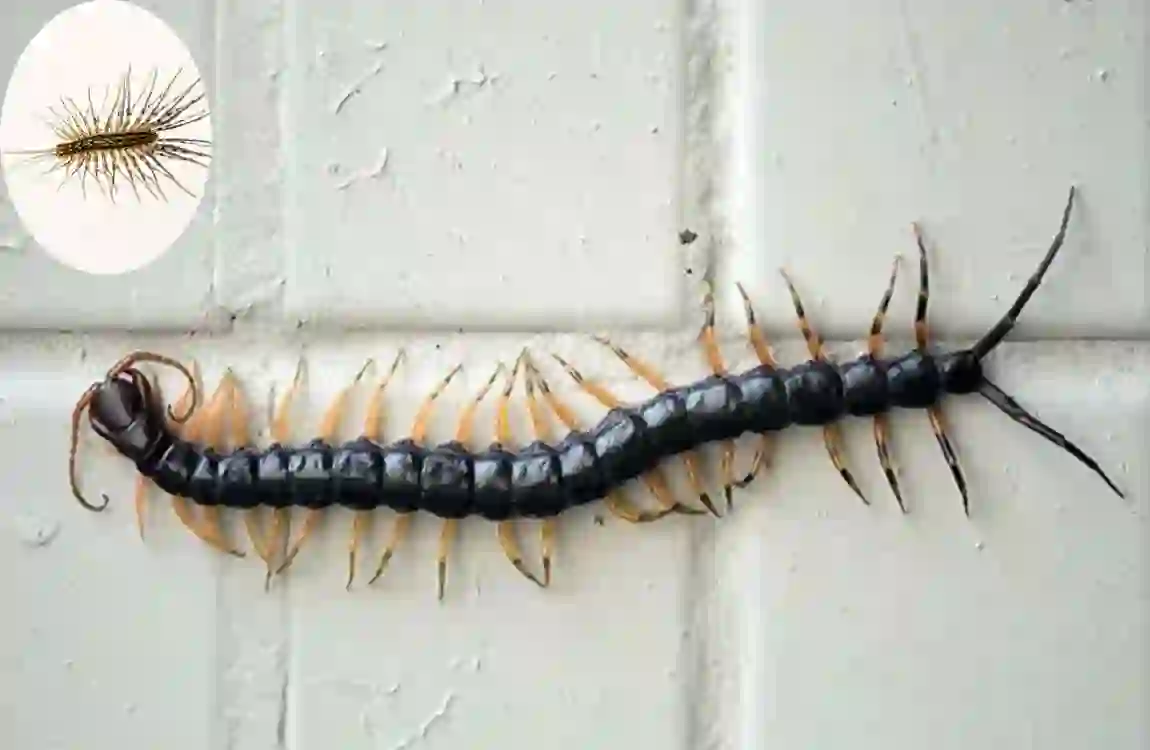
Removing house centipedes safely requires more than simply killing the insect. You also need to clean the area properly and reduce conditions that attract them.
Step 1 – Wear Protective Cleaning Gear
Before cleaning, protect yourself with basic safety equipment.
Recommended items include:
- Rubber gloves
- Closed shoes
- Face mask if dust or mold is present
Protective gear helps maintain hygiene and prevents direct contact with insects or contaminated surfaces.
If you are cleaning damp basements or storage rooms, wearing long sleeves can also help protect your skin.
Remove the Centipede Safely
There are several safe ways to remove house centipedes from your home.
Vacuum Method
Using a vacuum cleaner is one of the easiest options. Vacuum the centipede and immediately empty the vacuum bag or canister outside.
This method works well for fast-moving insects because it reduces direct contact.
Sticky Traps
Sticky traps can capture centipedes overnight in areas where they frequently appear.
Place traps near:
- Baseboards
- Under sinks
- Behind toilets
- Basement corners
These traps also help monitor insect activity levels inside your home.
Tissue or Container Capture Method
If you prefer not to kill the centipede, you can trap it using a container and stiff paper.
Steps include:
- Place a cup over the centipede
- Slide paper underneath
- Carry it outside
- Release it from your home
This method is safe and chemical-free.
Disinfect the Area Thoroughly
After removal, clean the area completely.
Use household disinfectants to sanitize:
- Floors
- Corners
- Walls
- Baseboards
- Damp surfaces
Pay extra attention to hidden areas where insects may gather.
Dispose of tissues, traps, or vacuum debris properly in sealed trash bags.
Cleaning thoroughly helps remove insect residue, dust, and odor trails that may attract other pests.
Reduce Moisture Immediately
Moisture control is one of the most important parts of long-term centipede prevention.
You can reduce humidity by:
- Using dehumidifiers
- Opening windows
- Running bathroom exhaust fans
- Fixing leaking pipes
- Drying wet surfaces quickly
Bathrooms and basements often require the most attention.
Seal Entry Points
House centipedes often enter through tiny cracks and openings.
Inspect your home carefully for:
- Wall cracks
- Window gaps
- Loose weather stripping
- Foundation openings
- Door gaps
Sealing these entry points significantly reduces future pest problems.
Door sweeps and silicone caulk are simple but effective solutions.
Eliminate Other Household Insects
Since house centipedes hunt other insects, removing their food source can help stop infestations.
Keep your home cleaner by:
- Vacuuming regularly
- Wiping crumbs immediately
- Emptying trash bins often
- Storing food in sealed containers
- Keeping floors dry
The fewer insects available, the less attractive your home becomes to centipedes.
Best Natural Remedies for House Centipede Cleaning
Many homeowners prefer natural cleaning solutions over harsh chemicals. Fortunately, several effective remedies can help safely discourage house centipedes.
Vinegar Spray
Vinegar is a simple and affordable cleaning solution.
How to Prepare
Mix:
- Equal parts white vinegar and water
Pour the mixture into a spray bottle and apply it around:
- Baseboards
- Bathroom corners
- Window edges
- Basement walls
Safe Application Tips
Avoid spraying directly onto delicate surfaces, such as natural stone. Always test a small area first.
The strong smell may help discourage insects while also cleaning surfaces.
Essential Oils
Certain essential oils naturally repel insects.
Popular options include:
- Peppermint oil
- Tea tree oil
- Lavender oil
Mix several drops with water and spray lightly around problem areas.
These oils also leave a fresher indoor scent compared to chemical sprays.
Baking Soda and Borax
Baking soda can help absorb moisture in damp areas.
Borax may also discourage pests, but it should be used carefully around children and pets.
Sprinkle lightly in hidden areas such as:
- Basement corners
- Under sinks
- Behind appliances
Always vacuum excess powder afterward.
Diatomaceous Earth
Diatomaceous earth is a natural powder made from fossilized algae.
It works by damaging the insects’ outer layer, eventually dehydrating them.
For indoor use:
- Apply thin layers in dry areas
- Keep away from wet surfaces
- Avoid inhaling large amounts
This method can help control centipedes and other crawling insects naturally.
Common Cleaning Mistakes to Avoid
Some cleaning habits may actually make centipede problems worse.
Ignoring Moisture Problems
The biggest mistake homeowners make is focusing only on the insects while ignoring humidity issues.
If moisture remains, centipedes and other pests often return quickly.
Crushing Centipedes Bare-Handed
Never crush insects directly with your bare hands.
This creates unnecessary hygiene concerns and may spread bacteria from contaminated surfaces.
Always use gloves or cleaning tools.
Overusing Chemical Sprays
Many people immediately spray large amounts of insecticide indoors.
Excessive chemical use can cause:
- Indoor air quality problems
- Respiratory irritation
- Risks to pets and children
Natural and targeted methods are usually safer for regular household cleaning.
Forgetting Hidden Areas
House centipedes rarely stay in open spaces for long.
Do not forget to inspect:
- Behind appliances
- Under sinks
- Storage boxes
- Basement corners
- Laundry areas
Hidden moisture often allows infestations to continue unnoticed.
When to Call a Professional Pest Control Service
Sometimes DIY cleaning methods are not enough.
Signs of a Larger Infestation
You may need professional help if you notice:
- Frequent centipede sightings
- Multiple pest problems
- Persistent dampness
- Large numbers of insects
- Repeated infestations
These signs may indicate hidden structural or moisture issues.
Benefits of Professional Cleaning
Professional pest control services offer several advantages.
Experts can provide:
- Detailed home inspections
- Moisture detection
- Safe treatment plans
- Long-term prevention strategies
- Identification of hidden pests
Professional treatment may save time and reduce recurring problems.
Tips to Prevent House Centipedes Permanently
Prevention is the best long-term solution for keeping house centipedes away.
Keep Your Home Dry
Moisture reduction should always be a top priority.
Helpful habits include:
- Running exhaust fans
- Repairing leaks quickly
- Drying bathroom floors
- Improving airflow
- Using dehumidifiers
Even small changes in humidity can significantly reduce pest activity.
Improve Home Cleanliness
Regular cleaning removes food sources and hiding spots.
Important cleaning habits include:
- Vacuuming weekly
- Cleaning under furniture
- Organizing storage areas
- Removing clutter
- Washing dishes promptly
A cleaner home supports better pest prevention overall.
Outdoor Prevention Tips
Outdoor conditions can also influence indoor pest activity.
Reduce attraction around your home by:
- Removing wet leaves
- Cleaning gutters
- Trimming plants near walls
- Fixing drainage problems
- Moving firewood away from the house
These changes help reduce insect populations near entry points.
Frequently Asked Questions (FAQ)
Are house centipedes poisonous to humans?
No, house centipedes are not poisonous to humans. They are venomous, meaning they use mild venom to catch insects. Their bites are rare and usually cause only minor irritation.
Is it safe to clean house centipedes without pest control?
Yes, most homeowners can safely remove and clean house centipedes themselves using simple cleaning methods, protective gloves, and moisture control techniques.
What smell do house centipedes hate?
House centipedes may dislike strong scents such as:
- Peppermint oil
- Tea tree oil
- Lavender oil
- Vinegar
These natural smells may help discourage them from entering certain areas.
Can house centipedes climb beds?
Yes, house centipedes can climb walls, furniture, and occasionally beds. However, they usually avoid humans and prefer dark hiding spots.
Reducing humidity and cleaning surrounding areas can help prevent this behavior.
Should I kill house centipedes or release them outside?
Both options are possible.
Killing them removes the immediate problem, while releasing them outside avoids unnecessary harm. However, releasing them too close to your home may allow them to return.
Why do I suddenly have house centipedes in my bathroom?
Bathrooms often attract house centipedes because they provide:
- Moisture
- Warmth
- Darkness
- Other insects
Leaks, poor ventilation, and damp towels may increase activity in these areas.
Are house centipedes a sign of a dirty house?
Not necessarily. Even in clean homes, centipedes can develop if moisture levels are high or other insects are present.
However, clutter and poor cleaning habits may create better hiding places for pests.
| Safe Cleaning Action | Why It Helps | Recommended Tools | |
|---|---|---|---|
| Identify house centipede hiding spots | Helps locate moisture and pest-prone areas | Flashlight, gloves | |
| Wear protective cleaning gear | Prevents direct contact and improves hygiene | Rubber gloves, closed shoes | |
| Remove the centipede safely | Avoids mess and reduces contamination concerns | Vacuum cleaner, tissue, container | |
| Disinfect the affected area | Kills bacteria and removes pest residue | Household disinfectant spray | |
| Reduce moisture in the home | House centipedes thrive in damp environments | Dehumidifier, exhaust fan | |
| Seal cracks and entry points | Prevents future centipede entry | Caulk, weather stripping | |
| Eliminate other household insects | Removes the food source attracting centipedes | Sticky traps, regular cleaning | |
| Use natural repellents | Helps keep centipedes away safely | Vinegar spray, peppermint oil | |
| Clean hidden spaces regularly | Prevents recurring infestations | Mop, vacuum, storage organizers | |
| Monitor for repeated sightings | Detects larger pest or moisture problems early | Pest traps, inspection checklist |