Have you ever stared at a blank, dimly lit wall in your living room and asked yourself, “Can you put windows on the side of a house?” You are certainly not alone. Many homeowners look at the large, empty side elevations of their properties and dream of flooding their interior spaces with warm, natural sunlight.
The short and happy answer is yes, you absolutely can! Adding a window to a side wall is a fantastic way to brighten up your home. However, it is not always as simple as grabbing a sledgehammer and knocking a hole in your drywall. You have to navigate a few caveats, primarily involving local building codes, strict zoning rules, and practical factors like the structural integrity of your property.
When done correctly, adding side windows brings incredible benefits. You get to enjoy enhanced natural light, better airflow, and a significant boost to your property’s market value. Of course, you also need to think about your budget. The side window installation costs generally range from £350 to £1800 per window, depending on the size, style, and structural work required.
Why Add Side Windows to Your Property?
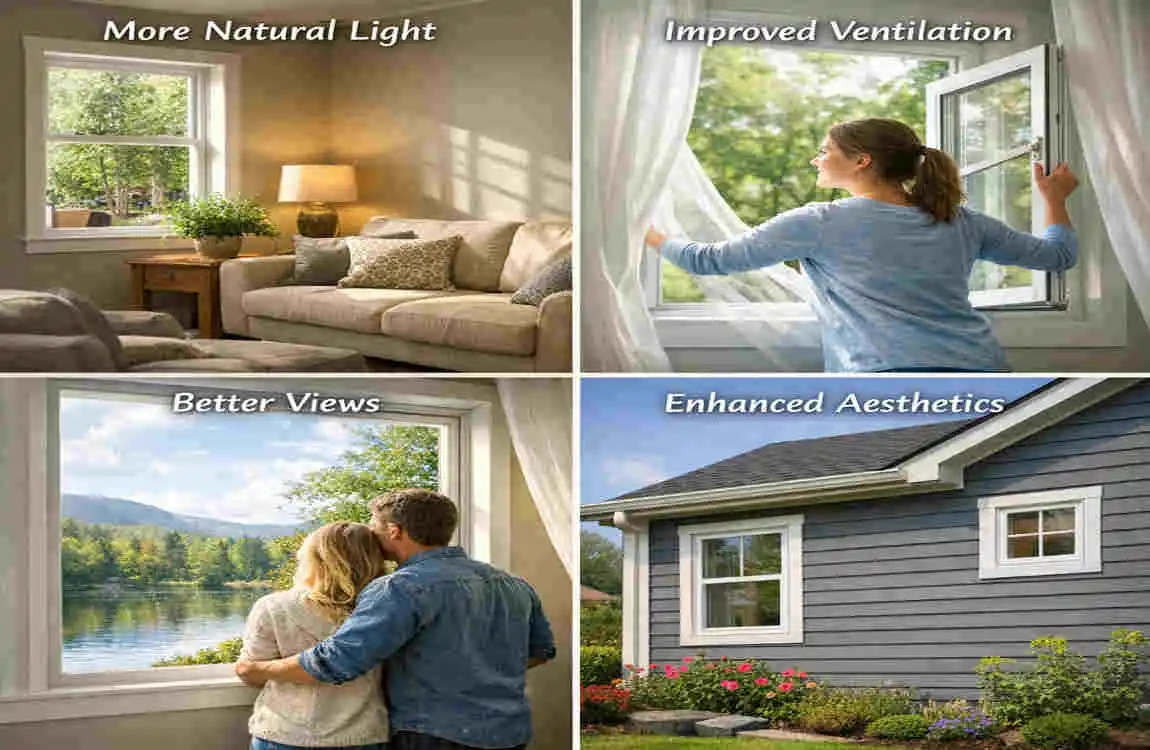
If you are on the fence about whether or not to take on this home improvement project, you should know that the benefits go far beyond just aesthetics. Side windows can genuinely transform the way you experience your daily living space. Dark corridors become welcoming hallways, and gloomy kitchens turn into vibrant spaces for family gatherings.
First and foremost, adding a window dramatically boosts natural light. Humans thrive on sunlight, and relying on artificial lighting during the day can drain your energy and your wallet. By strategically placing a window on your side elevation, you can capture the morning or afternoon sun, naturally warming and illuminating your home.
Secondly, side windows offer excellent cross-ventilation. When you open a window on the side of your house along with one at the front or back, you create a refreshing breeze that sweeps through the building. This natural airflow improves indoor air quality and helps you cut down on expensive air conditioning costs during the summer months.
Furthermore, you can expect a healthy return on your investment. Real estate experts note that homes with abundant natural light sell faster and at higher prices. Introducing modern aesthetics through side windows can increase your property value by an impressive 5% to 10%.
Finally, side windows can be incredibly privacy-friendly. Unlike large front-facing bay windows that put your living room on display to the street, side windows can be tailored to protect your privacy.
Here are four brilliant benefits of side windows with real-world examples:
- Enhanced Privacy with Clerestory Windows: You can install high-placed clerestory windows near your ceiling. They let the sunlight pour in while keeping your interior entirely hidden from the neighbors next door.
- Architectural Interest: A tall, narrow window in a stairwell breaks up a boring brick facade and adds a striking modern touch to your exterior.
- Targeted Ventilation: A small awning window in a side-facing bathroom allows steam to escape without compromising your modesty.
- Improved Energy Efficiency: By choosing high-quality double or triple glazing, your new side window will act as a thermal barrier, keeping your home cozy in the winter.
Understanding Legal Rules and Regulations
Before you start picking out frame colors, we need to talk about the legal side of things. You must understand the rules for side windows to avoid costly fines or having to undo your hard work.
Permitted Development Basics
The great news is that, in many cases, adding a side window falls under your “permitted development” (PD) rights. Permitted development means that you can perform certain types of building work without needing to apply for formal planning permission.
However, permitted development comes with a strict set of conditions. The government wants to ensure that your new window does not negatively impact your neighbors’ quality of life. If your project ticks all the right boxes for permitted development, you can proceed with confidence. But if you fail to meet even one of these conditions, you will cross over into the territory where formal planning permission is legally required.
Key Restrictions for Side Windows
To help you understand the specific window placement regulations, we have broken down the most common restrictions into an easy-to-read table. Always keep in mind that these are general guidelines for 2026, and your specific local laws may vary.
Rule Category, Specific Details and Limitations, Source Notes
Upper-Floor Privacy Any side-facing window on an upper floor must feature obscure glazing (frosted glass). Additionally, it must be non-opening unless the opening parts are at least 1.7 meters above the floor of the room. UK Permitted Development Rules
Boundary Proximity: If your wall is less than 1 meter from the property line, you may be restricted to a maximum of 1 square meter of glazing. If you are 3 to 5 feet away, the total glazing usually cannot exceed 20% of the wall area. Standard Building Codes
Fire Safety: Strict glazing limits apply near property boundaries to prevent fire from jumping between houses. Usually, this limits unprotected glass to 3.5% – 7% of the wall area, depending on the exact distance to the boundary line. International Building Code Examples
Local Zoning Rules: You must always check with your local council. Urban and densely populated areas often have much stricter oversight and privacy rules than rural properties. Varies by Regional Authority
When Do You Actually Need Planning Permission?
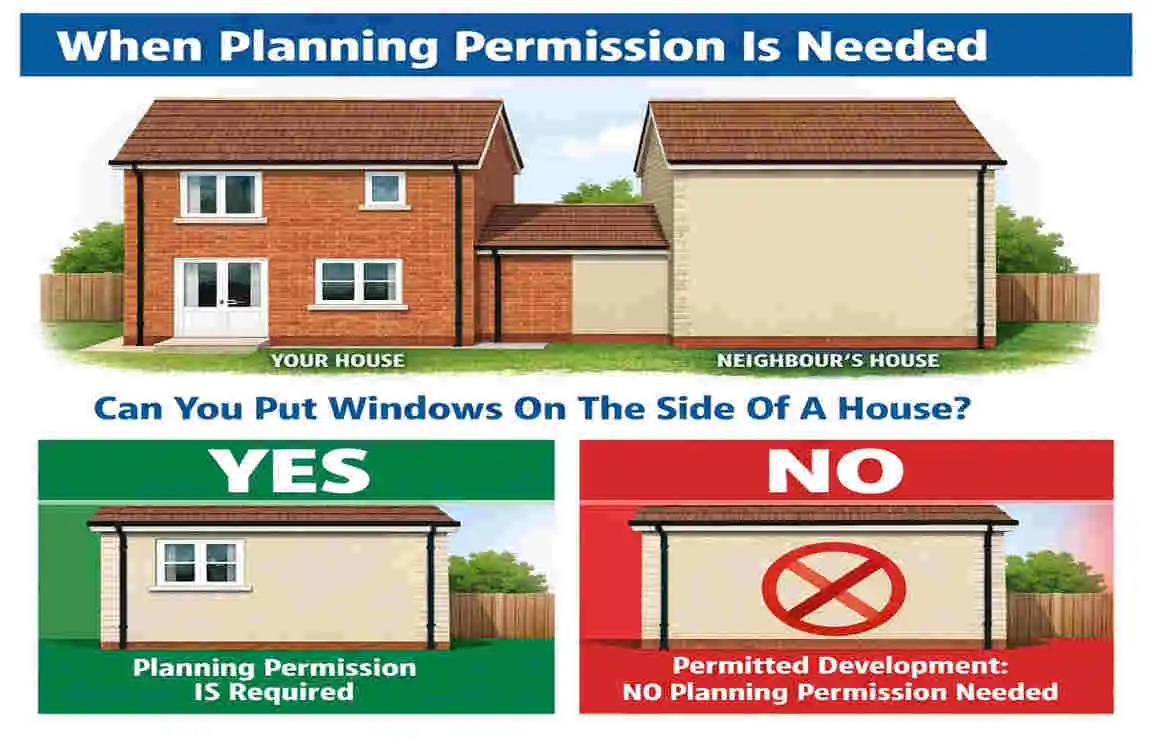
While permitted development covers many standard installations, there are specific triggers that will force you to seek official planning permission. Can you put windows on the side of a house without permission? Yes, but not if you trigger these specific clauses.
The most common reason homeowners need planning permission for a side window is the desire to use clear glass on an upper floor. If you want to look out over your neighbor’s property with non-obscure glazing, the council will almost certainly require you to submit an application. They want to give your neighbors a chance to object to the loss of their privacy.
Another major trigger is exceeding the strict size limits imposed by building and fire safety codes. If you want a massive, floor-to-ceiling glass feature on a wall that sits right on your property line, you will need special approval.
Furthermore, if you live in a listed building, a designated conservation area, or a national park, your permitted development rights are usually heavily restricted or entirely removed. In these protected areas, you will need planning permission for almost any external alteration to ensure you preserve the historic or aesthetic character of the neighborhood.
The process of applying for planning permission is relatively straightforward but requires patience. You will need to submit an application to your local council, which usually involves a fee of £200 or more. You must include detailed architectural drawings showing the exact placement, size, and style of the proposed window. Once submitted, you can generally expect to wait about 8 weeks for the council to review your application, consult with your neighbors, and issue an approval or denial.
Side Window Installation Costs Broken Down (2026 Guide)
Let us talk about the budget. How much does this project actually cost? The side window installation costs vary widely based on the materials you choose, the complexity of the installation, and the current labor rates in your specific area.
When you create a new opening in a solid wall, the contractor has to cut through the brick, block, or siding. They must also install a sturdy lintel (a structural beam) above the new opening to support the weight of the roof and the wall above it. This structural work makes adding a new window significantly more expensive than simply replacing an existing one.
Average Cost Breakdown Table
Here is a realistic look at the average costs you can expect in 2026.
Window Type Average Supply Cost install Labor & Structural Work Total Estimated Cost per Window
uPVC Casement £350 – £520 £80 – £330 £450 – £850
Tilt and Turn £550 – £700 £100 – £400 £650 – £1,100
Full-Frame New Build £450 – £1,050 £300 – £500 £700 – £1,800
Retrofit / Replacement £300 – £700 £200 – £400 £500 – £1,200
Several factors will heavily influence your final quote. First is the size of the window. A standard 1000x800mm window will naturally cost less than a massive architectural feature.
Second is the glass type. Upgrading from standard double-pane glass to energy-efficient triple-pane glass, or adding specialized acoustic-damping glass, will increase the supply cost. If you require toughened safety glass or frosted obscure glazing to meet privacy rules, factor those into your budget as well.
Location also dictates your labor costs. If you are hiring contractors in a bustling metropolitan area, expect to pay a Premium. For our international readers comparing global costs, local labor rates vary wildly; for instance, comparable high-end structural labor in places like Lahore equates to PKR 50,000 to 150,000, depending on the masonry work required.
If you plan to add three new windows down the side of your home, you should realistically budget between £2,000 and £5,000 in total. While this sounds like a hefty investment, remember the return on investment (ROI). Because new windows improve curb appeal, increase natural light, and boost energy efficiency, you can typically recoup 60% to 70% of this cost when it comes time to sell your home.
Smart Cost-Saving Tips for Your Project
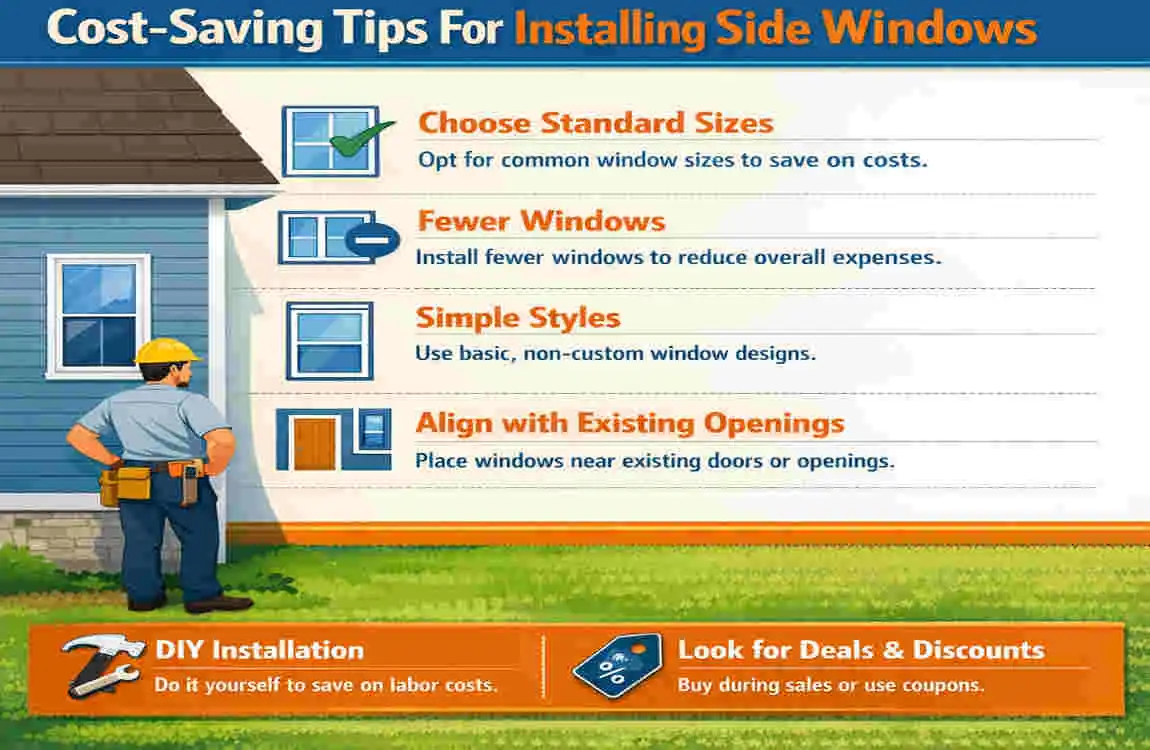
If those numbers have you feeling a little nervous, do not worry. There are several clever ways you can keep your side window installation costs under control without sacrificing quality.
Choose uPVC Over Wood or Aluminum When selecting your frame material, uPVC (unplasticized polyvinyl chloride) is the undisputed champion of budget-friendly durability. Hardwood frames are gorgeous but expensive and require constant maintenance. Aluminum is sleek and modern, but also carries a Premium price tag. uPVC is highly affordable, provides excellent thermal insulation, resists weather damage, and requires virtually zero maintenance other than a quick wipe down.
Batch Multiple Installations Together. Contractors charge for their travel time, the setup of scaffolding, and the hiring of specialized cutting tools. If you only install one window now and decide to add another one next year, you will pay those setup fees twice. By batching multiple window installations into a single project, you can negotiate a better day rate with your builder and save significantly on scaffolding and tool hire.
Opt for Energy-Efficient Models to Access Grants. Sometimes spending more upfront saves you money in the long run. By choosing highly rated, energy-efficient windows, you reduce your monthly heating and cooling bills. Furthermore, many local governments and energy companies offer green energy grants or tax rebates to homeowners who upgrade to energy-efficient glazing. Check your local programs to see if your new side windows qualify for financial assistance!
The Best Window Types for Side Installation
You have a vast array of choices when it comes to the style of your new window. The right choice depends heavily on your budget, your aesthetic preferences, and the specific rules for side windows in your neighborhood.
Casement Windows Casement windows are the most popular choice for residential homes. They are attached to their frame by one or more hinges at the side and swing outward like a door.
- Pros: They are highly affordable, offer excellent unobstructed views, and catch passing breezes beautifully to ventilate your home. When closed, their seals press tightly against the frame, making them incredibly energy efficient.
- Cons: Because they open outward, you cannot install them if your side wall is right up against a boundary line or a narrow walkway where the open window would cause an obstruction.
Fixed and Clerestory Windows Fixed windows do not open at all; they are simply glass panels set firmly into a frame. Clerestory windows are a specific type of fixed or awning window placed high up on the wall, near the ceiling line.
- Pros: They are absolutely perfect for privacy. You can flood a room with light without giving the neighbors a view inside. Because they lack opening mechanisms, they are highly secure and very energy efficient.
- Cons: They provide zero ventilation. If you are putting a window in a bathroom or kitchen where you need moisture to escape, a fixed window will not solve your problem.
Bay and Bow Windows Bay and bow windows protrude outward from the exterior wall of the house, creating a small alcove or shelf inside the room.
- Pros: They are incredible space-enhancers. They make a small room feel significantly larger and allow light to enter from multiple distinct angles. They add a touch of classic elegance to any property.
- Cons: They are expensive and require complex structural support, including a miniature roof structure above them. Furthermore, because they project outward, they are often prohibited on side elevations if your house is close to the property line.
Sliding Sash Windows Sliding sash windows feature one or two movable panels (sashes) that slide vertically. They are a staple of traditional and historic architecture.
- Pros: They do not swing outward, making them ideal for tight side passages. They also allow for versatile ventilation; opening the top and bottom simultaneously creates a natural air cycle.
- Cons: They are structurally complex and therefore more expensive, typically costing between £700 and £800 each. They can also be prone to rattling in high winds if not perfectly installed.
Fresh Design Ideas and Inspiration
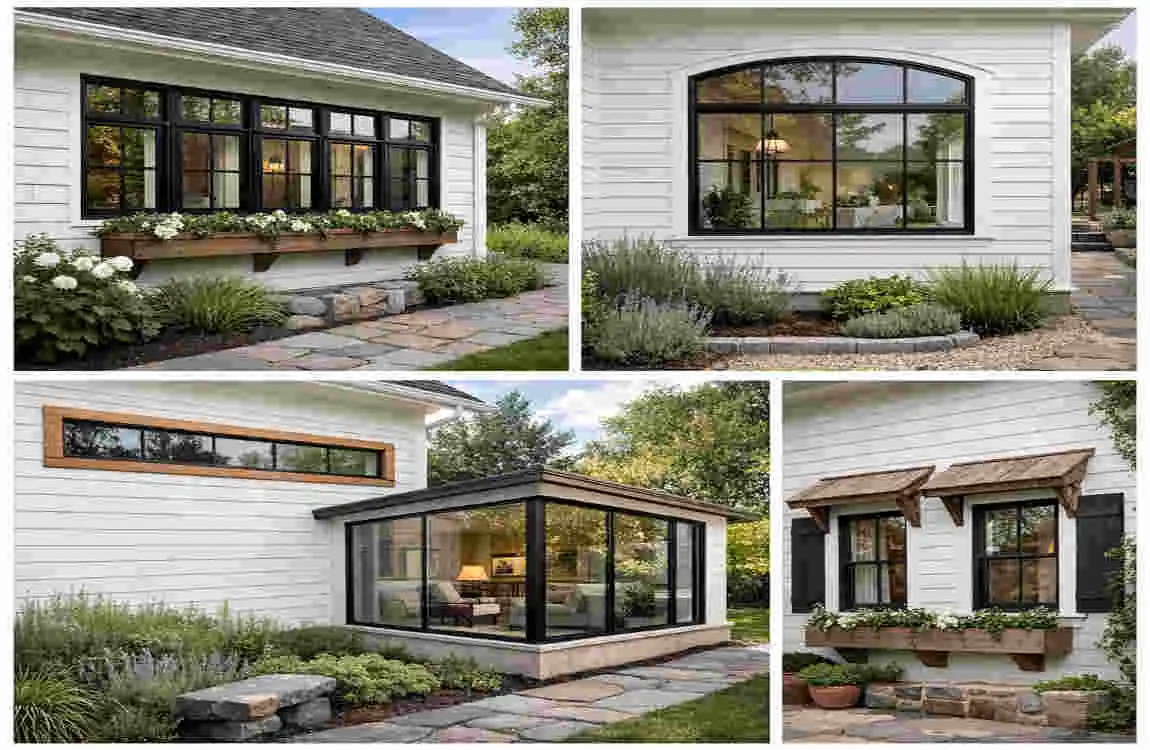
Now comes the fun part: designing how your new side windows will actually look! Can you put windows on the side of a house and make them look like a stunning architectural feature? Absolutely. Here are five fresh ideas to inspire your project:
Narrow Verticals for a Modern Aesthetic If you want to inject a sleek, contemporary vibe into your home, consider installing tall, ultra-narrow vertical windows. Placing two or three of these in a row along a side wall creates a striking geometric rhythm. They let in plenty of light while remaining narrow enough to limit the view inside, balancing brightness with privacy.
Classic Grids for Traditional Charm If you live in a period property or love a traditional, farmhouse look, add Georgian or Tudor-style internal grids (muntins) to the glass. These grids break up large panes of glass into smaller, charming squares, instantly adding character and warmth to the side of your house.
Frosted and Textured Glass for Bathrooms. For ground-floor bathrooms or side walls that face directly onto a neighbor’s patio, privacy is paramount. Instead of relying on heavy curtains that block the light, opt for frosted, etched, or heavily textured glass. You get brilliant, diffused sunlight without sacrificing an ounce of your personal privacy.
Minimalist Black Frames One of the biggest trends in 2026 is the use of stark, minimalist black window frames, both inside and out. Against a white or light-colored exterior wall, black frames create a stunning, high-contrast focal point that instantly modernizes the entire building.
High-Placed Awning Windows. If you are adding a window to a bedroom on the side of your house, you want light, but you also want wall space for your bed and dressers. Installing a wide, short awning window high up on the wall solves both problems. It leaves your lower wall space entirely free for furniture placement while drawing the eye upward and illuminating the ceiling.
The Installation Process Step-by-Step
Understanding how the installation works will help you prepare your home and manage your expectations. Adding a brand-new window to a solid brick or wood-framed wall is a major structural alteration. Here is the step-by-step process your contractors will follow.
Structural Assessment and Site Survey
Before a single tool is lifted, your installation team must conduct a thorough site survey. They will check the wall for hidden plumbing pipes, electrical wiring, and HVAC ducts. Most importantly, they will calculate the exact load-bearing requirements of the wall. This determines the size and strength of the lintel they need to install to stop your house from collapsing once they cut the hole.
Removing Old Framing (If Applicable)
If you are replacing a smaller window with a larger one, the team will carefully pry out the old sashes, frames, and trim. They will dispose of the old materials and prepare the rough opening. If they are cutting a completely new hole, they will use heavy-duty masonry saws to cut out the brickwork, generating a significant amount of dust and noise.
Fitting the Frame, Sealing, and Insulating
Once the hole is perfectly sized and the structural lintel is securely in place, the contractors will lift the new window frame into the opening. They will use shims to ensure it is perfectly level and plumb. Once secured with heavy-duty screws, they will use expanding foam insulation and high-quality waterproof caulking to seal every tiny gap. This prevents water from rotting your walls and stops freezing drafts from entering your living space.
Glazing and Final Testing
With the frame locked in place, the glass units are carefully clipped or beaded into the frame. Finally, the team will test every hinge, lock, and handle to ensure smooth operation. They will then apply the interior trim and exterior finishing to make the window look like it has always been there.
Common Mistakes to Avoid
Even with the best intentions, homeowners often stumble into costly errors when altering their properties. By keeping these common pitfalls in mind, you can ensure your project goes off without a hitch.
Ignoring Legal Setbacks and Property Lines. The most expensive mistake you can make is ignoring boundary rules. If the building code states that no window can be placed within 3 feet of the property line, and you install one anyway, your local authority has the power to force you to brick it back up at your own expense. Never assume you know the rules for side windows; always verify the exact setback requirements with your local planning office.
Poor Sealing Leading to Drafts and rot. Cutting a hole in your house compromises its weather-tight envelope. If you or your contractor tries to rush the sealing process, water will eventually find its way in. Over time, poor sealing leads to invisible rot inside your walls, dangerous black mold, and freezing drafts that ruin your home’s energy efficiency. Do not skimp on high-quality silicone caulking and proper flashing techniques.
Oversized Glazing Without Permits We all love large windows, but installing massive floor-to-ceiling glass on a side elevation without a permit is asking for trouble. Oversized windows dramatically alter the structural integrity of the wall and drastically increase the fire risk to neighboring properties. Always stick to the size limits outlined in your permitted development rights, or go through the proper channels to get planning permission.
Maintenance and Long-Term Value
Once your beautiful new windows are installed, keeping them looking and functioning perfectly requires very little effort. If you choose uPVC or aluminum frames, you can wipe them down with warm, soapy water and a soft cloth every few months.
You should also clean the glass quarterly to ensure maximum light penetration. Twice a year, take a few minutes to inspect the caulking around the exterior frame to ensure it hasn’t cracked or pulled away. If you notice a gap, apply a fresh bead of exterior-grade sealant.
With basic, routine maintenance, high-quality double-glazed windows boast an impressive lifespan of 20 to 30 years before the seals begin to degrade. Not only will they provide decades of comfort, but they also offer exceptional long-term value. Adding modern, energy-efficient side windows is one of the most reliable home improvement projects you can undertake, significantly boosting your home’s curb appeal and resale value.
Frequently Asked Questions
When homeowners start planning this project, they usually have a lot of specific questions. Here are the answers to the most common queries we receive.
Can you put windows on the side of a house? Yes, you absolutely can! In most cases, you can do this under your permitted development rights without formal planning permission. However, you must adhere to strict limitations regarding upper-floor privacy (using obscure glass) and fire safety limits if your house is close to the boundary line.
How much does it cost in different regions? Costs fluctuate based on the local economy. In the UK, expect to pay £700 to £1,800 for a completely new structural installation. If you are reading this internationally, you must adapt to local equivalents. For example, similar extensive masonry and structural work in a city like Lahore might roughly equate to PKR 50,000 to 150,000, depending on the materials used.
Do side windows have to be frosted? Not always. Ground-floor side windows generally do not require frosted glass unless your local zoning laws specifically demand it due to extreme proximity to a neighbor. However, almost all building codes require side-facing windows on upper floors to feature obscure (frosted) glazing to protect the privacy of the adjacent properties.
Can my neighbor legally stop me? If you are working within your permitted development rights and following all fire and building codes, your neighbor cannot legally stop you from installing a window. However, if you require planning permission, your neighbors will be notified by the council and given a designated time frame to submit formal objections, which the council will take into consideration.
Is adding a side window a structural change? Yes, it is a major structural change. Creating a new opening in a solid, load-bearing wall requires removing structural material and installing a heavy-duty lintel to carry the weight of the roof and upper floors. This is why you must always hire a qualified professional to perform the work.