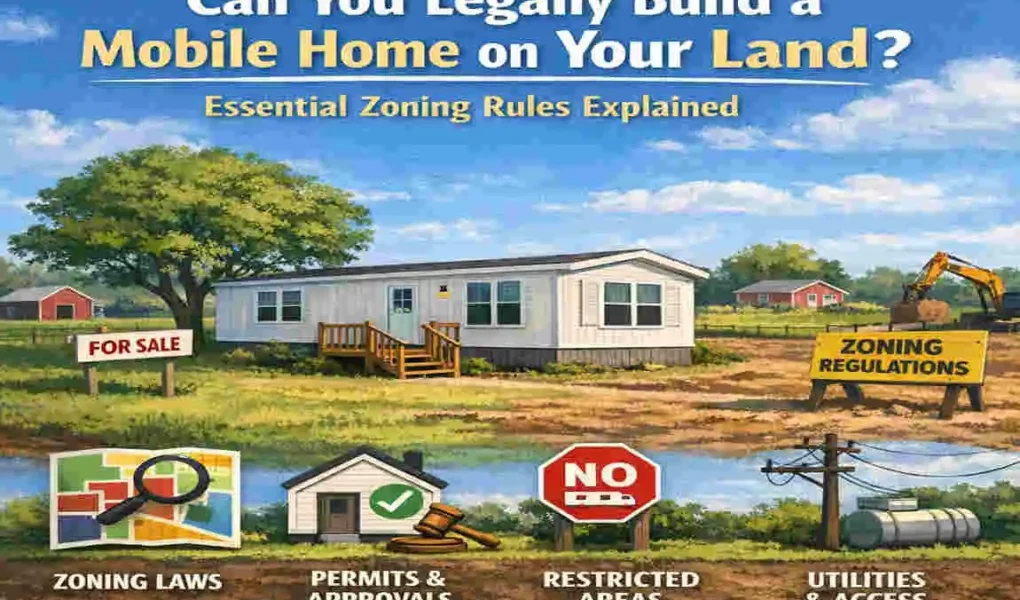
If you’re dreaming of affordable housing but wondering, “Can I build a mobile home on my land?” you’re definitely not alone. Over 22 million Americans live in mobile or manufactured homes today, and many more are considering this option as a practical and budget-friendly way to own property.
Mobile homes are gaining popularity because they offer flexibility, lower costs, and faster construction times compared to traditional homes. But the big question remains: Is it legal to place a mobile home on your land? The answer isn’t always straightforward. Zoning laws and local regulations can make or break your plans, and ignoring these rules might result in costly fines—sometimes exceeding $10,000—or even orders to remove your home.
What Is a Mobile Home, and How Does It Differ from a Manufactured Home?
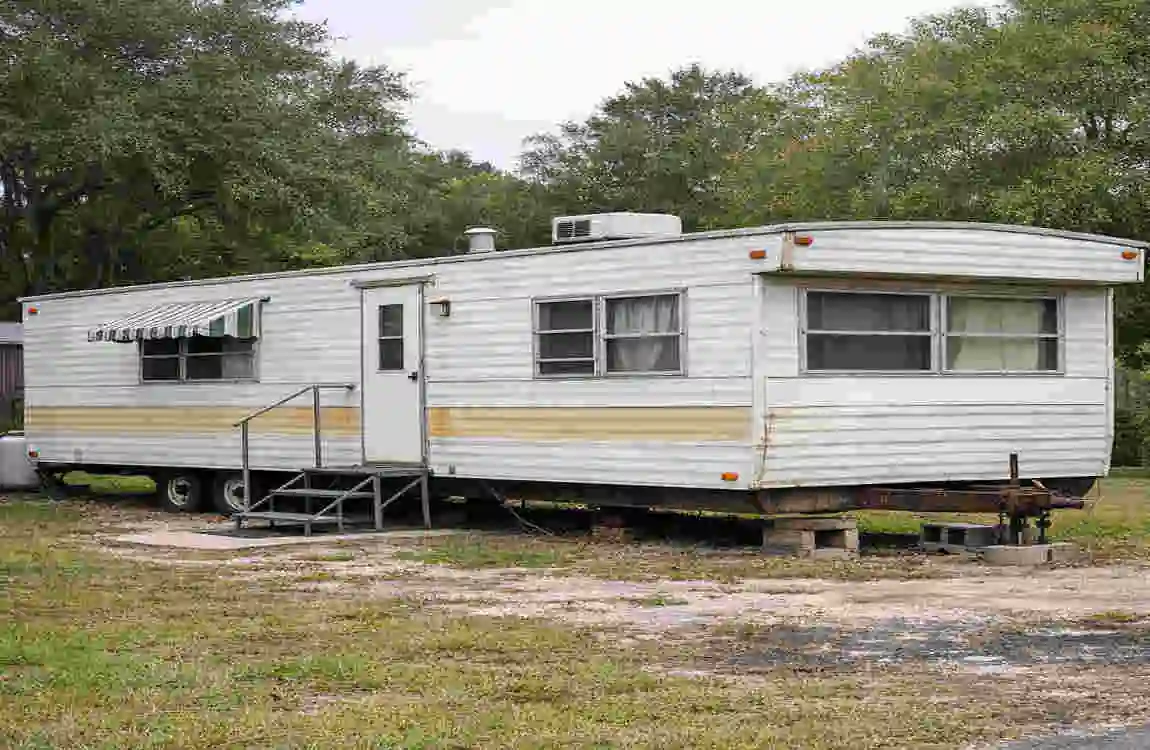
Before diving into zoning and legalities, it’s important to clear up a common confusion: What exactly is a mobile home versus a manufactured home?
Mobile Homes vs. Manufactured Homes: The Basics
- Mobile homes are factory-built homes constructed before 1976. They were made under less strict standards and could be moved from place to place, often without permanent foundations.
- Manufactured homes built after 1976 are subject to the U.S. Department of Housing and Urban Development (HUD) code. This means they meet federal safety, construction, and energy standards, making them more durable and permanent.
Construction and Financing Differences
- Construction: Manufactured homes are built to higher standards, including stronger fire safety and anchoring requirements.
- Financing: Mobile homes typically qualify for chattel loans (personal property loans), which have higher interest rates and shorter terms. Manufactured homes on permanent foundations can qualify for traditional mortgage loans, which are more affordable.
Why This Matters for Your Land
Understanding this distinction helps answer the question: “Can I build a mobile home on my land legally?” Many zoning laws treat mobile and manufactured homes differently, especially regarding permits and placement. Knowing what type of home you have or want is crucial before you start planning.
Understanding Zoning Laws: The Foundation of “Can I Build a Mobile Home on My Land”
Zoning laws are the rules set by local governments that dictate how land can be used. They are the backbone of whether you can place a mobile home on your property.
What Are Zoning Laws?
Zoning laws divide land into different categories, such as:
- Agricultural (A-1): Typically large plots for farming or rural homes.
- Residential (R-1, R-2): Single-family or multi-family residential neighborhoods.
- Rural: Less densely populated areas, often with fewer restrictions.
- Urban: city zones with tighter rules on building types.
Where Are Mobile Homes Allowed?
You’ll often find these rules apply:
- Allowed: Mobile homes are usually allowed in agricultural and rural zones, mobile home parks, and certain designated overlay zones.
- Restricted: Many suburban residential zones do not allow mobile homes, especially single-family neighborhoods with strict covenants.
Important Factors for Approval
- Lot Size: Many counties require a minimum lot size, often 1 acre or more, for mobile home placement.
- Setbacks: You may need to place the mobile home at least 20-50 feet from roads or property boundaries.
- Utilities: Approval may depend on your ability to provide septic, water, and electricity hookups.
Pro Tip: Use Tools Like County GIS Maps
To check your zoning, most counties offer online GIS (Geographic Information Systems) maps. These tools show your property’s zoning classification and help you determine whether mobile homes are permitted.
Zoning Types and Mobile Home Compatibility Table
Zoning Type: Mobile Home Allowed? Common Requirements
Agricultural / Rural Often Yes Minimum 1 acre, septic approval
Residential Suburban Rarely must match neighborhood standards
Mobile Home Overlay Yes Subject to park-specific rules
Step-by-Step Guide: How to Check If You Can Legally Place a Mobile Home on Your Property
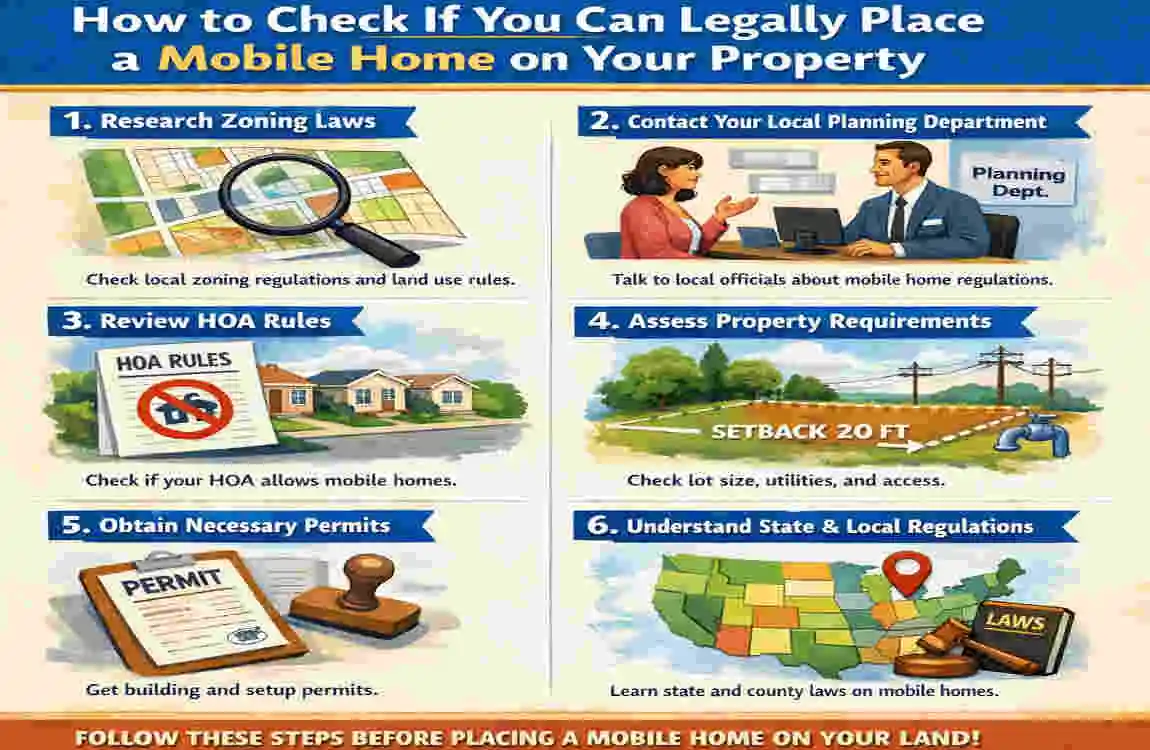
So, you want to know, “Can I build a mobile home on my land?” Here’s a straightforward process to find out:
Verify Your Property Zoning
- Use online portals or call your local planning or zoning department.
- Confirm your property’s zoning classification.
Review Local Ordinances
- Check for rules about mobile home age limits or foundation requirements.
- Some areas require manufactured homes to be newer than a certain year or to be permanently anchored.
Assess Utilities
- Confirm you can connect to septic, water, and electricity.
- You might need a PERC (percolation) test for septic approval.
Check HOA or Private Restrictions
- If your property is within a homeowners’ association, review their covenants.
- HOAs can prohibit mobile homes even if zoning allows them.
Apply for Permits
- Building permits are almost always required.
- You may also need a zoning variance if your property doesn’t meet all requirements.
Quick Checklist for Legal Placement
- Confirm zoning allows mobile homes.
- Obtain septic and utility approvals.
- Review HOA rules.
- Apply for building and zoning permits.
- Prepare for a 30-90-day approval timeline.
By following these steps, you’ll avoid surprises and be able to answer confidently, “Can I build a mobile home on my land?”
Essential Permits and Regulations You Can’t Skip
Even after confirming zoning, permits, and regulations are a must!
Building Permits
- Require inspections of the structure, plumbing, and electrical systems.
- Ensure proper anchoring with tie-downs, especially in wind-prone areas.
Zoning Variances
- Needed if your property or home does not fully comply with zoning rules.
- Example: Placing a mobile home on less than the required acreage.
Health and Safety Codes
- Check flood zone status using FEMA maps.
- Fire setback distances may apply for safety.
Title and Registration
- Your home must have a valid HUD label.
- To reclassify a mobile home as real property, it generally must be on a permanent foundation.
Cost Breakdown Table
Permit Type Estimated Cost Notes
Building Permit $500 – $2,000 Depends on local fees
Zoning Variance $300 – $1,500 If needed
Septic & Utility Approval $1,000 – $3,000 Site-specific costs
Total Estimated Fees $1,800 – $5,000 Varies widely by location
State-by-State Breakdown: Mobile Home Zoning Variations Across the U.S
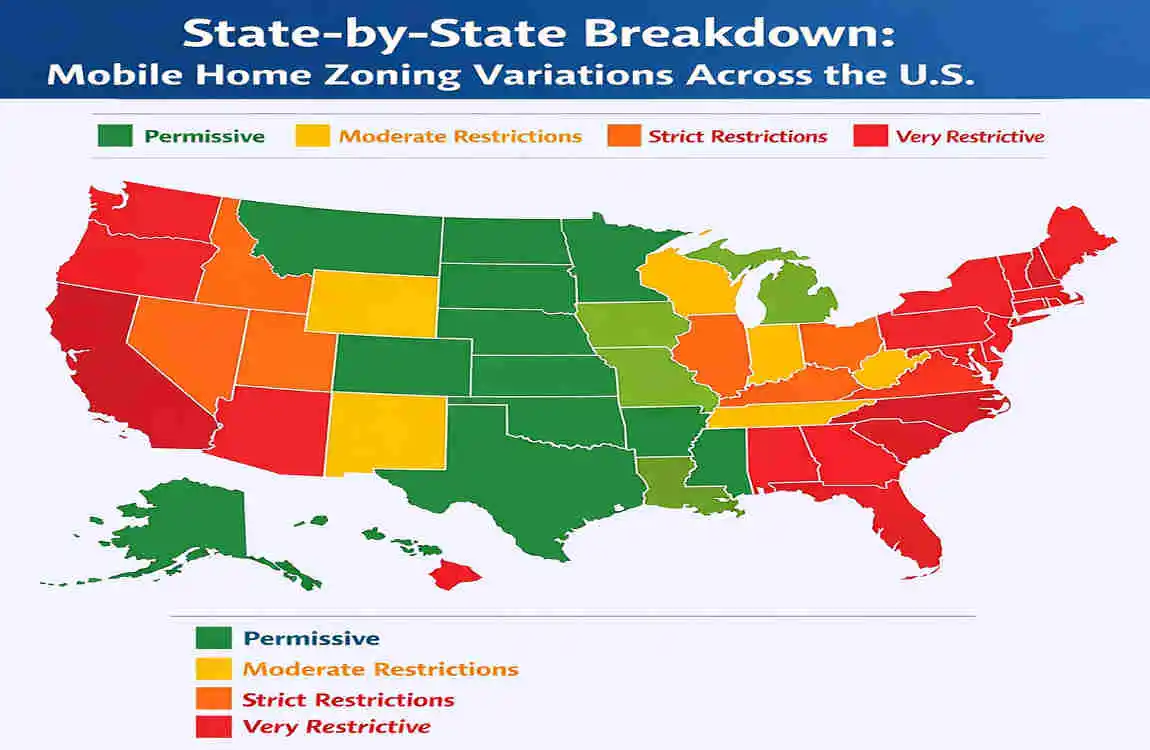
Zoning rules differ widely across the country. Here’s a regional snapshot:
Northeast
- Strict zoning: States like New York and New Jersey often restrict mobile homes to specific parks or agricultural zones.
- Environmental rules: Seismic and eco-protection standards can limit placement.
South
- More lenient in rural areas: Texas and Florida allow mobile homes on agricultural land, often requiring 5 or more acres.
- City limits: In many southern cities, mobile homes need variances.
Midwest & West
- Mixed regulations: Some states allow mobile homes broadly, while others have tight restrictions.
- California: Requires strict seismic standards and prefers placement in mobile home parks.
Examples by State
Can You Build a Mobile Home on Your Land?
Texas , Yes, on 5+ acres of agricultural land; city zoning varies
California is limited by seismic codes; parks are usually required
Florida is allowed with hurricane tie-downs; flood zone restrictions apply
New York is often restricted to mobile home parks or agricultural zones
Common Mistakes and How to Avoid Costly Fines
Even with the best intentions, many people stumble on these common errors:
- Skipping zoning checks: Leads to orders to remove your home.
- Ignoring utility requirements: Without proper septic or water permits, they get denied.
- Buying old mobile homes: Pre-1976 units face financing and insurance issues.
According to the National Association of Realtors, about 40% of mobile home disputes stem from unpermitted setups.
How to Avoid These Mistakes
- Hire a professional surveyor or engineer.
- Consult a real estate attorney before purchase.
- Always confirm all local rules and permits before moving a home.
Costs, Financing, and ROI of Building a Mobile Home on Your Land
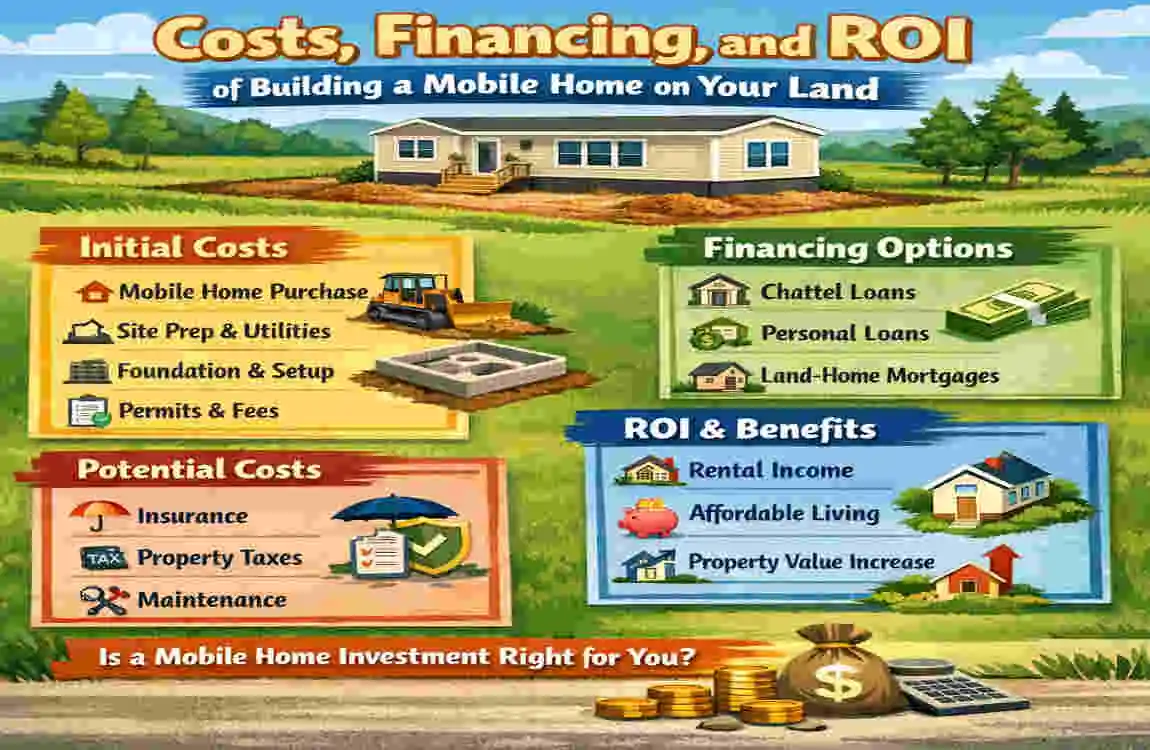
Total Estimated Costs
- Home plus site prep: $50,000 to $150,000, depending on size and location.
- Utilities and permits: Additional $5,000-$10,000.
Financing Options
- FHA Title I and Title II loans: Government-backed loans for manufactured homes.
- Chattel loans: For homes not on permanent foundations; higher interest (8-12%).
Savings Compared to Stick-Built Homes
Mobile homes generally cost 30-50% less than traditional homes, making them attractive for budget-conscious buyers.
Return on Investment (ROI)
- Installing a permanent foundation can boost your property value by 20-30%.
- Well-maintained manufactured homes appreciate over time, especially in areas with housing shortages.
Pros and Cons of Mobile Homes on Private Land
Pros
- Affordable and quicker to build.
- Mobility: You can move or upgrade your home.
- Freedom: Ideal for rural or off-grid living with less red tape.
Cons
- Zoning challenges: Not always allowed in suburban or urban zones.
- Resale difficulties: Some buyers avoid mobile homes.
- Utility setup costs: Septic and water installation can be expensive.
Bottom Line
Mobile homes on private land work best for retirees, rural homeowners, or those wanting flexible housing options.
FAQ: Can I Build a Mobile Home on My Land?
Q: Can I build a mobile home on any piece of land I own?
A: Not always. It depends on your land’s zoning rules, local ordinances, and whether utilities and permits are available.
Q: What zoning types usually allow mobile homes?
A: Agricultural and rural zones often permit mobile homes, while suburban residential zones usually have restrictions.
Q: Do I need a building permit to place a mobile home on my land?
A: Yes, most local governments require building permits and inspections before placement.
Q: Can I place a mobile home without connecting to utilities?
A: Generally no. Most areas require septic, water, and electricity hookups for approval.
Q: Are there size or age limits for mobile homes on private land?
A: Some jurisdictions restrict mobile homes by size or require they be manufactured after 1976 to meet HUD standards.
Q: What if my property is in a homeowners association (HOA)?
A: HOA rules may prohibit mobile homes, even if zoning allows them.
Q: How long does it take to get approval to build a mobile home?
A: Permit approval can take 30 to 90 days, depending on your location and complexity.
Q: Where can I check my land’s zoning?
A: Use your county’s online GIS maps or contact the local planning department.
Q: Can I finance a mobile home like a traditional house?
A: If it’s on a permanent foundation, yes. Otherwise, chattel loans apply, which have higher interest rates.
Q: What are the risks of ignoring zoning and permits?
A: You may face fines, legal orders to remove the home, and difficulty selling the property later.