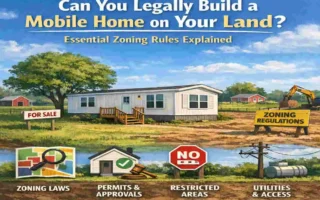
When it comes to property ownership, the terms “chattel ” and “house ” often arise, but many people are unsure about their exact meanings. Understanding the distinction between these two terms is crucial, especially in real estate and property transactions. Whether you’re buying a home, selling one, or simply curious about property classifications, knowing the difference can save you from potential legal and financial headaches.
Defining Key Terms: Chattel and House
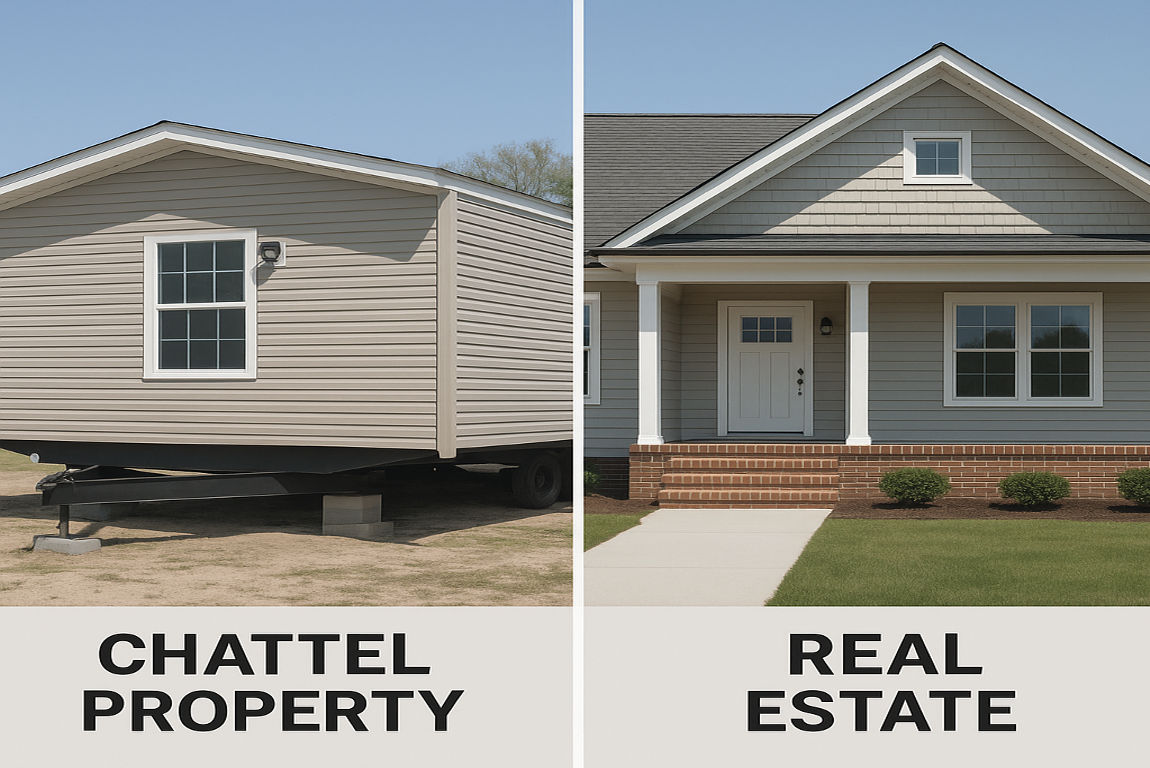
To fully grasp the difference between a chattel and a house, it’s essential to define these terms and understand their characteristics.
What is Chattel?
Chattel refers to movable personal property that is not permanently attached to land or a building. It includes items that can be easily transported or relocated without altering the property to which they are associated. The term originates from the Old French word “chattel,” which means property or goods.
Characteristics of Chattel:
- Movable: Chattel can be physically moved from one location to another.
- Tangible: It is a physical object that you can touch and see.
- Personal Property: Unlike real estate, chattel is not tied to land ownership.
- Depreciates Quickly: Most chattel items lose value over time due to wear and tear.
Examples of Chattel:
- Furniture (e.g., sofas, tables, chairs)
- Jewelry
- Appliances (e.g., refrigerators, washing machines)
- Mobile homes (when not permanently affixed to land)
Chattel is often included in property transactions, but it’s essential to specify whether it’s part of the sale or not.
You may also read (puffing in real estate contracts).
What is a House?
A house, on the other hand, is considered real property. Real property refers to land and anything permanently attached to it, such as buildings, structures, and fixtures. Unlike chattel, a house is immovable and forms part of the real estate.
Characteristics of a House:
- Immovable: A house is fixed to the land and cannot be moved without significant effort.
- Part of Real Estate: It includes the land, the building, and any permanent fixtures.
- Long-Term Value: Houses generally appreciate over time, unlike chattel.
A Special Case: Chattel Houses
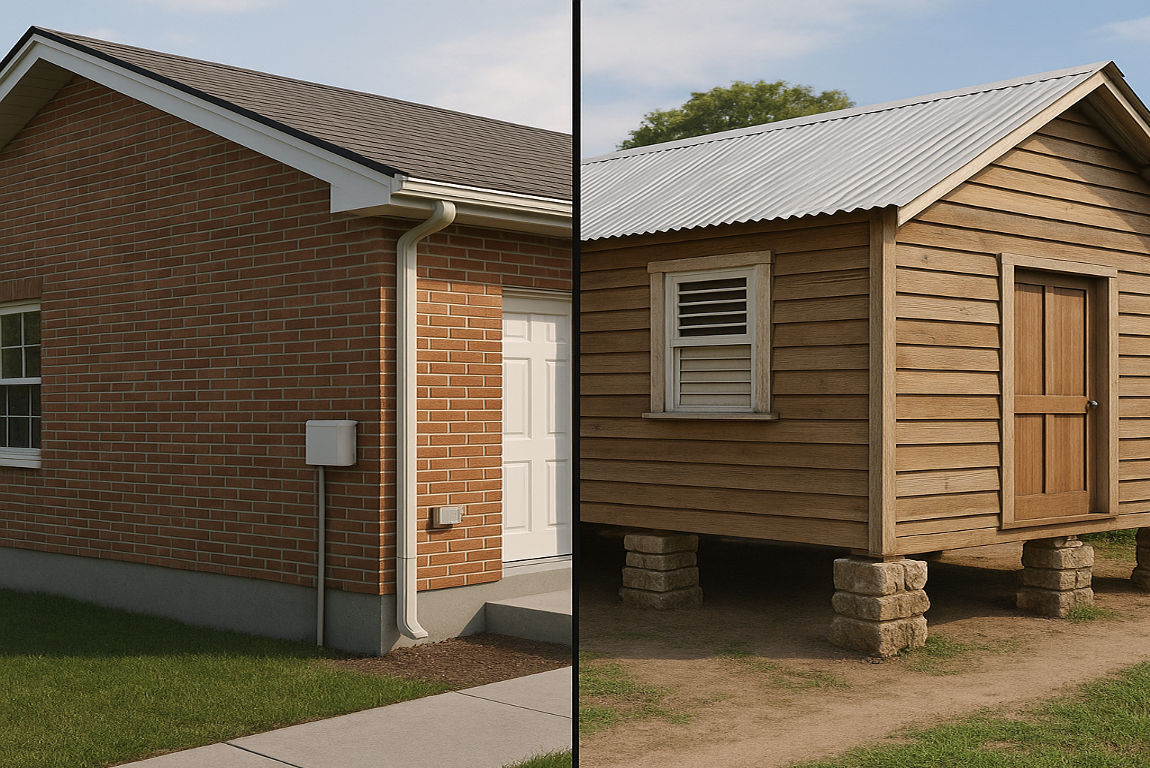
Interestingly, there is a unique type of house known as a chattel house, particularly in Barbados. These are small, movable wooden houses that can be relocated if necessary. While they are technically movable, they are often treated as real property once permanently placed on land.
Legal and Property Classification Differences
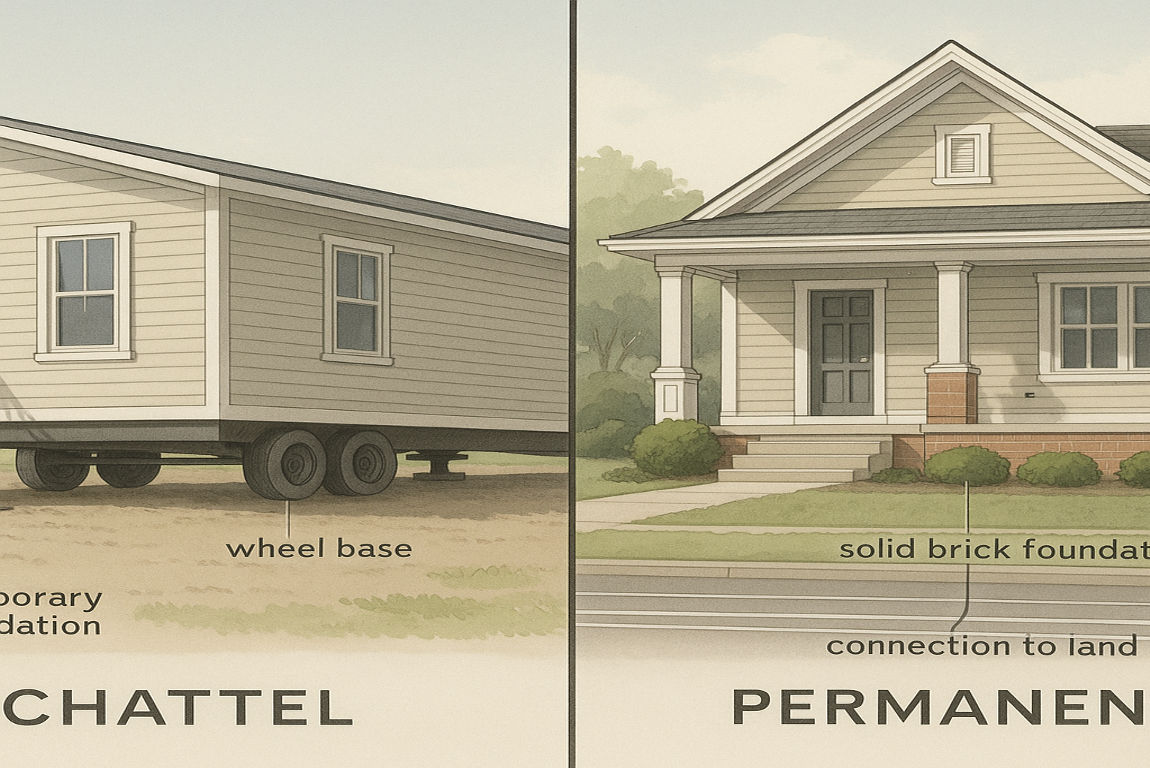
The distinction between chattel and a house goes beyond physical characteristics. It also involves legal classifications and implications for property ownership.
Chattel vs. Real Property (House)
The primary legal difference between a chattel and a house lies in their classification as movable versus immovable property.
Legal Distinctions:
- Chattel: Classified as personal property, meaning it is owned independently of land.
- House: Classified as real property, meaning it is permanently tied to the land it occupies.
Ownership Rights:
- Chattel: Ownership of chattel is straightforward and does not involve land rights.
- House: Ownership of a house includes rights to the land and any permanent structures on it.
Implications for Transactions:
- Chattel is often excluded from real estate transactions unless explicitly stated in the contract.
- Real property transactions include the land, the house, and any fixtures attached to it.
Chattel vs. Fixtures in a House
In real estate, the distinction between chattel and fixtures can sometimes blur, leading to disputes during property sales.
What Are Fixtures?
Fixtures are once movable items (chattel) but have been permanently attached to a property, making them part of the real estate.
Examples:
- Chattel in a House: Movable appliances, curtains, rugs
- Fixtures in a House: Built-in cupboards, boilers, sinks
Legal Tests for Distinguishing Chattel from Fixtures:
- Method of Attachment: Is the item permanently attached to the property?
- The intention of the Parties: Was the item intended to be a permanent addition?
- Adaptation to the Property: Is the item specifically adapted to the property?
Understanding these distinctions is crucial for buyers and sellers to avoid disputes over what is included in a sale.
Practical Examples to Illustrate the Difference
Let’s examine some real-world examples to clarify the distinction between a chattel and a house.
Mobile Homes as Chattel vs. Houses
- When a Mobile Home is Chattel: If the mobile home is on wheels and can be moved, it is considered chattel.
- When a Mobile Home Becomes Real Property: If the mobile home is permanently affixed to a foundation, it becomes part of the real estate.
You may also read (the truth about house flies do they bite).
Everyday Household Items: Chattel or Fixture?
Here’s a quick table to help you categorize everyday household items:
ItemChattelFixture
Sofa ✔
Built-in Wardrobe ✔
Refrigerator (Movable) ✔
Kitchen Sink ✔
Curtains ✔
Radiators (Fixed) ✔
Financial and Transactional Implications
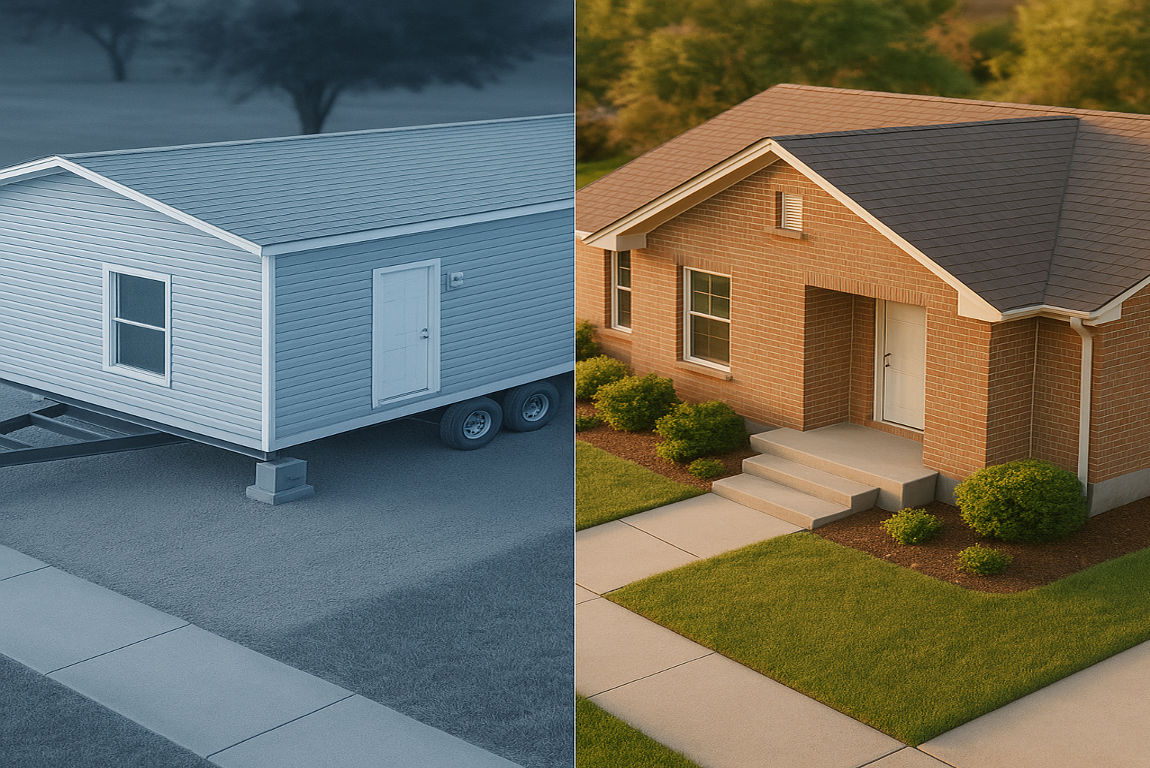
The classification of property as chattel or a house has significant financial and legal implications.
Chattel Mortgages Explained
A chattel mortgage is a loan secured by movable personal property. It differs from traditional mortgages, which are secured by real property.
Key Points:
- Chattel mortgages often have higher interest rates.
- The lender holds a security interest in the chattel until the loan is repaid.
Impact on Real Estate Transactions
- Property Value: Chattel is not included in the property’s assessed value unless specified.
- Sale Agreements: Buyers and sellers must clearly define what is included in the sale to avoid disputes.
Why Understanding the Difference Matters
For Buyers and Sellers
Knowing the difference between chattel and a house helps buyers and sellers:
- Avoid disputes over what is included in a sale.
- Understand their rights and responsibilities regarding movable and fixed property.
For Real Estate Professionals
Real estate professionals play a crucial role in:
- Guiding clients on property classifications.
- Navigating financing options involving chattel and real estate.
Summary and Key Takeaways
In summary, the key difference between a chattel and a house lies in their classification as movable personal property versus immovable real property. This distinction has far-reaching implications for legal, financial, and practical aspects of property ownership.
Understanding these differences is essential for anyone involved in real estate transactions. So, the next time someone asks, “What is the difference between a chattel and a house?” you’ll have the answer!
You may also read (earning power buying a 500k house in the uk explained).