

Yes, Eastbrook Blair flooring can often be installed over an existing floor, but only when the surface underneath is stable, dry, flat, and in good condition. If the old floor is loose, uneven, damaged, or holding moisture, it is usually better to remove it first.
In simple terms, this is not a yes for every floor situation. It depends on what is already there and how well that surface can support the new flooring. If you are planning a renovation, this is one of the first things you should check before you start.
What Is Eastbrook Blair Flooring?
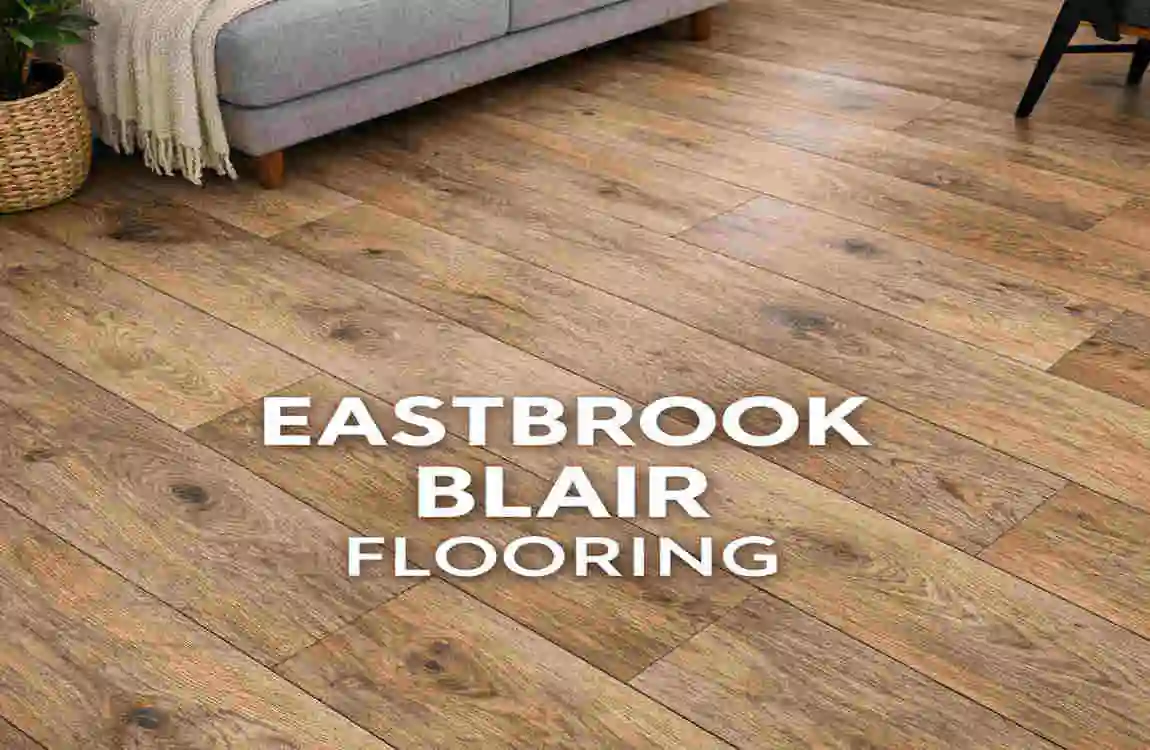
Eastbrook Blair flooring is a popular choice among homeowners for its clean look, practical feel, and easy upkeep. People often choose it because they want a floor that looks nice but also works well in busy spaces.
Like most modern flooring products, its success depends a lot on the surface below it. A good-looking floor can still fail early if the base underneath is weak or uneven. That is why flooring compatibility matters so much.
If you are considering installing over existing flooring, the main goal is to ensure the new layer sits on a solid base. The better the base, the better the final result.
Can Eastbrook Blair Flooring Go Over Existing Floors?
In many cases, yes, but not always.
The real answer depends on:
- The type of old flooring
- Its condition
- How level the surface is
- Whether there is moisture
- How much extra height will the new floor add
A floor may look fine at first glance and still be unsuitable. For example, a floor with hidden movement or soft spots can cause the new flooring to shift, flex, or wear out too soon. That is why checking the base is so important.
Before you begin, always review the manufacturer’s installation instructions. Those instructions should guide your final decision.
Factors That Determine Compatibility
Condition of the Existing Floor
The first thing to look at is the current floor’s condition.
Ask yourself:
- Is it clean?
- Is it dry?
- Is it firmly attached?
- Does it move when you walk on it?
If the answer to any of these is no, you may need repairs before installation. A floor that is cracked, loose, or soft will not make a reliable base.
Height and Clearance
Adding a new floor changes the room’s height. That can affect:
- Doors
- Cabinets
- Trim
- Transitions between rooms
This matters more than people expect. Even a small height increase can make a door scrape or create awkward edges at the room entrance. In kitchens and bathrooms, this can become a bigger problem because fixtures and thresholds are often tighter.
Surface Flatness
A flat surface helps the new floor look smooth and perform well.
If the base has dips, humps, or cracks, those flaws may show through later. You might notice uneven edges, noisy spots, or a floor that does not feel right underfoot.
Before installation, the surface should be checked carefully and corrected if needed.
Moisture and Stability
Moisture is one of the biggest risks in flooring work.
If moisture is trapped under the old floor, it can cause long-term problems. Even if the top layer looks fine, hidden dampness may affect the new installation. This is especially important in basements, kitchens, bathrooms, and ground-level rooms.
A stable floor is always more important than one that looks acceptable.
Which Existing Floors Are Usually Suitable?
Not every old floor is a bad base. Some can work well if they are in good condition.
Existing Floor Type: Usually Suitable?Main Condition to Check
Vinyl : Sometimes fully bonded, smooth, and dry
Tile Often Secure tiles and manageable grout lines
Hardwood, Sometimes Solid boards with little movement
Laminate Less ideal Stability and product approval
Concrete with old coverings, Sometimes Moisture, cracks, and surface prep
Vinyl Flooring
Vinyl can sometimes stay in place if it is firmly bonded, smooth, and not damaged. If it is curling, lifting, or soft in spots, it is usually better to remove it.
Use vinyl as a base only when it is still performing well. If it has already failed once, it is not a strong starting point.
Tile Flooring
Tile often works as a base if the tiles are secure and the floor is level enough.
The grout lines may need attention, though. Deep grout lines can create an uneven surface, so prep work is often needed before the new flooring goes down.
Hardwood Flooring
Hardwood may be suitable if it is solid and stable.
The problem comes when boards are loose, squeaky, warped, or badly worn. Movement in the wood can transfer to the new floor, causing issues later.
Laminate Flooring
Laminate is usually a less ideal base.
Because it is often a floating floor, it may move slightly under pressure. That movement can create problems for the new flooring layer. If the laminate is extremely stable and the product allows it, installation may be possible, but you should check carefully first.
Concrete with Existing Coverings
Concrete can be a good base, but it needs proper preparation.
Old adhesives, coatings, or stains may need to be dealt with first. Moisture testing is also important here, as concrete can retain moisture longer than expected.
Floors That Usually Need Removal
Some floors are not worth covering.
You should usually remove the old floor if it is:
- Loose or shifting
- Warped or badly damaged
- Soft or damp
- Uneven in many places
- A floating floor that moves too much
- Built up in too many layers already
If the base is not stable, covering it can create bigger problems later. In that case, removal may take more time at first, but it often saves money and stress over the long run.
Benefits of Installing Over Existing Floors
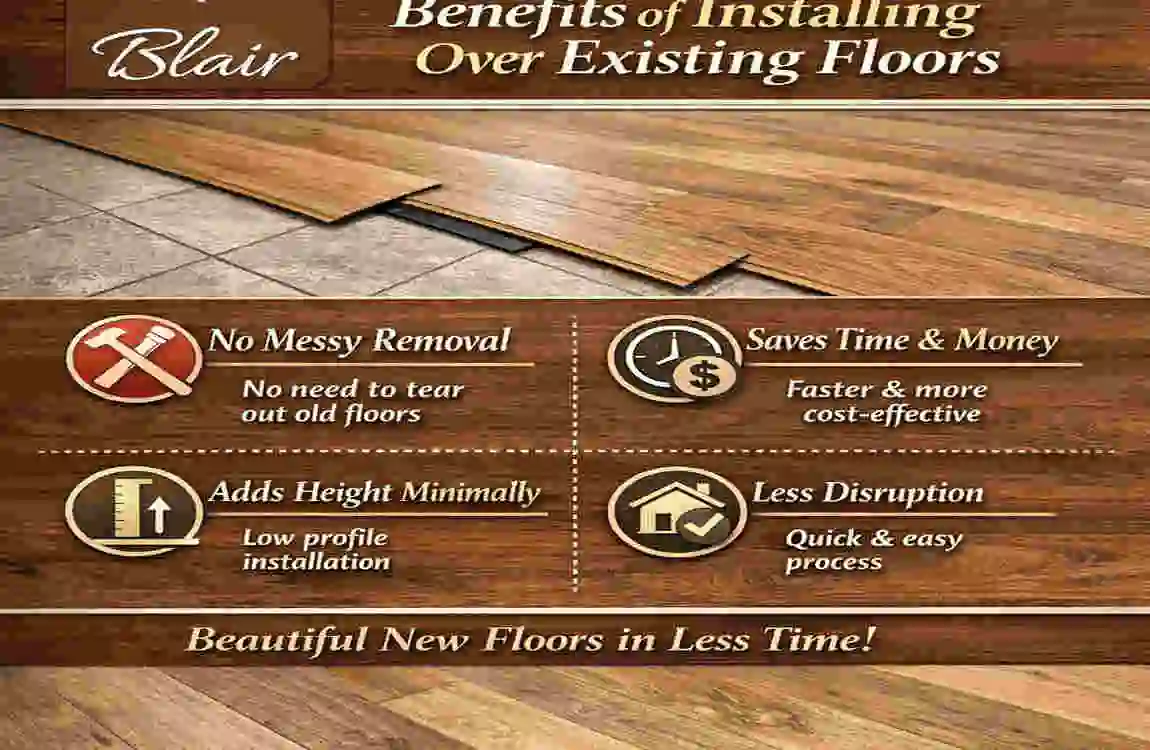
Installing over an old floor can be a smart move when conditions are right.
Here are the main advantages:
- Less demolition
- Lower labor costs
- Less dust and mess
- Faster project time
- Less disruption in the home
This approach can be especially helpful if you are living in the space during renovation. It can also make the project simpler when the old floor is still in decent shape.
Risks and Drawbacks
There are also downsides to think about.
The main risks include:
- Added height
- Door clearance issues
- Uneven appearance
- Hidden moisture problems
- Shorter floor life if the base is weak
A shortcut can seem attractive at first. But if the old floor is not right, the new one may fail sooner than expected. That can lead to repairs, replacement, and more expense later.
How to Prepare for Installation
Inspect the Existing Floor
Start by checking the surface closely.
Look for:
- Loose spots
- Squeaks
- Cracks
- Stains
- Signs of moisture
If you find problems, fix them before moving forward.
Clean and Level the Surface
The floor should be clean and ready for the new layer.
Remove:
- Dirt
- Grease
- Wax
- Dust
- Loose debris
Then fix low spots and grind down high areas if needed. A smooth base makes installation much easier.
Test for Moisture
Do not skip moisture testing.
This is one of the most important steps, especially in rooms where dampness is more likely. Even small moisture problems can lead to major issues over time.
Follow Manufacturer Guidelines
This is a simple step, but it matters a lot.
Always follow the product instructions for:
- Approved surfaces
- Underlayment
- Adhesives
- Prep requirements
The right method for one floor may not work for another.
When to Remove the Old Floor Instead
Sometimes removal is the better choice from the beginning.
Choose removal if:
- The floor is badly damaged
- There is moisture underneath
- The surface is not level
- The existing floor moves underfoot
- The height increase will cause clearance problems
- You want the best long-term result
If you are unsure, ask a flooring professional to inspect the space. A quick opinion now can prevent a costly mistake later.
Professional Installation Tips
Here are a few practical tips to keep in mind:
- Check flatness with a straightedge
- Measure door clearance before starting
- Confirm transition heights between rooms
- Use the right prep materials for the base
- Do not ignore small, loose areas
- Get help if the subfloor condition is uncertain
These small steps can make a big difference in how the floor looks and lasts.
Common Mistakes to Avoid
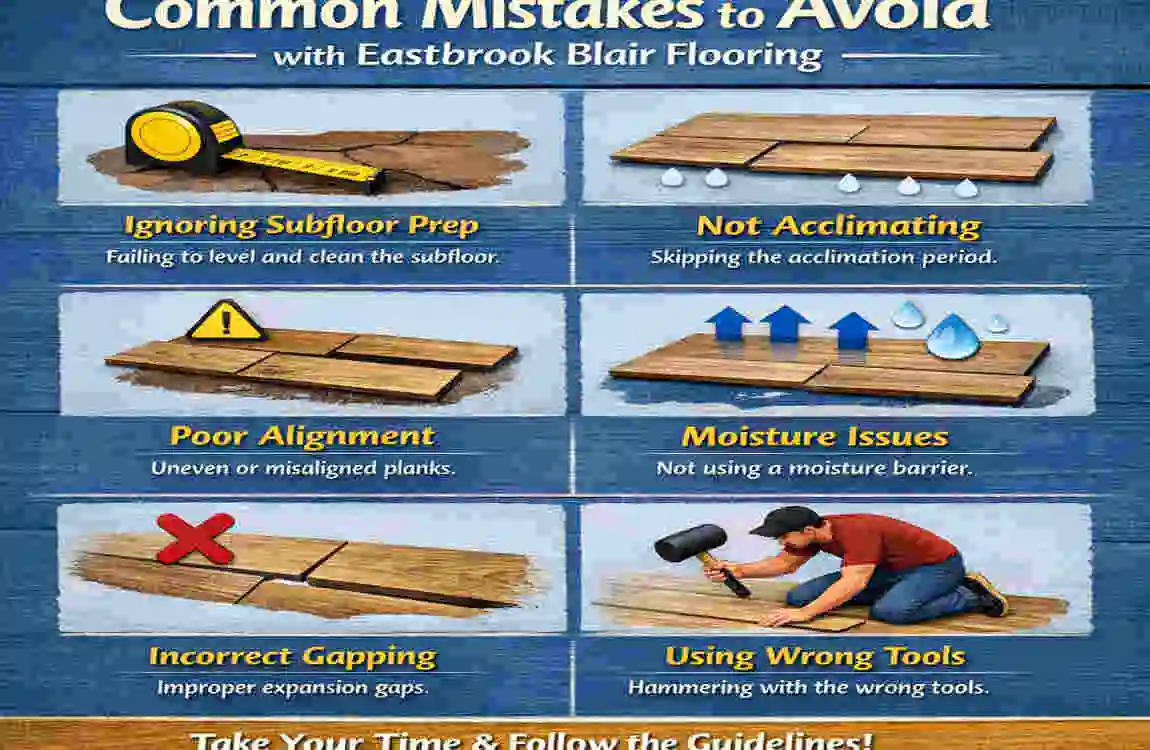
Many flooring problems start with simple mistakes.
Avoid these:
- Installing over a damaged surface
- Ignoring moisture
- Skipping cleaning and prep
- Assuming every old floor is suitable
- Forgetting about the added height at doors and thresholds
When people rush the base work, the final result usually suffers.
FAQ
Can Eastbrook Blair flooring be installed over tile?
Yes, sometimes. It can work if the tile is secure, level, and properly prepared.
Can it be installed over laminate?
Maybe. It depends on how stable the laminate is and whether the product instructions allow it.
Do I need underlayment?
It depends. Some installations require it, while others do not. Check the product guidance.
Will it raise my floor too much?
It might. The total height depends on both the new flooring and the old layer beneath it.
Is professional installation worth it?
Often, yes. It is especially helpful if you are unsure about the condition of the old floor.