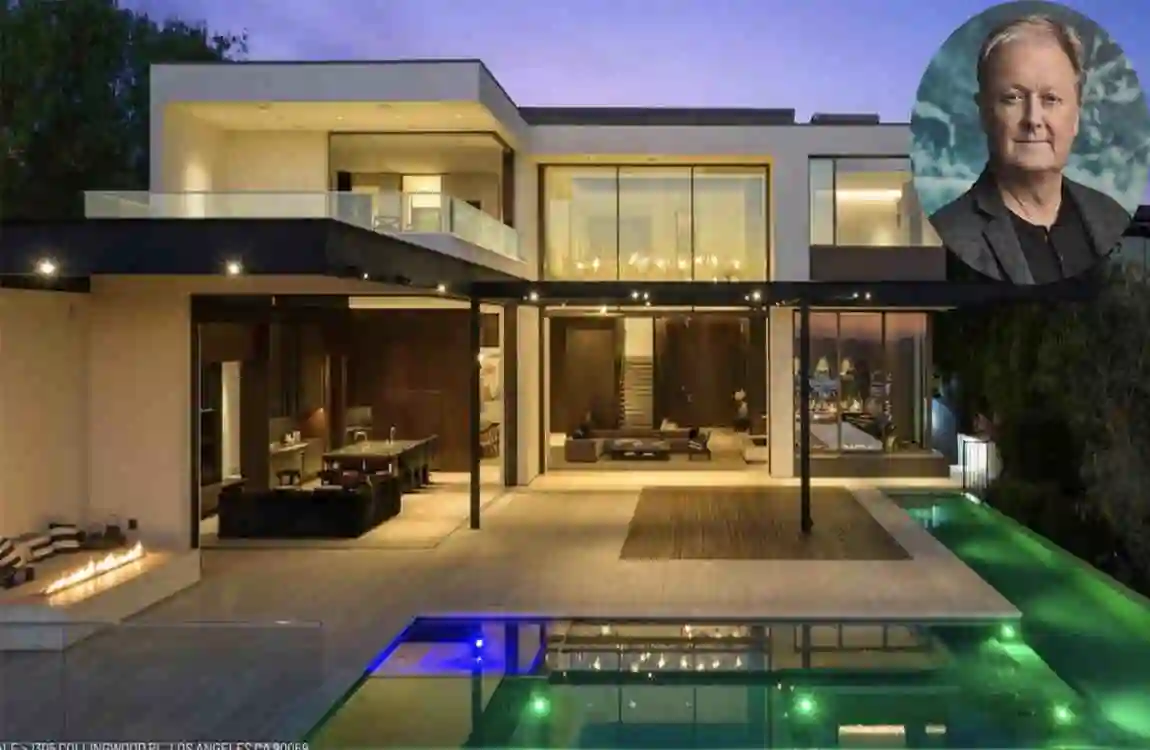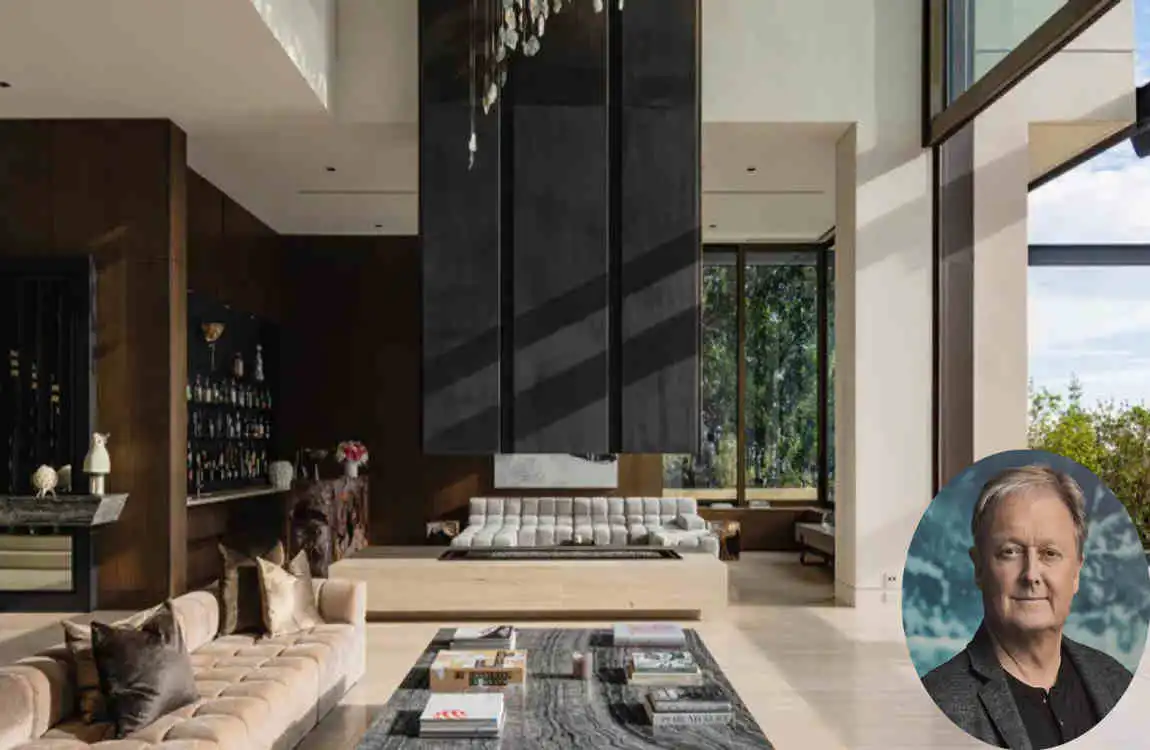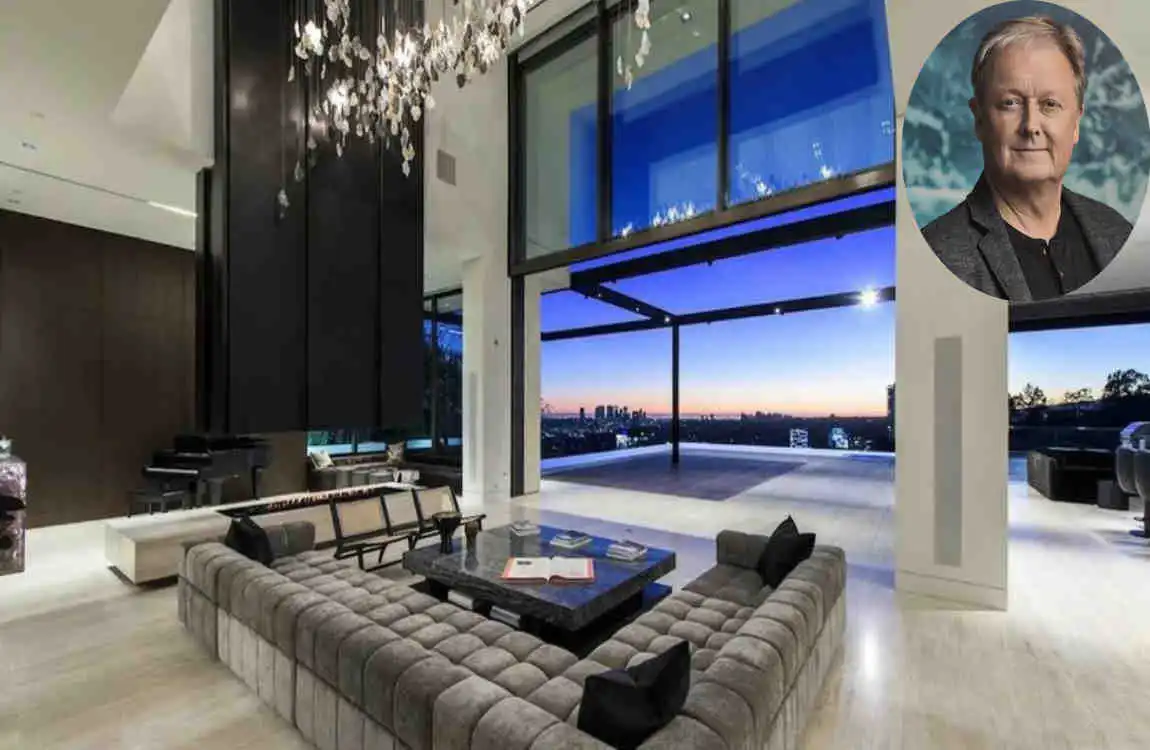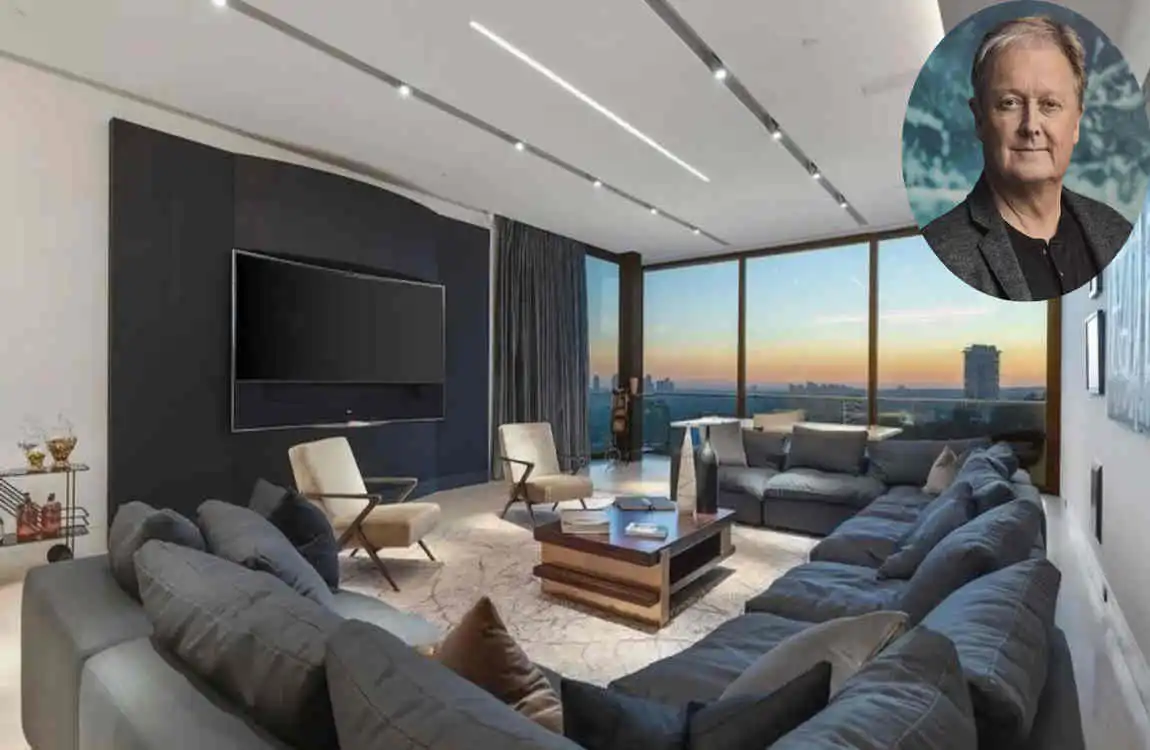
The Henrik Fisker house has become a topic of interest among design enthusiasts, architecture lovers, and fans of innovative living. As one of the most recognised automotive designers in the world, Henrik Fisker is known for creating vehicles that combine beauty, functionality, and forward-thinking technology. It is only natural that people are curious about how these same principles influence their home.
Henrik Fisker has spent decades shaping the future of luxury transportation. His focus on sleek aesthetics, sustainability, and innovation has earned him a respected place in the automotive industry. Many people believe that these values extend beyond his professional work and into his personal living space.
A home often reflects the personality and vision of its owner. In Fisker’s case, his residence is believed to showcase a balance between luxury, modern design, and environmental responsibility. Every element appears carefully considered, from architectural details to smart technology and sustainable features.
| Personal Information | Details |
|---|---|
| Full Name | Henrik Fisker |
| Date of Birth | August 10, 1963 |
| Age | 62 (as of 2026) |
| Birthplace | Allerød |
| Nationality | Danish |
| Profession | Automotive Designer, Entrepreneur |
| Famous For | Founder of Fisker Inc., designer of the BMW Z8 and Aston Martin DB9 |
| Spouse | Geeta Gupta-Fisker |
| Children | 2 |
| Current Residence | Los Angeles (publicly reported) |
| Estimated Net Worth | Formerly reported around $1.6 billion in 2021, but his wealth has likely changed substantially following the bankruptcy of Fisker Inc. in 2024. |
| Known Properties | Owned a luxury mansion in Los Angeles that was listed for sale for $35 million in 2024. |
An Overview of Henrik Fisker’s House
Location and Setting
The exact location of the Henrik Fisker house is generally kept private for security reasons. However, it is commonly associated with an exclusive residential area that offers privacy, tranquillity, and access to Premium amenities.
Luxury communities often attract high-profile individuals because they provide a peaceful environment away from public attention.
The surroundings likely include carefully maintained landscapes, modern architecture, and spacious properties.
Property Highlights
The Henrik Fisker house is believed to feature many characteristics associated with contemporary luxury homes.
FeatureDescription
Style Modern and contemporary
Design Focus Luxury and sustainability
Layout Open-concept living spaces
Technology Smart home integration
Outdoor Areas Landscaped gardens and entertainment spaces
Energy Efficiency Eco-conscious systems
The property combines functionality and elegance while maintaining a clean and sophisticated appearance.
First Impressions
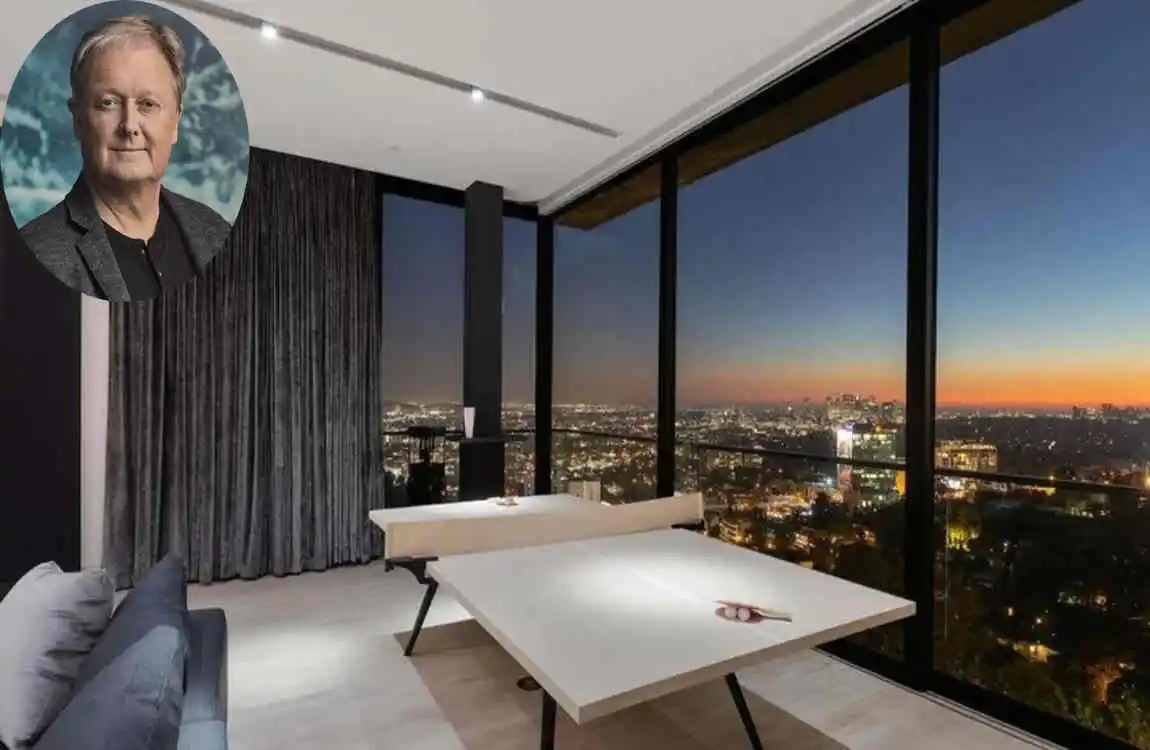
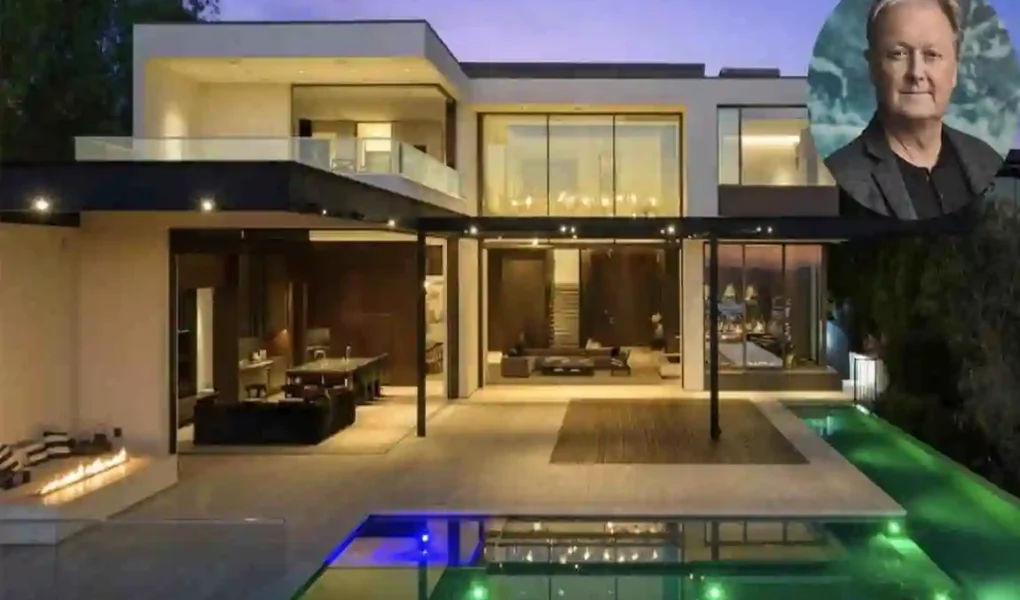
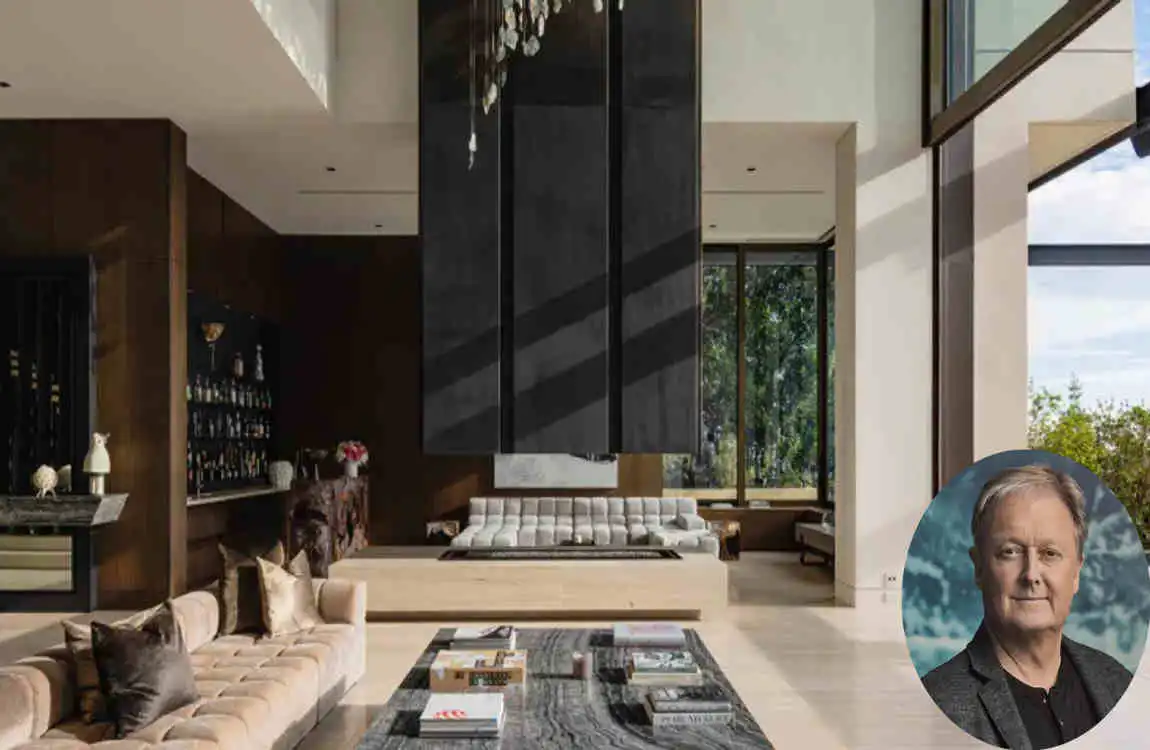
One of the most striking aspects of the home is its modern aesthetic. Clean architectural lines and large glass surfaces create an immediate sense of openness.
Visitors are likely greeted by a design that feels luxurious without being overly extravagant. Every element appears purposeful and carefully planned.
The result is a home that balances beauty, comfort, and practicality.
Architectural Design of Henrik Fisker’s House
Modern and Futuristic Elements
The architectural design of the Henrik Fisker house reflects a strong commitment to modern living. Contemporary homes often prioritise simplicity, efficiency, and visual harmony.
Clean geometric lines help create a sleek appearance. Open floor plans allow rooms to flow naturally into one another, enhancing functionality and comfort.
Futuristic design elements may include:
- Minimal decorative clutter
- Streamlined architectural forms
- Advanced building technologies
- Innovative space utilization
These features create an environment that feels both elegant and forward-thinking.
Sustainable Architecture
Sustainability plays a major role in modern architecture, and Fisker’s design philosophy strongly supports environmentally responsible practices.
Eco-friendly construction materials can help reduce environmental impact while improving long-term durability.
Common sustainable architectural features include:
- Recycled materials
- Energy-efficient insulation
- Sustainable wood products
- Low-impact construction methods
These elements contribute to a healthier and more environmentally conscious living environment.
Indoor-Outdoor Connection
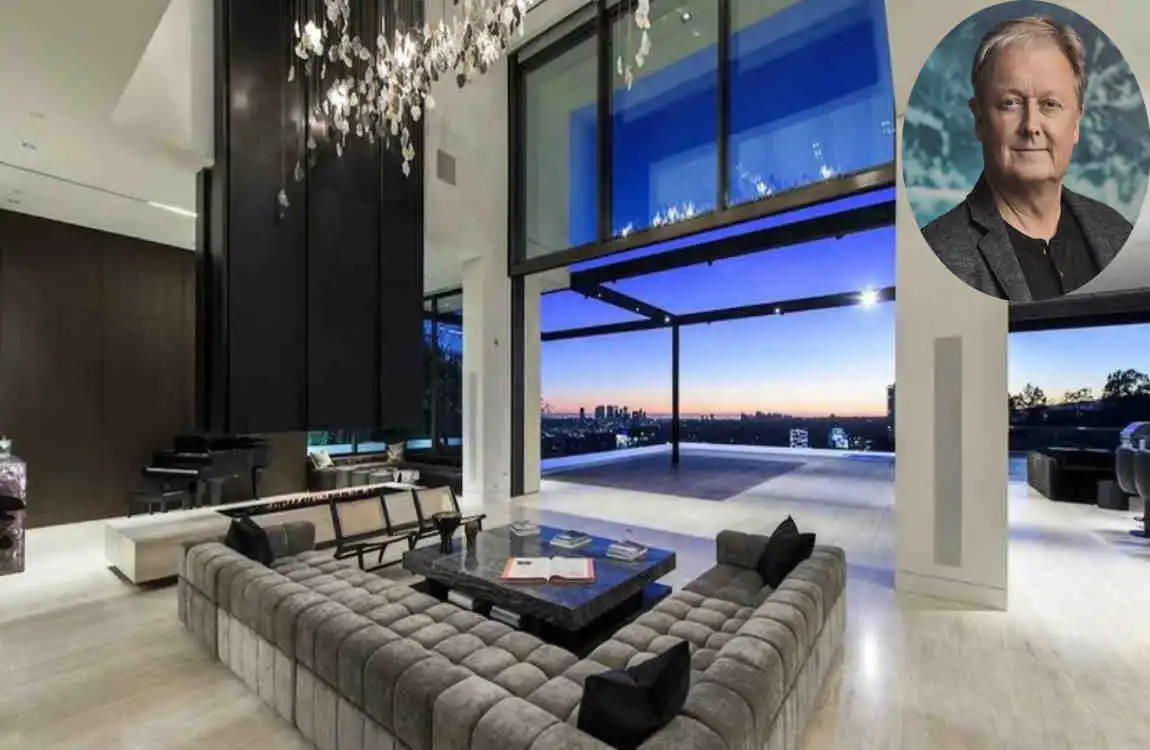
A defining characteristic of modern luxury homes is the seamless integration between indoor and outdoor spaces.
Large windows allow natural light to enter throughout the day, reducing the need for artificial lighting.
Glass walls and sliding doors create visual continuity between living areas and outdoor environments.
Benefits include:
- Improved natural lighting
- Better ventilation
- Enhanced visual space
- Stronger connection with nature
This design approach promotes comfort while creating a bright and welcoming atmosphere.
Interior Design and Living Spaces
Luxury Living Room Design
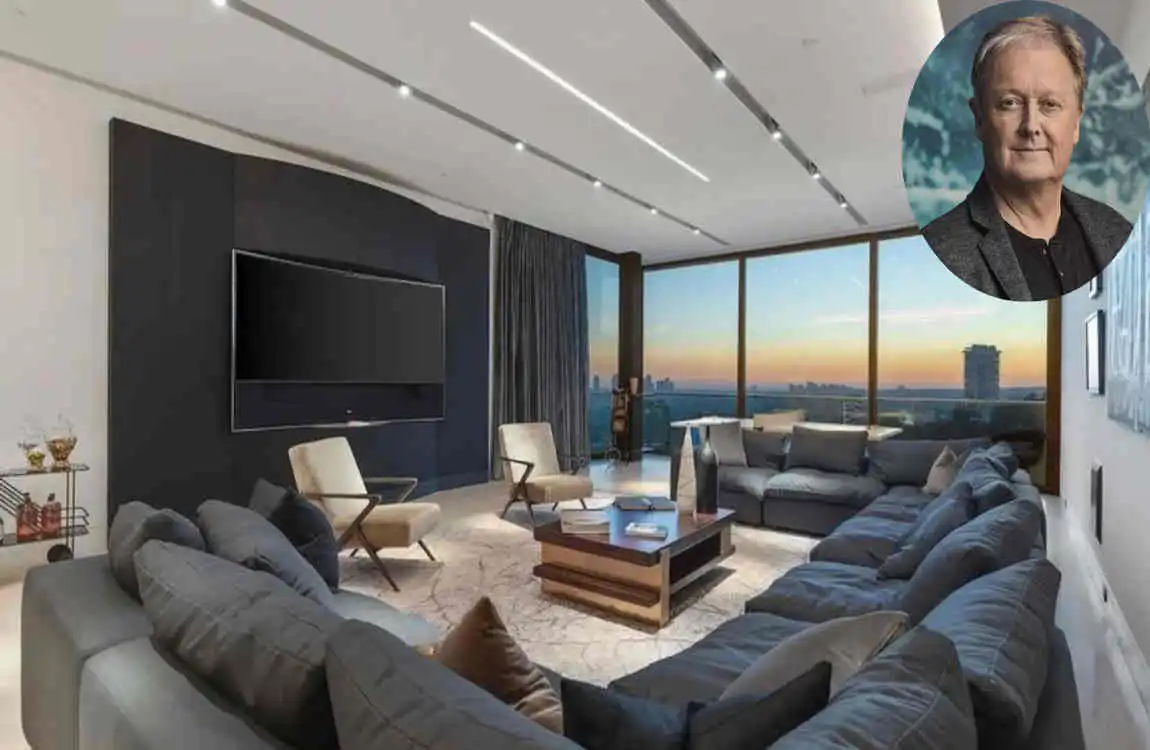
The living room serves as the heart of the home. In a residence inspired by Fisker’s design philosophy, every detail contributes to comfort and visual appeal.
Furniture selections likely emphasise clean lines and modern elegance. Neutral colours help create a calming atmosphere while allowing architectural features to stand out.
Smart technology may be discreetly integrated into the space, ensuring convenience without compromising aesthetics.
Large seating arrangements encourage social interaction while maintaining a sense of sophistication.
Kitchen and Dining Areas
Modern kitchens are designed to be both beautiful and highly functional.
The Henrik Fisker house likely features:
- Premium appliances
- Spacious countertops
- Efficient storage solutions
- Open dining concepts
The kitchen serves as a gathering place where family and guests can comfortably interact.
Dining areas often continue the minimalist theme with stylish furnishings and carefully selected lighting fixtures.
The result is a space that feels elegant yet practical for everyday use.
Bedrooms and Private Spaces
Bedrooms are designed to promote relaxation and comfort.
Soft textures, natural materials, and calming colour schemes help create a peaceful environment.
Private spaces may include:
- Luxury bedroom suites
- Walk-in closets
- Spa-inspired bathrooms
- Personal relaxation areas
Every element supports rest and well-being while maintaining consistency with the home’s overall design language.
Home Office and Creative Spaces
As an entrepreneur and designer, Fisker likely values productive and inspiring workspaces.
A modern home office combines functionality with creativity. Organised layouts, natural lighting, and advanced technology contribute to an efficient working environment.
Creative spaces may also include design studios or brainstorming areas where new ideas can develop naturally.
These environments support innovation while reflecting Fisker’s professional identity.
Smart Home Technology Features
Automation Systems
Smart home technology has become an essential component of luxury living.
Automation systems can control:
- Lighting
- Window coverings
- Entertainment systems
- Climate settings
Homeowners can often manage these features through smartphones or voice commands.
This level of convenience enhances daily living while improving efficiency.
Security Features
Modern luxury homes typically include advanced security systems.
Features may include:
- Smart cameras
- Motion detection sensors
- Remote monitoring
- Digital access controls
These technologies provide peace of mind while ensuring privacy and safety.
Energy Management
Smart technology can also improve energy efficiency.
Advanced systems monitor energy consumption and adjust settings automatically to reduce waste.
Examples include:
- Intelligent thermostats
- Automated lighting schedules
- Energy monitoring systems
- Smart appliance management
These features support sustainability goals while lowering operating costs.
Sustainability and Eco-Friendly Living
Renewable Energy Integration
One of the most important aspects of modern sustainable homes is the adoption of renewable energy.
Solar technology can generate clean electricity while reducing dependence on traditional energy sources.
Benefits include:
- Lower utility expenses
- Reduced environmental impact
- Long-term energy savings
- Improved energy independence
These advantages align closely with Fisker’s commitment to sustainability.
Sustainable Materials
Environmentally conscious construction materials play a significant role in reducing a home’s carbon footprint.
Examples include:
- Recycled metal components
- Sustainable wood products
- Energy-efficient glass
- Low-emission building materials
These choices contribute to healthier indoor environments and more responsible construction practices.
Green Lifestyle Practices
Sustainability extends beyond architecture.
Homeowners can adopt eco-friendly habits such as:
- Conserving water
- Recycling household materials
- Using efficient appliances
- Reducing unnecessary energy consumption
The Henrik Fisker house represents a lifestyle that prioritises environmental responsibility without sacrificing comfort or luxury.
Outdoor Areas and Entertainment Spaces
Landscaping Design
Outdoor spaces are often designed to complement the home’s architecture.
Modern landscaping emphasises clean lines, natural beauty, and low-maintenance solutions.
Trees, plants, and greenery help soften architectural features while creating a peaceful atmosphere.
Relaxation Areas
Luxury homes frequently include outdoor spaces dedicated to relaxation.
These may feature:
- Comfortable seating arrangements
- Outdoor lounges
- Covered patios
- Quiet garden retreats
Such spaces encourage homeowners to enjoy fresh air and natural surroundings.
Luxury Amenities
Entertainment areas add value and functionality to the property.
Potential amenities may include:
- Swimming pools
- Outdoor kitchens
- Fire features
- Recreational areas
These additions transform the outdoor environment into an extension of the home’s living space.
How Henrik Fisker’s Career Influences His Home Design
Automotive Design Inspiration
The same principles that guide Fisker’s vehicle designs appear to influence residential design concepts.
Attention to detail remains a key factor.
Every element serves a purpose while contributing to the overall visual experience.
This approach mirrors the design process used in creating luxury automobiles.
Innovation in Everyday Living
Innovation plays an important role in modern home design.
Technology is integrated thoughtfully to improve convenience and efficiency.
Rather than adding unnecessary complexity, Fisker’s design philosophy focuses on solutions that genuinely enhance everyday life.
Future-Oriented Vision
Forward-thinking design encourages adaptability and long-term sustainability.
Smart living concepts allow homes to evolve alongside technological advancements.
This future-focused mindset helps create living environments that remain relevant and functional for years to come.
Key Takeaways from Henrik Fisker’s House
Lessons for Homeowners
The Henrik Fisker house offers valuable inspiration for anyone interested in modern living.
Important lessons include:
- Prioritize functionality
- Embrace minimalist design
- Invest in energy efficiency
- Incorporate smart technology
- Focus on sustainability
These principles can improve both comfort and long-term value.
Design Trends Worth Adopting
Several trends stand out as particularly useful for today’s homeowners:
- Smart home automation
- Open-concept floor plans
- Sustainable building materials
- Energy-efficient systems
- Modern minimalist interiors
Even small changes can create a more stylish and efficient living environment.
Frequently Asked Questions (FAQ)
What is Henrik Fisker’s house known for?
Henrik Fisker’s house is known for its modern architecture, innovative design concepts, luxury interiors, smart technology integration, and sustainable features.
Where is Henrik Fisker’s house located?
The exact location is generally kept private for security and privacy reasons, although it is associated with upscale residential communities.
Does Henrik Fisker’s home reflect his automotive design style?
Yes. The home appears to reflect the same principles found in his vehicle designs, including sleek aesthetics, functionality, innovation, and attention to detail.
What smart technologies are used in Henrik Fisker’s house?
The property is believed to incorporate smart lighting, climate control systems, home automation, advanced security solutions, and energy management technologies.
Is sustainability a major feature of Henrik Fisker’s house?
Yes. Sustainability is an important aspect of the home’s design, achieved through energy-efficient systems, eco-friendly materials, and environmentally conscious planning.
What can homeowners learn from Henrik Fisker’s house?
Homeowners can learn how to combine luxury, sustainability, smart technology, and minimalist design to create a comfortable and future-ready living space.
| Category | Details |
|---|---|
| Owner | Henrik Fisker |
| Location | Hollywood Hills |
| Address | 1305 Collingwood Place, Los Angeles, CA 90069 (publicly reported) |
| Estimated Value | Listed for approximately $35 million in 2024 |
| Purchase Price | $21.75 million (2021) |
| House Size | Approximately 11,800 sq ft |
| Bedrooms | 6 |
| Bathrooms | 8 |
| Architecture Style | Contemporary / Modern Luxury Mansion |
| Stories | 3-story hillside residence |
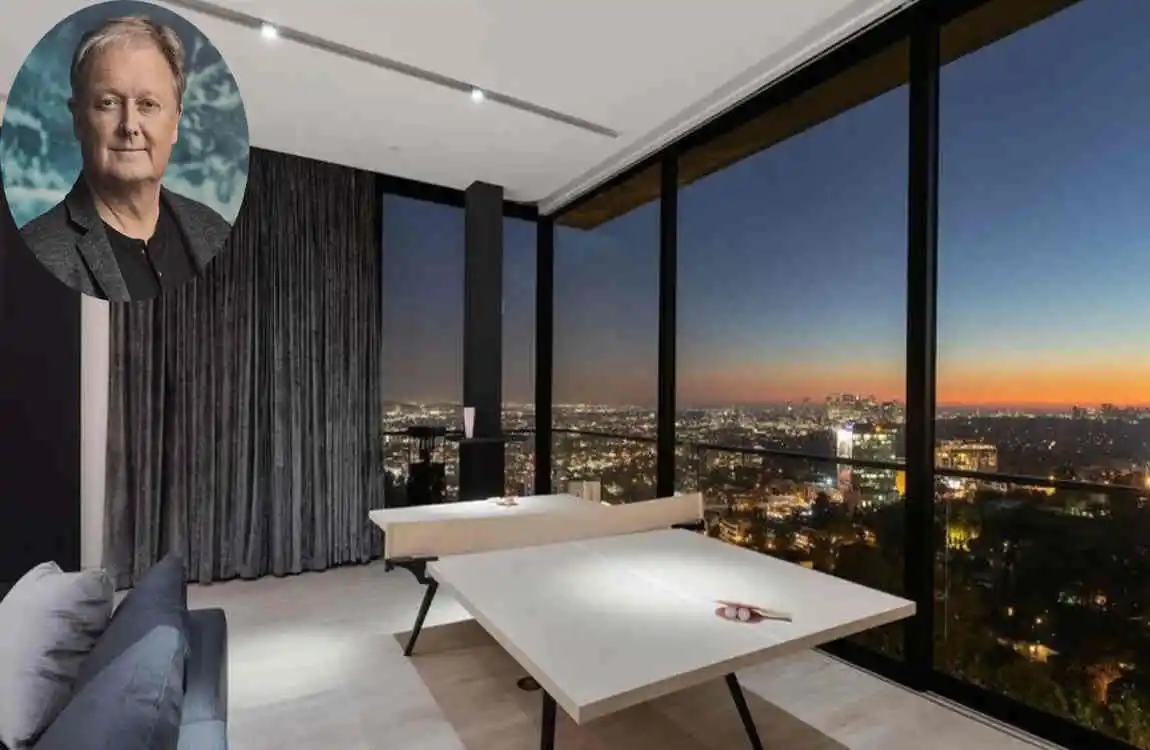
| Design Features | Retractable glass walls, panoramic city and ocean views, open-concept living spaces |
| Luxury Amenities | Infinity-edge pool, spa, Himalayan salt-wall sauna, wine room, media lounge, fitness center, entertainment areas |
| Garage | Three-car garage with vehicle lifts for up to six cars |
Where Does Henrik Fisker’s Currently Live?
Henrik Fisker currently owns a luxurious mansion in the Hollywood Hills, Los Angeles, which he purchased in 2021. The house is an 11,800-square-foot estate with six bedrooms, eight bathrooms, and impressively, a garage that can accommodate six vehicles.
Henrik Fisker’s House Photos