The number of satchels needed for a stone roof in a home depends on the context, especially if referring to a video game like Rust, where satchel charges are used as explosives to destroy stone structures. In Rust, it typically takes about 10 satchel charges to destroy a stone roof or stone walls. Each satchel does a set amount of damage, and cumulative damage from multiple satchels is required for destruction.
If referring to actual construction, a “satchel” is not a standard unit for stone roofing materials.
For the Rust game context, a stone roof requires approximately 10 satchel charges to be destroyed or breached.
Calculating the Number of Satchels Needed
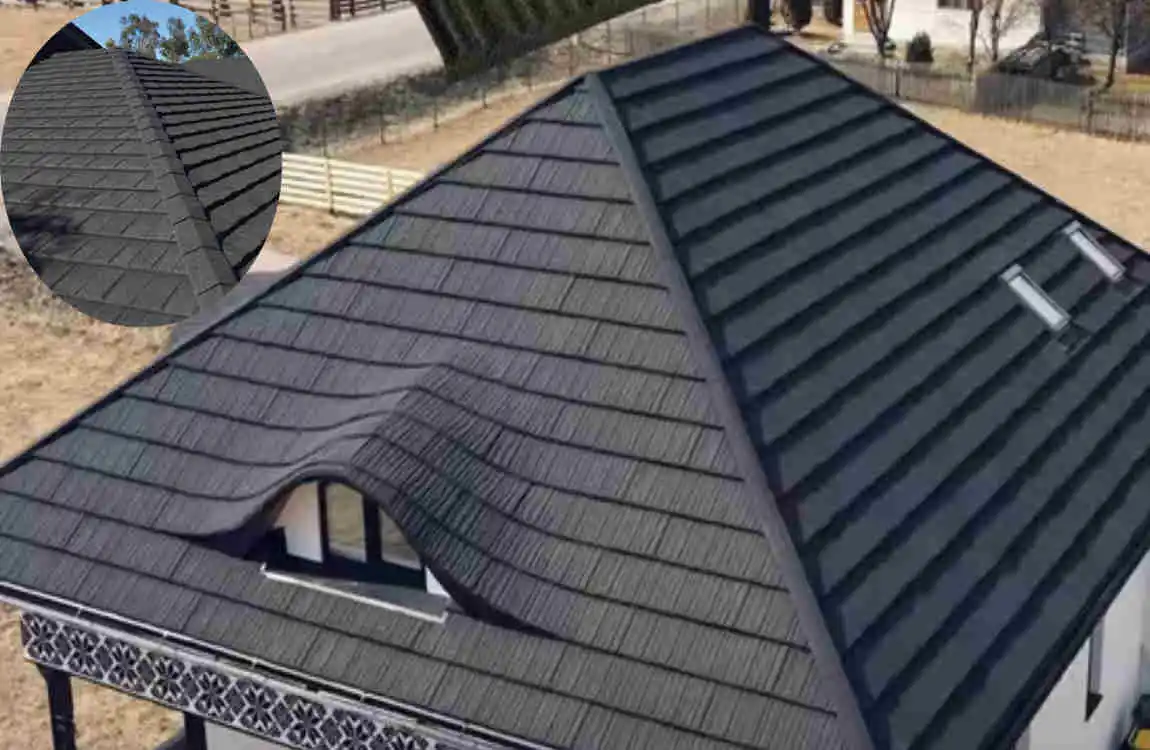
Calculating the number of satchels for a stone roof requires understanding the specific dimensions of your project. Start by measuring the total area you intend to cover.
Once you have that figure, it’s essential to consider the coverage provided by each satchel. Typically, manufacturers offer details on how much area one satchel can cover—this varies based on stone type and size.
Next, divide your total roof area by the coverage amount per satchel. This calculation gives you a rough estimate of how many you’ll need.
Don’t forget to factor in waste and breakage during installation. It’s wise to purchase an extra 10-15% more than your initial calculation.
Always consult with local experts or suppliers for any specific requirements related to your region’s building codes or climate conditions, which might affect material needs.
Factors to Consider When Choosing Satchels for a Stone Roof
When selecting satchels for your stone roof, consider the weight of the stones that will be used. Heavier materials require sturdier satchels to ensure safety and durability during transport and installation.
Size is another crucial factor. Make sure the satchels can accommodate the dimensions of your stones without compromising their integrity. A snug fit helps reduce movement and potential damage.
Look into weather resistance as well. Your chosen satchels should protect against moisture, UV rays, and other environmental factors. This will extend their lifespan significantly.
Think about ease of handling, too. Satchels with comfortable straps or handles make it easier to maneuver around your property while carrying heavy loads.
Check for compatibility with tools you may be using for installation. Some designs integrate more effectively with specific equipment, thereby enhancing efficiency on-site.
Cost Comparison: Buying vs Renting Satchels
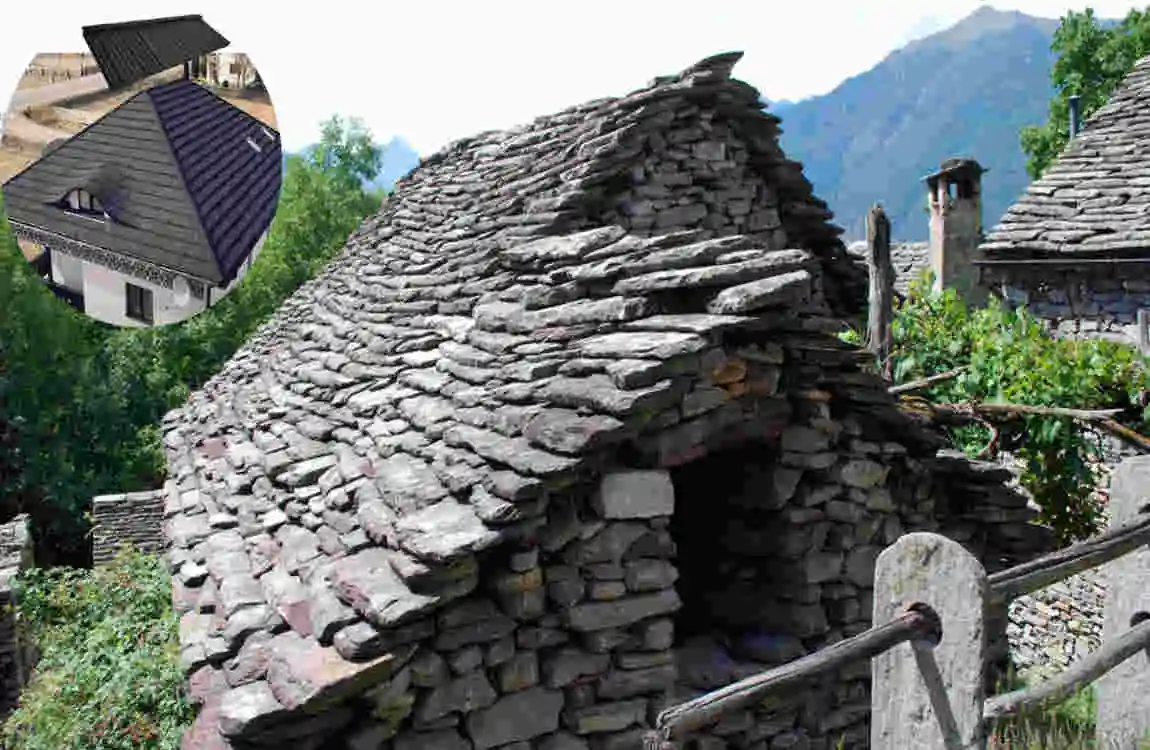
When it comes to satchels for your stone roof project, weighing the cost of buying versus renting is crucial. Buying satchels can seem enticing. You invest upfront and own the equipment outright. This choice may save you money in the long run if you have multiple projects lined up or anticipate future repairs.
Renting, on the other hand, offers flexibility. If this is a one-time job, renting allows access to high-quality gear without a hefty initial investment. You pay only for what you need when you need it.
Consider additional costs, too. Maintenance and storage become factors when purchasing your own satchels. With rentals, those concerns are typically handled by the provider.
Evaluate how often you’ll use them and compare prices carefully before making a decision that suits both your budget and needs best.
You may also read (home depot and gutter guards essential installation insights).
Tips for Safely Transporting and Installing a Stone Roof
Transporting stone for roofing requires careful planning. Always secure your load properly to prevent shifting during transit. Use sturdy straps and ensure the rocks are evenly distributed in the vehicle.
When you arrive at the site, check for any damage before starting installation. Inspect each stone thoroughly; cracks or chips can compromise durability.
Start from the bottom and work your way up to maintain a water-tight seal. Overlap tiles appropriately to direct rainwater away from seams.
Use proper tools designed specifically for handling heavy materials. This reduces strain on your body and minimizes accidents on-site.
Always wear safety gear like gloves, helmets, and steel-toed boots while working with stones. They protect against injuries that could occur due to falling materials or slips.
Consider enlisting help when lifting large slabs; teamwork makes this labor-intensive job safer and more efficient.
Maintenance and Longevity of Stone Roofs
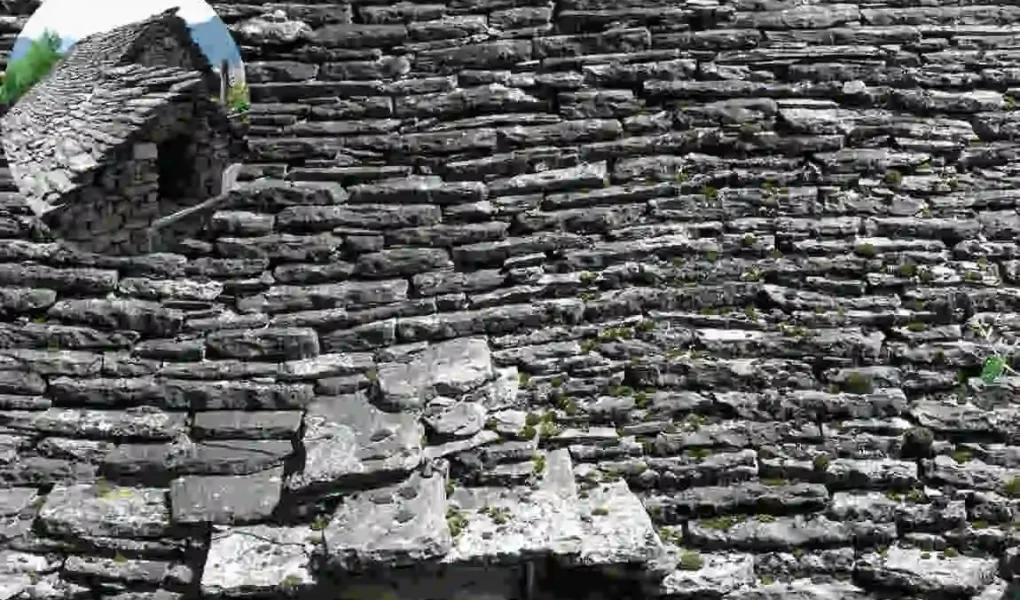
Stone roofs are known for their durability and aesthetic appeal. However, proper maintenance is essential to ensure they last a lifetime.
Regular inspections can help catch potential issues early. Look for cracked stones or loose tiles that may need replacing.
Cleaning the roof periodically is crucial. Remove debris like leaves and branches that can trap moisture, leading to mold or moss growth.
Applying a protective sealant every few years adds an extra layer of defense against harsh weather conditions.
Monitor your roof’s drainage system as well. Clogged gutters can cause water to back up, which may damage both the roofing material and underlying structures.
With minimal care, stone roofs can easily surpass 50 years in lifespan, making them a wise investment for any homeowner seeking longevity and style.
You may also read (how much does a roll of rolled roofing cost for your home).