

Keeping your bedroom clean and organized is essential to creating a peaceful, relaxing environment. But have you ever wondered, “How long does it take to clean a bedroom?” Well, you’re in the right place!
Factors Influencing How Long It Takes to Clean a Bedroom
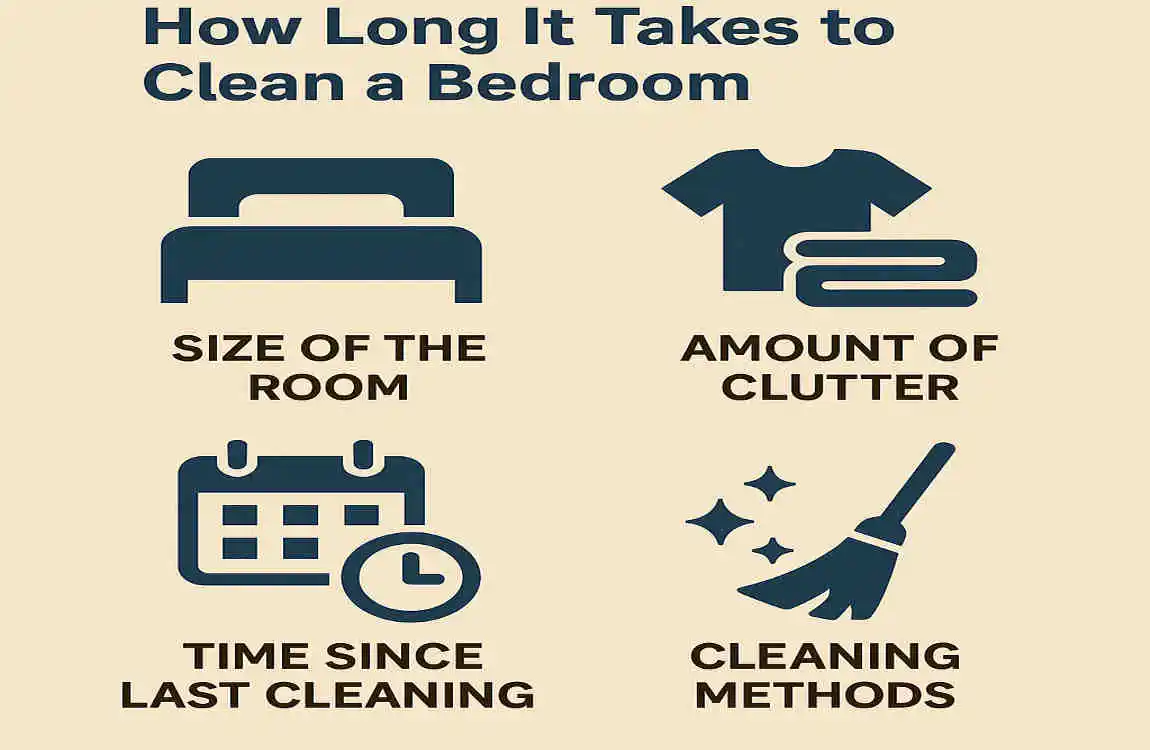
When it comes to cleaning your bedroom, several factors can affect how long it takes to get the job done. Let’s take a closer look at these key elements:
Room Size
The size of your bedroom plays a significant role in how long it takes to clean. Smaller bedrooms, typically up to 100 square feet, take less time than larger ones. On the other hand, medium-sized bedrooms (100-200 square feet) and large bedrooms (over 200 square feet) may demand more effort and time.
Level of Clutter and Messiness
The amount of clutter and mess in your bedroom can significantly affect how long it takes to clean. If your room is relatively tidy, you’ll spend less time decluttering and organizing. However, if your bedroom is a chaotic mess, you’ll need to allocate more time to sorting through items and putting things back in order.
Frequency of Previous Cleaning
The frequency with which you clean your bedroom also affects the time required for each session. If you regularly maintain your bedroom’s cleanliness, you’ll find that quick touch-ups are all that’s needed. On the other hand, if you’ve neglected cleaning for a while, you may need to set aside more time for a thorough cleaning.
Presence of Pets or Allergens
If you have pets or suffer from allergies, you may need to dedicate extra time to cleaning your bedroom. Pet hair, dander, and allergens can accumulate quickly, requiring more frequent and thorough cleaning to maintain a healthy environment.
Number of Tasks Involved
The number of cleaning tasks you need to complete in your bedroom also affects the overall time required. Tasks like dusting, vacuuming, doing laundry, and changing bed linens all add up, so consider the specific tasks you need to tackle when estimating your cleaning time.
Average Time Estimates to Clean a Bedroom by Room Size
Now that we’ve covered the factors influencing cleaning time, let’s explore some average time estimates for cleaning bedrooms of different sizes:
Small Bedroom (Up to 100 sq ft)
For a small bedroom, you can expect to spend around 15-30 minutes on cleaning. This estimate includes tasks like decluttering, dusting, and vacuuming or sweeping the floor. If your small bedroom is relatively tidy, you might be able to finish the job in the lower end of this range.
Medium Bedroom (100-200 sq ft)
A medium-sized bedroom typically requires 30-45 minutes for a thorough cleaning. With more space to cover, you’ll need to allocate extra time for tasks like dusting larger surfaces, vacuuming a bigger area, and organizing more items. If your medium bedroom is particularly cluttered, you may need to lean towards the higher end of this time range.
Large Bedroom (Over 200 sq ft)
When it comes to large bedrooms, cleaning can take 45 minutes to 1 hour or more. With expansive floor space, larger furniture pieces, and potentially more clutter, you’ll need to set aside ample time to ensure a thorough clean. If your large bedroom is well-maintained, you might be able to finish the job in around 45 minutes, but be prepared to spend more time if needed.
Detailed Breakdown of Bedroom Cleaning Tasks and Their Time Requirements
To give you a better understanding of how long each cleaning task may take, let’s break down the everyday bedroom cleaning tasks and their estimated time requirements:
Decluttering and Organizing (10-20 minutes)
Decluttering and organizing your bedroom is often the first step in cleaning. Depending on the level of clutter, this task can take anywhere from 10 to 20 minutes. Start by sorting through items, putting things back in their designated spots, and removing any unnecessary items from the room.
Dusting Surfaces and Furniture (5-10 minutes)
Dusting is an essential part of bedroom cleaning and typically takes 5 to 10 minutes. Use a microfiber cloth or a dusting tool to wipe down surfaces like nightstands, dressers, and window sills. Don’t forget to dust the tops of furniture pieces and any decorative items in your bedroom.
Cleaning Mirrors and Windows (5 minutes)
If your bedroom has mirrors or windows, you should set aside about 5 minutes to clean them. Use a glass cleaner and a lint-free cloth to remove smudges and streaks, leaving your mirrors and windows sparkling clean.
Vacuuming or Sweeping Floors (10-15 minutes)
Vacuuming or sweeping the floor is an essential step in bedroom cleaning, and it usually takes around 10 to 15 minutes to complete. If you have a carpeted bedroom, use a vacuum cleaner to remove dirt and debris. For hard flooring, a broom or a vacuum with a hard floor attachment will do the trick.
Changing Bed Linens (10 minutes)
Changing your bed linens is a quick and straightforward task that typically takes about 10 minutes. Strip the bed of the old sheets, pillowcases, and duvet cover, and replace them with fresh, clean linens. This not only keeps your bedroom looking neat but also helps maintain a hygienic sleeping environment.
Emptying Trash and Final Touches (5 minutes)
To wrap up your bedroom cleaning, take about 5 minutes to empty any trash bins and add the final touches. Fluff your pillows, straighten any decorative items, and give your bedroom a once-over to ensure everything looks tidy and inviting.
Time-Saving Strategies for Cleaning Any Bedroom Size
Now that we’ve covered the average time estimates and task breakdowns, let’s explore some time-saving strategies to help you clean your bedroom more efficiently, regardless of its size:
Set a Cleaning Timer and Work in Focused Sprints
One effective way to stay on track and avoid getting sidetracked is to set a cleaning timer. Choose a specific amount of time, like 15 or 30 minutes, and work in focused sprints. This technique helps you stay motivated and prevents cleaning from feeling overwhelming.
Tackle Clutter First to Streamline Other Tasks
When cleaning your bedroom, tackling clutter should be your first priority. By decluttering and organizing your space, you’ll streamline the other cleaning tasks, making them quicker and more efficient. Start by sorting through items, putting things away, and removing any unnecessary clutter from your bedroom.
Use Multi-Tasking Tools and Supplies
To save time during your bedroom cleaning, consider using multi-tasking tools and supplies. For example, a vacuum with attachments can help you clean both your floors and furniture in one go. Microfiber cloths are another great option, as they can be used for dusting, wiping down surfaces, and even cleaning mirrors and windows.
Keep Cleaning Supplies in the Bedroom for Quick Access
Having your cleaning supplies readily available in your bedroom can save you time and effort. Keep a small caddy or basket stocked with essentials, such as a microfiber cloth, a dusting tool, and a glass cleaner. This way, you won’t have to waste time searching for supplies when you’re ready to clean.
Make Bed a Priority — Instantly Improves Room Appearance
Making your bed is a quick and straightforward task that can instantly improve the appearance of your bedroom. By prioritizing this task, you’ll create a neat and inviting space that motivates you to keep cleaning. Plus, a made bed serves as an excellent foundation for the rest of your bedroom cleaning efforts.
Invest in Smart Cleaning Gadgets
If you’re looking to streamline your bedroom cleaning even further, consider investing in smart cleaning gadgets. Robot vacuums, for example, can automatically clean your bedroom floors while you focus on other tasks. Air purifiers can also help maintain a clean and healthy environment by filtering out allergens and pollutants.
Tips for Maintaining a Clean Bedroom to Reduce Cleaning Time
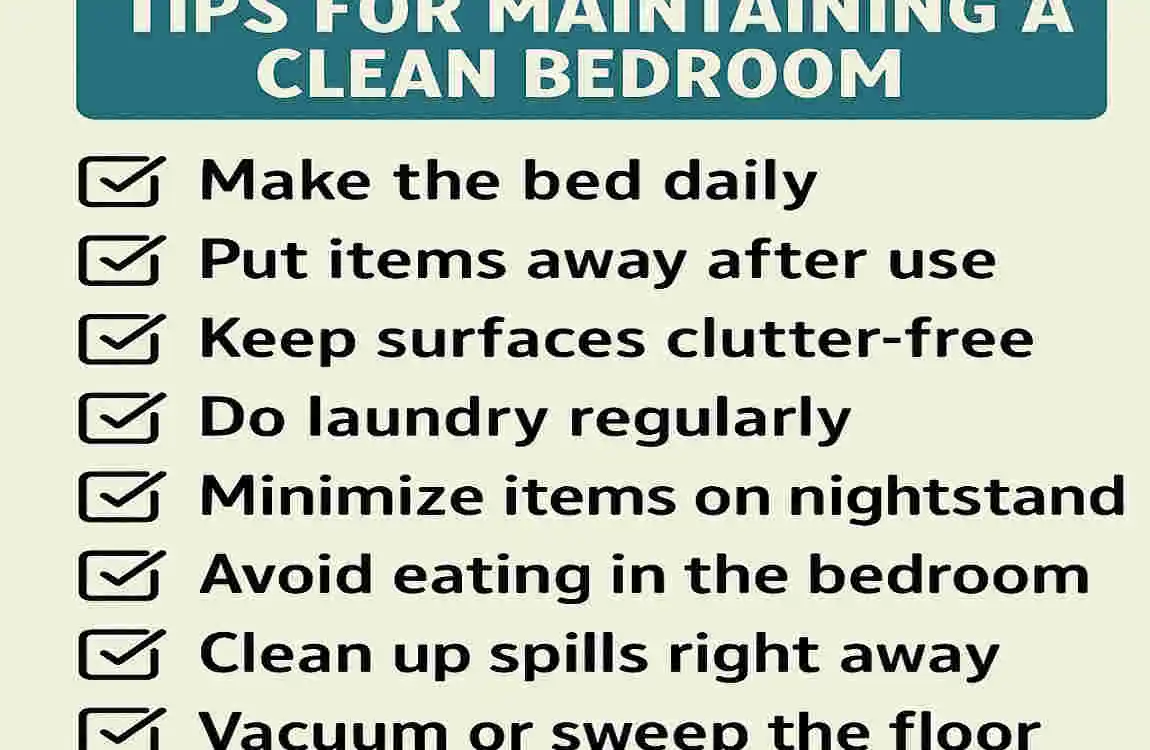
Maintaining a clean bedroom not only keeps your space looking great but also helps reduce the time you spend on cleaning in the long run. Here are some tips to help you keep your bedroom tidy and reduce the need for deep cleaning:
Daily 5-Minute Tidy-Up Habits
Incorporating daily 5-minute tidy-up habits into your routine can make a big difference in maintaining a clean bedroom. Take a few minutes each day to put away items, fluff your pillows, and straighten your bed. These quick habits will prevent clutter from accumulating and make your weekly cleaning sessions much easier.
Implement Storage Solutions and Minimalism
Investing in storage solutions and embracing minimalism can help you keep your bedroom organized and clutter-free. Use under-bed storage, closet organizers, and decorative baskets to keep items neatly stored away. By adopting a minimalist mindset, you’ll be more mindful of the items you bring into your bedroom, reducing the potential for clutter.
Limit Accumulation of Items to Prevent Clutter Buildup
To prevent clutter from building up in your bedroom, be mindful of the items you bring into the space. Regularly assess your belongings and remove anything you no longer need or use. By limiting the accumulation of items, you’ll make it easier to maintain a clean and organized bedroom.
Regularly Launder Bedding to Avoid Deep Cleaning Needs
Regular laundering of your bedding is essential for maintaining a clean, hygienic bedroom. Wash your sheets, pillowcases, and duvet cover at least once a week to remove dirt, oils, and allergens. By keeping up with this routine, you’ll reduce the need for deep cleaning and extend the life of your bedding.
Encourage Family Members or Roommates to Share Cleaning Duties
If you share your bedroom with family members or roommates, consider encouraging them to take on some of the cleaning duties. Assign specific tasks to each person, like making the bed or vacuuming the floor, to distribute the workload. By working together, you’ll keep your shared bedroom cleaner and tidier.
Special Considerations for Different Bedroom Types
While the general cleaning principles we’ve discussed apply to most bedrooms, there are some special considerations to keep in mind for different bedroom types:
Kids’ Bedrooms: Dealing with Toys and School Supplies
Kids’ bedrooms often present unique cleaning challenges, with toys and school supplies adding to the clutter. When cleaning a child’s bedroom, allocate extra time for sorting through toys, organizing school supplies, and putting everything back in its designated spot. Please encourage your child to participate in the cleaning process to teach them valuable life skills.
Master Bedrooms with Larger Furnishings and Closets
Master bedrooms typically feature larger furnishings and more spacious closets, which can impact cleaning time. When cleaning a main bedroom, be prepared to spend extra time dusting larger surfaces, vacuuming a larger area, and organizing your closet. Consider implementing storage solutions and regularly decluttering to keep your main bedroom tidy.
Guest Bedrooms: Less Frequent Use but Need Quick Turnovers
Guest bedrooms may not be used as frequently as other bedrooms, but when guests do stay over, you’ll want the space to be clean and inviting. To ensure quick turnovers, keep the guest bedroom clean and organized between visits. Keep the room tidy, launder the bedding regularly, and have a cleaning kit on hand for quick touch-ups before guests arrive.
Shared Bedrooms: Increased Clutter and Personal Items
In shared bedrooms, the presence of multiple people can lead to increased clutter and more personal items. When cleaning a shared bedroom, allocate extra time for sorting belongings, organizing shared spaces, and communicating with your roommate or family members about maintaining a clean, tidy environment. Establish a cleaning schedule and assign specific tasks to each person to ensure the space stays organized.
How to Create a Personalized Bedroom Cleaning Schedule
Creating a personalized bedroom cleaning schedule can help you stay on top of your cleaning tasks and maintain a consistently clean and organized space. Here’s how to develop a schedule that works for you:
Weekly vs. Monthly Cleaning Tasks
Start by identifying the cleaning tasks that need to be done weekly, such as changing bed linens, dusting surfaces, and vacuuming the floor. Then, determine which tasks can be done less frequently, such as deep cleaning your closet or washing your curtains. Create a schedule that combines weekly and monthly tasks to ensure a thorough, consistent cleaning routine.
Adjust Based on Room Size and Personal Lifestyle
When creating your bedroom cleaning schedule, consider the size of your room and your personal lifestyle. If you have a larger bedroom, you may need to allocate more time to cleaning. Similarly, if you have a busy schedule, you can break up your cleaning into smaller, more manageable sessions throughout the week. Adjust your schedule to fit your specific needs and preferences.
Use Checklists or Apps to Stay Organized
To stay organized and on track with your bedroom cleaning schedule, consider using checklists or cleaning apps. Create a checklist of tasks to be completed each week or month, and check them off as you go. Alternatively, use a cleaning app to set reminders, track your progress, and stay motivated. These tools can help you maintain consistency and ensure that no cleaning task falls through the cracks.
Balancing Thoroughness and Time Constraints
When creating your bedroom cleaning schedule, aim to strike a balance between thoroughness and time constraints. While it’s essential to thoroughly clean your bedroom, you also need to consider the time you have available. Be realistic about what you can accomplish in a given cleaning session, and prioritize the most critical tasks. Remember, consistency is key, so even if you can’t do a deep clean every week, regular maintenance will help keep your bedroom clean and tidy.