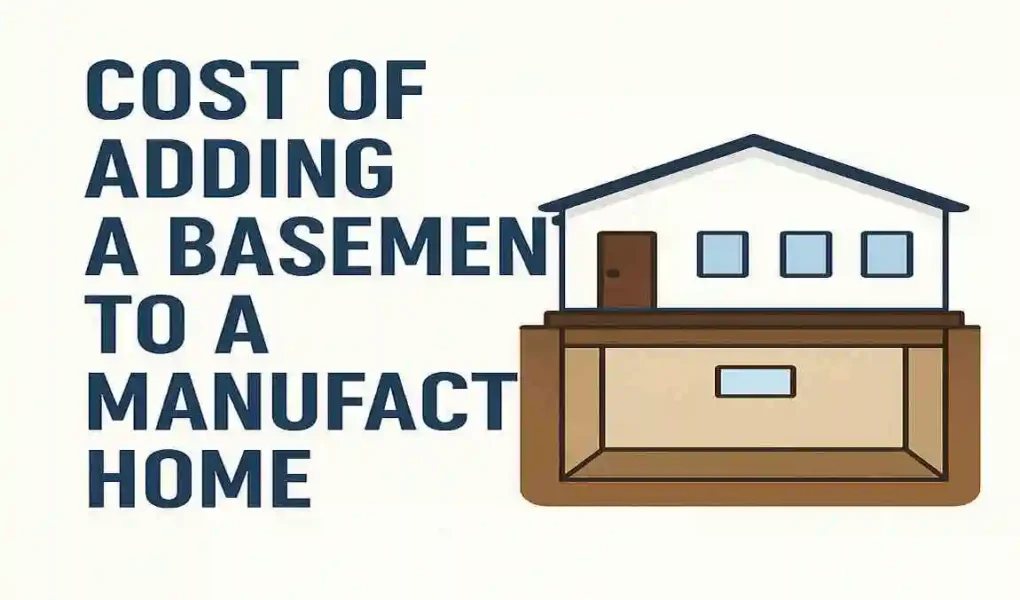
Adding a basement to a manufactured home can be a game-changer for your living space, property value, and overall comfort. But before you jump in, you probably want to know: how much does it cost to put a basement under a manufactured home? This question is essential to planning your budget and avoiding surprises.
Understanding Manufactured Homes and Basements
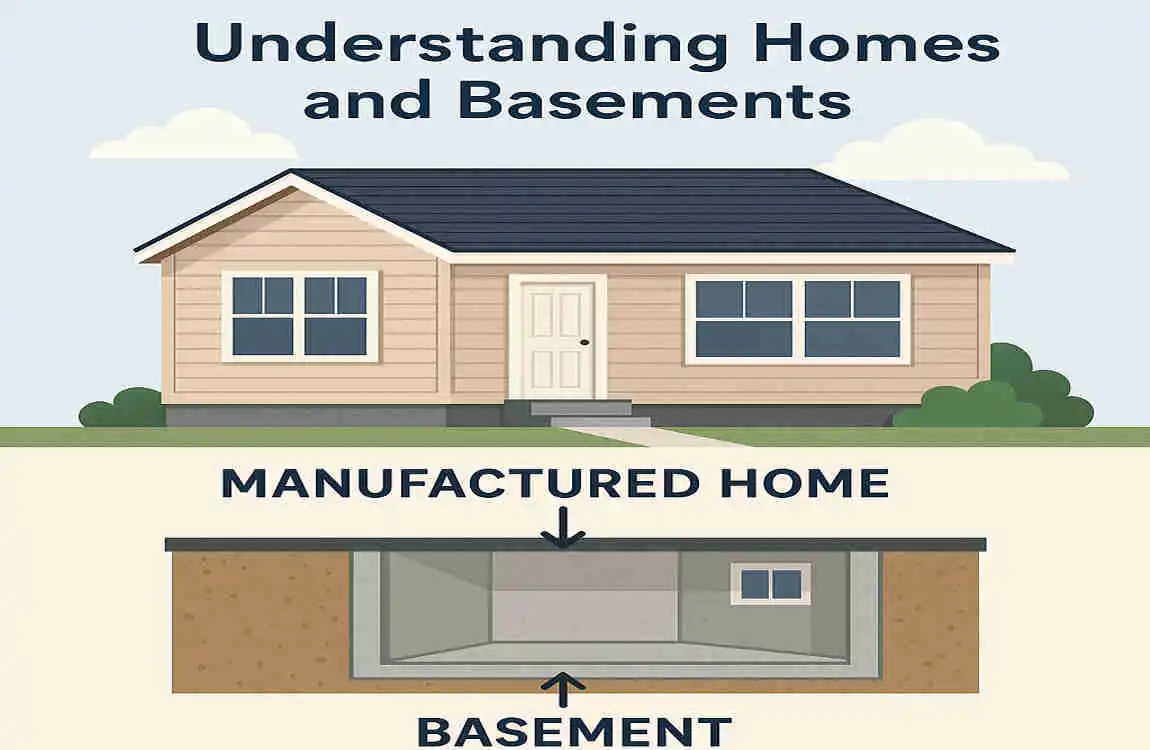
What is a Manufactured Home?
A manufactured home is a factory-built house that is transported to a site and installed on a foundation. Unlike traditional homes built on-site, these luxury homes are built to federal HUD standards, making them affordable and quicker to set up.
Common Foundation Types for Manufactured Homes
Manufactured homes typically sit on:
- Pier and beam foundations: Elevated on concrete or steel piers.
- Slab foundations: A flat concrete slab poured directly on the ground.
- Crawl spaces: Small spaces between the ground and the home for access to utilities.
What Does Adding a Basement Mean?
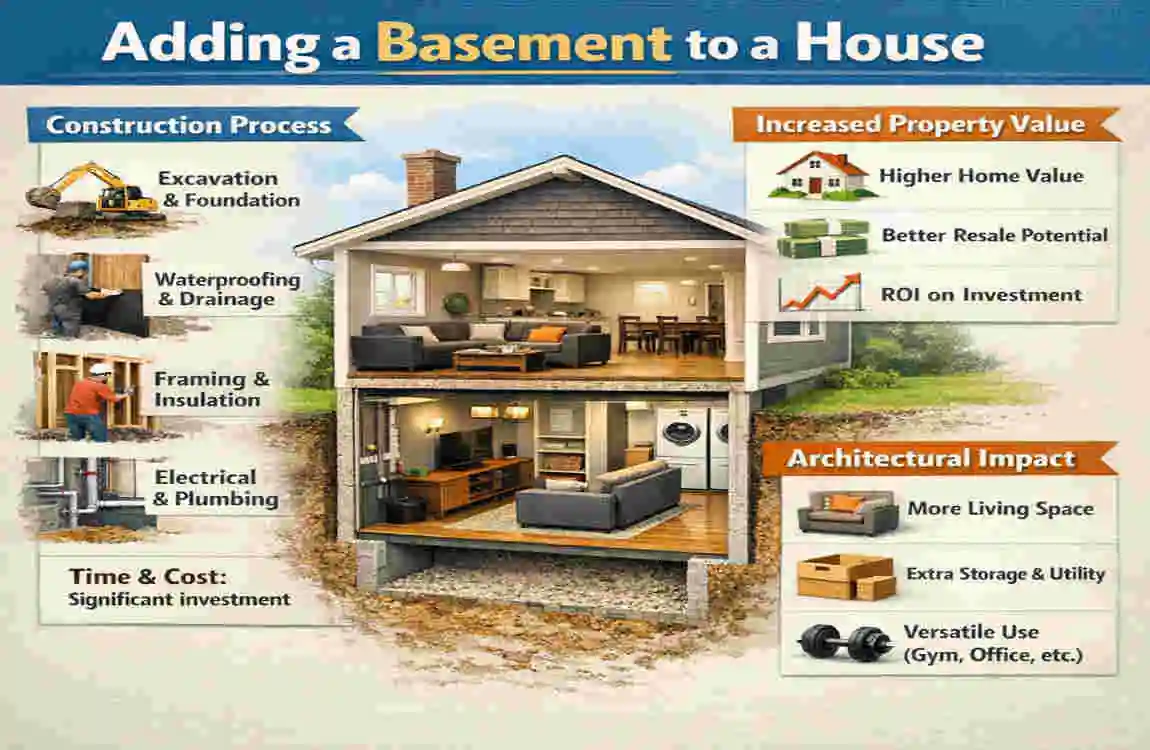
Adding a basement means constructing a full or partial underground space beneath your manufactured home. This space can serve various purposes — from extra storage to additional living areas.
Benefits of Having a Basement
- Extra living space: Create bedrooms, family rooms, or offices.
- Storage: Keep seasonal items and tools out of the main house.
- Home value: Basements can increase resale value.
- Protection: Basements provide shelter during storms.
Key Factors Influencing the Cost of Adding a Basement
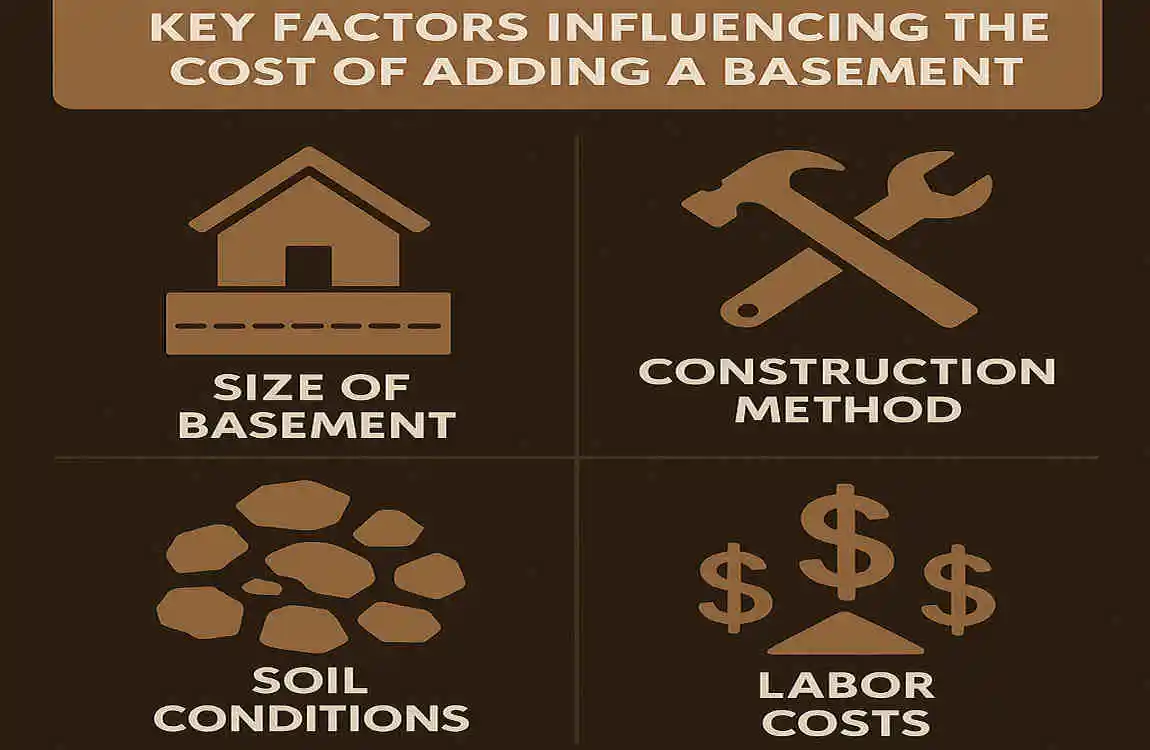
Size and Complexity of Basement Design
The larger and more complex your basement, the higher the cost. A simple storage basement is cheaper than a fully finished living space with multiple rooms.
Site Conditions and Land Preparation
If your land is rocky, uneven, or has poor soil drainage, excavation and preparation become more difficult and expensive.
Permits, Inspections, and Building Codes
You’ll need permits and inspections to comply with local laws — these costs vary depending on your location.
Foundation Type Choice
- Poured concrete: Durable but costly.
- Concrete block foundation: Less expensive but may require more maintenance.
- Precast panels: Faster installation, but can be pricey upfront.
Waterproofing and Drainage Systems
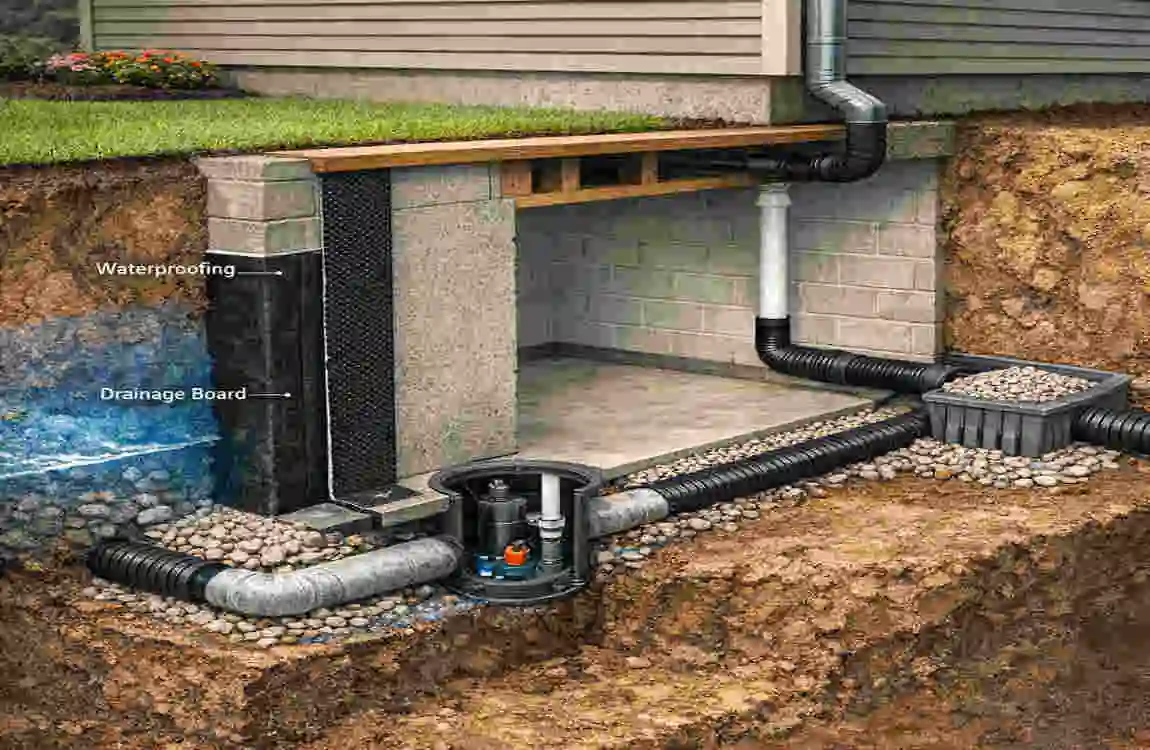
To prevent water damage, basements require good waterproofing and drainage. This includes membranes, sump pumps, and drainage tiles.
Insulation and Ventilation
Basements require proper insulation to maintain warmth and Ventilation to prevent mold and moisture buildup.
Electrical and Plumbing Installations
Adding wiring, lighting, outlets, and plumbing lines increases costs, particularly if you plan to install a bathroom or kitchen in that area.
Additional Finishing Costs
If you plan to finish the basement with flooring, walls, and ceiling finishes, these add significant expenses.
Detailed Cost Breakdown
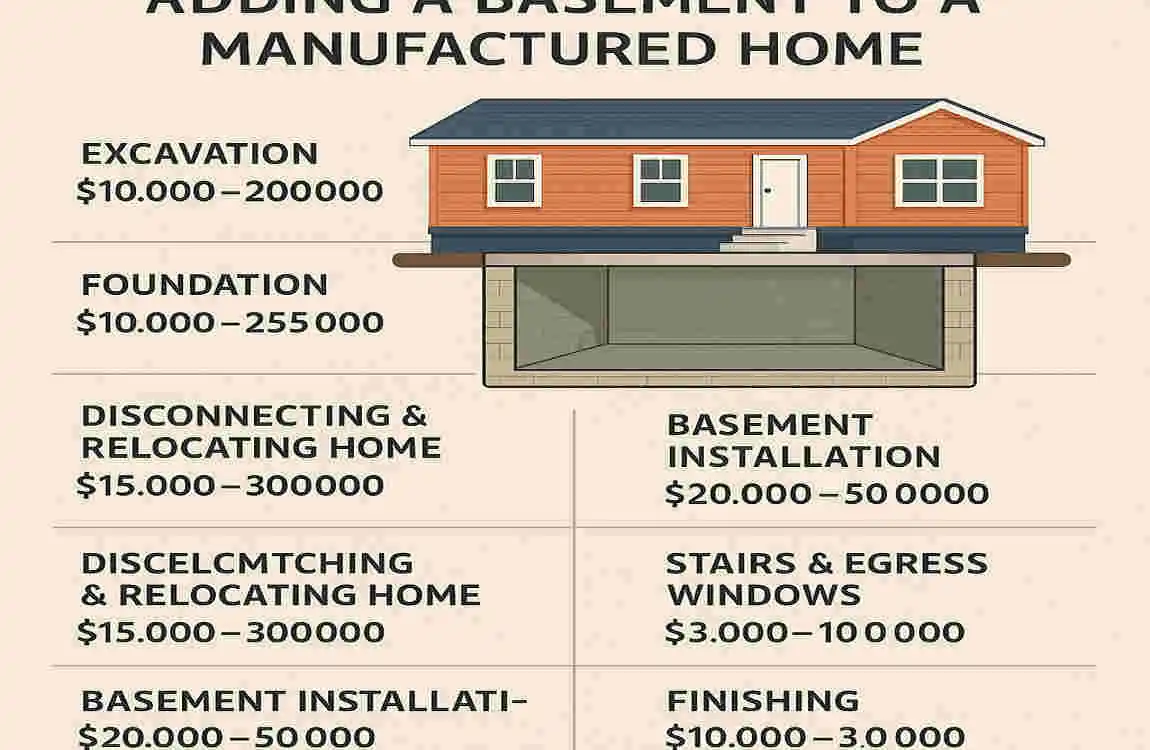
Here’s a rough idea of what to expect when budgeting your basement project:
Cost Component Typical Range (USD)Notes
Excavation & Site Prep $5,000 – $15,000, depending on soil and site conditions.
Foundation Construction $10,000 – $30,000 Varies by foundation type
Waterproofing & Drainage $3,000 – $7,000 Essential for basement longevity
Insulation & Ventilation $1,500 – $4,000 Includes vapor barriers and fans
Electrical & Plumbing $2,000 – $10,000 More if adding bathrooms or kitchens
Finishing (floor, walls) $10,000 – $25,000 Optional, based on quality and size
Permits & Inspections $500 – $2,000 Location-dependent
Excavation and Site Preparation
Excavation involves digging out the earth to create space for the basement. The cost depends on soil type, accessibility, and the amount of earth that needs to be moved.
Materials and Labor for Foundations
Concrete is the most common choice because of its strength. Labor costs can fluctuate by region and contractor availability.
Waterproofing and Drainage Expense

Without proper waterproofing, your basement could face leaks and mold—costs here protect your investment.
Electrical and Plumbing
Running new lines can be tricky under an existing home, but it is necessary for finished basements with living amenities.
Finishing the Basement
Flooring options range from basic concrete sealers to hardwood or carpet, affecting final costs.
Planning and Design Considerations
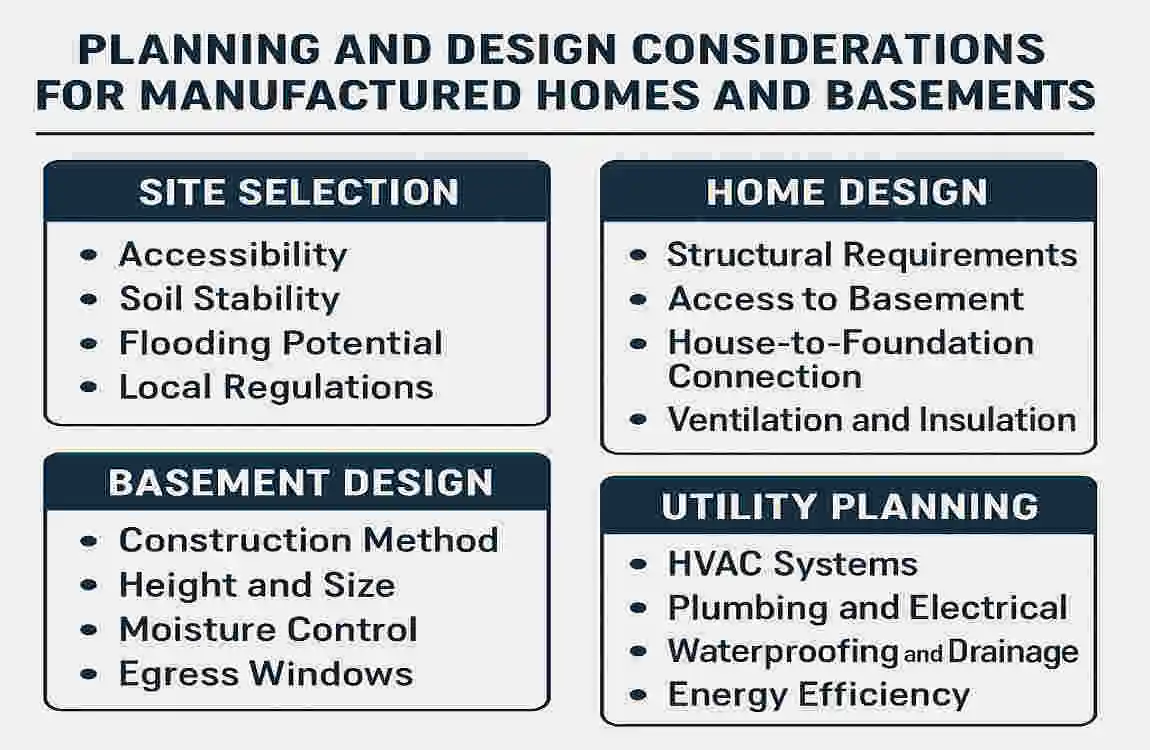
Assess Your Needs and Budget
Before starting, think about what you want from your basement. Is it just storage, or do you want a guest suite? Your goals will shape your home budget.
Work with Experienced Architects or Contractors
Look for professionals who understand manufactured homes and basement construction.
Get Multiple Quotes
Don’t settle for the first price. Comparing helps you find the best deal and avoid overpaying.
Understand the Timeline
Basement additions can take weeks or months. Knowing the phases (excavation, foundation, waterproofing, finishing) helps you plan.
Consider Home Resale Value
A well-built basement can increase your home’s resale price, but only if done right.
Common Challenges and How to Avoid Them
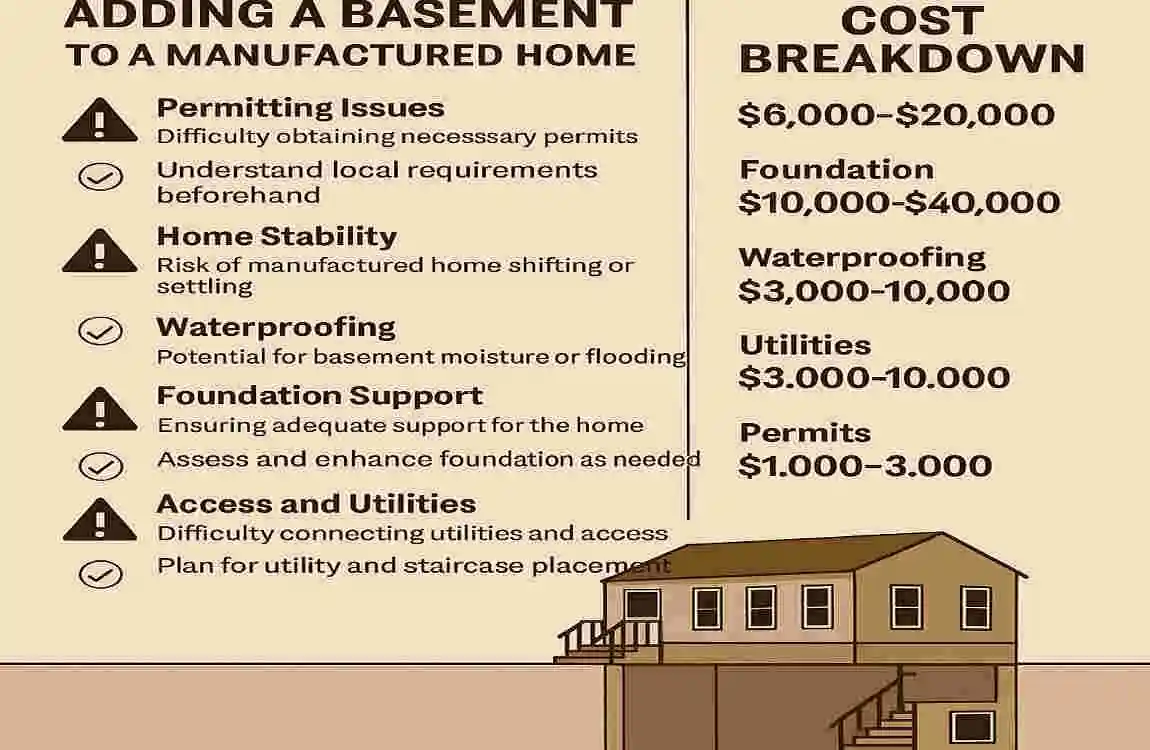
Uneven or Rocky Terrain
Rocky ground can increase excavation costs. Consider a site survey before committing.
Permit and Code Compliance
Ignoring permits can halt your project or cause fines. Always check with local authorities.
Moisture and Structural Issues
Proper drainage and waterproofing avoid leaks and foundation damage.
Budget Overruns
Keep a contingency fund for unexpected expenses — a 10-20% buffer is wise.
Hiring Reliable Professionals
Ask for references, check reviews, and confirm licenses before hiring.
How Much Does It Cost to Put a Basement Under a Manufactured Home FAQ
The cost of adding a basement under a manufactured home can vary widely depending on factors such as the size of the home, the type of basement, soil conditions, and location. Here’s a detailed breakdown based on available information:
Average Cost Range
- The cost to add a basement under a manufactured home typically ranges from $20,000 to $80,000, depending on the size and complexity of the project .
- On average, homeowners can expect to pay around $33 per square foot for a standard basement with proper drainage and moisture barriers .
Cost Breakdown
- Excavation and Foundation Walls:
- Excavation and foundation walls alone can cost approximately $30,000 for a basic setup .
- A concrete pad for the basement floor may cost an additional $14,000 .
- Full Basement Construction:
- A fully finished basement, including walls, flooring, and utilities, can cost between $50,000 and $60,000 for a 1,000-square-foot home .
- Finished vs. Unfinished Basements:
- A finished basement (with flooring, walls, and utilities) will cost more than an unfinished one, which is primarily used for storage or as a utility space.
Factors That Affect the Cost
- Size of the Home:
- Larger homes require more excavation and materials, increasing the cost.
- Soil and Land Conditions:
- Rocky or unstable soil can make excavation more expensive.
- Drainage and Waterproofing:
- Proper drainage systems and moisture barriers are essential to prevent water damage, adding to the cost.
- Location:
- Costs can vary significantly by region due to labor rates and material availability.
- Customization:
- Adding features like finished walls, flooring, or plumbing will increase the overall cost.
Additional Considerations
- Resale Value: Adding a basement can significantly increase the resale value of a manufactured home by providing extra living or storage space .
- Financing Options: Some lenders may offer financing for basement projects, but not all do, so it’s important to shop around for options.
| Factor | Cost Range |
|---|---|
| Total Cost (Basement for Manufactured Home) | $12,000 – $50,000 |
| Full Basement (Typical) | $18,000 – $35,000 |
| Modular Home Basement | $35,000 – $50,000+ |
| Per Square Foot (Excavation/Foundation) | $12 – $50+ (varies by size) |
| Crawl Space (Comparison) | $15,000 – $25,000 (basement is ~2x cost) |