Beekeeping has quietly become one of the fastest-growing hobbies in the UK. More people are discovering the joy of working with nature right in their own back garden. Whether in cities, suburbs, or the countryside, bees are making a comeback in small domestic spaces.
Part of the reason is simple. People want to support the environment. Bees play a huge role in pollination, which helps flowers bloom, fruits grow, and food reach our tables. Without them, biodiversity would suffer greatly.
So, a common question many homeowners ask is: can you keep bees in your garden in the UK?
The short answer is yes—but there are important things you need to understand first. Beekeeping is not just about placing a hive in your garden. It involves responsibility, awareness, and proper care for both the bees and your surroundings.
Can You Keep Bees in Your House Garden in the UK?
Direct Answer
Yes, you absolutely can keep bees in your garden in the UK. There is no national law that prevents domestic beekeeping in residential areas.
In fact, beekeeping is encouraged in many parts of the country because of its environmental benefits. As long as you manage your bees responsibly, you are legally allowed to keep them at home.
However, legality does not mean freedom without responsibility.
Key Conditions
Even though beekeeping is allowed, you must follow a few important expectations:
- You must ensure your bees do not become a nuisance
- You must take steps to prevent aggressive behavior or swarming
- You should maintain proper hive hygiene and care
- You must consider your neighbors’ safety and comfort
Think of it this way: you are responsible for how your bees interact with the surrounding environment.
Urban vs Rural Beekeeping
Beekeeping works in both urban and rural areas, but there are differences between the two.
In urban gardens, space is limited, so hive placement must be carefully planned. However, cities often have a surprising variety of flowers in parks and gardens.
In rural areas, space is not a problem, but bees may need to travel farther to access diverse nectar sources.
Even a small garden can support a healthy hive if managed properly. Bees are highly adaptable, which makes them suitable for many UK homes.
UK Laws and Regulations for Keeping Bees
Legal Status of Beekeeping
One of the best things about beekeeping in the UK is that it is largely unregulated for hobbyists.
You do not need:
- A licence
- Special government approval
- Mandatory registration (in most cases)
This makes it easy for beginners to start their journey.
However, this freedom comes with responsibility. You must ensure your bees are not causing harm or disturbance.
Local Authority Rules
While national law is relaxed, local rules may vary.
Some situations where restrictions may apply:
- Council-owned properties
- Shared gardens
- Leasehold agreements
- Housing association rules
If you rent your home, always check your tenancy agreement before installing a Hive.
Health and Safety Considerations
Bees are generally not dangerous if managed properly, but they are still living insects that can sting when threatened.
As a beekeeper, you are responsible for:
- Preventing aggressive behavior
- Managing hive placement safely
- Ensuring public safety around your property
If someone is stung due to negligence, you could be held responsible in rare cases.
Beekeeping Guidance in the UK
Organizations such as beekeeping associations guide responsible practices. These include:
- Keeping calm bee colonies
- Regular hive inspections
- Preventing disease spread
- Proper hive spacing
Following these guidelines helps ensure a safe and successful experience.
Do You Need Permission to Keep Bees in Your Garden?
Homeowners
If you own your home, you usually do not need permission to keep bees.
You are free to place hives in your garden as long as you manage them responsibly.
Renters
If you are renting, the situation changes.
You will need:
- Landlord approval
- Permission in writing, if possible
Some landlords may refuse due to liability concerns.
Housing Associations and Councils
Rules can vary widely. Some allow beekeeping, while others restrict it completely.
Always check:
- Property agreements
- Community garden rules
- Shared space policies
Neighbour Considerations
Even if it is legal, your neighbors matter.
Good practice includes:
- Informing them before starting
- Placing hives away from property boundaries
- Ensuring bees fly upward and not directly into nearby paths
Good communication prevents misunderstandings.
Is Your Garden Suitable for Beekeeping?
Space Requirements
You don’t need a huge garden, but space matters.
Each hive should have:
- Enough clearance around it
- A clear flight path
- No direct obstruction near entrances
Flower Availability
Bees need food sources year-round.
Good gardens include:
- Flowering plants
- Herbs like lavender and rosemary
- Trees and shrubs
The more variety, the better.
Water Supply
Bees need water daily. You should provide:
- A shallow water source
- Stones or floating objects so they don’t drown
Sunlight and Shelter
The best hive locations are:
- Sunny in the morning
- Sheltered from strong winds
- Dry and stable
Avoid placing hives in damp, shaded corners.
Types of Bees You Can Keep in the UK Garden
Honey Bees
These are the most common for garden beekeeping. They live in hives and produce honey. They are social and well-suited for managed environments.
Bumblebees
Bumblebees are usually wild and not kept in traditional hives. They are excellent pollinators but not domesticated for honey production.
Solitary Bees
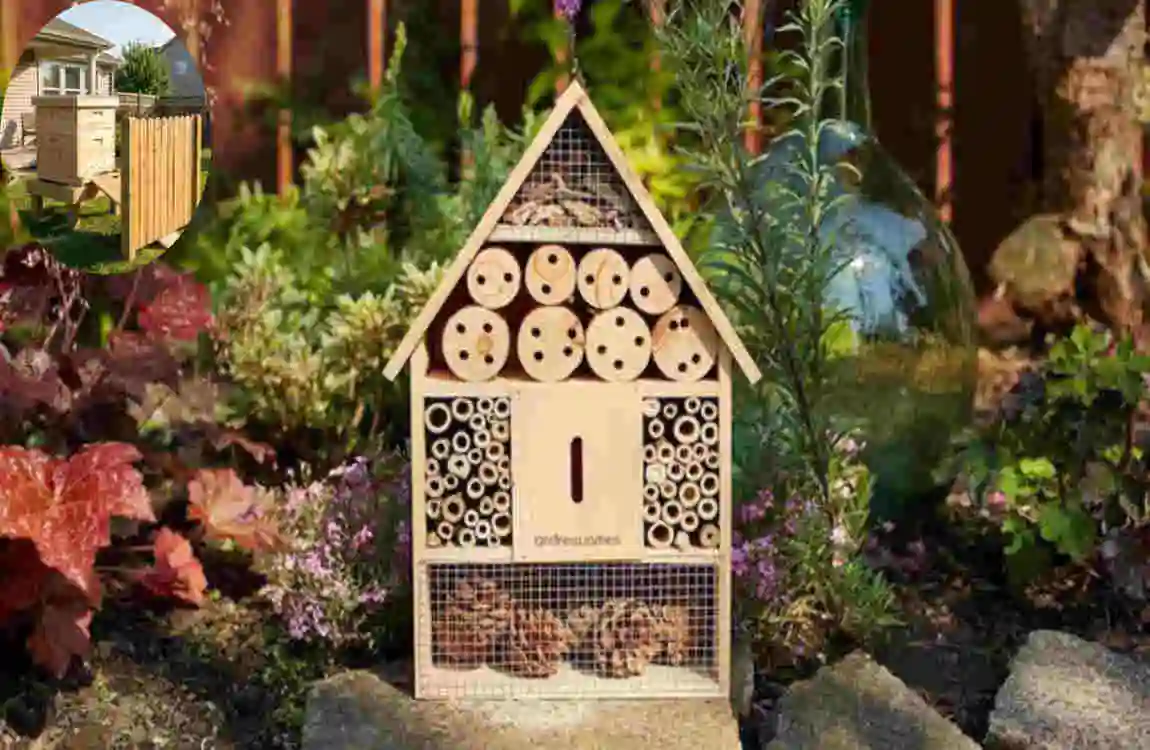
Solitary bees do not live in colonies. Instead, they nest alone. You can support them by creating bee-friendly habitats rather than keeping them in hives.
How to Start Beekeeping in Your House Garden
Learning the Basics
Before starting, it’s important to learn. Many beginners join training sessions or local groups to learn about bee behavior and hive management.
Choosing the Right Hive
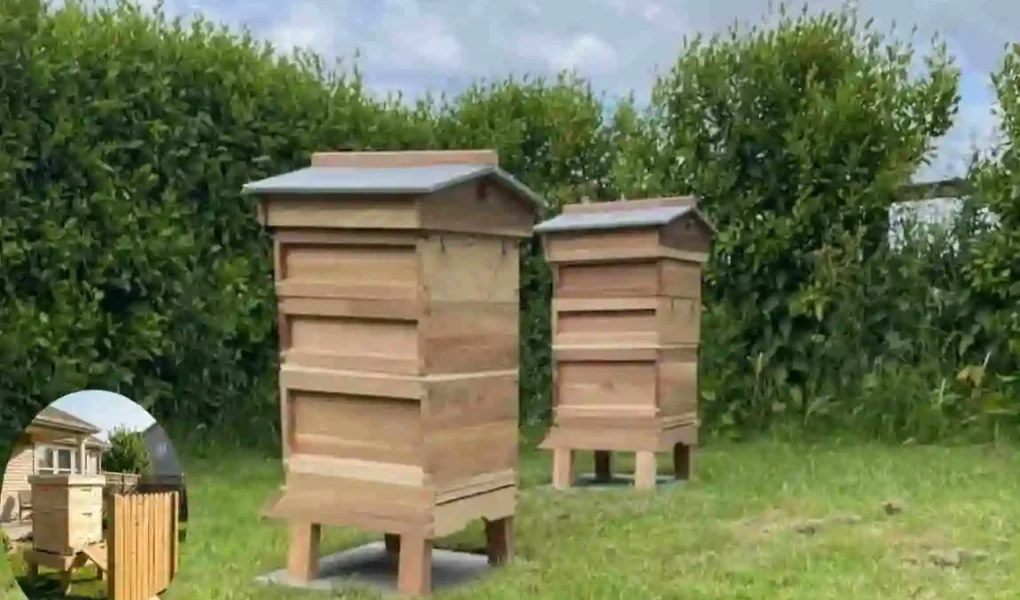
In the UK, the most common hive type is the National Hive, designed specifically for local conditions.
Getting Bees
You can start with:
- A nucleus colony (small starter group)
- A captured swarm (less predictable)
Nucs are recommended for beginners.
Essential Equipment
You will need:
- Protective suit
- Smoker
- Hive tool
- Feeding equipment
These tools help you manage bees safely and confidently.
Responsibilities of Keeping Bees in a Residential Garden
Beekeeping is rewarding, but it comes with duties.
Key responsibilities include:
- Inspecting hives regularly
- Checking for disease or pests
- Preventing overcrowding and swarming
- Keeping neighbors informed and comfortable
Good management keeps both bees and people safe.
Common Challenges of Garden Beekeeping in the UK
Beekeeping is not always easy.
Weather Conditions
UK weather can be unpredictable. Cold winters and wet summers affect bee activity.
Urban Risks
Urban areas may expose bees to:
- Pollution
- Pesticides
- Limited natural forage
Space Constraints
Small gardens require careful hive placement.
Swarm Management
If a hive becomes overcrowded, bees may swarm. This needs careful handling.
Benefits of Keeping Bees in Your House Garden
Environmental Benefits
Bees support:
- Pollination
- Biodiversity
- Healthy ecosystems
Personal Honey Production
You can harvest fresh, natural honey from your own garden.
Educational Value
Beekeeping teaches patience, awareness of nature, and responsibility.
Mental Wellbeing
Many beekeepers find working with bees calming and therapeutic.
Tips for Successful Urban Beekeeping in the UK
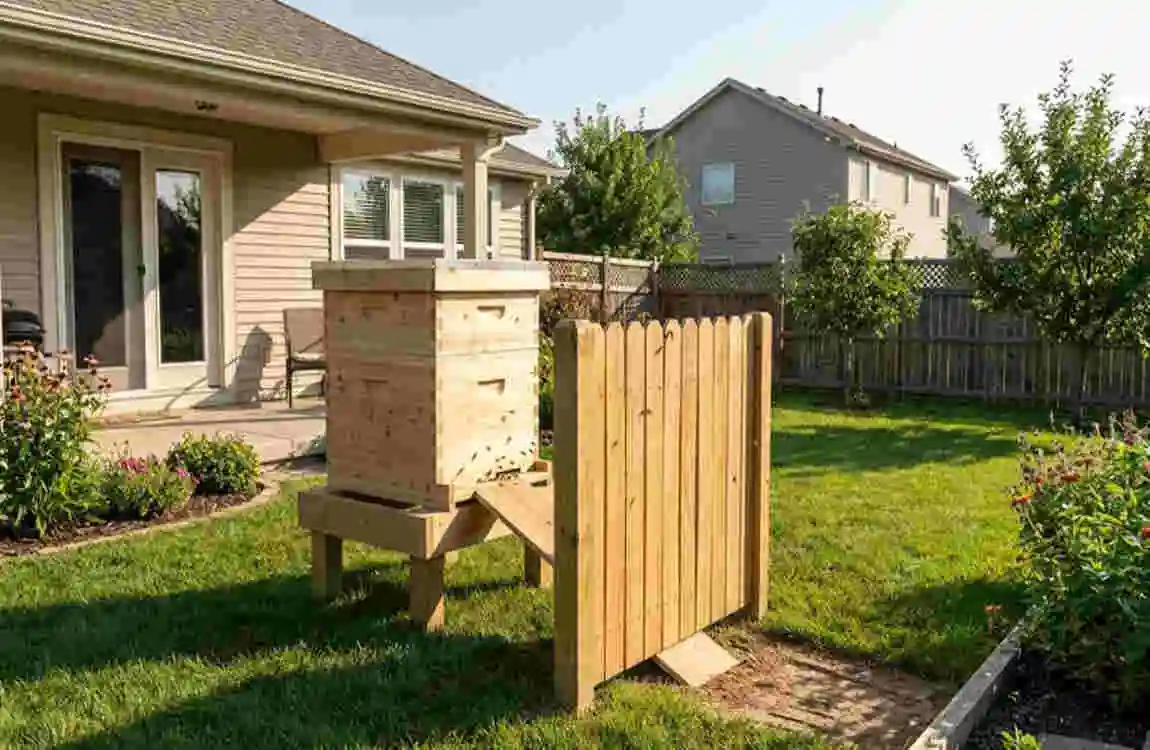
- Start with one hive only
- Join a local beekeeping group
- Choose bee-friendly plants
- Avoid over-expanding too quickly
- Keep learning continuously
Small steps lead to long-term success.
FAQs
Is beekeeping legal in UK residential areas?
Yes, it is legal in most residential areas.
Will my neighbors complain?
They might if bees are poorly managed, but proper care reduces issues.
How much space do I need?
Even a small garden can work with proper hive placement.
Are bees dangerous?
Not usually. They are peaceful when not threatened.
How much honey can I produce?
It depends on conditions, but a healthy hive can produce a noticeable amount each season.
| Factor | What You Need to Know | Why It Matters |
|---|---|---|
| Legality | Yes, beekeeping is legal in the UK | No special licence needed for hobby beekeeping |
| Location | Garden space is suitable if managed well | Ensures bees have enough forage and safe flight paths |
| Neighbours | Inform nearby residents | Helps avoid complaints and ensures safety awareness |
| Hive setup | Must be placed in a quiet, sunny, sheltered spot | Reduces stress on bees and improves productivity |
| Safety | Use proper protective gear and training | Prevents stings and mishandling |
| Environment | Bees support pollination and biodiversity | Benefits local plants and crops |