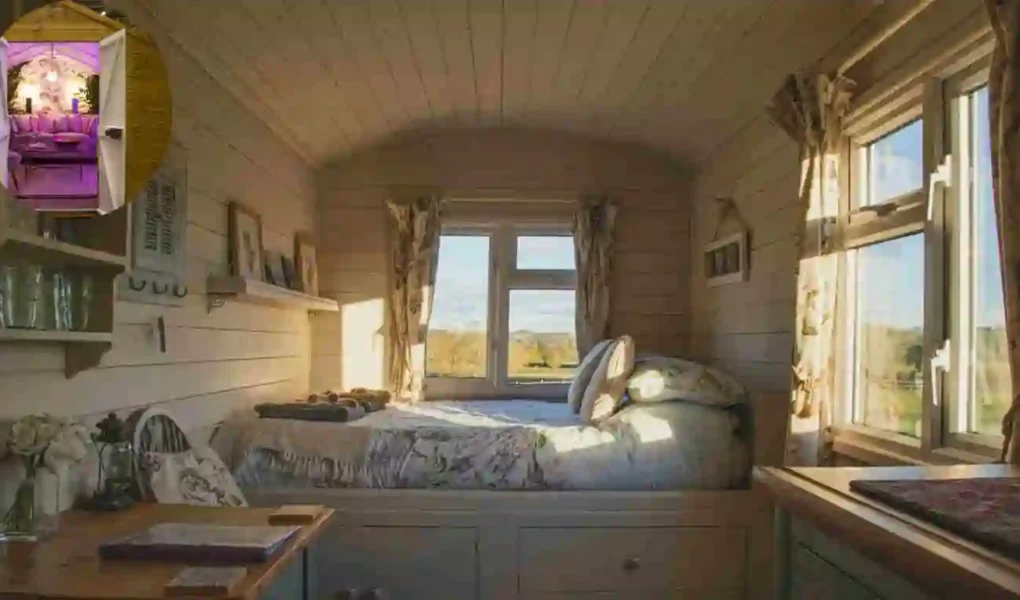
Garden rooms and shed conversions have become extremely popular across the UK in recent years. Rising property prices, limited living space, and the growing demand for flexible home layouts have prompted many homeowners to view their gardens differently. Instead of using a shed only for storage, people now want to create guest bedrooms, teenage rooms, home offices, or even rental spaces.
Because of this trend, many people ask the same question: Can I turn my shed into a house bedroom in the UK? The answer is not always simple. In some situations, converting a shed into a bedroom is completely legal. In other cases, you may need planning permission, building regulations approval, or additional safety upgrades before anyone can legally sleep there.
There are several important factors involved. You need to think about insulation, ventilation, electrical safety, heating, damp proofing, and structural strength. The legal use of the building also matters. Sleeping in a garden shed occasionally is very different from using it as a permanent bedroom or renting it out.
Do You Need Planning Permission to Convert a Shed into a Bedroom?
Planning permission is one of the biggest concerns for homeowners considering a garden bedroom conversion.
The good news is that some shed conversions fall under permitted development rights. However, once a shed becomes a sleeping space, the rules often become stricter.
When Planning Permission Is NOT Required
You may not need planning permission if your garden building falls within permitted development rights.
Generally, permission may not be required when:
- The structure is single-story
- It does not take up too much garden space
- The building stays within height limits
- It is not used as a separate home
- It remains secondary to the main house
Most standard garden rooms fall into this category.
Typical permitted development height limits include:
Structure TypeMaximum Height
Flat roof building 2.5 meters
Dual-pitched roof 4 meters
Other roof types 3 metres
Distance from boundaries also matters. Buildings near neighboring properties often face stricter restrictions.
When Planning Permission IS Required
Planning permission is more likely to be necessary if the shed includes permanent sleeping accommodation.
You may need approval if you plan to:
- Use the shed as a full-time bedroom
- Install a bathroom or kitchen
- Create a self-contained annex
- Build a large structure
- Add plumbing and drainage systems
- Use the space for rental income
Properties in conservation areas or listed buildings are usually subject to additional restrictions.
If your shed effectively becomes a small independent house, planning permission is almost always required.
How to Check with Your Local Council
The safest approach is to contact your local planning department before starting any conversion.
You can also apply for a Lawful Development Certificate. This document confirms that your project complies with planning rules and can protect you when you sell your property.
Always request written confirmation instead of relying on verbal advice. Written approval provides much stronger legal protection.
UK Building Regulations for Shed Bedrooms
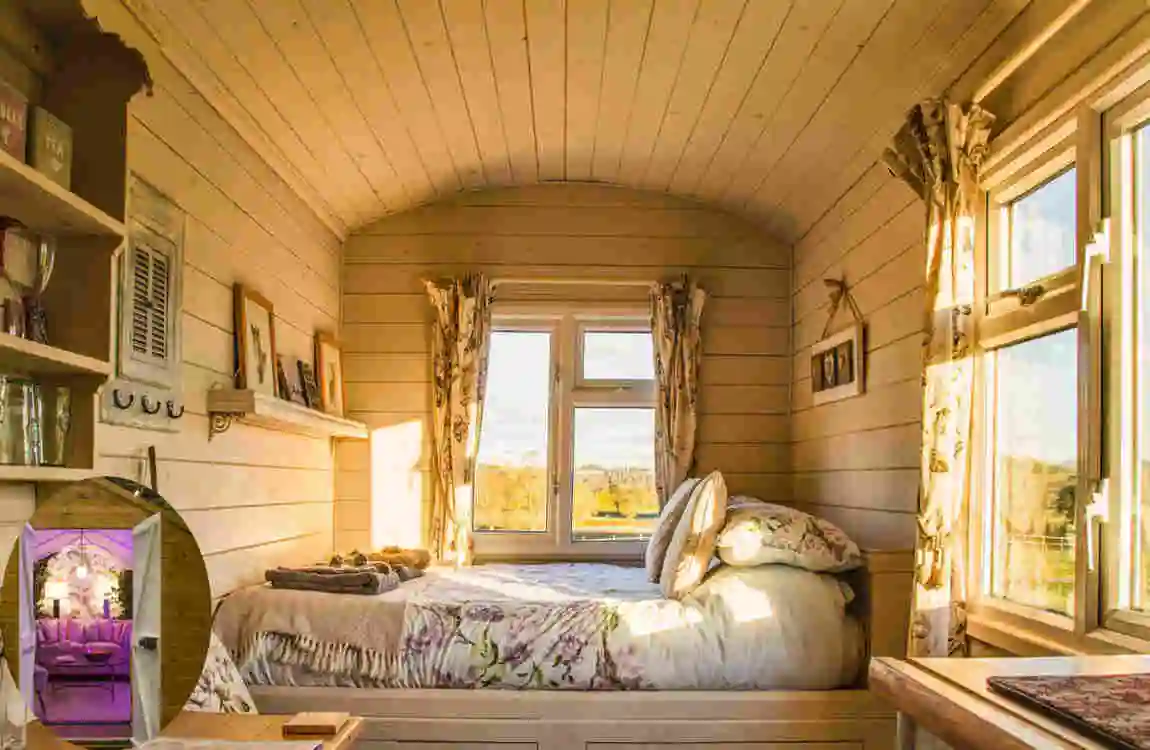
Even if planning permission is not required, building regulations may still apply.
Building regulations focus on safety, energy efficiency, and structural standards. A garden shed designed for storage usually does not automatically meet these requirements.
Structural Safety
A bedroom must be structurally safe for regular human use.
This includes:
- Strong foundations
- Stable walls
- Safe roof construction
- Proper floor support
Many older sheds sit on weak timber bases or paving slabs. These may not provide long-term support for insulation, furniture, and occupants.
Professional reinforcement may be necessary.
Fire Safety Regulations
Fire safety rules become much more important once a shed becomes a sleeping area.
Bedroom conversions may require:
- Safe escape routes
- Fire-resistant materials
- Smoke alarms
- Proper door access
- Emergency exits
Windows may need to meet minimum escape size requirements.
This is especially important if the building contains heating systems or electrical wiring.
Ventilation Requirements
Good ventilation prevents damp, mould, and condensation.
Habitable garden building UK standards usually require:
- Opening windows
- Air circulation systems
- Moisture control measures
- Trickle vents
Without proper ventilation, the space can quickly become unhealthy.
Electrical Safety
Electricity must comply with Part P electrical regulations.
DIY electrical work can become dangerous if not installed correctly. Faulty wiring increases the risk of electric shocks and fires.
Most homeowners should hire certified electricians for:
- Lighting installation
- Plug sockets
- Consumer units
- Heating systems
- Outdoor power connections
Professional certification may also be required for insurance purposes.
Insulation & Energy Efficiency
An insulated garden room bedroom feels completely different from a basic shed.
Proper insulation is essential for:
- Warmth in winter
- Cooling in summer
- Noise reduction
- Energy efficiency
- Damp prevention
Key insulation areas include:
- Walls
- Floors
- Roof
- Windows
- Doors
Double glazing is highly recommended for comfort and energy savings.
Damp-proof membranes are also important because garden buildings are often exposed to ground moisture.
Heating Requirements
A bedroom must maintain comfortable temperatures year-round.
Popular heating options include:
- Electric radiators
- Infrared heaters
- Underfloor heating
- Panel heaters
Underfloor heating works particularly well in insulated garden rooms because it provides even warmth without taking up wall space.
Without proper heating, the room may fail habitable standards during colder months.
Can You Put a Bathroom or Kitchen in a Shed Conversion?
Adding plumbing significantly changes a shed conversion project.
While it is technically possible to install bathrooms or kitchenettes in garden buildings, doing so often triggers stricter planning and building requirements.
You may need to consider:
- Water supply connections
- Drainage systems
- Waste disposal
- Pipe insulation
- Additional electrical capacity
Drainage can become especially expensive if the shed sits far from existing sewer lines.
Does Adding a Bathroom Change the Legal Status?
Yes, in many cases it does.
A shed with a toilet, shower, and sleeping area may begin to resemble a self-contained residential unit. Local authorities often treat these structures differently from ordinary garden rooms.
This can lead to:
- Planning permission requirements
- Separate council tax concerns
- Additional inspections
- Occupancy restrictions
If the structure includes cooking facilities, approval becomes even more important.
Minimum Size Requirements for a Shed Bedroom
There is no universal minimum size specifically for shed bedrooms, but UK bedroom guidelines still matter.
A very small shed may technically fit a bed, but that does not make it comfortable or practical.
Recommended Bedroom Sizes
Typical recommendations include:
Room TypeSuggested Minimum Size
Single bedroom 7.5 square metres
Double bedroom 11 square metres
Guest bedroom 8–10 square meters
Ceiling height also matters. Low ceilings can make a room feel cramped and may affect usability.
Natural Light Requirements
Bedrooms should have adequate natural light and ventilation.
Large windows help create:
- Better airflow
- More comfort
- Improved mental wellbeing
- Reduced condensation
Dark sheds rarely feel welcoming as living spaces.
Practical Layout Tips
Smart design makes smaller garden rooms feel much larger.
Helpful ideas include:
- Fold-away beds
- Wall-mounted storage
- Multi-functional furniture
- Sliding doors
- Under-bed storage
A compact room can still feel comfortable if designed properly.
How Much Does It Cost to Convert a Shed into a Bedroom in the UK?
Costs vary dramatically depending on the size and quality of the conversion.
A simple insulated shed bedroom may cost only a few thousand pounds, while luxury garden bedrooms can exceed £30,000.
Basic Conversion Costs
Feature Estimated Cost
Insulation £1,000–£3,000
Electrical wiring £500–£2,000
Flooring £500–£1,500
Windows & doors £800–£3,000
Heating £300–£2,000
These prices may increase depending on the quality of labor and materials.
Full Luxury Garden Bedroom Costs
Purpose-built insulated garden rooms often range from:
- £10,000 to £30,000+
- Premium custom builds may cost even more
Luxury conversions may include:
- Bi-fold doors
- Smart lighting
- Ensuite bathrooms
- High-end insulation
- Designer interiors
Factors Affecting Cost
Several things influence the final budget:
- Shed size
- Existing condition
- Foundation quality
- Plumbing installation
- Roofing upgrades
- Labour costs
- Local council fees
Cheaper conversions may save money upfront but often require more maintenance later.
Is It Better to Convert an Existing Shed or Build a Garden Room?
This depends on your budget, goals, and the quality of the existing structure.
Some sheds can be upgraded successfully, while others are not strong enough for long-term habitation.
Existing Shed Conversion: Purpose-Built Garden Room
Cheaper upfront, more durable
Faster project, better insulation
Limited lifespan, Higher property value
May need reinforcement, Easier regulation compliance
Pros of Converting an Existing Shed
Existing shed conversions may:
- Reduce upfront costs
- Save time
- Reuse existing materials
- Avoid complete rebuilding
This option works best if the shed already has:
- Strong framing
- Decent foundations
- Good roof condition
- Adequate size
Pros of Building a New Garden Room
Purpose-built garden rooms usually provide:
- Better insulation
- Longer lifespan
- Modern design
- Easier compliance
- Improved comfort
While more expensive initially, they often deliver better long-term value.
Maintenance Considerations
Older sheds may require constant repairs over time.
Common issues include:
- Timber rot
- Roof leaks
- Damp
- Structural movement
- Poor insulation performance
A professionally built garden room generally requires less maintenance.
Common Mistakes Homeowners Make
Many shed conversion projects fail because homeowners underestimate legal and structural requirements.
Ignoring Building Regulations
This is one of the biggest mistakes.
Even if the project seems simple, non-compliant buildings can create serious legal and safety problems later.
Poor Insulation
Insufficient insulation leads to:
- Cold winters
- Overheating summers
- Damp
- Condensation
- High energy bills
Thin shed walls rarely perform well without major upgrades.
Unsafe Electrical Work
DIY electrical installations can quickly become dangerous.
Poor wiring increases the risk of:
- Fire
- Electric shock
- Equipment failure
Always use qualified professionals for major electrical work.
No Damp Protection
Garden buildings are constantly exposed to moisture.
Without damp proofing, you may experience:
- Mould growth
- Rotting timber
- Musty smells
- Wall damage
Assuming “Temporary Use” Avoids Rules
Some homeowners mistakenly believe that occasional sleeping automatically exempts them from regulations.
However, councils may still investigate if the building appears to function as living accommodation.
Renting It Out Illegally
Using a shed as an Airbnb or rental room without proper approval creates major risks.
Potential consequences include:
- Council enforcement action
- Insurance invalidation
- Tenant disputes
- Safety liability
Always verify legal requirements before renting any garden building.
Will a Shed Bedroom Add Value to Your Property?
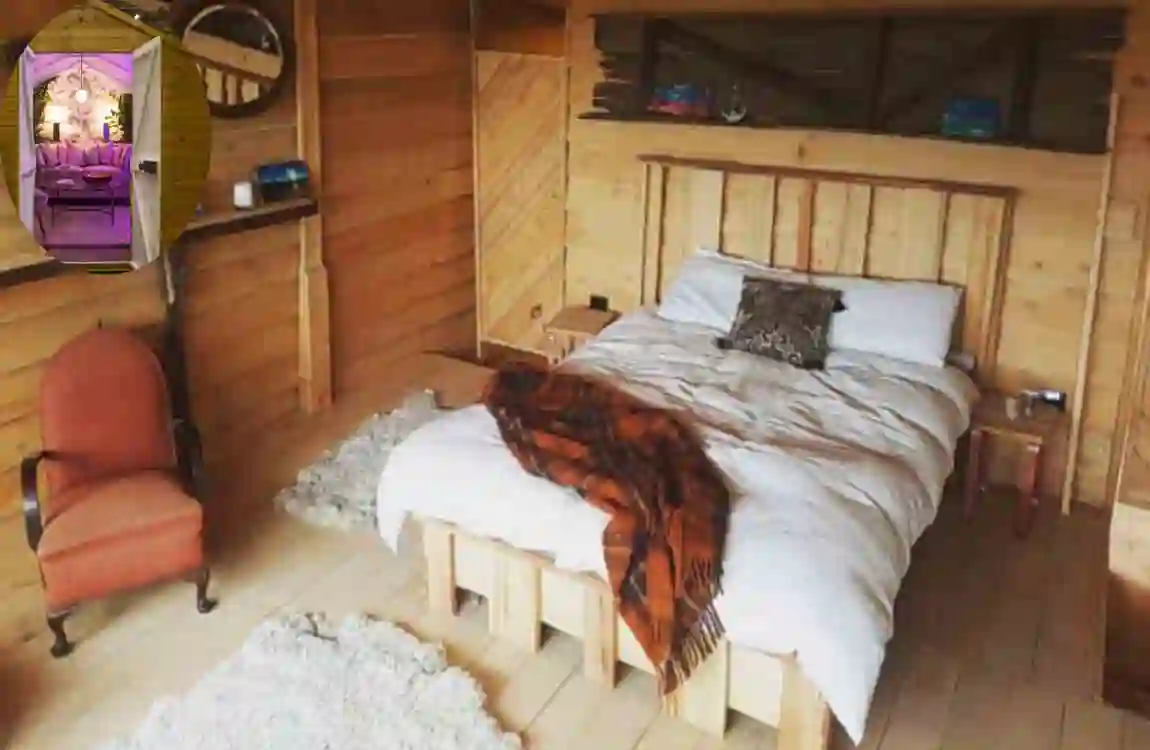
A well-designed garden bedroom can increase property appeal.
Buyers increasingly value flexible living spaces, especially in areas with limited indoor space.
Potential Benefits
A quality conversion may provide:
- Additional usable space
- Guest accommodation
- Home office flexibility
- Teenager space
- Multi-purpose functionality
Estate agents often market compliant garden rooms as Premium features.
Legal Compliance Matters
Poor-quality conversions can reduce property value rather than increase it.
Buyers may become concerned about:
- Safety
- Damp
- Planning issues
- Structural quality
Legal compliance and professional artistry are essential for adding genuine value.
Best Types of Sheds for Bedroom Conversions
Not all sheds are suitable for sleeping accommodation.
Some materials work much better than others.
Wooden Sheds
Wooden sheds are usually the easiest to convert.
Advantages include:
- Easier insulation installation
- Traditional appearance
- Better customisation
- Natural warmth
However, timber requires regular maintenance to prevent rot.
Log Cabins
Log cabins are often the best option for habitable garden spaces.
Benefits include:
- Strong construction
- Better insulation
- Attractive appearance
- Greater durability
Many people choose log cabins specifically for bedroom conversions.
Metal Sheds
Metal sheds can become difficult to insulate properly.
Problems often include:
- Condensation
- Temperature extremes
- Noise
- Rust
While it is possible to convert, extra work is usually necessary.
Plastic/Vinyl Sheds
Plastic sheds are generally unsuitable for bedroom conversions.
They often lack:
- Structural strength
- Insulation potential
- Long-term durability
Most are designed solely for storage.
Step-by-Step Process to Convert a Shed into a Bedroom
Turning a shed into a safe bedroom requires careful planning.
Check Local Regulations
Start by speaking with your local authority about planning and building rules.
Never assume approval is unnecessary.
Step 2: Assess Structural Integrity
Inspect the shed carefully.
Check:
- Foundations
- Roof condition
- Timber quality
- Floor strength
Weak structures may require reinforcement.
Improve Foundations
Stable foundations are critical for long-term durability.
Concrete bases usually perform best.
Step 4: install insulation
Insulate:
- Walls
- Roof
- Floor
This dramatically improves comfort and energy efficiency.
Add Electrical & Lighting
Hire qualified electricians for safe installation.
Include:
- Lighting
- Power sockets
- Heating connections
Install Windows & Ventilation
Good airflow prevents condensation and improves comfort.
Larger windows also increase natural light.
Decorate & Furnish
Choose space-saving furniture and durable finishes.
Light colors can make smaller rooms feel larger.
Final Safety Inspection
Before using the room regularly, ensure all systems are safe and compliant.
Professional inspections provide peace of mind.
Alternative Uses if Bedroom Conversion Isn’t Legal
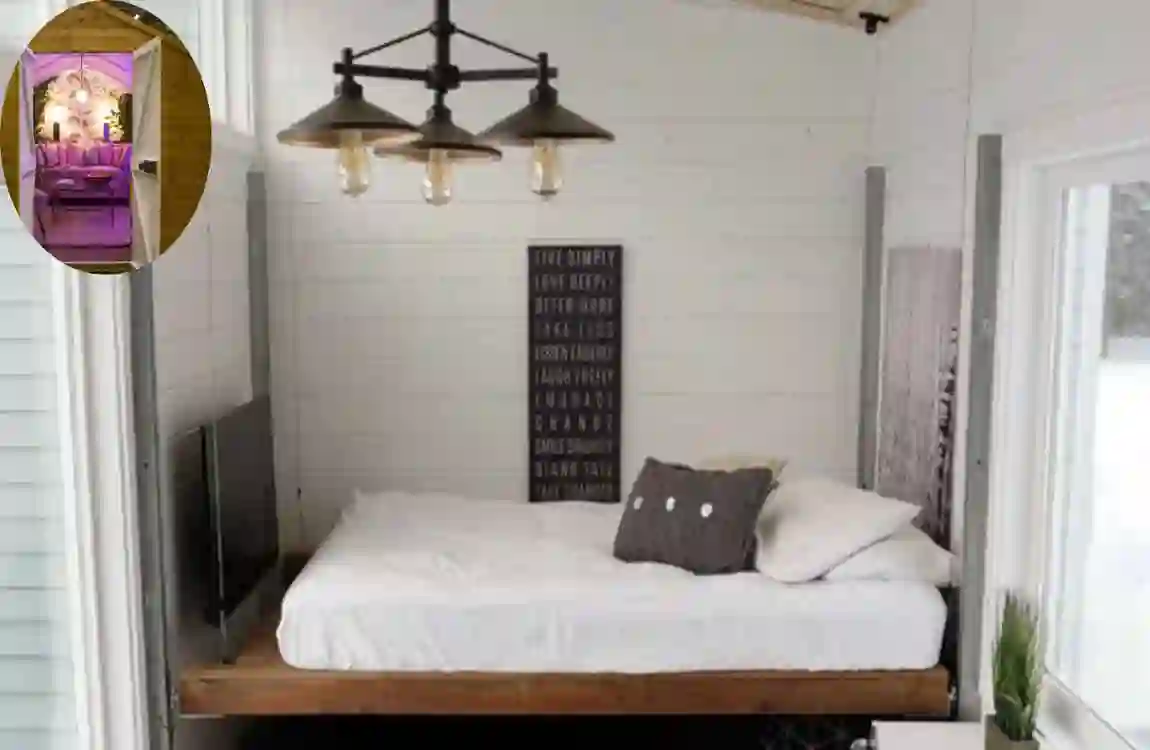
If your local council will not approve sleeping accommodation, the building can still serve many useful purposes.
Popular alternatives include:
- Home office
- Gym
- Art studio
- Hobby room
- Entertainment room
- Reading retreat
- Music practice room
These uses often face fewer regulations than bedrooms.
A multifunctional garden room can still significantly improve your lifestyle.
Frequently Asked Questions
Can I legally sleep in my shed in the UK?
Occasional sleeping may be allowed, but regular residential use may trigger planning and building regulations.
Do I need planning permission for a garden bedroom?
You may need planning permission if the structure includes permanent sleeping accommodation or functions as a separate living space.
Can I put electricity in my shed legally?
Yes, but electrical work should comply with UK safety regulations and ideally be completed by a certified electrician.
Can I rent out a shed as a bedroom in the UK?
Renting out a shed without proper approval can create legal, insurance, and safety issues. Always check local regulations first.
Does a shed bedroom need building regulations approval?
In many cases, yes. Habitable garden buildings often require compliance with structural, fire safety, insulation, and electrical standards.
What is the cheapest way to convert a shed into a room?
The cheapest option is usually upgrading an existing timber shed with basic insulation, flooring, and electrical work.
Can I turn a log cabin into a permanent bedroom?
Log cabins are among the best garden structures for bedroom conversions because they are stronger and easier to insulate.
How much does a UK shed bedroom conversion cost?
Costs typically range from a few thousand pounds for basic upgrades to over £30,000 for luxury insulated garden rooms.
| Topic | Key Information |
|---|---|
| Is it legal to turn a shed into a bedroom in the UK? | Yes, in some cases. However, legality depends on planning permission, building regulations, and how the shed will be used. |
| Do I need planning permission? | You may not need permission for a small garden room under permitted development rights. Permanent sleeping accommodation or self-contained living spaces usually require approval. |
| What counts as a habitable shed? | A habitable garden building must include proper insulation, ventilation, structural safety, heating, and safe electrical systems. |
| Can I sleep in my shed occasionally? | Occasional overnight use is generally treated differently from full-time residential use, but local councils may still investigate if the space appears residential. |
| Do building regulations apply? | Yes. Shed bedroom conversions often need compliance with fire safety, insulation, ventilation, and electrical regulations. |
| Can I add a bathroom or kitchen? | Yes, but adding plumbing or cooking facilities can change the legal status of the building and may require planning permission. |
| What is the average conversion cost? | Basic shed bedroom conversions can cost £3,000–£10,000, while luxury garden rooms may exceed £30,000. |
| Which shed type is best for conversion? | Log cabins and wooden sheds are usually best because they are easier to insulate and modify. |
| Will a shed bedroom add property value? | A high-quality and legally compliant garden bedroom may improve property appeal and increase value. |
| Main risks to avoid | Poor insulation, unsafe electrics, damp issues, and ignoring planning or building regulations. |