St. Clement’s Dane is one of those London churches that feels both historic and alive at once. Set in a busy part of the city, it stands as a place of worship, memory, and quiet reflection. If you are a tourist, a history lover, or someone looking for a peaceful stop during a London walk, this church is worth your attention.
Knowing the visiting hours for St. Clements Dane matters because this is not just a building to admire from the outside. It is an active church so access may change depending on services, events, and special dates. That is why a little planning can make your visit much better.
Overview of St. Clement’s Dane
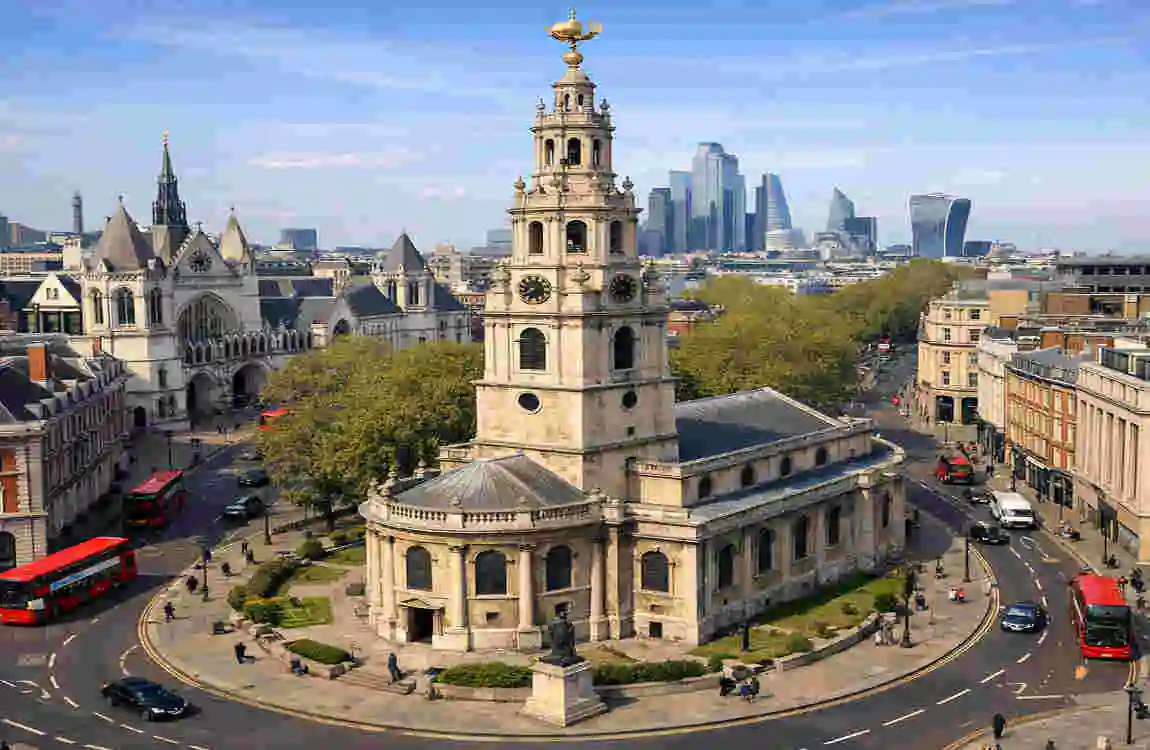
The history of St. Clement’s Dane goes back many centuries. Like many churches in London, it has seen rebuilding, restoration, and change over time. The church is known for its strong links to the city’s past and its long role in the local community.
One of the most striking parts of its history is its rebuilding after damage during the Great Fire of London and later changes over the years. The church we see today reflects both tradition and renewal. Its design is elegant, with classic church architecture that lends it a calm, serious beauty.
The building also stands out because of its close connection to the Royal Air Force. This gives St. Clement’s Dane a special identity among London churches. It is not just a historic site; it also serves as an important place of remembrance and honor.
Cultural Importance
St. Clement’s Dane has played a part in London’s religious and cultural life for a long time. Many visitors come to see a church with deep roots in the city’s story.
It is also tied to famous people, memorials, and public memory. For this reason, the church attracts not only worshippers but also students, travelers, and anyone interested in the history of central London.
The St. Clement’s Dane Church continues to matter because it combines faith, heritage, and service. That mix makes it more than just a tourist stop. It is a living part of London’s identity.
Where is St. Clement’s Dane Located?
The St. Clements Dane Location
The St Clement’s Dane location is in central London, close to major roads and well-known landmarks. It sits in the Strand area, which makes it easy to reach from several parts of the city.
Because it is in such a busy area, many visitors combine a trip to the church with other nearby sights. This makes it a convenient stop during a day in central London.
How to Get to St. Clements Dane
If you are wondering how to get to St. Clement’s Dane, public transport is usually the easiest option. The area is well connected by bus and tube, and walking is also possible if you are already nearby.
You can reach it by:
- Tube: Nearby stations in central London
- Bus: Several routes serve the Strand area
- Walking: Easy to include in a central London sightseeing route
- Taxi or car: Possible, but traffic and parking can be difficult
If you are already visiting the Strand, Covent Garden, or nearby attractions, the church is usually within a short walk.
Visiting Hours for St. Clements Dane
Standard Opening Hours
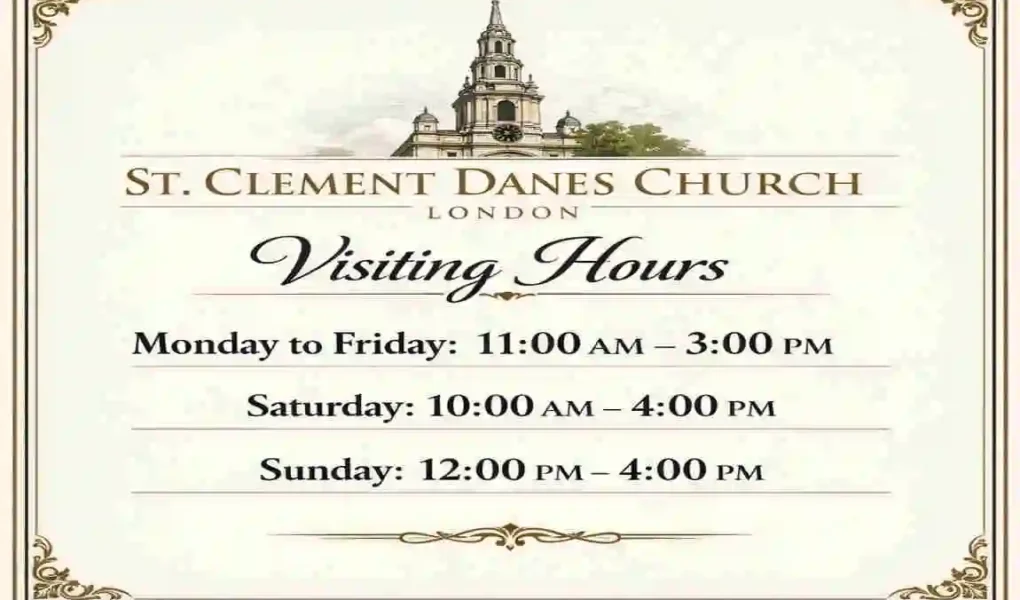
When people search for St. Clement’s Dane visiting hours, they often want a simple answer. The most important thing to know is that the church is an active place of worship, so that public access may depend on services, events, and special arrangements.
In many cases, historic churches in central London keep daytime visiting hours, but these can vary. Some days may offer open access for prayer, sightseeing, or quiet reflection. Other days may have limited entry because of services, concerts, maintenance, or private events.
That means there is no single rule that always applies. Instead, the visiting hours can shift during the week. If you are planning a visit, it is best to check the current schedule before you go.
Weekdays, Weekends, and Holidays
Weekdays are often the easiest time for casual visitors. The church may be quieter, and you are more likely to find a calm atmosphere. This is especially helpful if you want time to look around slowly and take in the details.
Weekends can be different because of worship services. Sundays are usually more service-focused so public sightseeing access may be limited before, during, or after services. If you want to visit on a Sunday, arrive with some flexibility.
Public holidays can also affect opening times. During major holidays, the church may open for special services only, close earlier than usual, or remain closed to visitors for part of the day.
Special Hours or Closures
Like many heritage churches, St. Clement’s Dane may have:
- Special service times
- Seasonal changes to access
- Temporary closures for maintenance
- Limited hours during holidays
- Private events or ceremonies
If you are traveling from far away, it is wise to avoid guessing. A quick check before leaving can save you time and disappointment.
Worship Services and Events
Services are one of the main reasons visiting hours can change. Because the church serves a worshipping community, you may not always be able to roam freely during service times.
Special events can also affect access. For example, commemorations, concerts, memorial services, or ceremonial gatherings may require parts of the building to be reserved. In those cases, visitors may still be welcome, but access could be limited.
If your goal is sightseeing, try to visit outside service times. If your goal is worship, then service hours may be exactly what you need.
Contact Information for Up-to-Date Hours
The safest way to check St. Clement’s Dane’s visiting hours is to confirm directly with the church. Schedules can change, and online details may not always reflect the latest update.
Before you travel, make sure you:
- Check the church’s current notices
- Confirm holiday opening times
- Ask about service schedules
- Verify whether guided visits are available
A few minutes of checking can make your visit much easier and more enjoyable.
Best Times to Visit St. Clements Dane

Avoiding Crowds
If you want a quieter experience, aim for weekday mornings or early afternoons when the church is less busy. These times are often best for slow visits, photography, and reflection.
If you dislike crowds, avoid peak lunch hours in central London and busy Sunday service times. The church may feel more peaceful on a weekday than on a weekend.
Seasonal Considerations
The best time to visit St. Clement’s Dane depends partly on the season. Spring and early autumn are often pleasant because the weather is comfortable and the city is easier to enjoy on foot.
Summer can be lively, but central London may be crowded. Winter can be quieter, though daylight is shorter and outdoor walking may feel colder. If you are combining the church with other nearby attractions, spring and autumn often offer the best balance.
When to Attend Special Events
Some visitors prefer to come during special services or commemorative events because they add meaning to the experience. If you are interested in the church’s Royal Air Force connection, special remembrance occasions may be especially memorable.
Here is a simple guide to help you choose:
Time to Visit Experience Best For
Weekday morning, quiet and calm. First-time visitors, reflection
Weekend service time : More active, less open access , Worshippers
Spring or autumn, comfortable weather, walking to the servicesto services. Visitors interested in traditions
What to Expect During Your Visit
Key Highlights
When visiting St. Clements Dane, you can expect a mix of beauty, history, and peace. The building itself is the main highlight, with architecture that reflects its long life and careful restoration.
Inside, you may find memorials, commemorative plaques, stained glass, and details connected to the church’s military links. These features help tell the story of both the church and the people associated with it.
Even if you only spend a short time there, the atmosphere can leave a strong impression. It is the kind of place that invites quiet attention.
Guided Tours
Guided tours may be available at certain times, but they are not offered daily. If you want a deeper understanding of what to see at St. Clement’s Dane, a guided visit can be helpful.
Tours may explain the building‘s history, its architectural details, and its role in London life. If tours are offered, booking in advance is often a smart idea.
Photography and Etiquette
Photography may be allowed in some areas, but always be respectful. A church is still a place of worship, so it is important to keep your behavior quiet and considerate.
A few simple etiquette tips:
- Keep your voice low
- Avoid blocking entrances or aisles
- Do not disturb services
- Ask before taking photos of people
- Dress neatly and respectfully
These small steps help everyone enjoy the space.
Accessibility Information
Accessibility matters for many visitors, and it is always a good idea to check in advance. Some historic churches have steps, narrow spaces, or older layouts that can affect movement.
If you need access support, ask about:
- Step-free entry
- Seating availability
- Accessible toilets
- Assistance during events
Knowing this before you go makes the visit smoother and more comfortable.
Nearby Attractions and Activities
Other Historical Sites Nearby
One of the best things about St. Clement’s Dane is its location. You can easily combine it with other sights in central London. Nearby areas like Covent Garden and The Strand offer history, culture, and lots to explore.
This makes the church a good stop within a larger sightseeing day. You do not need to plan a separate trip just for one place unless you want to.
Food and Dining Options
After your visit, you will find plenty of places nearby for a meal or coffee. Central London has cafés, pubs, bakeries, and restaurants for many budgets.
If you want a quick break, look for:
- Coffee shops for a short stop
- Casual lunch spots
- Traditional pubs
- Sit-down restaurants for a longer meal
A simple lunch nearby can turn your church visit into a relaxed half-day outing.
Shopping and Entertainment
The area around the church also offers shopping and entertainment. Covent Garden, in particular, is known for shops, street performers, and a lively atmosphere.
That makes the church a nice contrast to the busier nearby streets. You can move from quiet reflection to active city life in just a few minutes.
Tips for Planning Your Visit
What to Bring
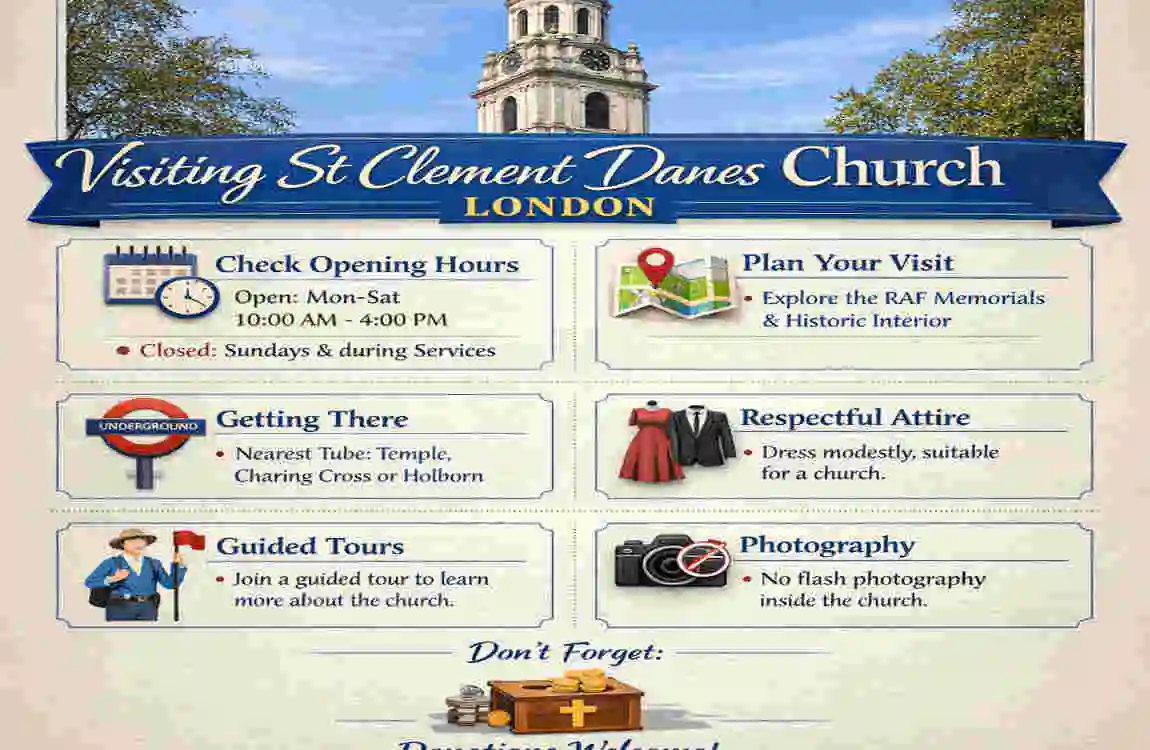
If you are planning a visit to St. Clement’s Danes, keep your bag light and practical. You do not need much, but a little preparation helps.
Bring:
- Comfortable walking shoes
- Weather-appropriate clothing
- A camera or phone for photos
- A small guide or notes, if you like history
- Water, especially if you are walking around central London
Booking in Advance
If you are visiting for a special service, group visit, or guided tour, booking in advance may help. This is especially useful during busy periods or holidays.
Planning also helps if you want to match your visit with nearby attractions on the same day.
Time Management Tips
If you only have a short time, spend around 30 to 45 minutes at the church. That is usually enough for a calm visit and a look at the main features.
If you want a slower experience, allow more time so you can sit quietly, read memorials, and enjoy the atmosphere.
Safety and security
Central London is busy, so keep an eye on your belongings, especially in crowded streets and transport areas. Inside the church, be mindful of your surroundings and follow any posted signs or staff guidance.
A few practical steps go a long way:
- Keep valuables secure
- Plan your route ahead of time
- Check transport schedules
- Stay aware of service times
Frequently Asked Questions
Is St. Clement’s Dane open on Sundays?
Often, Sundays are service days so sightseeing access may be limited. You can usually attend worship if services are open to the public, but casual visiting may be restricted.
Can I visit during service hours?
You may be able to enter respectfully, but you should avoid interrupting the service. If your aim is tourism, it is better to visit outside service times.
Is there an entrance fee?
In many cases, churches like St. Clement’s Dane are free to enter, though donations are welcome. Always check the current policy before you go.
Are pets allowed?
Pets are usually not allowed inside unless they are assistance animals. If you are bringing a service animal, confirm the church’s rules in advance.
Is St. Clement’s Dane free to visit?
Often yes, but this can depend on whether there is a special event or restricted access. It is always best to confirm before your visit.
| Day | Visiting Hours | Notes |
|---|---|---|
| Monday | 10:00 AM – 4:00 PM | Regular visiting hours |
| Tuesday | 10:00 AM – 4:00 PM | Regular visiting hours |
| Wednesday | 10:00 AM – 4:00 PM | Regular visiting hours |
| Thursday | 10:00 AM – 4:00 PM | Regular visiting hours |
| Friday | 10:00 AM – 4:00 PM | Regular visiting hours |
| Saturday | 10:00 AM – 1:00 PM | Limited hours |
| Sunday | Closed for general visits | Open only for worship services |