One of the most common questions homeowners ask during construction is, “After framing, how long to finish the house?” It is a fair question because framing is a big, visible step, but it is not the end of the project.
Once the frame is up, the home still needs plumbing, wiring, insulation, drywall, flooring, paint, fixtures, and final inspections. The exact timeline depends on the size of the house, the weather, the crew, and how quickly materials arrive.
In most cases, a house takes about 3 to 6 months after framing to finish. Smaller homes may move faster, while custom or larger homes often take longer.
What Is House Framing?
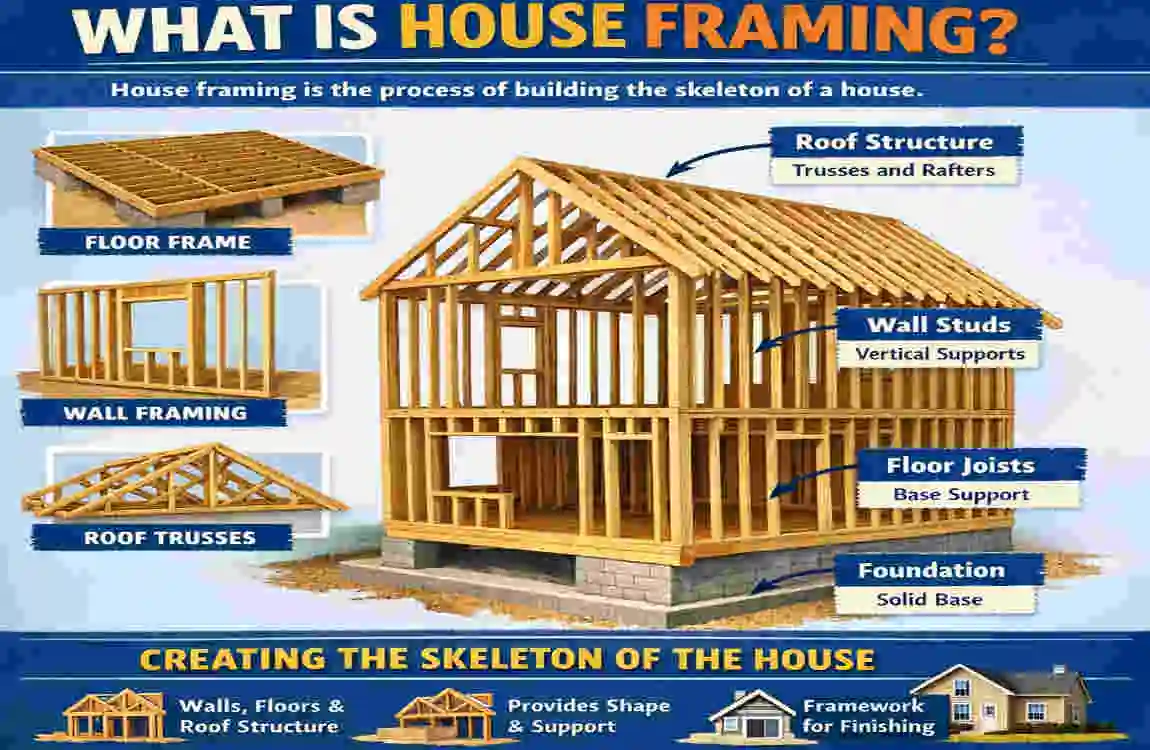
Definition of house framing
House framing is the home’s structural skeleton. It gives the house its shape and supports the roof, floors, and walls.
Why framing is a major milestone
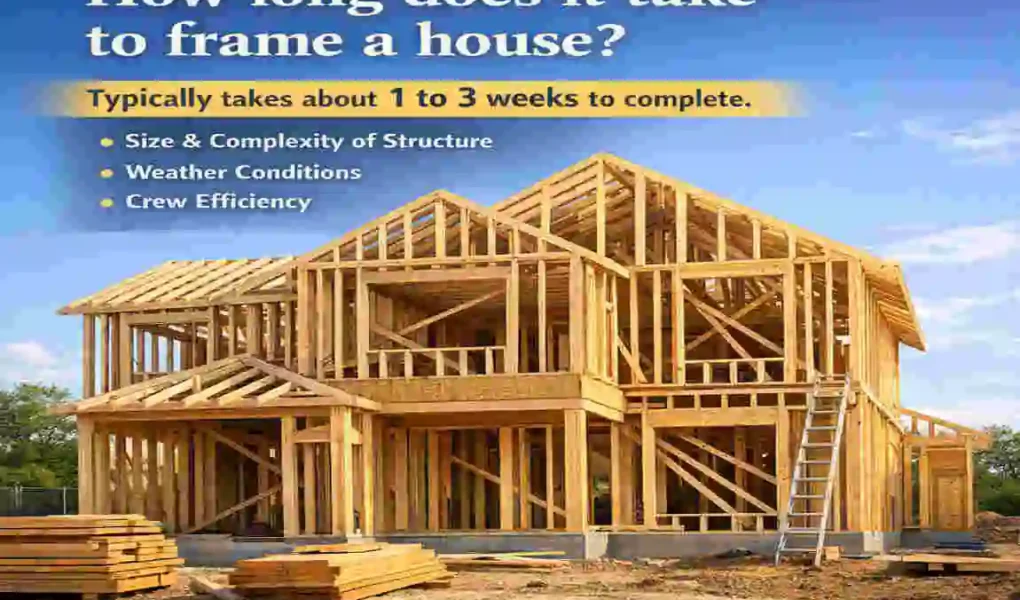
Framing is a major step because it shows the house is no longer just a plan or foundation. At this stage, the home starts to look real. You can see the layout, room sizes, windows, and roofline.
Sign framing is complete.
You usually know framing is done when:
- The full exterior skeleton is visible
- The roof structure is in place
- Window and door openings are ready
- The basic shape of the home is complete
After Framing, How Long to finish the house?
Average timeline after framing
In general, it takes 3 to 6 months after framing to finish a house. That timeline can change based on construction speed, inspections, weather, and design choices.
What still needs to happen
After framing, the builder still has to complete many important steps, such as:
- Rough plumbing
- Electrical work
- HVAC installation
- Insulation
- Drywall
- Flooring
- Cabinets and counters
- Painting
- Fixtures and appliances
- Final inspections
Small homes vs large homes
Smaller homes often finish faster because they need fewer materials and less labor. Larger, luxury, or custom homes usually take longer because they have more details and finishing work.
Step-by-Step Timeline After Framing
Rough-In Systems Installation
This stage usually takes 2 to 4 weeks. Workers install the hidden systems that run through walls, including plumbing pipes, electrical wiring, and HVAC ductwork.
This is one of the most important parts of the build. If these systems are installed correctly, the rest of the project moves more smoothly.
Roof and Exterior Finishing
This step often takes 1 to 3 weeks. The crew may finish roofing, siding, windows, and exterior doors.
This stage helps protect the home from the weather. Once the exterior is sealed, the interior work can continue with less risk of damage.
Insulation Installation
Insulation usually takes 1 to 2 weeks. It is added to walls, ceilings, and sometimes floors to help control temperature and improve energy efficiency.
This step may seem small, but it matters a lot. Good insulation can help the home stay warm in winter and cool in summer.
Drywall and Interior Walls
Drywall often takes 2 to 4 weeks. Workers hang the drywall sheets, tape the seams, apply joint compound, and sand the surface until it is smooth.
After the drywall goes up, the house starts to feel like a real home. The rooms become more defined, and the interior begins to take shape.
Interior Finishes
Interior finishing can take 4 to 8 weeks. This includes trim work, doors, cabinets, countertops, painting, and other visible details.
This stage often takes the longest because it includes many separate tasks. Even small delays here can push the finish date back.
Flooring Installation
Flooring may take 1 to 3 weeks, depending on the material. Tile, hardwood, laminate, and carpet all take different amounts of time.
Some floors need extra prep work before installation, which can add time. For example, tile may take longer because it needs careful setting and drying.
Final Fixtures and Appliances
This stage usually takes 1 to 2 weeks. Workers install lights, sinks, faucets, toilets, and appliances.
These are the finishing touches that make the house fully usable. Without them, the home may look finished but still not be ready for move-in.
Final Inspection and Walkthrough
The last step often takes 1 to 2 weeks. The builder checks the home, and the city or local office may inspect it; any small issues must be fixed.
This is also when the punch list comes in. A punch list is simply a list of small items that still need attention before the home is officially complete.
Factors That Affect How Long It Takes After Framing
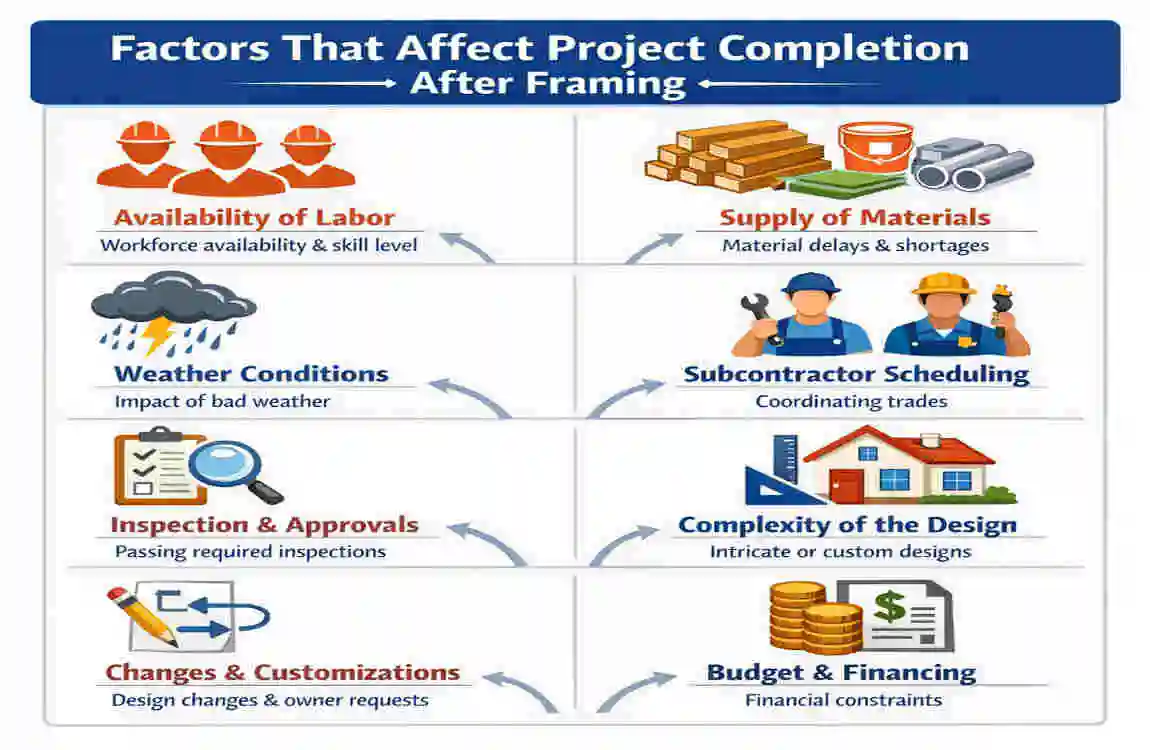
Weather delays
Rain, snow, storms, and extreme heat can slow down construction. Some jobs, especially exterior work, require good weather to proceed safely.
Permit and inspection delays
Construction often depends on local approvals. If an inspection takes longer than expected, the whole project may slow down.
Material shortages
If cabinets, flooring, appliances, or lumber are delayed, the crew may have to wait. Even a small shortage can affect the full schedule.
Labor availability
A project moves faster when the right workers are available at the right time. If the team is busy with other jobs, your house may have to wait.
House size and complexity
A simple one-story home is usually faster to finish than a large or custom-designed home. More rooms, more features, and more details mean more time.
Change orders
If you change your mind during construction, it can cause delays. New choices often mean reordering materials or changing the work plan.
How to Speed Up House Completion After Framing
Finalize decisions early
Try to choose finishes, fixtures, and layouts before construction reaches the later stages. Fewer changes usually mean fewer delays.
Order materials in advance
If possible, order important items early. That helps avoid waiting on backordered products later.
Work with experienced contractors
A skilled builder usually knows how to better manage timing. Good planning can keep the project moving.
Keep communication open
Stay in touch with your builder and ask for regular updates. Clear communication helps catch problems early.
Simple Ways to Avoid Delays
- Make choices early
- Approve plans quickly
- Check progress often
- Fix issues as soon as they appear
Common Delays Homeowners Should Expect
Even with good planning, delays can still happen. The most common ones include:
- Unexpected weather
- Backordered fixtures
- Utility connection delays
- Failed inspections
- Contractor scheduling conflicts
These delays are normal in home construction, so it helps to stay flexible and patient.
Is It Safe to Visit a House After Framing?
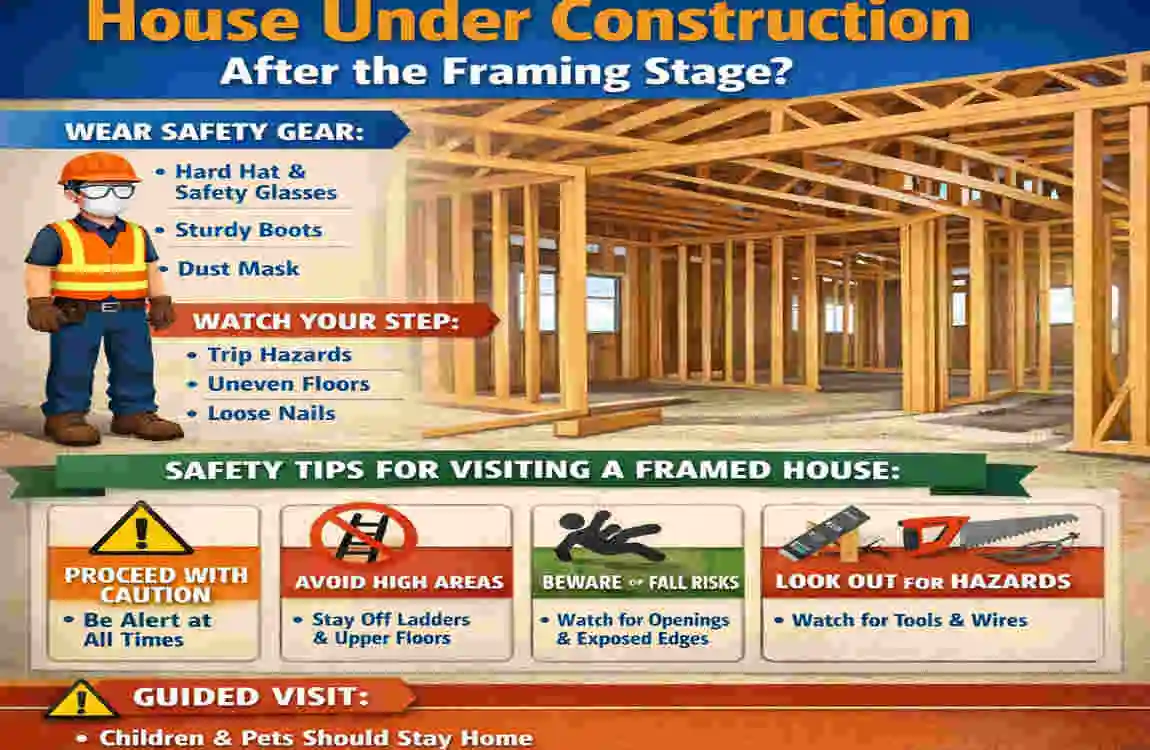
Usually, you should only visit with the builder’s permission. A framed house can still have open edges, nails, tools, and uneven surfaces.
If you do visit, wear proper shoes and avoid unfinished areas. It is best to wait for safe access and follow the builder’s rules.
FAQ
After framing, how long to finish house construction?
Most homes take 3 to 6 months after framing, depending on size, weather, and labor availability.
What comes after framing a house?
After framing, the next steps are rough plumbing, electrical work, HVAC, insulation, drywall, flooring, and interior finishes.
Can a house be completed in 2 months after framing?
It is possible for a very small home, but most houses need more than 2 months.
Why does construction slow down after framing?
The work becomes more detailed and depends on inspections, material delivery, and specialized labor.
Does the weather affect the completion of a house after framing?
Yes, bad weather can delay both exterior and interior work, especially if the home is not fully sealed yet.
| House type | Time to finish framing |
|---|---|
| Small, simple home | 1–2 weeks |
| Average single-family home | 2–4 weeks |
| Larger or custom home | 4–6 weeks or more |