
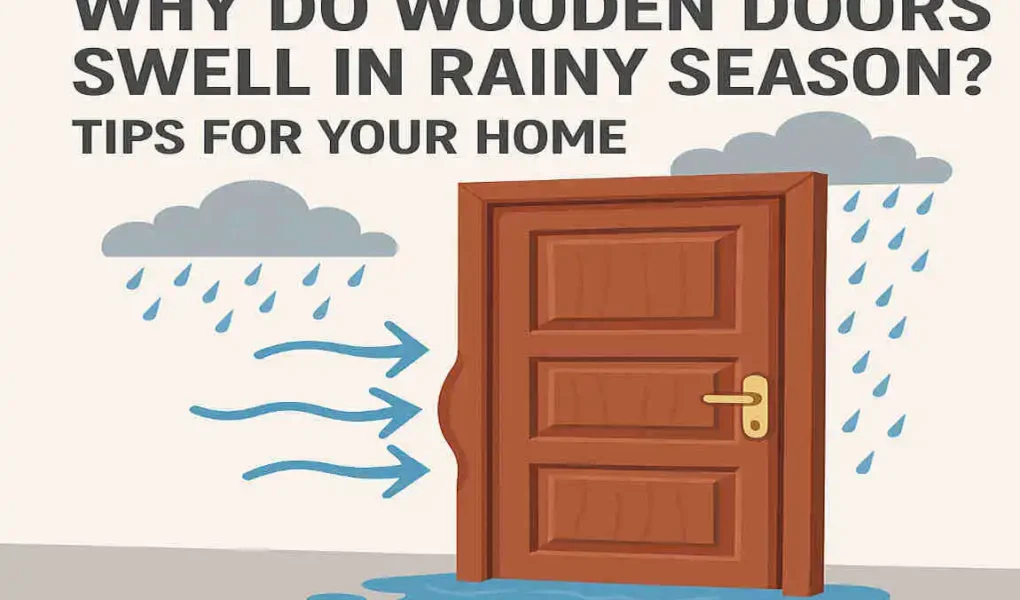
Wooden doors add warmth and charm to any home, but during the rainy season, many homeowners notice a frustrating problem: wooden doors swell. This swelling can make doors hard to open or close, affect their appearance, and even cause damage over time.
Understanding why wooden doors swell in the rainy season is essential. Knowing the reasons behind this common issue helps you protect your doors and keep your home improvement looking and functioning beautifully.
What Happens to Wooden Doors During the Rainy Season?
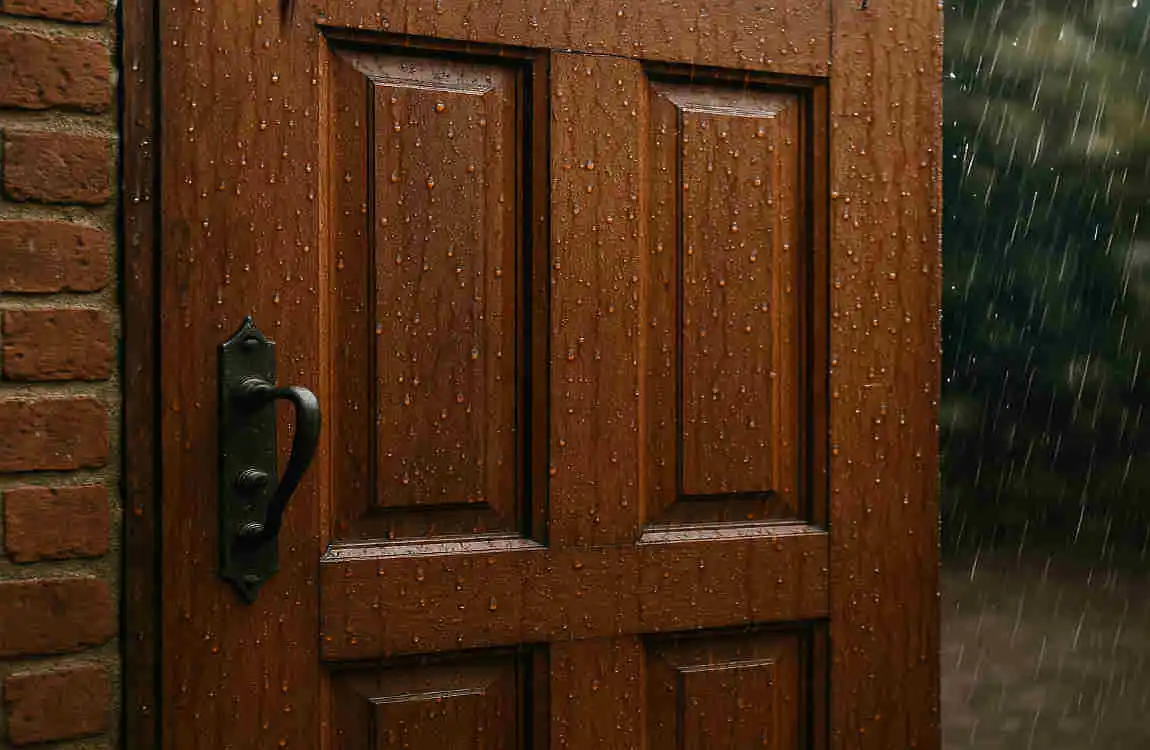
Wood behaves like a living material. It’s porous and naturally absorbs moisture from the air and surroundings. When the rainy season arrives, the air becomes humid, and water exposure increases — this triggers changes in wooden doors.
Wood’s Moisture Absorption Properties
Wood is hygroscopic, meaning it absorbs and releases moisture depending on the environment. When humidity rises, wood pulls in moisture, causing it to expand or swell. Conversely, in dry conditions, it loses moisture and shrinks.
The Swelling Process
When wooden doors absorb moisture:
- The wood fibers swell, increasing the door’s thickness.
- Swelling can cause doors to stick in the frame.
- The door edges may warp or bend.
- Locks and latches may no longer align, making closing or opening difficult.
Visual and Functional Impacts
Swelling doesn’t just affect how a door works; it changes how it looks, too. You might notice:
- Cracks are appearing due to uneven expansion.
- Gaps are closing or opening awkwardly.
- Paint or finish peeling as the wood moves.
Why Do Wooden Doors Swell in the Rainy Season? (Focus Keyword Section)
Let’s get into the heart of the matter: why do wooden doors swell in the rainy season?
Wood is Hygroscopic
Wood acts like a sponge with moisture. In rainy months, the air’s relative humidity often jumps above 80%, causing wood to absorb water vapor from the atmosphere.
Increased Humidity During Rainy Season
High humidity saturates both indoor and outdoor air. Even if your door isn’t directly rained on, moisture finds its way through small gaps, cracks, or worn finishes.
Water Infiltration Through Door Joints and Cracks
- Door edges, joints, and gaps are vulnerable spots.
- If the protective paint or varnish wears off, water easily penetrates.
- Doors near open windows or poorly sealed frames face more water exposure.
Types of Wood More Prone to Swelling
Some woods absorb moisture more readily. For example:
Wood Type Swelling Tendency Notes
Pine High Softwood, more porous
Teak is a low-density hardwood, naturally oily
Oak Moderate Hard, but can absorb moisture
Mahogany Low to Moderate Dense, suitable for humid conditions
Choosing the right wood can reduce swelling issues.
Poor Door Treatment and Maintenance
If doors aren’t sealed, painted, or maintained regularly, their surfaces become porous and vulnerable. This neglect accelerates moisture absorption and swelling.
Signs That Your Wooden Door is Swelling
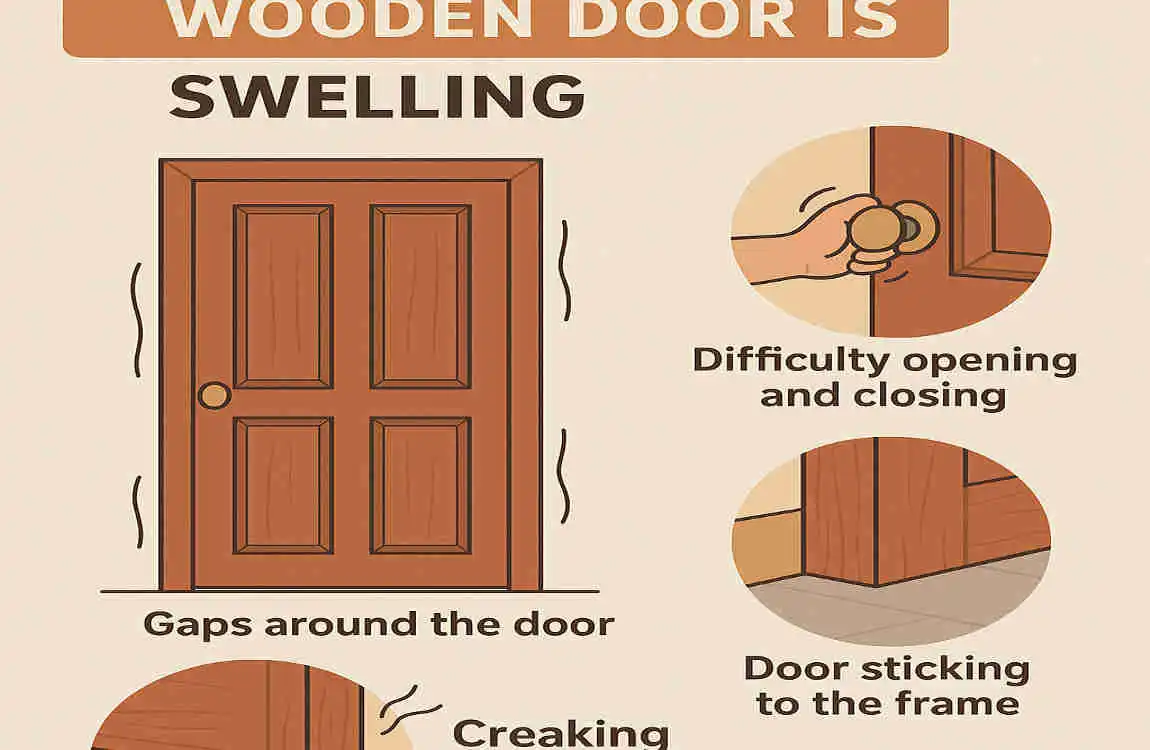
Spotting swelling early can save you from bigger problems. Here’s what to look for:
Physical Signs
- The door is rubbing against the frame when opening or closing.
- Visible bulging or warping along the edges.
- Sticky or jammed locks and latches.
- Cracks or peeling paint on the door surface.
Impact on Door Performance and Home Security
A swollen door can:
- Compromise your home’s security by not closing correctly.
- Let in drafts and moisture, affecting indoor comfort.
- Causes additional wear on hinges and locks.
When Swelling Becomes Critical
If you notice persistent sticking or warping despite efforts to control moisture, it’s time to act. Prolonged swelling can lead to permanent damage or costly replacements.
Common Mistakes Homeowners Make That Cause or Worsen Door Swelling
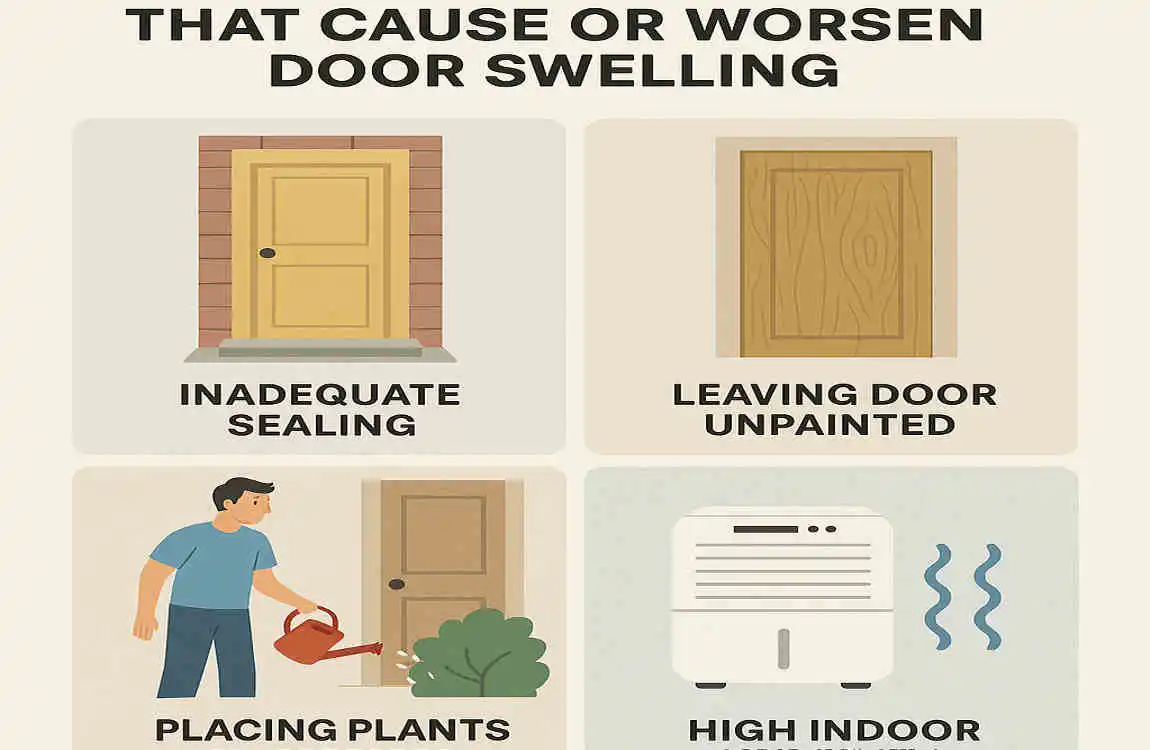
Many swelling problems stem from avoidable errors. Here are some common pitfalls:
Neglecting Weatherproofing and Sealing
Skipping proper sealing leaves wood exposed to moisture. Even small cracks in paint allow water in.
Using Inappropriate Paint or Varnish
Some finishes aren’t designed for outdoor moisture or high humidity. Using the wrong product can trap moisture inside or peel off quickly.
Improper Installation and Fitting
Doors that don’t fit well or have gaps invite moisture inside. Incorrect installation can also cause uneven pressure, worsening swelling.
Lack of Maintenance and Inspections
Ignoring regular checks before and during the rainy season can let minor swelling become a significant issue.
Practical Tips to Prevent Wooden Doors from Swelling in the Rainy Season
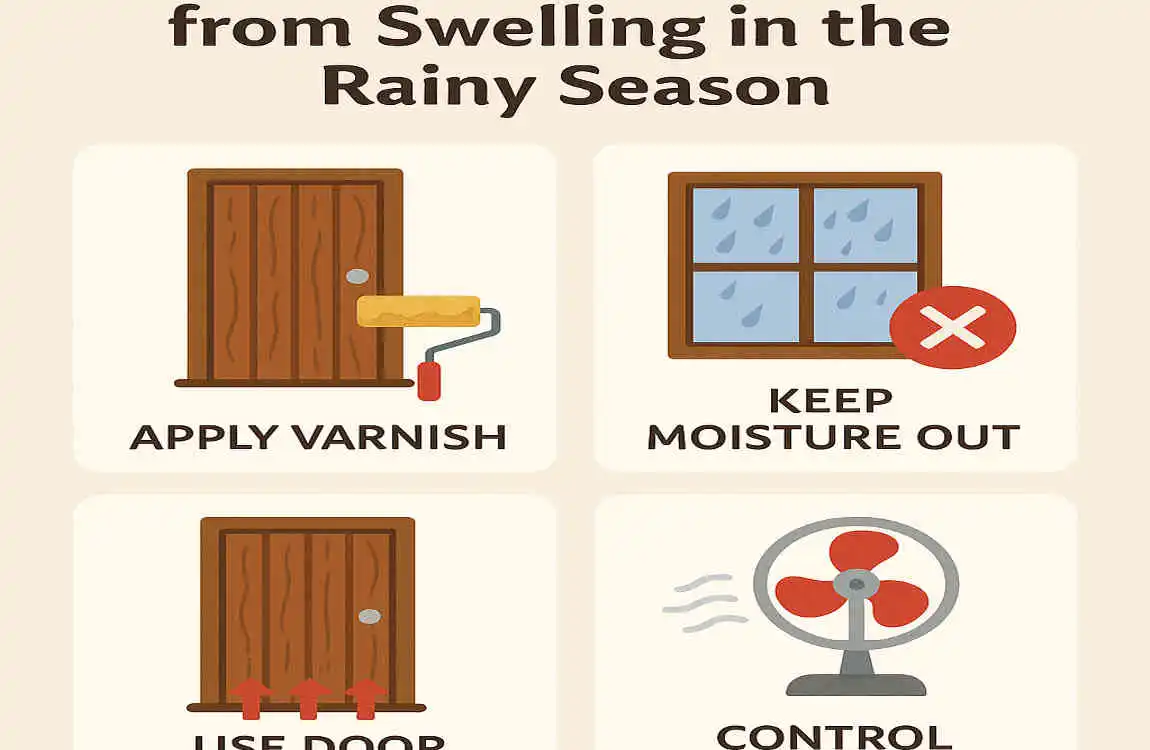
Prevention is always better than repair. Here’s how you can protect your wooden doors:
Pre-Rainy Season Maintenance Checklist
- Inspect doors for cracks, peeling paint, or gaps.
- Sand and repaint or reseal damaged areas.
- Check and replace weather stripping if needed.
Proper Sealing and Finishing Techniques
- Use exterior-grade sealants and varnishes.
- Apply multiple coats for better protection.
- Seal edges and joints carefully.
Installation Best Practices for Water Resistance
- Ensure a tight fit with even gaps.
- Use door sweeps and thresholds to block water.
- Avoid direct contact with wet surfaces.
Use of Weather Stripping and Door Sweeps
These help seal gaps between the door and frame, reducing moisture entry and drafts.
Choosing Wood Types and Finishes Suited for Humid Climates
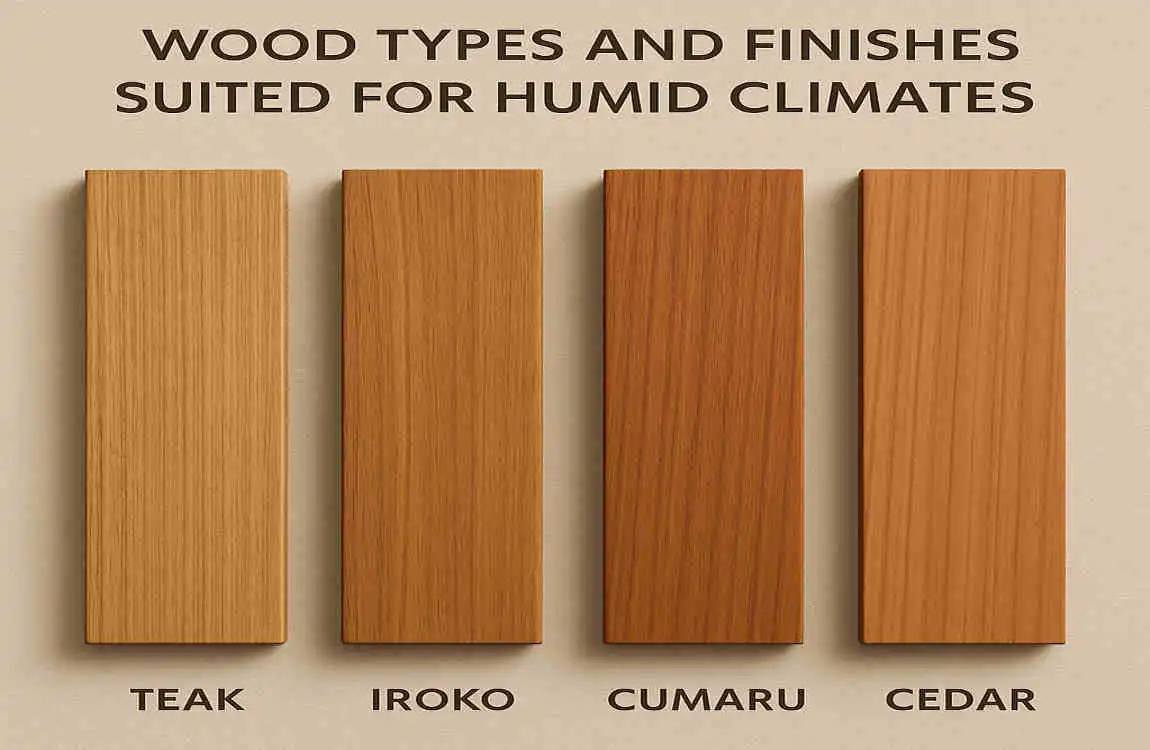
Opt for naturally dense woods like teak or mahogany and finishes designed to resist moisture.
How to Fix a Swollen Wooden Door
If your door has already swollen, don’t worry. Here’s how to address it:
Step-by-Step DIY Approaches for Minor Swelling
- Remove the door from its frame carefully.
- Use sandpaper or a hand planer to shave off the swollen areas.
- Sand down edges evenly to ensure a smooth fit.
- Reapply waterproof sealant or paint on all surfaces.
- Let the door dry completely before rehanging.
Why Do Wooden Doors Swell in the Rainy Season? FAQ
Why do wooden doors swell during the rainy season?
Wood is a porous material that absorbs moisture from the air. During the rainy season, increased humidity causes the wood to expand, leading to swelling.
What happens when wood absorbs moisture?
When wood absorbs moisture, its fibers expand, making the door larger and harder to open or close properly.
Does all wood swell the same way?
No, the extent of swelling depends on the type of wood, its treatment, and whether it is properly sealed or coated.
How can I prevent wooden doors from swelling?
- Use waterproof coatings or varnish.
- Ensure proper ventilation indoors.
- Fit weatherstrips to reduce moisture exposure.
How can I fix a swollen door?
- Sand the door slightly to reduce the size.
- Apply a sealant or varnish to prevent future swelling.
- Use a dehumidifier to reduce indoor moisture levels.