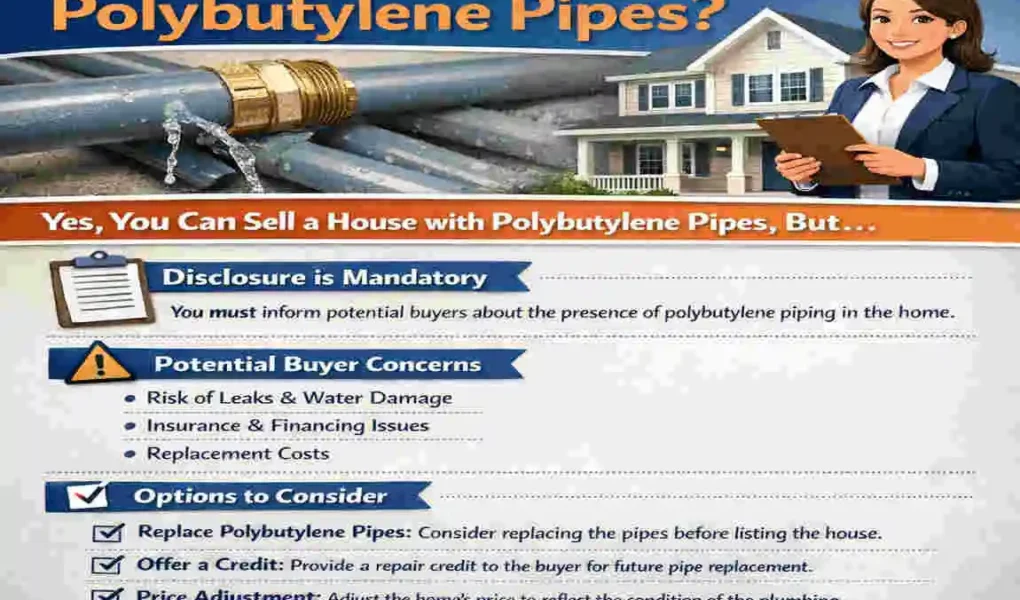
Selling a house can already be a complex process, but when your home has polybutylene pipes, things can get a little more challenging. If you’ve recently asked yourself, “Can you sell a house with polybutylene pipes?”, you’re not alone. Many homeowners are unaware of how these pipes can impact their home sale.
What Are Polybutylene Pipes?

A Brief History of Polybutylene Pipes
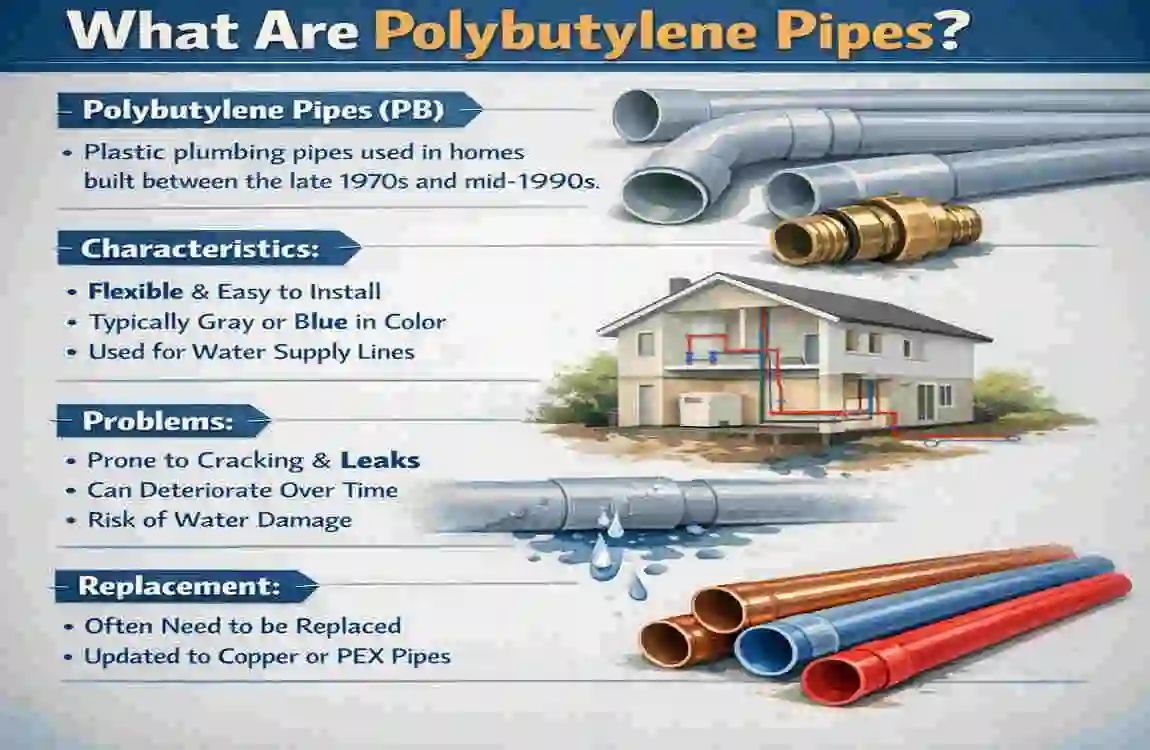
Polybutylene pipes are a type of plastic plumbing material that was widely used in homes built between the late 1970s and mid-1990s. They were popular in both the United States and Canada due to their affordability and ease of installation compared to traditional materials like copper.
Why Were They Popular?
During their peak usage, polybutylene pipes were hailed as a cost-effective and innovative solution for residential plumbing. Builders and contractors favored them because they were lightweight, flexible, and significantly cheaper than alternatives.
What Went Wrong?
Unfortunately, over time, it became clear that polybutylene pipes were prone to serious issues:
- Chemical Reactions: Exposure to chlorine and other chemicals in water caused the home pipes to become brittle.
- Leaks and Failures: Cracks, leaks, and ruptures became common, leading to water damage in homes.
- Short Lifespan: Unlike copper or modern PEX piping, polybutylene pipes had a much shorter lifespan.
These problems eventually led to lawsuits and a decline in the use of polybutylene pipes by the mid-1990s.
Why Do Polybutylene Pipes Create Concerns for Homebuyers?
When it comes to real estate, polybutylene pipes are a big red flag for buyers. Let’s explore why.
Common Buyer Concerns
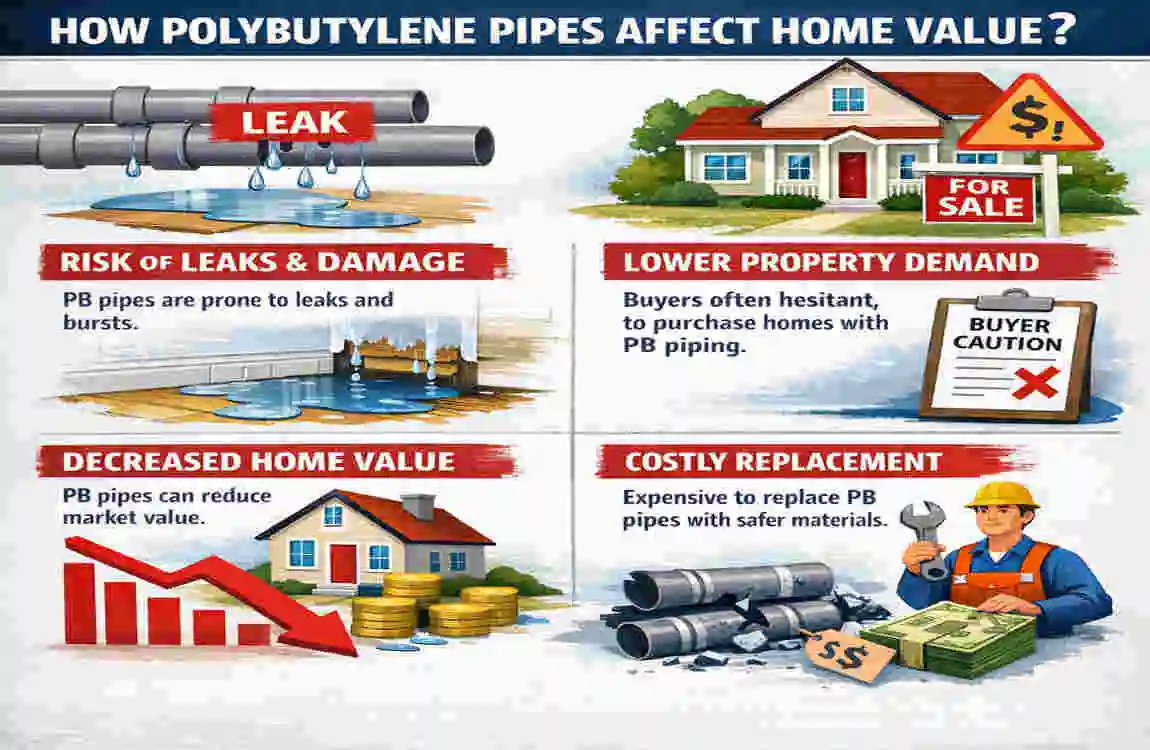
- Risk of Leaks and Damage: Buyers worry about the potential for costly water damage caused by leaks or pipe bursts.
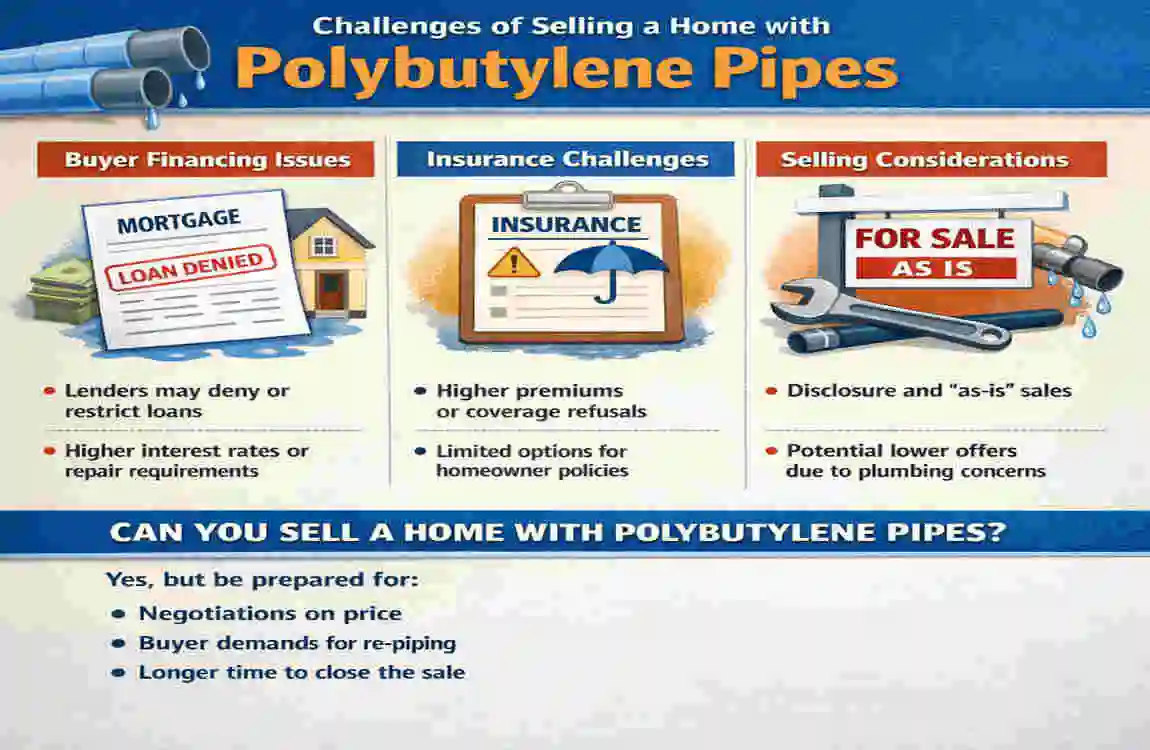
- Insurance Challenges: Many insurance companies are hesitant to cover homes with polybutylene pipes, or they may charge higher premiums.
- Reputation Issues: Polybutylene pipes have a notoriously bad reputation in the real estate market, which can scare off cautious buyers.
Inspections and Buyer Confidence
During the home inspection process, polybutylene pipes are often flagged as a significant issue. Even if the pipes are currently functioning, buyers may assume they will eventually fail, leading to hesitation and requests for repairs or price reductions.
A Widespread Problem
Awareness of polybutylene pipes has grown over the years, and most buyers now understand their risks. This makes it even more important for sellers to address these concerns proactively.
Can You Sell a House with Polybutylene Pipes?

The short answer is yes, you can sell a house with polybutylene pipes. However, there are some critical factors to keep in mind.
Legal Perspective: Disclosure is Key
In most states, sellers are legally required to disclose the presence of polybutylene pipes if they’re aware of them. Failing to disclose this information can lead to:
- Legal Liability: Buyers can sue for damages if they discover undisclosed polybutylene pipes after the sale.
- Broken Deals: If buyers find out during inspections, they may back out of the purchase.
Local Regulations
Some states have stricter disclosure laws than others. It’s essential to consult with a real estate attorney or agent to ensure you’re meeting your legal obligations.
How Do Polybutylene Pipes Affect Home Value and Marketability?
Polybutylene pipes can significantly impact the value and marketability of your home. Here’s how:
Impact on Home Value
Homes with polybutylene pipes often sell for less than comparable homes with updated plumbing systems. Buyers may request price reductions to account for the cost of replacing the pipes, which can range from $5,000 to $15,000 or more, depending on the size of the home.
Prolonged Time on Market
Homes with polybutylene pipes may take longer to sell, as buyers are more cautious and inspections can delay the process.
Negotiations and Repairs
Real estate agents often advise sellers to either replace the pipes or be prepared to negotiate repair credits. Transparency and preparation can make a big difference in how buyers perceive the property.
Disclosure: What Sellers Must Know and Do

Why Disclosure Matters
Honest disclosure isn’t just the right thing to do—it’s legally required in most cases. Being upfront about the condition of your home can:
- Build Buyer Trust: Transparency reassures buyers that you’re being honest.
- Prevent Legal Issues: Failing to disclose can lead to lawsuits and financial penalties.
Tips for Responsible Disclosure
- Get an Inspection: Hire a professional plumber to inspect your pipes and provide a detailed report.
- Provide Documentation: Share inspection reports or repair records with potential buyers.
- Be Transparent: Clearly state the presence of polybutylene pipes in your disclosure forms.
Options for Sellers: Should You Replace Polybutylene Pipes Before Selling?
One of the biggest decisions sellers face is whether to replace polybutylene pipes before listing their home. Let’s weigh the pros and cons.
Benefits of Replacing the Pipes
- Increased Marketability: Buyers are more likely to make offers on homes with updated plumbing.
- Higher Sale Price: Homes with new pipes can command higher prices.
- Peace of Mind: Replacing the pipes eliminates the risk of future failures.
Costs of Replacement
Replacing polybutylene pipes can cost between $5,000 and $15,000, depending on the size of your home and the complexity of the plumbing system.
Alternatives to Full Replacement
- Pipe Lining: A less invasive option that reinforces existing pipes.
- Partial Replacement: Replacing only the most critical sections of the plumbing system.
- Offering Warranties: Providing a home warranty that covers plumbing repairs.
How to Prepare Your House with Polybutylene Pipes for Sale

If replacing the pipes isn’t an option, here are some steps to prepare your home for sale:
- Get a Plumbing Inspection: A professional inspection can reassure buyers about the current condition of the pipes.
- Repair Damage: Fix any visible water damage caused by past leaks.
- Offer Incentives: Provide repair credits, warranties, or escrow accounts to address buyer concerns.
- Highlight Strengths: Focus on other attractive features of your home, such as location, upgrades, or landscaping.
Negotiation Strategies When Selling a Home with Polybutylene Pipes
Selling a home with polybutylene pipes often involves some level of negotiation. Here’s how to handle it effectively:
Common Buyer Requests
- Repair Credits: Buyers may ask for a price reduction to cover the cost of replacing the pipes.
- Concessions: Offering to cover part of the repair costs can help close the deal.
Tips for Successful Negotiation
- Work with a Real Estate Agent: An experienced agent can help you navigate buyer requests and position your home effectively.
- Be Flexible: Be open to reasonable offers, but don’t undersell your property.
- Prepare Documentation: Use inspection reports and estimates to support your negotiation position.
Frequently Asked Questions About Selling Homes with Polybutylene Pipes
Can I get home insurance with polybutylene pipes?
Yes, it is possible to get home insurance if your home has polybutylene pipes, but it might not be straightforward. Many insurance companies are hesitant to insure homes with polybutylene pipes due to their history of failures and the risk of water damage. Some insurers may:
- Charge higher premiums to offset the potential risk.
- Require an inspection to determine the current condition of the pipes.
- Refuse coverage entirely unless the pipes are replaced.
If you’re struggling to find coverage, working with an independent insurance broker can help you explore more flexible options.
How much does it cost to replace polybutylene pipes?
Replacing polybutylene pipes can be a significant investment, but it often pays off in the long run. The typical replacement cost ranges from $5,000 to $15,000, depending on:
- The size of your home and plumbing system.
- The complexity of the replacement (e.g., accessibility of the pipes).
- The type of material used for the new piping (e.g., PEX or copper).
While it’s a major expense, replacing the pipes can increase your home’s value and eliminate concerns for potential buyers.
Will polybutylene pipes fail soon?
The likelihood of failure depends on the age of the pipes, their exposure to chemicals in the water, and the overall condition of the plumbing system. Polybutylene pipes are known to degrade over time, especially when exposed to:
- Chlorine and other chemicals in municipal water systems.
- High water pressure, which can cause cracks or bursts.
If your home still has its original polybutylene pipes, the risk of failure is much higher. A professional plumbing inspection can provide a clearer picture of their condition.
Are buyers always turned off by polybutylene pipes?
Not all buyers will be immediately deterred by polybutylene pipes, but many will see them as a significant concern. Buyers who are aware of the risks may:
- Request price reductions to cover the cost of pipe replacement.
- Ask for repair credits or other concessions to mitigate the risk.
- Be hesitant to move forward, especially if they plan to finance the purchase through lenders or insurers who are wary of polybutylene pipes.
However, buyers can still be convinced if you address their concerns transparently and offer solutions, such as inspections, warranties, or repair credits.
What disclosures are legally required?
In most states, sellers are required to disclose known material defects about their property, which typically includes the presence of polybutylene pipes. Disclosure requirements vary depending on your location, but in general:
- Sellers must inform buyers about the pipes if they know about them.
- Failure to disclose could lead to legal disputes or lawsuits if the buyer discovers the issue after closing.
- Providing inspection reports or documentation about the pipes’ condition can help fulfill your disclosure obligation.
Consult a real estate attorney or your agent to ensure you comply with local disclosure laws.
Can I sell my home as-is with polybutylene pipes?
Yes, you can sell your home as-is, even if it has polybutylene pipes. However, selling as-is means you’re not responsible for making repairs or upgrades, which could result in:
- A lower selling price, as buyers may factor in the cost of replacing the pipes.
- Fewer interested buyers, since many prefer move-in-ready homes.
- More negotiations, as buyers may request concessions or credits to cover future pipe replacement.
If you choose to sell as-is, disclosing the presence of polybutylene pipes is still essential to avoid legal complications.
Are there cheaper alternatives to full pipe replacement?
Yes, there are alternatives to a full pipe replacement, but they may not provide the same level of reliability. Some common options include:
- Pipe Lining: A process where a protective coating is applied to the inside of the pipes to reinforce them. This is less invasive but may not be suitable for pipes with significant damage.
- Partial Replacement: Only replacing sections of the plumbing system that are most at risk.
- Home Warranties: Offering a warranty to cover repairs or replacements can help reassure buyers.
While these alternatives may save money, they might not completely eliminate buyer concerns.
Will replacing polybutylene pipes increase my home’s value?
Yes, replacing polybutylene pipes can positively impact your home’s value and marketability. Buyers are more likely to make competitive offers on homes with updated plumbing systems, knowing they won’t have to deal with future repairs or insurance issues. Additionally, replacing the pipes can:
- Shorten the time your home spends on the market.
- Reduce negotiation hurdles, as buyers won’t need concessions for plumbing repairs.
- Provide peace of mind to both buyers and lenders.