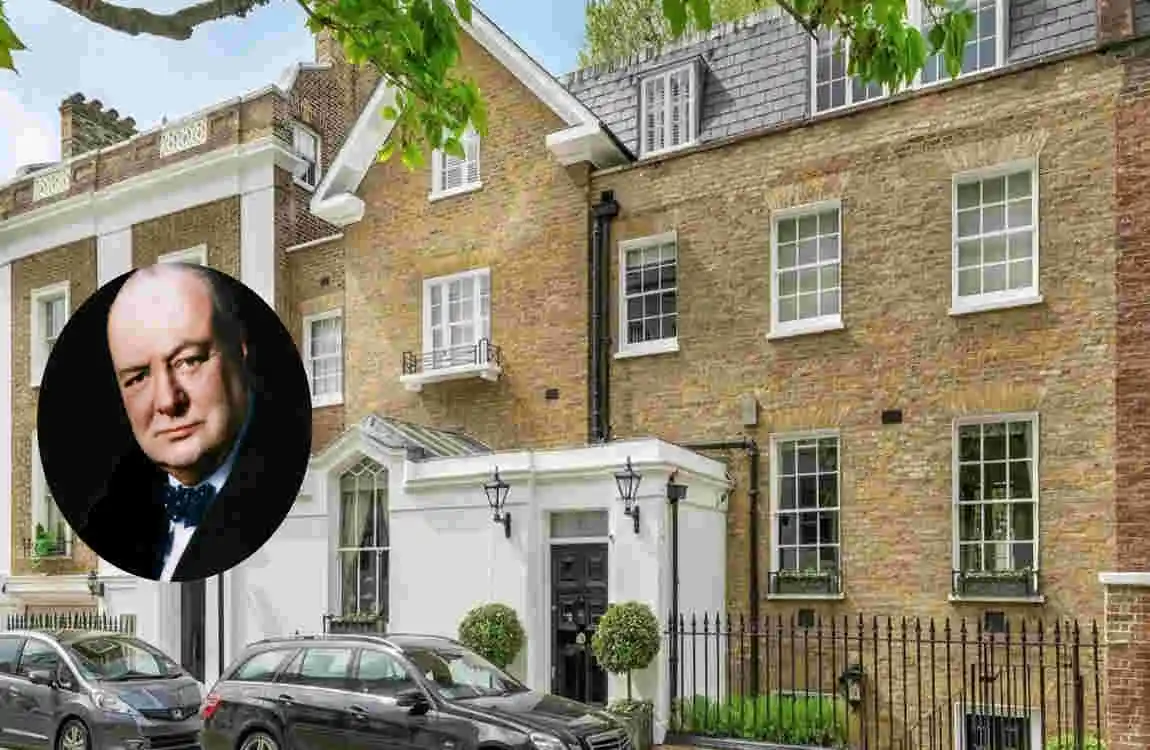
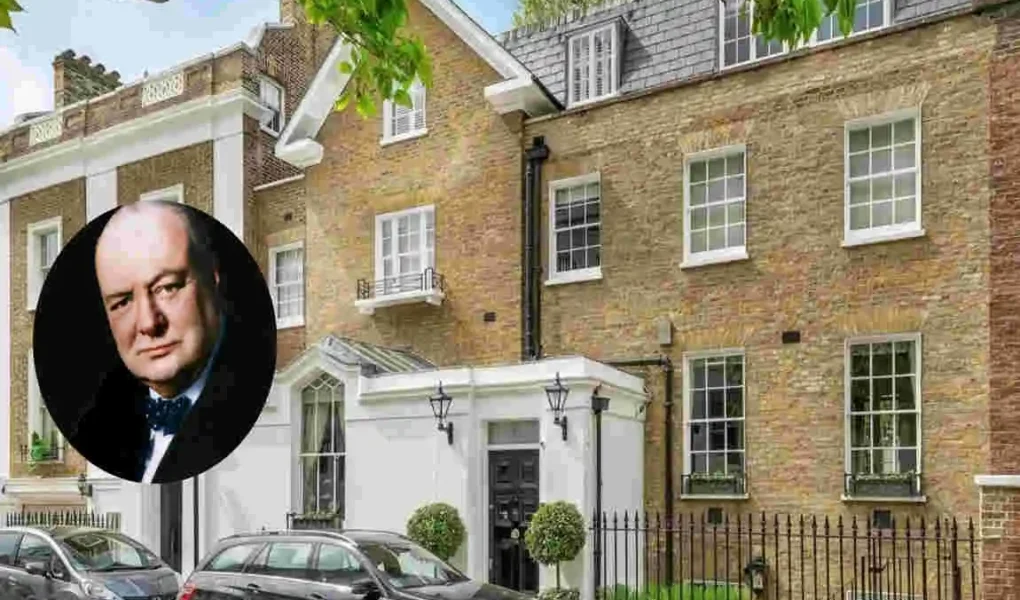
Chartwell House in Kent is the beloved country estate where Winston Churchill lived for over four decades and raised his family, now preserved as a historic National Trust property.
Tucked into the rolling hills near Westerham, this red‑brick Victorian‑style home offers a rare glimpse into Churchill’s private life, from his study and studio to the gardens he designed and tended himself.
History of Winston Churchill’s House: From Purchase to Legacy
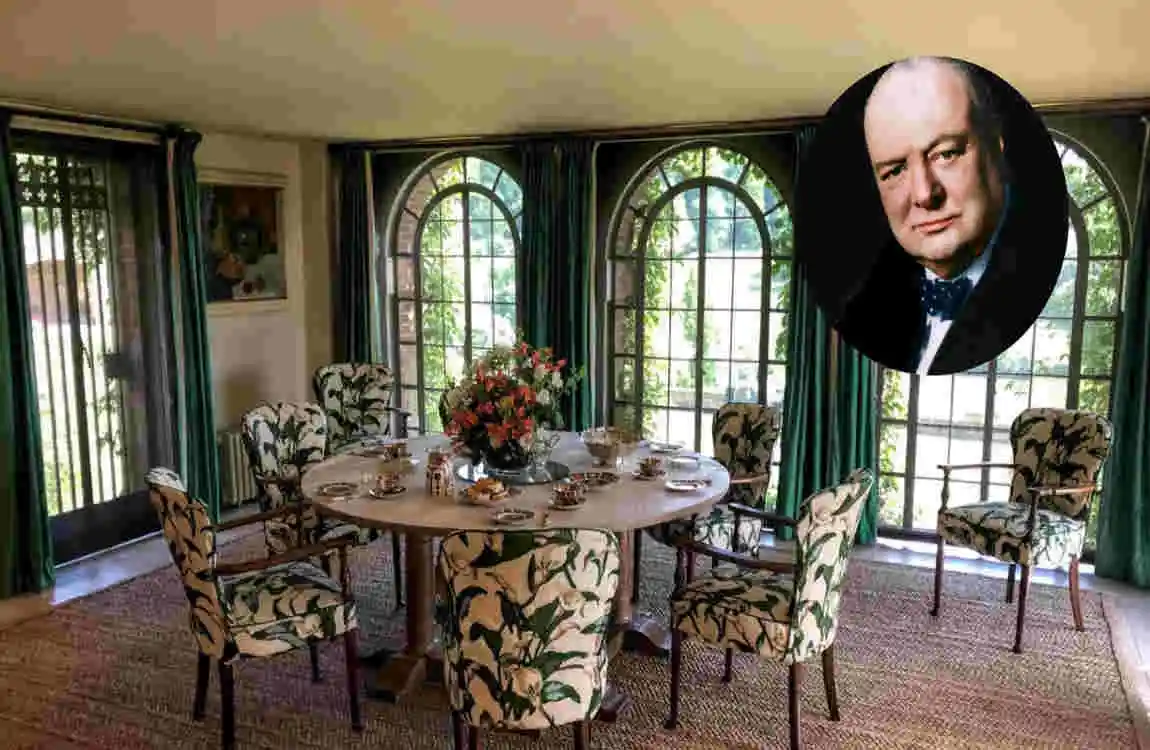
Every great home has a story, and the Winston Churchill house has one of the best. The journey of Chartwell from a rundown property to a national treasure is filled with passion, struggle, and incredible resilience.
Let us break down the fascinating timeline of how this Kent estate became a legend.
The 1922 Early 20th-Century Acquisition
In 1922, Winston Churchill stumbled upon a property that would change his life forever. He bought the sprawling Kent estate for a mere £5,000.
At the time, the house was quite rundown and needed extensive work. His wife, Clementine, was actually quite hesitant about the purchase. She worried about the immense cost of fixing up such a giant, neglected property.
However, Churchill completely fell in love with the sweeping views of the Weald valley. He saw endless potential in the overgrown grounds.
The family soon moved in, despite facing significant financial woes. They poured their hearts into making the Churchill family home a true sanctuary away from the chaos of London politics.
Interwar Transformations and Renovations
During the years between the two World Wars, Churchill did not just sit still. He completely transformed the property.
He hired architects to remodel the somewhat ugly Victorian exterior into an elegant, warm family home. He also loved getting his own hands dirty.
Churchill personally built the famous goldfish pool, laying the bricks himself. He added a specialized art studio where he could escape to paint.
He also planted extensive gardens, turning the grounds into a bustling hub of family activity. This era turned the Winston Churchill house into a place of laughter, creativity, and intense political debate.
WWII Evacuation and the Triumphant Return
When World War II broke out in 1939, life at Chartwell changed drastically. Because the house was so close to the English Channel, it became a prime target for enemy bombers.
The estate was too dangerous for the Prime Minister. In 1940, the family was forced to vacate their beloved modern home temporarily. They moved to safer, secret locations closer to London.
The house sat quietly during the war, waiting for its master to return. After the war ended, Churchill faced severe financial troubles and almost had to sell Chartwell.
Thankfully, a group of wealthy friends and public donations stepped in. They repurchased the estate in 1946 and gifted it to the National Trust, on the condition that Churchill could live there until his death.
The Post-Churchill Era and Preservation
Winston Churchill passed away in 1965. Just a year later, in 1966, the National Trust officially opened the Winston Churchill house to the public.
Clementine Churchill worked closely with the Trust to ensure the home looked exactly as it did in its prime. She wanted visitors to feel like her husband had just stepped out for a walk.
Today, it stands as an incredible museum. It preserves the memory of a man who shaped the modern world, right from his favorite armchair in Kent.
Architectural Marvels of the Winston Churchill House
When you visit the Winston Churchill Kent estate, the first thing you notice is the striking architecture. It perfectly blends grand, stately design with cozy, personal touches.
Let us take a closer look at what makes Chartwell’s physical structure so incredibly special.
Exploring the Main House Layout
The main house features a beautiful, modified Georgian-style exterior. It boasts warm red bricks and large windows that let in plenty of natural light.
Inside, the layout is remarkably intimate for such a large manor. You will find five primary bedrooms, each decorated in the simple yet elegant style of the 1930s.
The absolute heart of the home is the library. This room is lined from floor to ceiling with thousands of books.
Next door is the drawing room, featuring Churchill’s massive wooden writing desk. When you stand in this room, you can almost hear the scratch of his pen drafting history-making speeches.
Unique Extensions and Additions
Churchill was never satisfied with leaving things as they were. He constantly dreamed up new extensions for the property.
His most famous addition is the purpose-built painting studio. He designed it with massive skylights to catch the perfect afternoon sun.
This studio sits on a slope overlooking the gorgeous Weald valley, offering endless inspiration for his canvases.
He also added a charming lakeside boathouse. This little structure gave the family a place to store their small boats and enjoy lazy summer afternoons on the water.
Unforgettable Interior Highlights
The interior of the Winston Churchill house is like a time capsule. Because it was preserved so carefully, you get to see the home exactly as the family lived in it.
You will spot original furnishings, deeply worn armchairs, and beautiful Persian rugs. The walls are adorned with his own vibrant paintings.
You will also find fascinating personal items scattered throughout. Wartime maps still hang on the walls where he studied troop movements.
You can even see his famous cigars resting in custom humidors. These small details make the house feel incredibly alive and welcoming.
Stunning Kent Estate Features
The architecture of Chartwell does not stop at the front door. The 80-acre grounds are a masterclass in landscape design.
As you wander the estate, you will find terraced lawns that step down gracefully toward the lakes.
There are sprawling orchards filled with apple and pear trees. You will also discover beautifully structured walled gardens, which protected delicate flowers from the harsh English wind.
Every brick wall, pathway, and planted tree feels like a natural extension of the main house.
Daily Life at Winston Churchill’s Kent Family Estate
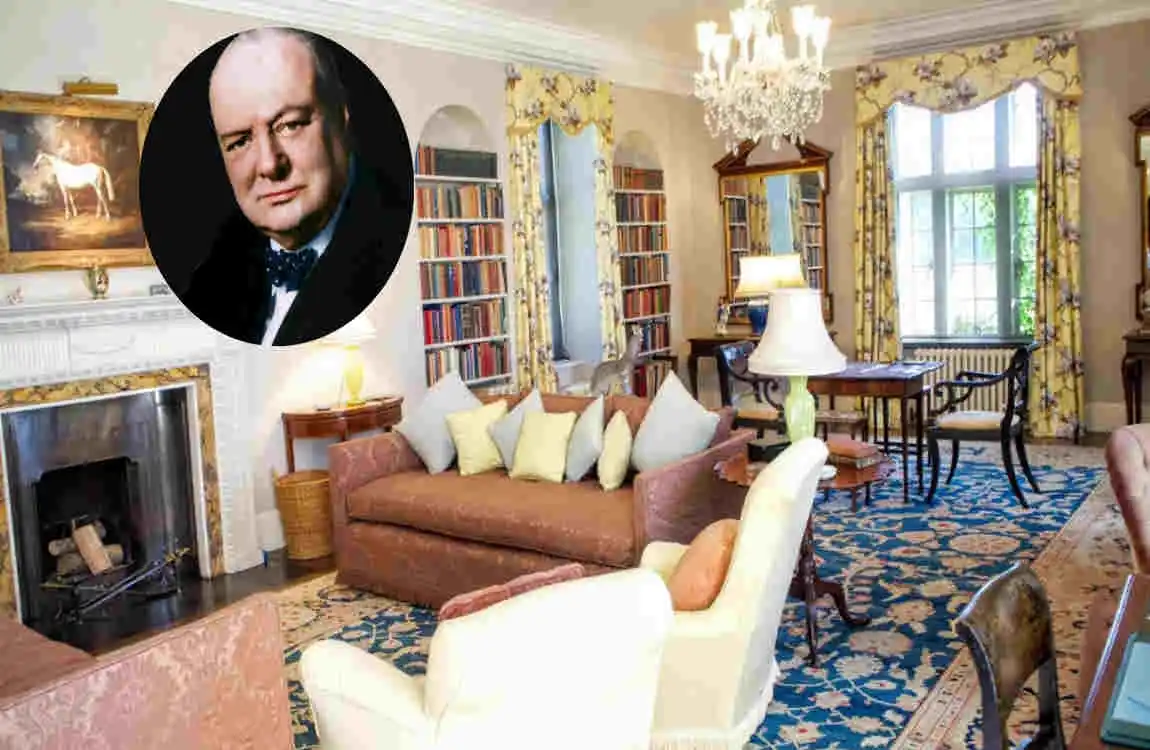
What was it actually like to live in the Winston Churchill house? While he was a giant on the world stage, at Chartwell, he was simply a husband, a father, and a passionate hobbyist.
Let us peel back the curtain and look at the daily rhythms that brought this estate to life.
Churchill’s Unique Daily Routines
Winston Churchill was definitely not a morning person in the traditional sense. He usually woke up around 7:30 AM, but he stayed in bed for hours.
He would eat a hearty breakfast, read several newspapers, and dictate letters to his secretaries while propped up on his pillows.
By late morning, he finally got dressed and often headed straight to his painting studio.
In the afternoons, you could find him wandering the gardens. He loved to pace back and forth by the goldfish pond, dictating speeches out loud to his trailing secretaries.
Fascinating Family Dynamics
Chartwell was a bustling, joyful home for the Churchill family. Clementine Churchill was the master organizer who kept the chaotic household running smoothly.
She spent hours tending to her beloved, meticulously manicured rose garden. This was her personal sanctuary away from the stress of political life.
The property was a paradise for their children. They had sprawling play areas, treehouses, and secret garden paths to explore.
The house was also a revolving door for famous guests. World leaders, including General Dwight D. Eisenhower, often stopped by for dinner. These evenings were filled with rich food, flowing champagne, and intense debates long into the night.
Incredible Creative Output
It is hard to overstate the amount of creative work that took place within these walls. Chartwell was a true factory of ideas.
Churchill created more than 500 paintings over his lifetime, and the vast majority were painted right here in his Kent studio.
Beyond painting, this house fueled his Nobel Prize-winning writings. He authored countless books, histories, and articles from his cozy library.
The peaceful environment gave him the mental clarity he needed to produce some of the most important English literature of the 20th century.
Overcoming Personal Challenges
Life at Chartwell was not always perfect. The family faced very real struggles behind closed doors.
They dealt with constant financial strains. Running an 80-acre estate required a massive staff, and Churchill often had to write articles frantically to pay the monthly grocery bills.
He also battled severe bouts of depression, which he famously called his “black dog.”
However, the Winston Churchill house always acted as a symbol of resilience. The fresh air, the physical labor of bricklaying, and the love of his family helped pull him through his darkest days.
Here is a quick look at a typical day in the life of the Prime Minister at Chartwell:
Time of Day: Churchill’s Typical Activities
Morning Breakfast in bed, reading the news, and painting in the studio.
Afternoon Family picnics on the lawn, feeding the goldfish, and lively political debates.
Evening Long, luxurious dinners followed by intense writing marathons in the library until 2 AM.
Gardens and Grounds: The Heart of Winston Churchill’s House
You cannot truly understand the Winston Churchill house without stepping outside. The 80 acres of lush Kent countryside are arguably the most important part of the estate.
Churchill poured his soul into these grounds, designing them to be a perfect retreat from the modern world. Let us explore the natural wonders of Chartwell.
Iconic Water Features and Spots
Water plays a massive role in the beauty of Chartwell. The estate features several interconnected lakes that reflect the changing skies.
Churchill actually stocked these lakes with fish himself. He loved to sit on a wooden chair by the water, feeding the fish and thinking in silence.
One of the most photographed spots is the Golden Orpheus fountain. This stunning piece of art sits peacefully surrounded by green foliage, creating a perfect focal point.
You will also find the Marycot, a charming little brick playhouse built for his youngest daughter, Mary. Near here is the famous Mary Chartwell picnic spot, where the family spent countless sunny afternoons.
Churchill’s Personal Touches
Everywhere you look, you see Winston’s fingerprints. He was a man who loved to build things with his own hands.
He constructed a dedicated butterfly house, fascinated by the delicate creatures. He would sit for hours watching them hatch and take flight.
He also created a highly productive kitchen garden. This was not just for show; it was a working farm element.
During its peak, his incredible walled orchard yielded more than 1,000 juicy pears every single year. The family ate what they could and sold the rest to help fund the estate.
Modern Visitor Appeal
Today, the gardens of the Winston Churchill Kent estate are a massive draw for visitors. They offer the perfect setting for a family day trip.
The National Trust has done an outstanding job restoring the orchards to their original 1930s glory.
You can walk through vibrant wildflower meadows that change colors with the passing seasons. The scent of blooming roses and fresh lavender hangs heavy in the air during the summer.
It is easy to see why Churchill felt so deeply connected to this specific piece of the Earth.
Thriving Biodiversity and Wildlife
The estate is absolutely teeming with life. Chartwell is not just a historical museum; it is a thriving nature reserve.
The lakes are famously home to elegant swans that glide across the dark water. If you are lucky and very quiet, you might even spot wild otters playing near the water’s edge.
Today, the groundskeepers use strict sustainable practices. They avoid harsh chemicals to ensure that the local bees, birds, and badgers continue to call Chartwell home.
If you want to experience the best of the estate, here are the top 5 garden walks you must try:
- The Lake Walk: A peaceful stroll around the main body of water, offering great reflections of the house.
- Clementine’s Rose Garden Path: A sensory delight filled with bright colors and incredible floral perfumes.
- The Orchard Trail: Wander among the historic apple and pear trees that once fed the Churchill family.
- The Woodland Loop: A slightly wilder path that takes you through the shady, ancient trees bordering the estate.
- The Studio Approach: The scenic, sloping walk that leads directly to Churchill’s creative painting sanctuary.
Winston Churchill House as a Museum: Visiting Chartwell Today
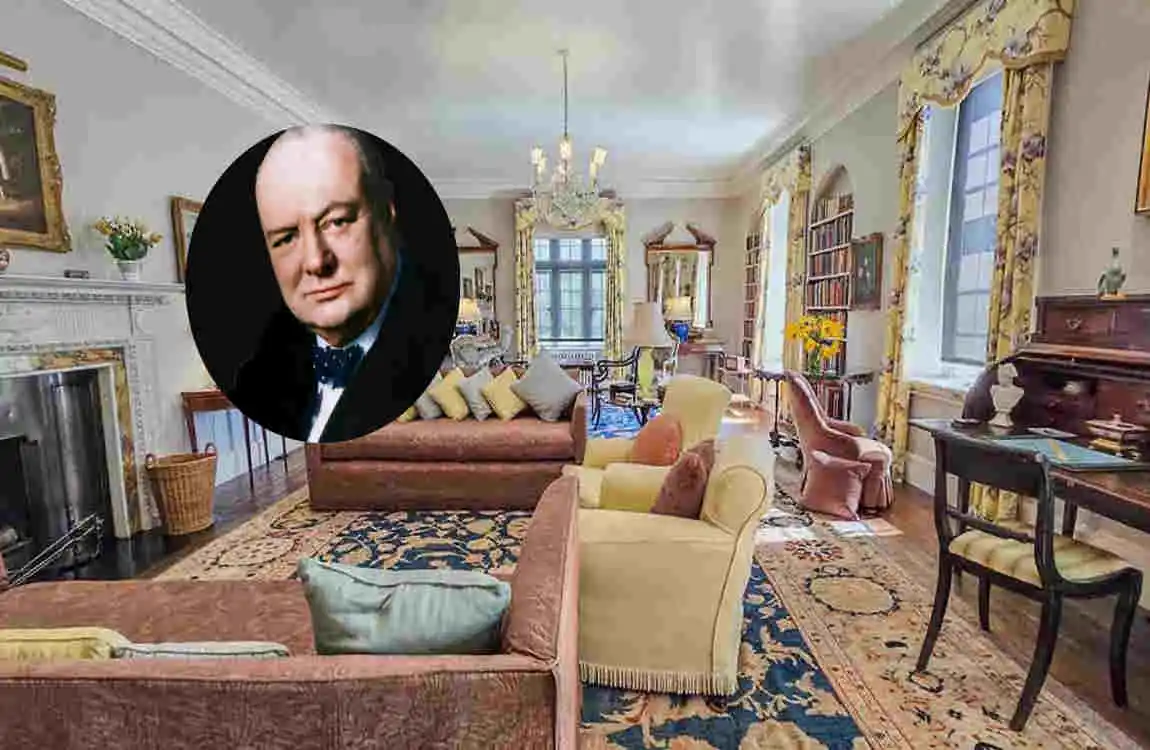
Are you feeling inspired to pack your bags and visit? Turning the Winston Churchill house from a private home into a public museum was a stroke of genius.
Today, it welcomes thousands of history buffs, nature lovers, and curious travelers every year. Here is everything you need to know to plan the perfect trip.
Getting There with Ease
Getting to Chartwell is surprisingly simple, making it a brilliant day trip. It is located just about 30 minutes south of London by train.
You catch a quick train from London to the town of Sevenoaks. Once you arrive at the station, you can hop on a local bus or grab a short taxi ride directly to the estate.
If you prefer to drive, there is a large, convenient parking lot right on the property. The drive through the winding Kent roads is incredibly scenic and sets the perfect mood for your historical adventure.
Tickets and Opening Hours
To keep the property in perfect condition, there is an admission fee. As of 2026, adult tickets cost about £17.50.
This fee gives you full access to the house, the gardens, and the studio. It is highly recommended to book your tickets online in advance, especially during the busy summer months.
Chartwell is open daily from March through October. During the winter months, the house often closes for deep cleaning and conservation. However, the gardens sometimes remain open for crisp winter walks.
Always check the official visitor website before you travel to confirm the daily opening times.
Top Attractions You Can’t Miss
When you step onto the property, you are in for a treat. The best way to experience the house is through the self-guided Audio tour.
This tour features incredible stories, historical context, and even voice clips from Churchill himself.
You absolutely must visit the replica of the painting studio. It smells faintly of oil paints and turpentine, just as it did when he worked there.
Do not miss the interactive exhibition center located near the visitor entrance. It offers a deep, emotional dive into Churchill’s life, displaying his uniforms, his awards, and personal letters to his wife.
Helpful Tips for Families
Chartwell is a fantastic destination for children, too. The estate offers engaging, kid-friendly trails with hidden clues to keep younger visitors entertained.
After you finish touring the grounds, you can stop by the on-site cafe. They serve a delightful afternoon tea in a space styled like Clementine’s lounge.
You can enjoy warm scones, thick clotted cream, and a hot pot of tea while looking out over the gardens.
To help you decide if this trip is right for you, here is a quick breakdown of what to expect:
The Pros of Visiting Chartwell: The Cons to Keep in Mind
Highly immersive historical experience. Exploring the gardens is very weather-dependent.
Stunning, unmatched views of the Kent countryside. It can get extremely crowded on summer weekends.
Great facilities, including a cafe and gift shop. The historic house has some steep, narrow stairs.
Cultural Impact and Legacy of Chartwell: Winston Churchill’s Enduring Home
The Winston Churchill house is much more than a collection of old bricks and antique furniture. It holds a massive place in global culture.
The legacy of Chartwell continues to influence how we remember the man who saved Britain. Let us look at why this house still matters so much today.
A Powerful Inspiration Source
Chartwell was the undisputed birthplace of Churchill’s most iconic ideas. Without the peace of this Kent estate, he might not have found the words to rally a nation during the Blitz.
It is also the place where he honed his artistic skills. Today, many of the paintings he created in his Chartwell studio have been sold for millions of dollars at charity auctions.
The house provided the solid foundation he needed to face the terrifying pressures of the outside world.
Media Fame and Spotlight
Because the house is so perfectly preserved, it has become a star in its own right. Chartwell has been heavily featured in numerous documentary films, television series, and historical books.
When directors want to show the private, vulnerable side of Churchill, they point their cameras at Chartwell.
The estate also regularly hosts special events, educational talks, and public debates. It remains a living, breathing center for historical education.
Modern Relevance for Today’s Leaders
You might be wondering what a 1930s politician can teach us today. The answer is: a lot!
Modern professionals and business leaders often visit the Churchill family home to study his incredible work-life balance.
Churchill proved that you can carry the weight of the world on your shoulders, provided you also make time to paint, build brick walls, and feed your goldfish.
Chartwell stands as a monument to the importance of having a creative outlet and a safe space to recharge your batteries.
Dedicated Preservation Efforts
Keeping a massive historical estate from falling apart is no easy task. The National Trust spends multi-million-pound budgets on continuous restorations.
They employ specialized conservators to protect the fading rugs, mend the cracking bricks, and save the historic artwork from sun damage.
Their dedicated efforts ensure that your grandchildren will be able to walk these same halls and feel the same magic you do today.
Fun Facts About Winston Churchill’s Chartwell House
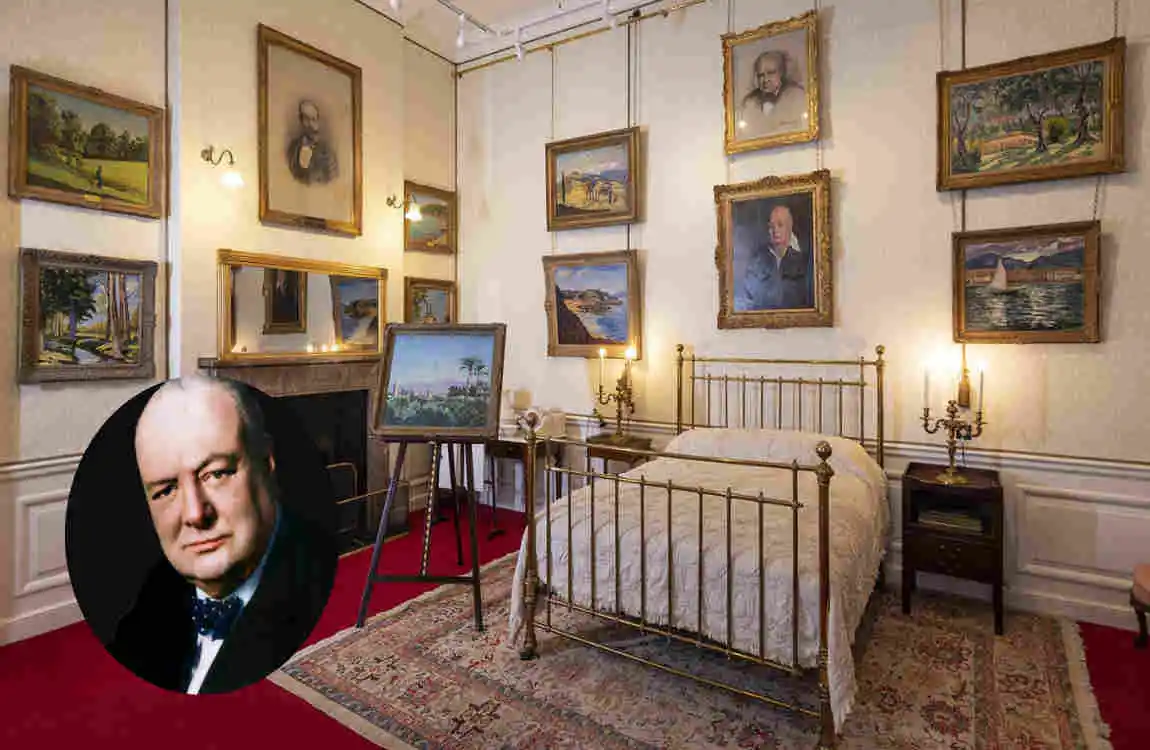
Do you want to impress your friends with some incredible trivia? The Winston Churchill house is full of surprising secrets.
Here are some of the most engaging, fun facts about the famous Kent estate:
- He used explosives for landscaping! Churchill did not just dig his lakes with a shovel. He literally used dynamite to blast the earth and, by hand, shape the massive water features. It was loud, dangerous, and he absolutely loved it.
- It hosted secret war talks. In 1943, Chartwell hosted crucial meetings for the “Three Power Talks.” Deep inside these peaceful walls, leaders quietly helped plan the monumental D-Day invasions.
- He had a very famous pet. Churchill kept a gorgeous, aggressive black swan named “Christopher.” This beloved bird ruled the lakes and lived for more than 20 years, fiercely chasing away anyone who got too close.
- The cows paid for the luxuries. To help fund the family’s expensive tastes in champagne and cigars, the estate ran a profitable dairy. Their annual butter production was sold locally, generating much-needed cash for the household.
Frequently Asked Questions About Winston Churchill’s House
Where exactly is Winston Churchill’s house located?
You will find this beautiful estate nestled in the heart of the Kent countryside in England. It sits just two miles south of the charming town of Westerham.
If you are traveling from London, it is incredibly easy to reach. You only need to drive about an hour south to escape the city and step into this peaceful rural retreat.
Can I go inside Chartwell today?
Yes, you absolutely can! The National Trust proudly owns and maintains the property for curious visitors just like you.
For the current 2026 season, the main house, the lush gardens, and the painting studio are all completely open to the public. You can walk right into the very rooms where world-changing history happened.
How much does a visitor ticket cost?
As of 2026, a standard adult admission ticket costs £17.50.
This single ticket offers fantastic value. It gives you full, all-day access to explore the historic manor interior, wander through the 80-acre grounds, and view his personal art collection in the studio.
What are the absolute must-see spots on the estate?
When you finally arrive at the Churchill family home, you want to make the most of your time. Make sure you prioritize these top three areas during your tour:
- The Private Study: Look at the exact wooden desk where Churchill bravely wrote his famous wartime speeches.
- The Painting Studio: Discover hundreds of his original, brightly colored landscape canvases.
- The Goldfish Pond: Sit quietly by the peaceful water feature that Churchill personally built to clear his busy mind.
Did Winston Churchill really build the brick walls himself?
He certainly did! Churchill found great mental comfort and relaxation in tough physical labor.
He actually loved laying bricks so much that he joined the local bricklayers’ union. When you walk around the Winston Churchill Kent estate, you will see towering garden walls and a charming brick playhouse that he built with his very own hands.
Is the estate suitable for a family day out?
It is the perfect destination for families! Children absolutely love exploring the wide-open meadows and secret woodland trails.
Where Does Winston Churchill Currently Live?
Winston Churchill passed away on January 24, 1965, so he does not currently live anywhere.
Winston Churchill House Photos