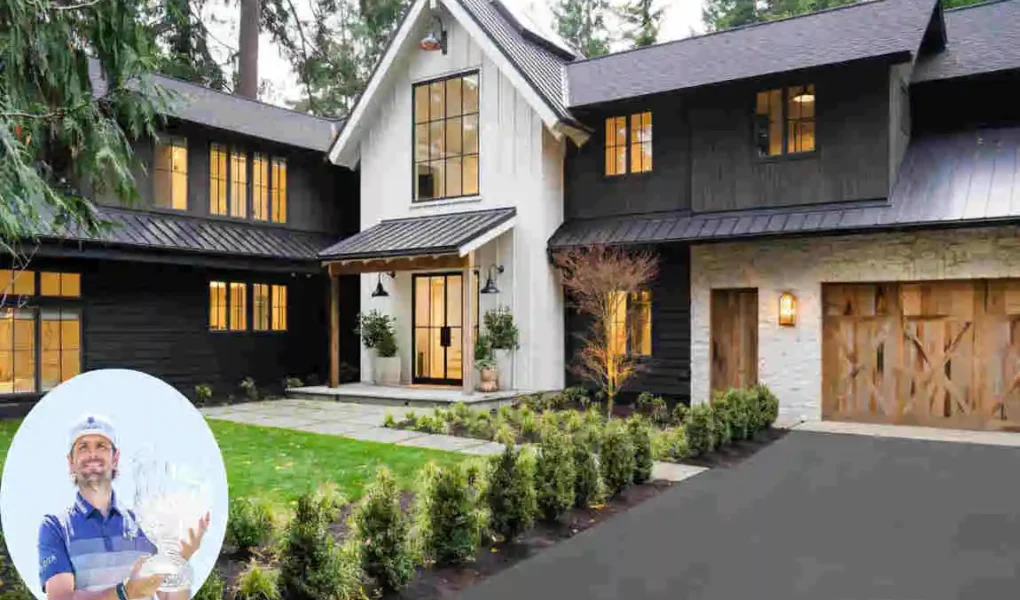
Mardy Fish House
CELEBRITY HOMES

Inside Mardy Fish House: History, Photos, and the Ties That Made It Famous

Imagine standing on a tennis court, the Florida sun beating down on your neck, the humidity wrapping around you like a heavy blanket. It’s just a public park—cracked pavement, maybe a net that’s seen better days. But for one young boy in Vero Beach, this wasn’t just a slab of concrete. It was a launchpad.

That boy was Mardy Fish, and those courts would eventually propel him to an Olympic silver medal in Athens in 2004 and a career that saw him climb to the very pinnacle of American tennis.

Today, we aren’t just talking about a tennis player; we are talking about a landmark. We are diving deep into the story of the Mardy Fish House—the affectionate, now-official moniker for the historic courts in Vero Beach where a legend honed his craft.

Early History of Mardy Fish House

To understand the significance of the Mardy Fish House, we have to rewind the clock. We have to go back before the silver medals, before the grand slams, and before the fame. We have to go back to a quiet neighborhood in Vero Beach, Florida.

Origins in Vero Beach

The story begins at Riverside Park. For decades, this area has been the heartbeat of recreational activity in the city, but the tennis facilities weren’t always the pristine “show courts” we see today. In the early days, these were standard, municipal facilities. They were open to the public, accessible to anyone with a racket and a can of balls, and they were the definition of “no-frills.”

In the late 1980s and early 1990s, the tennis scene in Vero Beach was vibrant but struggling for resources. The courts faced the typical challenges of public facilities: cracking surfaces, fading lines, and the constant battle against the aggressive Florida elements. However, despite the financial struggles to keep them pristine, the place’s spirit was undeniable.

It was here that a local coach, Tom Slezak, began to make his mark. Slezak wasn’t just a coach; he was a visionary for local tennis. He saw potential in the cracked asphalt that others missed. He spent countless hours on these courts, specifically brainstorming and working across from Honeysuckle Lane.

It was on these very grounds that the Mardy Fish House narrative began to take shape. It wasn’t a “house” in the literal sense of four walls and a roof, but it was a home for talent. It was where the community gathered, where sweat was equity, and where the foundations of a pro career were poured alongside the concrete.

Fish Family’s First Steps

If you talk to the old-timers in Vero Beach, they will tell you about the Fish family. They weren’t just passing through; they were ingrained in the tennis culture. Mardy, along with his sister Meredith, didn’t start in a high-priced academy with manicured lawns and ball boys. They started right here.

The specific spot that would become the stuff of legend is the northeast court.

Picture a young Mardy Fish, barely taller than the net, dragging his racket bag onto that northeast court. This was his laboratory. After taking lessons with Coach Slezak or his father, Tom Fish (a respected teaching pro himself), Mardy wouldn’t just go home to play video games. He would stay. He and Meredith would hit balls until the sun dipped below the horizon and the mosquitoes came out to feast.

This is the essence of the Mardy Fish House training ground. It represents the unglamorous hours. We often look at professional athletes and assume they were gifted their success, but the history of these courts proves otherwise. It demonstrates that the “Mardy Fish House” was built on repetition.

  • The Drill: Forehand after forehand.
  • The Goal: Get the ball over the net one more time than the imaginary opponent.
  • The Result: A muscle memory that would one day hold up against the likes of Roger Federer and Rafael Nadal.

Archival anecdotes from Vero Beach locals describe a relentless kid who loved to hit. Those early days on the northeast court were the crucible. Without this specific public facility, accessible and open, the trajectory of American tennis in the 2000s might have looked very different.

Mardy’s Rise from Mardy Fish House

Mardy Fish House

The transition from a public park in Florida to the center court at Wimbledon is a journey that few survive. It requires a mental fortitude that is often forged in the heat of places like the Mardy Fish House.

Junior to Pro Journey

Mardy Fish’s ascent was steady, impressive, and deeply rooted in the lessons he learned on those Vero Beach courts. As he moved from the local junior circuit to the national stage, he carried the “public park” grit with him.

He turned professional in 2000, a young man with a big serve and deft hands. But the highlight that truly put him—and by extension, his hometown—on the map came in 2004.

The 2004 Athens Olympics.

It is hard to overstate the magnitude of this achievement. Mardy Fish, the kid from the northeast court at Riverside Park, was representing the United States. He battled his way to the final, securing a Silver Medal. That medal wasn’t just a win for Mardy; it was a win for every kid hitting balls at the Mardy Fish House. It validated the idea that you can start small and dream big.

His career continued to soar. He became a staple of the American Davis Cup team. He evolved his game, transforming his body and his tactics later in his career to reach a career-high ranking of World No. 7 (and was the top-ranked American for a significant period). He reached the quarterfinals of Grand Slams, battling the “Big Three” of tennis during the sport’s most competitive era.

Every time he stepped onto a court in Melbourne, Paris, London, or New York, a piece of the Mardy Fish House to Olympic fame story was being written.

Key Matches and Milestones

To truly appreciate the link between the player and the place, we need to look at the milestones. These aren’t just stats; they are chapters in the story of the Mardy Fish House.

Here is a breakdown of the pivotal moments that trace back to his roots:

AchievementYearTie to Mardy Fish House

Olympic Silver Medal 2004. The foundational skills for this global stage were built on the northeast court in Vero Beach.

US Open Quarterfinals 2008 The hard court surface of the US Open mirrors the public courts of his youth, giving him a “home court” comfort.

World Tour Finals 2011: Reaching the elite top 8 players in the world proved that a public park beginning can lead to the absolute peak of the sport.

Top-ranked American in 2011, Surpassing Andy Roddick to become the US No. 1 was the culmination of the work ethic forged at the Fish House.

Davis Cup Captain 2019, returning to lead the next generation, bringing the leadership qualities honed in his early days of community tennis.

When we look at this table, we see more than dates. We see the “home town edge.” The Mardy Fish House provided the environment where he learned to handle heat, wind, and imperfect conditions—variables that often frustrate pampered academy players but were second nature to Fish.

Photos: Visual Tour of Mardy Fish House

Since we are painting a picture with words, let’s take a visual tour. If you were to look through a photo album of the Mardy Fish House, you would see a dramatic transformation. It is a story of “Before” and “After” that mirrors Mardy’s own career

Before-and-After Court Images

The “Before” Era (1990s – 2010s): Imagine a standard municipal court. The green paint is slightly faded from the relentless UV rays. The chain-link fences are functional but rattling in the wind. There are cracks in the corners where weeds try to peek through—the stubborn nature of Florida flora.

  • Visual Detail: In these historical photos, you might see a young Mardy in oversized ’90s tennis gear, the court surface rough and abrasive. It looks like any court in America, which is exactly what makes it special.

The “After” Era (2024 and beyond): Fast forward to today. The Mardy Fish Court has been reborn. It is no longer just a slab of asphalt; it is a mini-stadium.

  • The Surface: Pristine, vibrant blue and green hard courts that match the US Open color scheme.
  • The Atmosphere: New seating has been installed, creating a “show court” vibe. The fencing is crisp, black, and professional.
  • The Branding: The name “Mardy Fish Court” is proudly displayed, signaling to every visitor that they are standing on hallowed ground.

This evolution from a tired public facility to a celebrated landmark is a testament to the community’s dedication to preserving the Mardy Fish House historical photo legacy.

Rare Family and Action Shots

If you dig deeper into the archives of the Mardy Fish House, you find the photos that really tug at the heartstrings. These aren’t the Getty Images from the ATP tour; these are the grainy, personal snapshots.

  • The Kid on the Court: There are photos of Mardy in the late 80s, a tiny figure on the vast northeast court. He is holding a racket that looks too big for him, his eyes locked on the ball. This is the genesis of the Mardy Fish House.
  • The Mentor and the Student: Photos of Coach Tom Slezak standing beside a teenage Mardy. You can see the instruction happening—the pointing, the demonstrating. These images capture the transfer of knowledge that occurred right there on Honeysuckle Lane.
  • The Return: Fast forward to the 2024 naming ceremony. A photo of an older, retired Mardy Fish standing on the same court, but now surrounded by dignitaries and fans. The circle is complete.
  • Aerial Views: Drone shots of the facility today show how the Mardy Fish House sits like a jewel in Riverside Park, surrounded by the lush greenery of Vero Beach.

These Mardy Fish House photos are more than just documentation; they are the visual proof of a legacy built over decades.

The Ties That Made Mardy Fish House Famous

A tennis court is just concrete and paint until people give it meaning. The Mardy Fish House became famous not just because a good player used it, but because of the deep, intertwining connections between the player, his family, his coach, and the city.

Community and Coach Connections

We have mentioned Tom Slezak, but we need to understand the depth of his commitment. The renaming of these courts wasn’t a marketing stunt; it was a crusade.

For five years—from 2019 to 2024—Slezak and a group of dedicated community members pushed for this recognition. They navigated city council meetings, funding discussions, and bureaucratic red tape. Why? Because they understood that history needs to be preserved.

Slezak’s mentorship of Mardy went beyond forehands and backhands. He instilled a love for the game and a respect for the community. When Mardy was inducted into the USTA Florida Hall of Fame, it was a recognition of this entire ecosystem. The Mardy Fish House is the physical manifestation of that relationship. It serves as a thank-you note from the community to the player and from the coach to the student.

Legacy Through Mardy Fish Children’s Foundation

Perhaps the most vital tie that keeps the Mardy Fish House alive is the Mardy Fish Children’s Foundation.

Established in 2007, this foundation is Mardy’s way of giving back. But it’s not just about writing checks. The foundation actively works to provide children in Indian River County with opportunities to participate in fitness, nutrition, and enrichment programs.

  • The Connection: The foundation supports tennis programs at schools like Pelican Island Elementary.
  • The Cycle: Kids who pick up a racket through the foundation today are often taken to the Mardy Fish House to play. They are walking in Mardy’s footsteps, quite literally.

The foundation ensures that the courts aren’t just a museum piece. They are an active engine for the next generation. When you visit the Mardy Fish House, you aren’t just visiting a historic site; you are visiting the hub of a charitable network that supports thousands of kids. This Mardy Fish House community tie is what gives the location its soul.

Modern Mardy Fish House and Visitor Guide

Mardy Fish House

So, you are inspired. You want to see where the magic happened. You want to walk the grounds of the Mardy Fish House. Here is everything you need to know about visiting this modern landmark.

 Upgrades and Events

On 14 January 2024, the courts were officially unveiled with their new name and new look. This was a massive event for Vero Beach, turning the facility into a premier destination for local tennis.

What to Expect Now:

  • Show Court Status: The main court is now designed for spectators. It hosts local tournaments, charity exhibitions, and USTA events.
  • Public Access: Despite the fame, the Mardy Fish House remains true to its roots. It is still a public facility. You don’t need a wildly expensive membership to play here. You need to love the game.
  • Tournaments: Keep an eye on the schedule for the “Mardy Fish Children’s Foundation Tennis Championships,” an ITF World Tennis Tour event that often draws on the local tennis ecosystem (though usuallyit’s played at nearby clubs, the spiritual connection to these public courts is strong).

How to Visit Mardy Fish House

Planning your pilgrimage? Here are the practical tips to make the most of your visit.

Location: Riverside Park, Vero Beach, Florida. It is centrally located and easy to find. Just look for the tennis complex near the river.

Best Time to Visit:

  • Morning: Florida mornings are magical. Get there at 8:00 AM to beat the heat and catch the sunrise over the courts. This is when the “locals” play, and you’ll get the true vibe of the community.
  • Winter: January through April is prime tennis weather in Vero Beach.

What to Bring:

  • Camera: You will want a photo with the “Mardy Fish Court” signage.
  • Gear: Don’t just look; play! Bring your racket.

FAQs

What is the Mardy Fish House? The “Mardy Fish House” refers to the historic public tennis courts in Vero Beach, Florida, specifically the northeast court at Riverside Park. This is where professional tennis player Mardy Fish trained as a child. It has been officially renamed the “Mardy Fish Court” to honor his legacy.

When was Mardy Fish House renamed? The courts were officially renamed and unveiled on 14 January 2024. This event marked the culmination of a five-year campaign led by his former coach, Tom Slezak, and the local community to honor Fish’s achievements.

Can I visit Mardy Fish House? Yes! The courts are located in a public park in Vero Beach. They are open to the public, meaning you can see, take photos, and even play a match on the same ground where an Olympic silver medalist learned the game. Check the Vero Beach Recreation Department for specific hours and court availability.

Where can I find photos of Mardy Fish House? You can find historical and modern images by searching the archives of World Tennis Magazine or the USTA Florida website. However, the best way to get photos is to visit yourself! The new signage and upgraded facilities make for a perfect Instagram moment for any tennis fan. 

Where Does Mardy Fish Currently Live? 

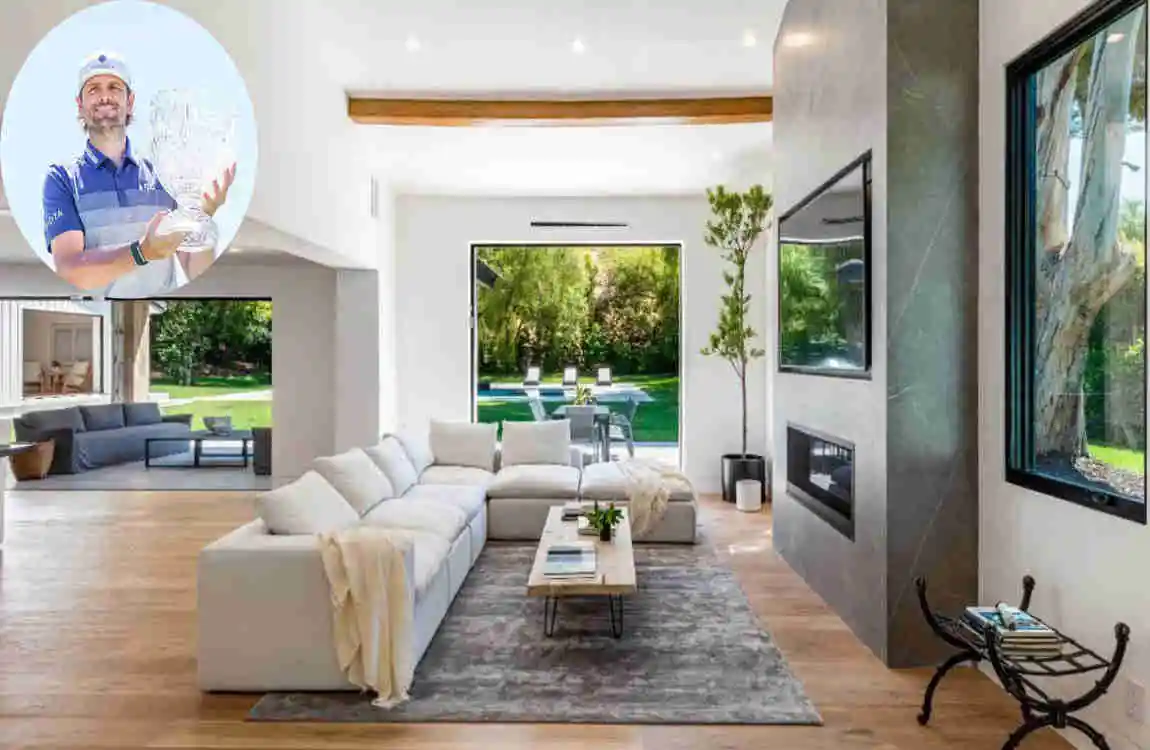
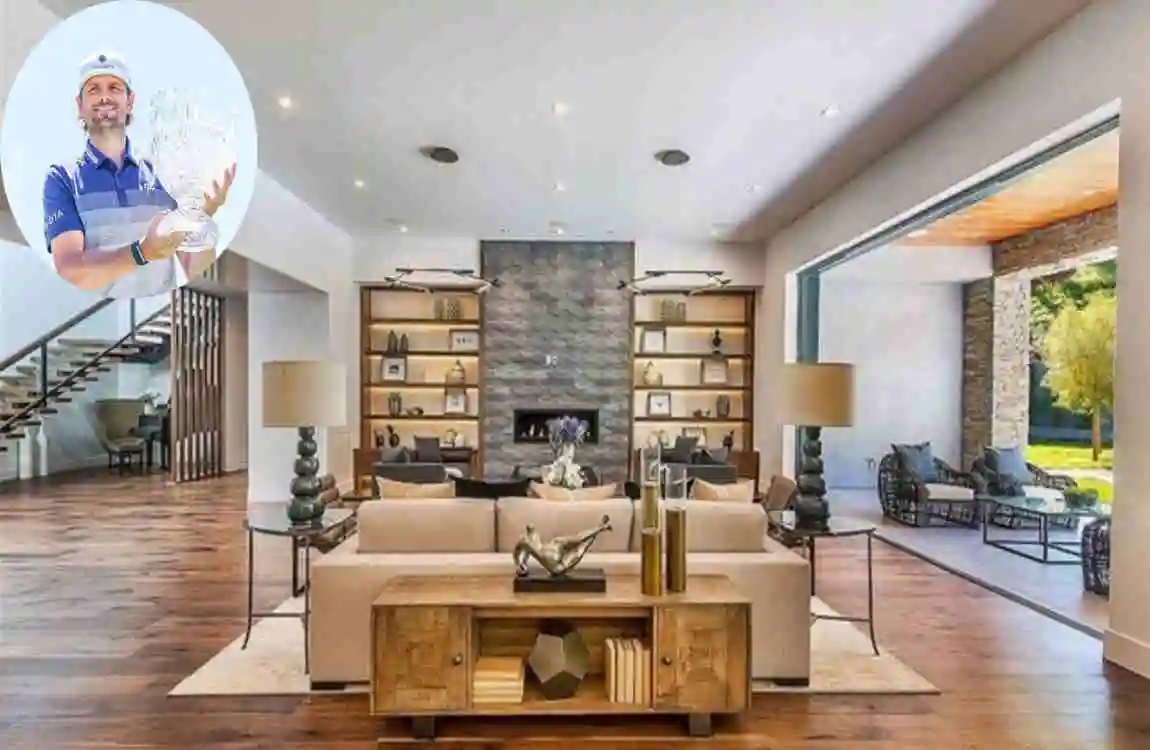
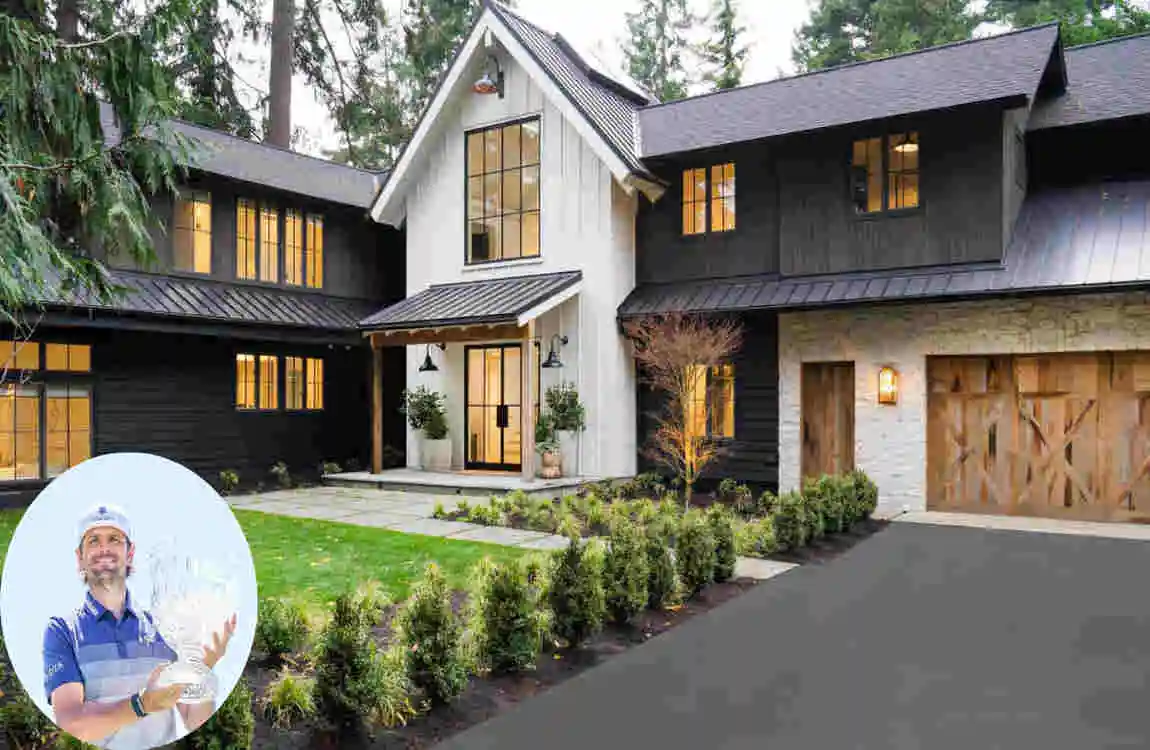
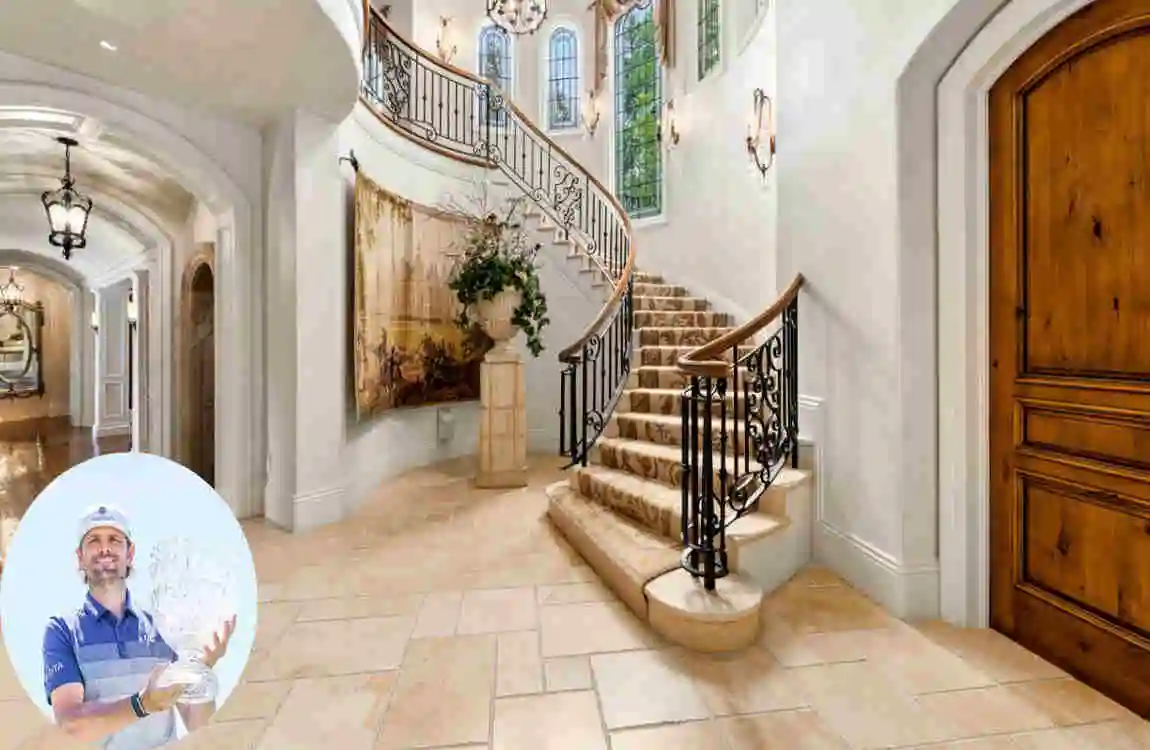
Mardy Fish currently lives in Los Angeles, California. 

Mardy Fish house photo

Mardy Fish House

Mardy Fish House

Mardy Fish House

You may also like...

Leave a Reply

Your email address will not be published. Required fields are marked *