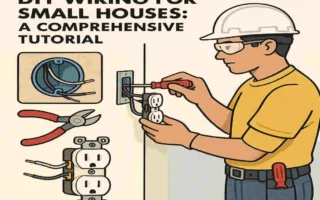
Electrical wiring is the backbone of any home, powering everything from your lights to your appliances. For small houses, getting the wiring right is crucial because space is limited, and every outlet or switch counts. Proper house electrical wiring ensures your home is safe, efficient, and compliant with local codes.
Understanding the Basics of Electrical Wiring in a Small House
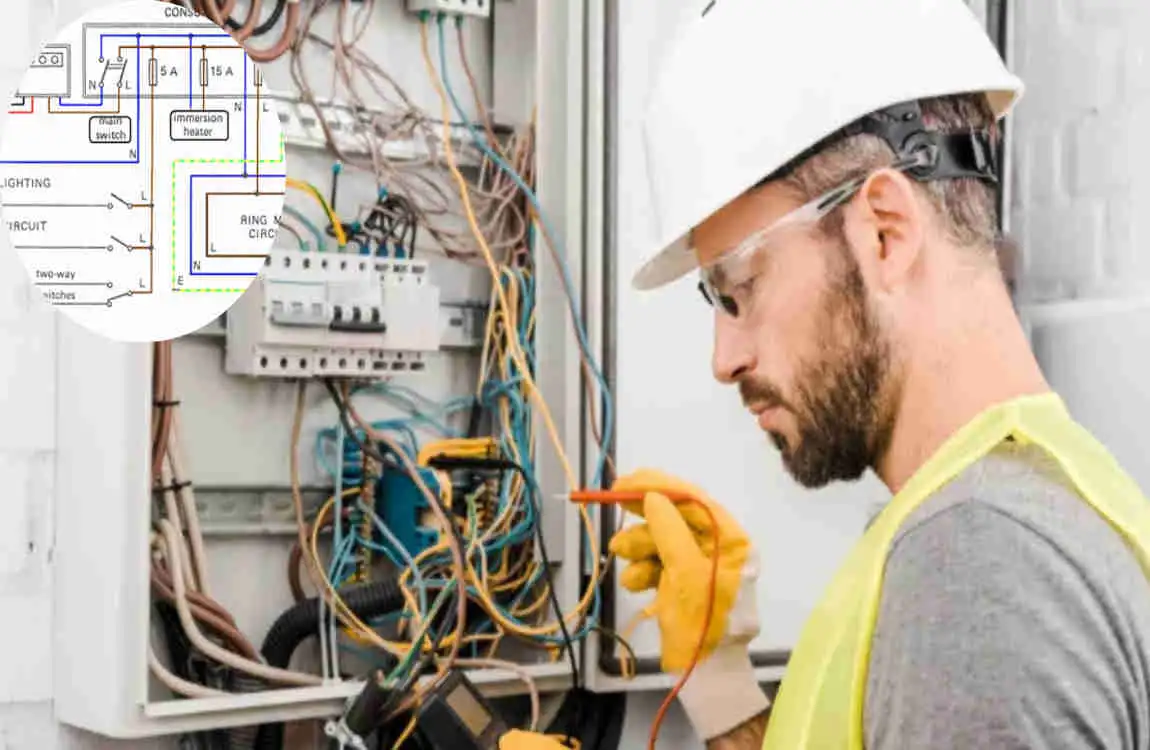
Before diving into wiring, it’s essential to grasp the basics. Think of your home’s electrical system as a network of circuits that deliver power safely and efficiently.
What Wiring a Small House Involves
Each circuit serves a specific area or appliance in your home, and they all connect back to a breaker panel.
How Electrical Load Works in Small Homes
Your home’s electrical load is the total amount of power that your appliances and devices draw simultaneously. Small house features often have a lower overall load, but it’s still essential to balance it across circuits to prevent overloads. For example, kitchen appliances use more power, so they usually have dedicated circuits.
Why Professional Standards Matter
Even if you’re doing it yourself, following professional standards and local electrical codes is vital. They ensure your wiring is safe, reliable, and will pass inspections. Cutting corners can lead to hazards such as fires or electrical shocks.
Planning Your Small House Wiring Project
Good planning is the foundation of any successful wiring project. It saves time, money, and headaches in the long run.
Creating a Wiring Plan/Layout
Sketch your home’s floor plan and mark the locations of outlets, switches, and fixtures. This visual helps you:
- Avoid overcrowding circuits
- Place outlets conveniently
- Ensure lighting is adequate
Determining Circuits and Breaker Panel Size
Small houses usually require fewer circuits but still need enough to handle all electrical demands safely. The breaker panel must be large enough to support your circuits, typically ranging from 100 to 125 amps for small homes.
Importance of Mapping Out Outlets, Switches, and Lighting
Strategically locating outlets and switches enhances usability and reduces the need for extension cords. Think about furniture placement and daily routines.
Using Electrical Codes and Permits
Local building codes dictate how wiring must be installed and when permits or inspections are required. Always check with your local authority before starting to avoid fines and ensure safety.
Tools and Materials Needed to Wire a Small House
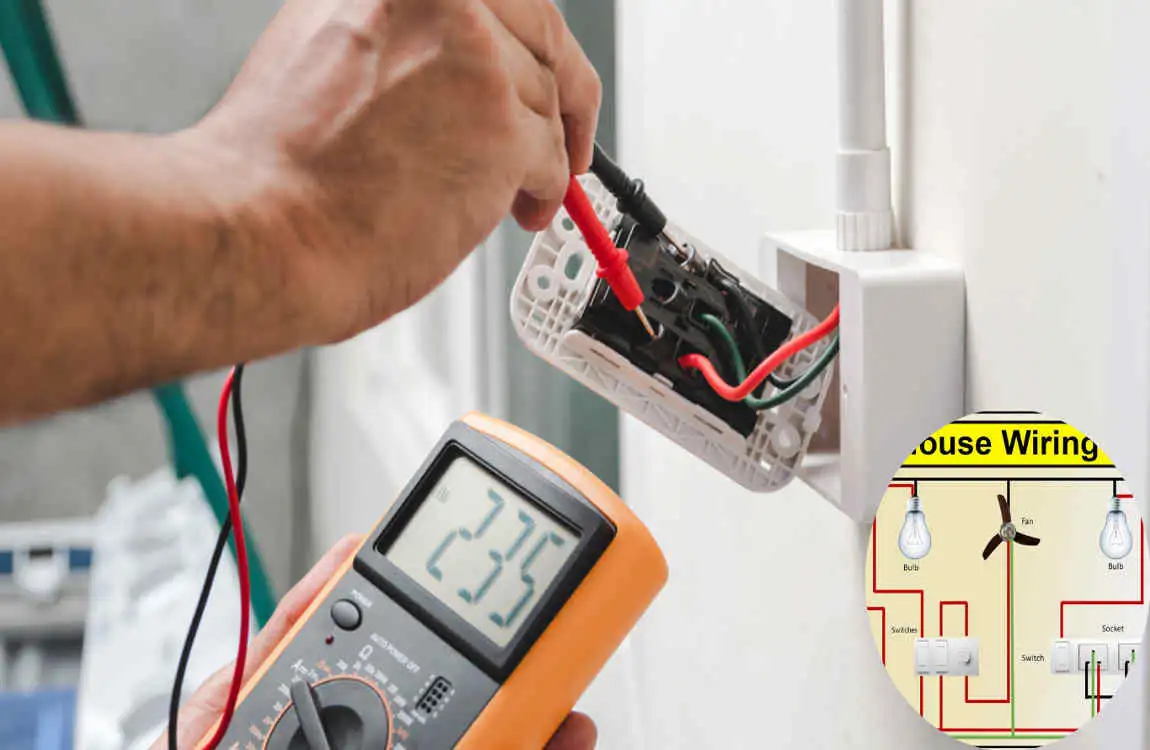
Having the right tools and materials makes wiring easier and safer.
Choosing Wire Gauge and Breaker Sizes
Wire size affects the amount of current it can safely carry. Standard sizes for small house design include:
Wire Gauge, Typical Use, Breaker Size (Amps)
Choosing the right breaker size is critical; selecting a size that is too large can risk a fire, while one that is too small can cause nuisance trips.
Other Materials
You’ll also need outlets, switches, junction boxes, connectors, cable staples, and a breaker panel.
Step-by-Step Guide: How to Wire a Small House
Ready to get hands-on? Follow these steps carefully. Always shut off the main power before touching wiring. Use a voltage tester to confirm that the wires are live.
Mount the panel where it’s accessible but out of the way. Connect grounding rods or systems to prevent electrical shocks. Use fish tape to pull wires through studs and joists. Keep cables organised and secured with staples. Strip wires and connect them to terminals. Typically, black or red wires are “hot,” white is neutral, and green or bare copper is ground.
Attach wires carefully and mount fixtures as per the manufacturer’s instructions.GFCI outlets protect against electric shock in areas prone to moisture, such as kitchens and bathrooms. AFCI breakers protect against arc faults, a typical cause of fire—label breakers for easy identification. Turn power back on and test outlets, switches, and lights with a voltage tester.
Common Electrical Circuits in a Small House
Understanding typical circuits helps you design your system wisely.
Typical Branch Circuits
- Lighting Circuits: Usually 15 amps, serving multiple fixtures.
- General Use Circuits: 15 or 20 amps for outlets in living areas.
- Kitchen and Bathroom Circuits: Often 20 amps, sometimes dedicated for appliances.
Dedicated Circuits for Appliances
Large appliances, such as HVAC units, refrigerators, and washers, typically require their own 30-50 amp circuits.
120V vs. 240V Wiring
Most home outlets and lights run on 120 volts. Heavy-duty appliances, such as ovens and dryers, use 240 volts, which requires special wiring.
Critical Circuits
Some circuits must never be overloaded to avoid safety risks, like those powering smoke detectors or medical equipment.
Electrical Safety Tips When Wiring a Small House
Safety is non-negotiable.
- Proper Grounding and Bonding: Prevents shocks and fires.
- Correct Wire Gauge: Avoids overheating and fire hazards.
- Avoid common mistakes, such as loose connections or overloading circuits.
- Inspect Connections: Tighten any loose terminals.
- Know When to Call a Pro: Complex or unfamiliar tasks should be handled by licensed house electricians.
Understanding Local Electrical Codes and Permits
Codes protect you and your home.
- Why Codes Matter: They ensure minimal risk and compliance with legal requirements.
- Finding Codes: Local building department websites or offices.
- Permits & Inspections: Often mandatory before and after work.
- Non-Compliance Risks: Voiding insurance and safety hazards.