Discover the charm and timeless beauty of the Harrison Smith House, a treasured historic landmark nestled in the heart of Bardstown, Kentucky. Stepping inside this magnificent home is like walking back in time, into the rich tapestry of bourbon country’s past. Built around 1856, the house blends classic 19th-century architecture with modern-day event hosting, making it an alluring destination for history lovers, event planners, and real estate enthusiasts alike.
The Harrison Smith House in Kentucky captivates as one of the state’s hidden historic gems. From its elegant Federal-style design to its roots in Kentucky’s bourbon boom, this Bardstown historic house holds stories that span centuries.
Architectural Highlights
The Harrison Smith House is a splendid example of Federal-style architecture, infused with Greek Revival influences, a style popular in Kentucky during the mid-19th century. Its design emphasizes symmetry, balance, and grandeur without being overly ornate, which was typical of the era.
Symmetry and Style
At first glance, the house impresses with a symmetrical façade. Tall, stately columns frame the grand entryway, welcoming visitors into a warm and inviting space. These columns, along with the wide verandas that face the lush grounds, give the home a dignified presence that echoes the elegance of old Kentucky mansions.
Inside, the house boasts heart-pine interiors, notable for their durability and rich golden hues. The wood was sourced directly from the property, featuring knotless lumber and cypress shingles, highlighting the era’s hands-on craftsmanship. Materials like these were prized for their quality and beauty, and their preservation today speaks volumes about the care taken in building and maintaining the house.
Standout Features
Some of the architectural highlights include:
- Grand Entry Hall: A spacious and welcoming area that sets the tone for the rest of the home.
- Ornate Fireplaces: Multiple fireplaces adorned with intricate woodwork and period details.
- Period Woodwork: Detailed moldings and trim that showcase expert craftsmanship.
- Expansive Verandas: Perfect for enjoying Kentucky’s seasons while overlooking the manicured grounds.
Comparison to Other Historic Kentucky Homes
The Harrison Smith House shares many architectural traits with other historic Kentucky homes, such as the Federal-era mansions found in Pewee Valley. These homes similarly emphasize symmetry, classical detailing, and the use of locally sourced materials, reflecting the wealth and tastes of Kentucky’s early landowners.
Feature Description Historical Note
Construction Circa 1856, onsite-milled pine , built by Hector Puyper, premier carpenter
Rooms 10+ main chambers, 3-acre lot. Originally built on a log cabin base
Exterior Columns, cypress shingles , Pergola restored in the early 2000s
This table gives a quick snapshot of the house’s specifications and historical context, underscoring the blend of craftsmanship and history that defines the property.
For those fascinated by architecture, the Harrison Smith House offers a unique window into Kentucky’s past, combining style, function, and local materials in a way that few homes do today.
Fascinating History
The story of the Harrison Smith House in Kentucky is deeply intertwined with the development of Bardstown and the surrounding bourbon country. Built during a period of economic growth fueled by the bourbon boom, the house reflects the prosperity and ambition of its early owners.
Early Roots and Land Ownership
The property’s origins date back to the 1800s, when the land was part of a plantation linked to the Smith family—possibly descendants of Henry or William A. Smith. This lineage connects the house to some of Kentucky’s founding families, embedding it in the broader narrative of the state’s settlement and growth.
During the 19th century, Bardstown and nearby Pewee Valley thrived thanks to the railroad and the booming bourbon industry. The house’s location on a 3-acre lot was strategic, offering both privacy and proximity to the action.
Timeline of Ownership and Expansion
- 1869: Land was purchased by the Stockstill family, marking a significant chapter in the property’s history.
- 1909: The main house, as seen today, was constructed or significantly expanded by heirs like Henry Emmitt Smith.
- 1900s: The property changed hands among family members through a lottery system, leading to periods of neglect and disrepair.
- 1998: The house fell into disrepair, with only three rooms actively used by Daisy Smith.
- 2000: Clint and Jeanette Meyer purchased the home and embarked on a 20-year restoration project to revive its former glory.
Secrets and Stories
The house holds many secrets, including links to Kentucky’s railroad expansion and bourbon country history. Its Survival through economic ups and downs tells a story of resilience and dedication to preservation.
Here’s a concise timeline list summarizing key moments:
- 1869: Stockstills acquire the land.
- 1909: Main house construction phase.
- 2010: Opens as a bed & breakfast and wedding venue.
This rich history makes the Harrison Smith House not just a building, but a living testament to Kentucky’s cultural heritage.
Restoration and Modern Revival
The transition from a fading family home to a vibrant event space is a remarkable story of passion and perseverance. When Clint and Jeanette Meyer took ownership in 2000, they faced the challenge of restoring the house while maintaining its authenticity.
The Meyers’ Restoration Journey
The Meyers carefully revived faded rooms, restored heart-pine floors, and meticulously preserved period details such as fireplaces and woodwork. They added charming gardens, a pergola, and a pavilion, enhancing the outdoor spaces without compromising the historic feel.
Overcoming Challenges
At the time of purchase, only three rooms were in use—a far cry from the home’s original grandeur. The restoration involved structural repairs, updating utilities, and adapting spaces for modern use. Keeping true to the home’s heritage was a priority, which meant sourcing materials similar to the originals and using traditional techniques where possible.
From Private Home to Event Venue
Today, the Harrison Smith House serves as a premier venue for Bardstown events, hosting weddings, banquets, and corporate gatherings. Its location in the heart of bourbon country adds to its appeal, attracting visitors year-round.
The venue has earned a reputation as a fine-dining spot, bolstered by ties to local chefs and culinary traditions. Hosting groups of various sizes, it offers an authentic Kentucky experience in a historic setting.
Event Venue Appeal
If you’re looking for a venue that combines historic charm with modern amenities, the Harrison Smith House fits the bill perfectly. Its versatility and scenic surroundings make it the go-to spot for many Bardstown events.
What the Venue Offers
- Indoor Spaces: The banquet hall and historic dining rooms provide elegant settings for receptions, business meetings, and private dinners.
- Outdoor Spaces: Beautiful gardens and a pavilion offer a picturesque backdrop for ceremonies, photos, or casual gatherings.
Key Features of the Venue
- Year-round availability in the bourbon trail hub.
- Customizable setups for corporate events, weddings, and social functions.
- Partnerships with local chefs for authentic Kentucky cuisine.
Event Types and Capacity
Event Type Capacity Unique Feature
Weddings 200+ Historic charm and scenic gardens
Banquets 100-150 Elegant indoor dining
Corporate Varies Garden pavilion for breakout sessions
This table highlights the venue’s flexibility and appeal for different event needs.
Visiting the Harrison Smith House
Planning a trip to the Harrison Smith House? Here’s what you need to know for a smooth and enjoyable visit.
Location and Access
The house is located in Bardstown, Kentucky, conveniently near several well-known distilleries and the bourbon trail. This makes it a perfect stop for tourists exploring Kentucky’s rich spirits heritage.
Hours and Tours
Visitors can enjoy guided tours that showcase both the architecture and the fascinating stories behind the modern house. The best time to visit is in spring when the gardens are in full bloom, adding to the charm.
Tips for Visitors
- Photography is encouraged, but check for any specific rules during events.
- Group rates are available for larger parties or corporate tours.
- Nearby attractions include bourbon distilleries, historic downtown Bardstown, and other Kentucky historic gems.
Why It’s a Kentucky Gem
The Harrison Smith House is more than just an old home—it’s a symbol of Kentucky’s dedication to preserving its history while embracing the future.
Cultural and Economic Impact
The house draws tourists, supports local businesses, and enriches Bardstown’s historic district. Its successful restoration highlights the value of preserving historic Kentucky homes and the potential for adaptive reuse in real estate.
Business Insights
For event promoters and real estate professionals, the Harrison Smith House serves as a case study in balancing preservation with profitability. Its SEO-friendly online presence, with keywords such as “Harrison Smith House events” and “historic Kentucky homes,” helps attract visitors and clients alike.
Harrison Smith House: FAQ
Q: What is the Harrison Smith House?
The Harrison Smith House is a historic home located in Bardstown, Kentucky, known for its 19th-century architecture and ties to bourbon country history. It has been restored and now serves as an event venue and fine dining spot.
Q When was the Harrison Smith House built?
The main structure dates back to around 1856, with parts of the property possibly originating even earlier, making it one of Bardstown’s oldest homes .
Q: What architectural style is the Harrison Smith House?
It features Federal-style architecture with Greek Revival influences, including symmetrical facades, tall columns, and heart-pine interiors sourced locally.
Q: What is the Harrison Smith House used for today?
Today, it operates as a restaurant and event venue, hosting weddings, banquets, and corporate events, with a focus on local ingredients and bourbon-inspired cuisine .
Q: Where is the Harrison Smith House located?
It is situated at 103 E Stephen Foster Avenue in Bardstown, Kentucky, near many bourbon distilleries and historic attractions.
Q: Can visitors tour the Harrison Smith House?
Yes, the house offers tours and event hosting, making it a popular stop for those exploring Kentucky’s historic homes and bourbon trail.
Q: Is the Harrison Smith House connected to any notable historical figures?
The property has ties to early Kentucky settlers and landowners, including the Smith family lineage, linking it to the region’s founding history .
Q: Does the Harrison Smith House have an online presence?
Yes, it maintains social media accounts and a website for updates on events and dining, though it may occasionally close for private functions .
Where Does Harrison Smith Currently Live?
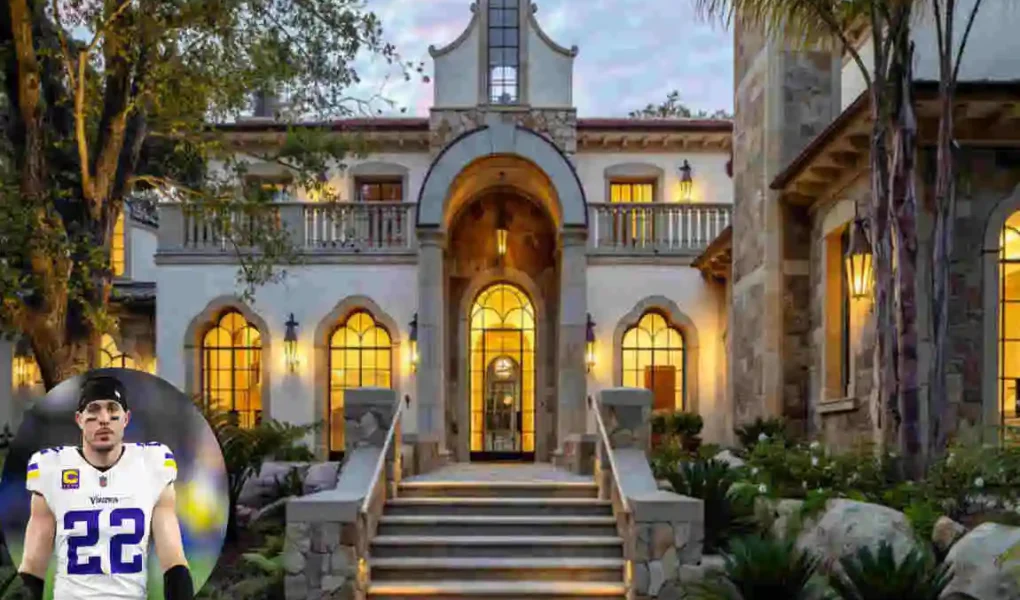
Harrison Smith the Minnesota Vikings safety, owns a home in the Minneapolis-St. Paul area of Minnesota. He purchased the property in Mendota Heights (St. Paul, MN 55118) in 2017 for $1.65 million.
Harrison Smith House Photos