

Imagine walking into a home flooded with natural light, where the kitchen, dining, and living areas flow seamlessly together. This open-concept style has become a top trend in home design, inspiring many homeowners to knock down walls and create spacious, inviting spaces. But before you grab a sledgehammer, you might be wondering: Can you remove a wall in your house without a permit?
This question is popping up more than ever in 2026, as home improvement projects surge nationwide. People want to modernize their homes quickly and cost-effectively. Still, the legal and safety aspects of wall removal can be tricky. Removing a wall without the right permissions can lead to serious headaches, from fines to structural damage.
Understanding Wall Types
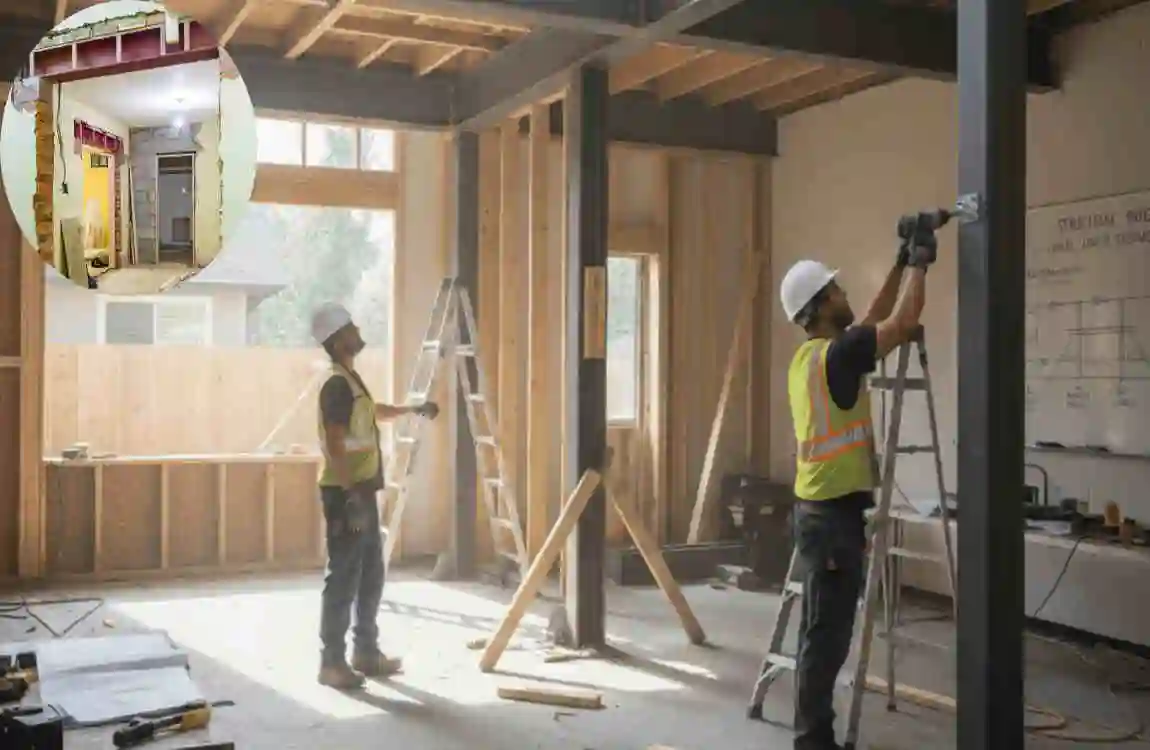
Before you start swinging a hammer, it’s crucial to understand the difference between load-bearing and non-load-bearing walls. This distinction is the foundation of safe wall removal.
What Are Load-Bearing Walls?
Load-bearing walls carry the weight of your house’s structure — think of them as the backbone holding up the roof, floors, or upper stories. Removing one without proper support can cause sagging ceilings, cracked walls, or even collapse.
How to Spot a Load-Bearing Wall:
- Look at the direction of the floor joists (the horizontal beams supporting your floors). If they run perpendicular (at a right angle) to the wall, it’s likely load-bearing.
- Walls directly above or below other walls in multi-story homes often bear loads.
- Exterior walls are almost always load-bearing.
What Are Non-Load-Bearing Walls?
Non-load-bearing walls are primarily used to divide rooms and don’t support structural loads. These walls are easier and safer to remove. However, caution is still needed if utilities like plumbing or electrical wiring run through them.
Why Misidentifying Walls Is Dangerous
Many homeowners make the mistake of assuming all interior walls are safe to remove. This error can lead to:
- Structural damage that’s costly to fix.
- Safety hazards like collapsing ceilings.
- Voiding insurance coverage if damage occurs.
Taking time to identify your wall type or consulting a professional can save you from disaster.
Permit Requirements Explained
Now that you know your wall types, let’s talk about when you actually need a permit to remove a wall.
When Are Permits Required?
- Load-Bearing Walls: Permits are always required. Because these walls support your home’s structure, local building departments want to ensure removal is done safely with proper reinforcements.
- Non-Load-Bearing Walls: Permits are often required if utilities (like plumbing, electrical, or HVAC) run through the wall. If the wall is purely a partition with no utilities, some areas may allow removal without a permit. Still, it’s best to check local rules.
Regional Differences
Permit rules vary widely depending on where you live. For example:
- Urban areas in the U.S. (such as New York city and San Francisco) have strict codes and require permits for nearly all wall removals.
- Suburban or rural areas might have more lenient rules, but still require permits for load-bearing walls or utility work.
Permit Requirements Table
Wall TypeUtilities Involved? Permit Typically Required? Examples
Load-Bearing Yes/No Yes Walls supporting roof, floors
Non-Load-Bearing Yes Yes Walls with plumbing or wiring
Non-Load-Bearing No Sometimes Simple room dividers, check local codes
Always remember: When in doubt, get a permit. It’s better to be safe and legal than face penalties later.
Legal Rules by Location
Understanding the legal landscape is key to avoiding trouble. Here’s a quick overview of how wall removal permits work in different places.
U.S. Nationwide Basics
Most U.S. states follow the International Residential Code (IRC), which requires permits for structural changes, such as removing load-bearing walls. This code sets minimum safety standards to protect homeowners.
Spotlight on High-Search Areas
- California: Known for strict building codes, permits are mandatory for any wall removal involving structure or utilities.
- Texas: Rules vary by city, but major urban centers require permits for load-bearing walls and utility work.
- New York city: One of the toughest jurisdictions, NYC requires permits for nearly all wall removals and requires detailed inspections.
International Variations
If you’re outside the U.S., rules can differ dramatically. Some countries have national building codes, while others leave it to local municipalities. Always check with your local building department or online portals for the most accurate info.
Risks of Skipping Permits
You might be tempted to skip the permit process to save time or money, but the risks are significant.
Legal and Financial Consequences
- Stop-Work Orders: Authorities can halt your project mid-way, causing delays.
- Fines: Penalties range from $500 to over $10,000, depending on the severity and location.
- Insurance Issues: If damage occurs, your insurer may deny claims if the work was unpermitted.
- Resale Problems: You must disclose unpermitted work when selling, which can reduce your home’s value by 10–20%.
Structural Dangers
Removing a load-bearing wall without proper support can cause:
- Sagging or collapsing roofs.
- Cracked walls and ceilings.
- Unsafe living conditions.
Real-World Examples
There have been cases where homeowners faced lawsuits or had to demolish unsafe renovations because they skipped permits. These stories highlight why following the rules is not just bureaucratic red tape—it’s about safety.
Cost Breakdown Comparison
Let’s look at the financial side of things. How do costs compare between doing things with a permit versus without?
ScenarioUpfront CostsHidden Risks/Costs
With Permit $500–$2,000 (fees, engineer) None; adds value to your home
Without Permit $0 initially Fines, retrofits: $5,000–$50,000+
Additional Costs to Consider
- Engineer Fees: $500–$1,500 for inspections and plans.
- Retroactive Permits: Often cost twice as much and require additional inspections.
- Potential Demolition: Unsafe work may need to be torn down and redone.
Spending a bit upfront on permits can save you thousands and protect your investment.
Step-by-Step Permit Process
Ready to do it right? Here’s a simple roadmap to getting your wall removal permit.
Identify Your Wall Type
Use DIY signs like joist direction, or hire a structural engineer for a professional assessment.
Submit Plans
Prepare and submit your renovation plans to your local building authority. This usually includes blueprints and, if needed, engineer stamps.
Await Approval
Permit approval can take 2 to 6 weeks, depending on your location and project complexity.
Schedule Inspections
You’ll need inspections before demolition and after completion to ensure safety.
Perform Work Safely
If removing a load-bearing wall, install beams or supports as specified by your engineer.
Expert Tips for Safe Removal
Here are some pro tips to keep your project smooth and safe:
- Hire a Structural Engineer Early: A $300–$800 inspection can prevent costly mistakes.
- Use LVL Beams: Laminated Veneer Lumber beams provide strong, reliable support.
- Avoid DIY on Load-Bearing Walls: These require expertise and proper tools.
- Document Everything: Keep records for resale and future inspections.
- Temporary Walls: Build temporary supports during demolition.
- Dust Control: Use plastic sheeting and ventilation to keep dust down.
Alternatives to Full Removal
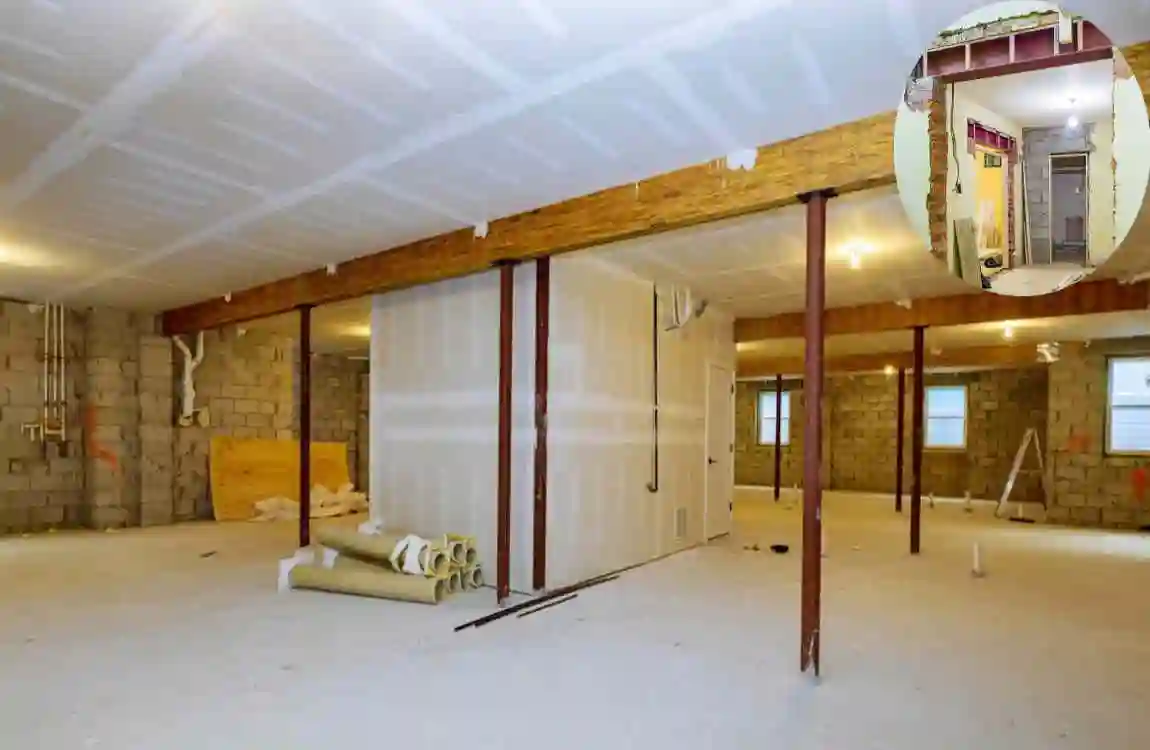
If permits or costs are a concern, consider these creative alternatives:
- Partial Openings: Cut a large pass-through instead of removing the whole wall.
- Barn Doors: Slide doors add style and function without structural changes.
- Arches: Create an open feel with an archway, often permit-free.
Pros and Cons List
AlternativeProsCons
Arches Aesthetic, usually no permit, Limited openness
Headers Only Minimal structural change Less open than full removal
Barn Doors Stylish, no structural work. Doesn’t fully open the space
Fixing Unpermitted Work
If you’ve already removed a wall without a permit, don’t panic. Here’s what to do:
- Apply for Retroactive Permits: Submit as-built plans and get inspections.
- Engineer Assessments: Have a professional verify safety.
- Expect Higher Fees: Retroactive permits cost 2–3 times more.
- Possible Demolition: Unsafe work may need to be removed.
Act quickly to avoid fines or demolition orders.
FAQs
Q: Can you remove a wall in your house without a permit?
A: Rarely. Only simple, non-load-bearing partitions without utilities might be exempt.
Q: What about non-load-bearing walls?
A: Even these often require permits if plumbing or electrical work is involved.
Q: How much are fines for unpermitted wall removal?
A: Fines vary but often start around $1,000 and can be much higher depending on location.