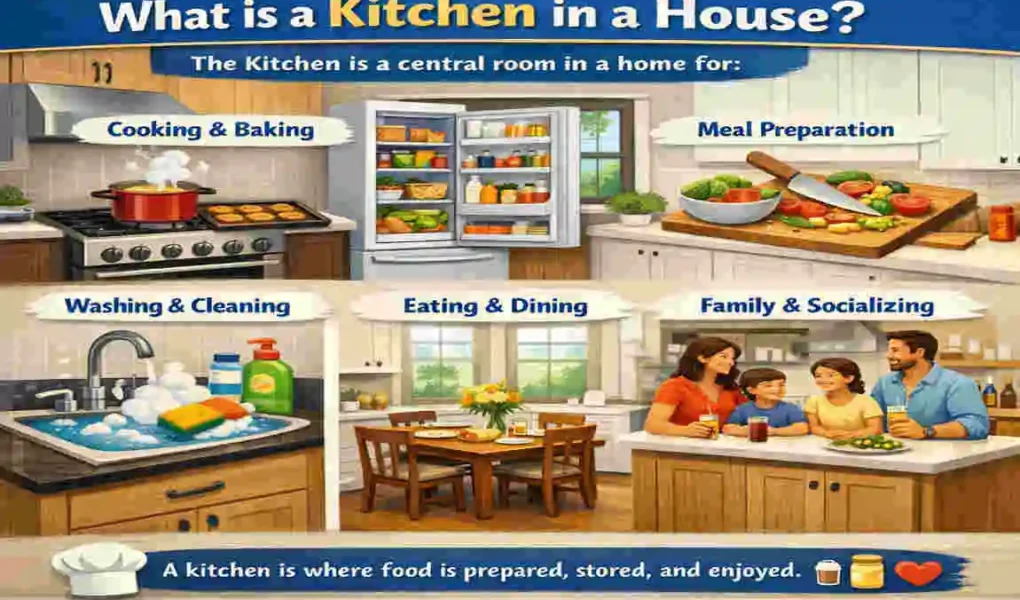
A kitchen is one of the most important rooms in a home. It is the space where people prepare food, cook meals, store ingredients, and clean up after eating. In many homes, the kitchen is also a place where family members talk, gather, and spend time together.
When people ask what a kitchen is, they usually want a simple answer. In easy words, a kitchen is the working area of a house that supports everyday food needs. It may be small or large, simple or modern, but its purpose stays the same.
What Is a Kitchen?
Definition of a Kitchen
A kitchen is a room or area in a home used for cooking and food preparation. It usually includes a sink, stove, refrigerator, cabinets, and countertops. Some kitchens are simple, while others have advanced features and modern appliances.
The main purpose of a kitchen is to make food preparation easier. It gives people a place to chop vegetables, cook meals, wash dishes, store food, and keep tools organized.
Why Every Home Needs a Kitchen
Every home needs a kitchen because it supports daily life in many ways.
- Food preparation for breakfast, lunch, and dinner
- Cooking meals safely and efficiently
- Food and utensil storage
- Cleaning and washing dishes and cookware
- Family gathering space in many modern homes
A kitchen is not just a room for cooking. It is a space that helps a household run smoothly.
Evolution of Kitchens Through History
Kitchens have changed a lot over time. In older homes, kitchens were often separate and simple. People cooked over open fires or basic stoves.
Modern kitchens look very different. They now include electric appliances, built-in cabinets, better lighting, and stronger work surfaces. Today, many homes also have smart kitchens with connected devices and energy-saving tools.
The kitchen has moved from a basic cooking space to a more useful, stylish, and comfortable room.
Main Functions of a Kitchen
Food Preparation Area
One of the main functions of a kitchen is food preparation. This is where people wash vegetables, chop ingredients, mix batter, and get meals ready for cooking.
Countertops are very important here. A good countertop gives enough space to work safely and comfortably.
Cooking Space
A kitchen is also the place where food is cooked. This usually includes a stove, oven, microwave, or cooktop.
Safety matters a lot in this area. Proper placement of appliances, adequate ventilation, and sufficient space around hot surfaces help reduce accidents.
Food Storage
Storage is another major function of a kitchen. Refrigerators keep food fresh, while pantries and cabinets hold dry goods, spices, and cooking supplies.
Without proper storage, ingredients can get messy, damaged, or spoiled.
Cleaning and Washing
Kitchens need a clean-up zone too. The sink and dishwasher help wash dishes, utensils, and food items.
This part of the kitchen supports hygiene. A clean kitchen helps keep food safe and lowers the chance of germs spreading.
Social and Family Activities
In many homes, the kitchen is more than a work area. It is also a social space. Families talk while cooking, children sit nearby, and guests may gather around the island or table.
Open-concept kitchens make this even easier. They connect cooking with conversation and shared time.
Essential Components of a Kitchen
Kitchen Cabinets
Cabinets are one of the most important parts of a kitchen. They provide storage for dishes, pans, food containers, and cleaning supplies.
Upper cabinets save wall space, while lower cabinets hold heavier items. Good cabinet design keeps the kitchen neat and organized.
Countertops
Countertops are the flat surfaces used for cutting, mixing, and placing items. They should be strong, easy to clean, and resistant to heat and stains.
Common materials include stone, laminate, wood, and tile. The best choice depends on budget, style, and daily use.
Kitchen Sink
The sink is used for washing hands, dishes, fruits, and vegetables, as well as cooking tools. It is one of the most used parts of the kitchen.
Different sink types include single-bowl, double-bowl, and deep sinks.
Cooking Appliances
Cooking appliances make meal preparation easier. The main ones include:
- Stove
- Oven
- Microwave
- Range hood
These tools help cook food quickly and safely. The range hood is especially useful because it removes smoke, heat, and cooking smells.
Refrigerator
The refrigerator is essential for food preservation. It keeps milk, vegetables, meat, leftovers, and other items fresh for longer.
A good refrigerator helps reduce waste and supports better meal planning.
Lighting Fixtures
Lighting is often overlooked, but it matters a lot. A kitchen needs good light for cooking, cleaning, and moving around safely.
There are three main types of kitchen lighting:
- Task lighting for work areas
- Ambient lighting for overall brightness
- Decorative lighting for style and mood
Different Types of Kitchens
Traditional Kitchen
A traditional kitchen has a classic look. It often uses warm colors, wood details, and familiar designs.
It feels cozy and timeless. Many people like it because it creates a comfortable home atmosphere.
Modern Kitchen
A modern kitchen usually has a clean and simple design. It often uses straight lines, smooth surfaces, and smart storage.
Modern kitchens may also include technology such as touchless faucets and smart appliances.
Contemporary Kitchen
A contemporary kitchen follows current trends. It changes with time and often mixes style with practicality.
This type of kitchen may include bold colors, new materials, and flexible layouts.
Farmhouse Kitchen
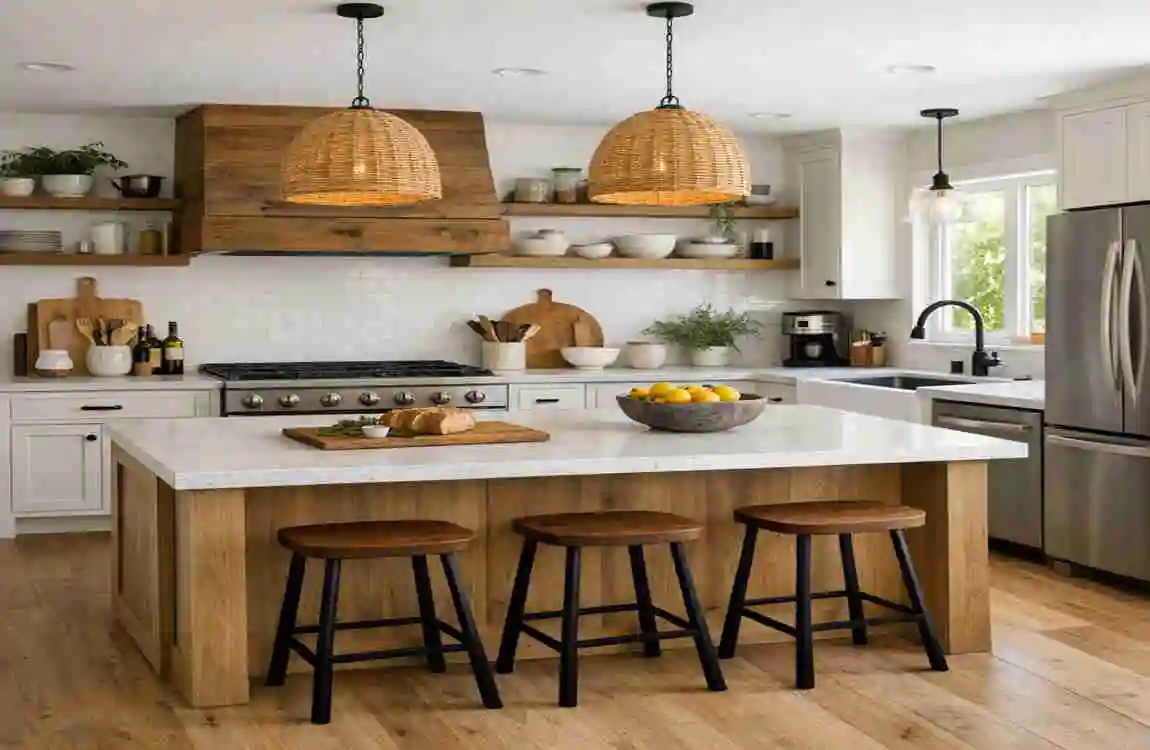
A farmhouse kitchen feels warm, rustic, and welcoming. It often includes wooden accents, open shelves, and large sinks.
This style is popular because it creates a relaxed and homey feeling.
Luxury Kitchen
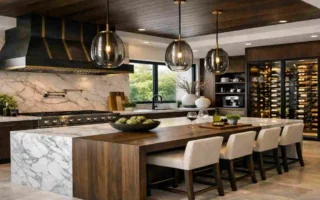
A luxury kitchen uses Premium materials and high-end appliances. It often includes large islands, custom cabinets, and elegant finishes.
This type of kitchen is designed for both beauty and performance.
Popular Kitchen Layouts
One-Wall Kitchen
This layout places everything along one wall. It works well in small homes, apartments, and studio spaces.
Galley Kitchen
A galley kitchen has two parallel counters. It is very efficient because everything is close together.
L-Shaped Kitchen
This layout uses two connected walls. It saves space and leaves room for movement.
U-Shaped Kitchen
A U-shaped kitchen has counters on three sides. It offers ample storage and workspace.
Island Kitchen
An island kitchen includes a separate center counter. It adds prep space and can also serve as seating or storage.
Peninsula Kitchen
A peninsula is similar to an island, but one side stays connected to the main kitchen. It works well when there is not enough room for a full island.
Why the Kitchen Is the Heart of the Home
Family Gatherings
The kitchen is often where families eat and spend time together. Shared meals create comfort and connection.
Entertaining Guests
Many people host guests in the kitchen. It feels warm, welcoming, and natural.
Daily Household Activities
The kitchen is used throughout the day. People cook, snack, chat, clean, and organize there.
Emotional Connection
Food often brings back memories. The kitchen becomes part of those memories because it is where meals and moments are created.
Key Features of a Well-Designed Kitchen
Efficient Workflow
A good kitchen makes movement easy. The kitchen work triangle connects the sink, stove, and refrigerator in a simple flow.
Adequate Storage
Storage should be easy to reach and well organized. This helps reduce clutter and saves time.
Proper Ventilation
Fresh air is important in a kitchen. Good ventilation removes smoke, heat, and cooking odors.
Good Lighting
Bright, balanced lighting makes cooking safer and easier. It also improves the look of the space.
Safety Measures
A safe kitchen should reduce fire risks and support family use. Child-friendly locks, non-slip floors, and proper appliance placement help a lot.
Common Kitchen Design Mistakes to Avoid
Poor Layout Planning
A bad layout can make cooking slow and frustrating. Make sure the sink, stove, and fridge are placed well.
Insufficient Storage
Without enough storage, the kitchen quickly becomes cluttered.
Inadequate Lighting
Dim kitchens are harder to use and less safe.
Ignoring Ventilation
Poor airflow can leave behind strong smells, heat, and moisture.
Choosing Style Over Function
A kitchen should look good, but it must also work well every day.
Kitchen Components and Their Functions
Kitchen Component Primary Function
Cabinets Storage
Countertops Food preparation
Sink Cleaning and washing
Refrigerator Food preservation
Stove/Oven Cooking
Dishwasher Cleaning dishes
Pantry Food storage
Lighting Visibility and ambiance
Benefits of Having a Functional Kitchen

A functional kitchen makes life easier in many ways.
- Faster meal preparation
- Better organization
- Improved family interaction
- Greater daily convenience
- Higher home value
When a kitchen works well, the whole home feels more comfortable.
Tips for Maintaining a Kitchen
Keep Surfaces Clean
Wipe counters, tables, and sinks regularly. Clean surfaces help keep the kitchen fresh and safe.
Organize Storage Areas
Group similar items together. This makes it easier to find what you need.
Maintain Appliances Regularly
Check your appliances regularly so they continue to work properly.
Improve Ventilation
Use exhaust fans or range hoods to keep the air clean.
Reduce Clutter
Keep only the items you use often on the counter. A tidy kitchen feels bigger and easier to use.
Frequently Asked Questions
What is a kitchen in simple words?
A kitchen is a room in a house where food is prepared, cooked, and often eaten.
Why is the kitchen important in a home?
The kitchen helps with cooking, storage, cleaning, and family interaction.
What are the basic parts of a kitchen?
The main parts include cabinets, countertops, a sink, a stove, a refrigerator, and storage areas.
What is the purpose of a kitchen?
Its main purpose is to prepare and cook food while also supporting storage and cleaning.
What are the different types of kitchens?
Common types include traditional, modern, contemporary, farmhouse, and luxury kitchens.
| Aspect | Description |
|---|---|
| Definition | A kitchen is a room or area in a house used for cooking and food preparation |
| Primary Purpose | Food storage, cooking, and cleanup center where meals are made |
| Additional Uses | Dining, entertaining guests, socializing, and sometimes working or doing homework |
| Basic Components | Countertops, cabinets, appliances (stove, refrigerator), sink, and lighting |
| Common Layouts | U-shaped, L-shaped, galley, one-wall, and open-concept designs |
| Why It’s Important | Often called “the heart of the home” where families gather and share meals |