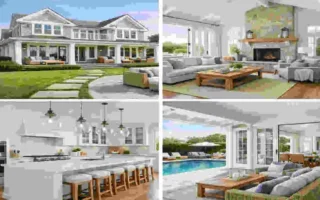
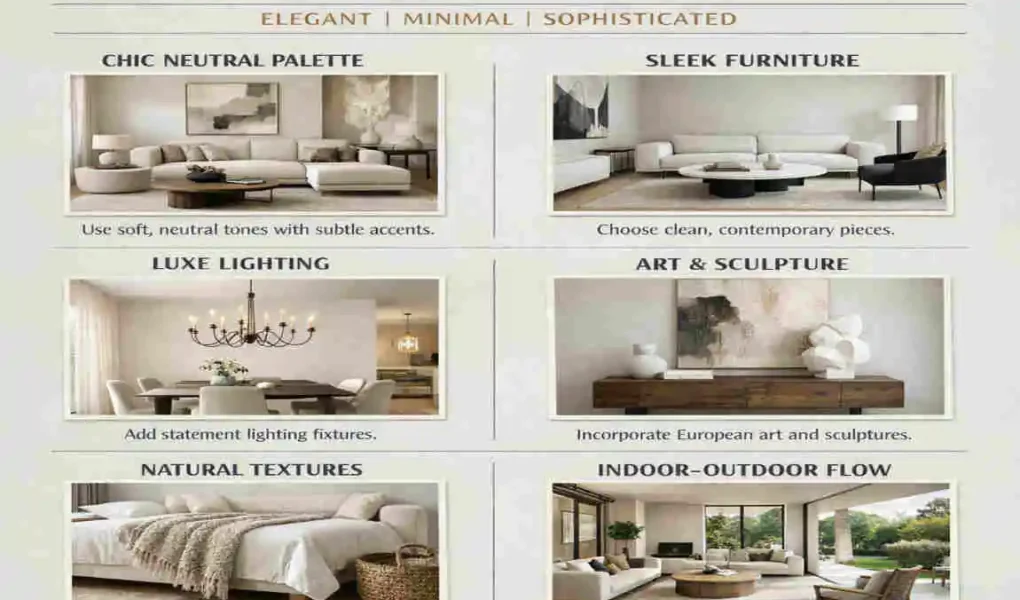
If you love spaces that feel calm, refined, and easy to live in, European modern homes may be exactly what you want to create. This style has become popular for a simple reason: it blends beauty and function in a way that feels timeless. It does not rely on too much decoration or flashy trends. Instead, it uses clean lines, soft colors, natural materials, and thoughtful details to create a home that feels both peaceful and polished.
| Tip | How to Apply It |
|---|---|
| Nuanced color palette | Paint walls in rich colors paired with white or sandstone for a modern Italian twist |
| Wood beams | Add oak or wood beams to ceilings for age, dimension, and a chic European farmhouse feel |
| Handmade light fixtures | Install Murano glass or artisan fixtures that celebrate European craftsmanship |
| European-style windows | Choose tilt-and-turn windows for unobstructed views and a breezy Mediterranean feel |
| Window treatments | Use shutters, Roman shades, or fabric shades as statement pieces, not just covers |
| Ceramic tiles | Lay patterned tiles on floors, backsplashes, or as wall art for coastal Mediterranean vibes |
| Wood flooring | Install white oak in herringbone or traditional large-board patterns for warmth and sophistication |
| Arches | Incorporate arches in doorways or windows for a dramatic, timeless Italian statement |
| Exposed plumbing | Use brass exposed pipes and wall-hung sinks for an old-world bathroom feel |
| Personal souvenirs | Display travel memories, small statues, or items from European trips as decor |
What makes this style stand out is its balance. A European modern home can feel luxurious without looking heavy. It can feel minimal without feeling empty. It can look elegant while still being warm and comfortable. That is why so many homeowners, designers, and architecture lovers are drawn to it.
What Are European Modern Homes?
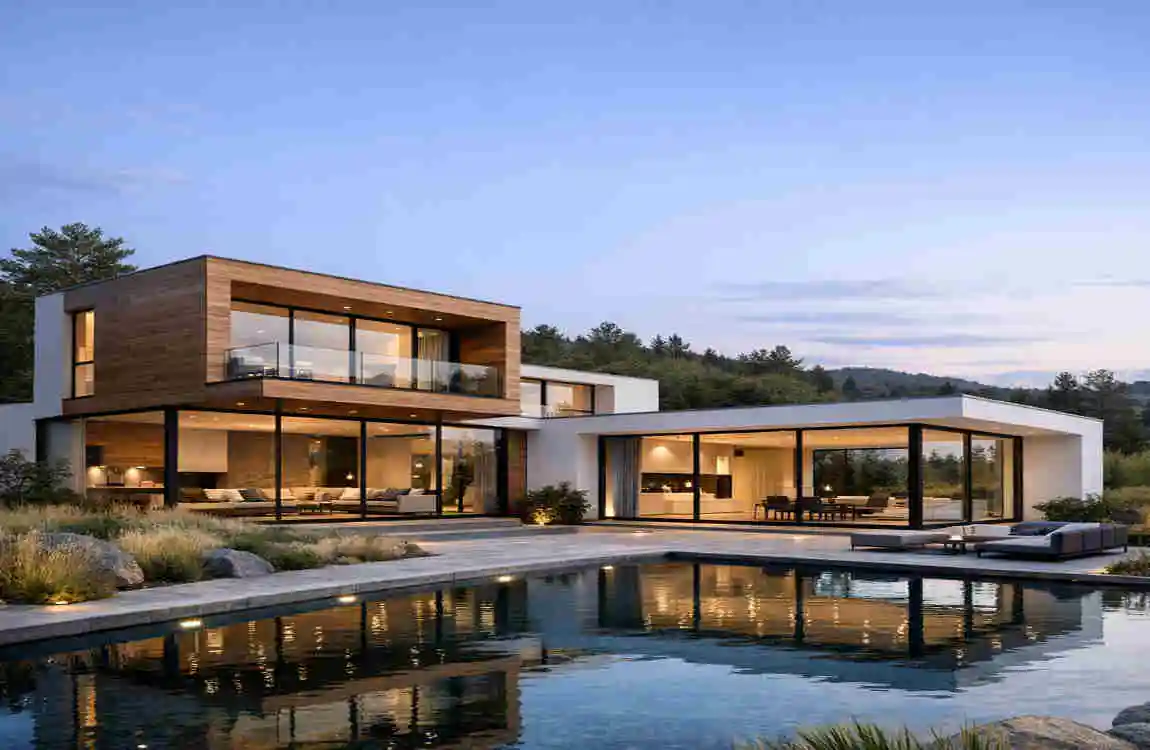
Before you start decorating, it helps to understand what this style really means. European modern homes are not about following one strict formula. Instead, they combine modern structure with a relaxed, elegant, and often understated European feel. The result is a home that feels polished but never overdone.
Defining European Modern Interior Style
At the heart of this style are clean lines, open layouts, and practical design. You will usually notice fewer visual distractions, smoother surfaces, and furniture that serves a purpose without adding clutter.
This style also values refined simplicity. That means every piece in the room should feel intentional. A sofa is not just a sofa. It should have a shape, fabric, and scale that work with the room. A lamp is not just a lamp. It should add beauty and light without taking over the space.
In many ways, this design style says more by using less.
Key Influences in European Design
European modern style often draws from different regions, and each one brings something special:
- Scandinavian minimalism adds lightness, simplicity, and a calm mood.
- Italian sophistication brings rich materials, elegant lines, and quiet luxury.
- French contemporary design adds charm, softness, and a sense of timeless grace.
- German practicality focuses on function, order, and efficient use of space.
When these influences come together, you get a home that feels modern, warm, and thoughtfully designed.
Why Homeowners Love This Style
There is a reason European modern homes stay popular year after year. This look is:
- Timeless, so it does not feel outdated quickly
- Luxurious but uncluttered, which makes spaces feel calm
- Practical, because beauty and function work together
- Bright and spacious, even in smaller homes
If you want your home to feel elegant without being stiff, this style strikes the perfect balance.
Start with a Neutral Color Palette
Color is one of the most important parts of decorating European modern homes. A neutral palette helps create the soft, relaxed mood this style is known for. It also makes it easier to layer in natural textures, simple furniture, and elegant accessories.
Best Base Colors
Start with colors that feel light, soft, and calm. The best base shades usually include:
- White
- Cream
- Beige
- Warm gray
- Soft taupe
These colors make the home feel open and airy. They also create a strong backdrop for other design elements, such as wood, stone, and black metal accents.
The key is to choose neutrals that feel warm rather than stark. A cool white can sometimes feel too sharp, while a creamy white or soft beige often brings more comfort.
Accent Colors That Add Character
Once your base is in place, you can add depth with richer accent tones. A European modern home does not need bright colors everywhere. Instead, a few deeper shades can create just enough contrast.
Some beautiful accent colors include:
- Olive green
- Matte black
- Charcoal
- Deep navy
- Earthy terracotta
These shades work well because they feel grounded and natural. You can use them in pillows, art, chairs, rugs, or small decorative pieces. Even one dark accent can help the room feel more layered and complete.
How to Avoid Making the Space Feel Cold
A neutral palette can look elegant, but if you are not careful, it can also feel flat or cold. The easiest way to avoid that is by adding warmth through texture and natural finishes.
Here are a few simple ways to soften the space:
- Layer soft textiles like wool, cotton, or linen
- Add wood finishes to furniture or flooring
- Mix matte and smooth surfaces so the room feels more alive
- Use warm lighting instead of harsh white light
The goal is not to make the room colorful. The goal is to make it feel inviting.
Choose Minimal Yet Luxurious Furniture
Furniture plays a major role in shaping a room’s mood. In Europeanmodern European homes, furniture should feel elegant, useful, and calming. You want pieces that look beautiful but do not overwhelm the space.
Focus on Functionality
Function matters just as much as appearance. Every piece should have a clear purpose. That is why multi-use furniture works so well in this style.
Look for pieces with:
- Streamlined forms
- Clean silhouettes
- Practical storage
- Simple, balanced shapes
A low bench that offers seating and storage, or a coffee table with hidden shelves, can support both style and function. The room feels more open when furniture works hard without looking bulky.
Materials That Fit the Style
The right materials can instantly make a space feel more European and modern. These materials are especially common in luxury and contemporary European interiors:
Material: Why It Works, Best Use
Walnut wood is rich, warm, and elegant. Tables, cabinets, chairs
Oak Light, natural, and timeless Flooring, shelving, furniture
Linen upholstery , soft and relaxed , sofas, chairs, headboards
Leather adds depth and sophistication to accent chairs, stools, and details
Marble Feels refined and classic Countertops, tables, surfaces
Metal Brings a modern edge to lamp bases, frames, and hardware
These materials work well because they feel honest and natural. They do not need to shout for attention.
Furniture Ideas That Match the Style
If you are unsure where to start, choose furniture that has a low, balanced profile. Some ideal pieces include:
- Low-profile sofas
- Curved accent chairs
- Floating shelves
- Minimalist coffee tables
- Platform beds
These pieces create a relaxed look while keeping the room visually open. Curved shapes can soften a room full of straight lines, while low furniture helps ceilings feel higher, and spaces feel larger.
Embrace Open and Airy Layouts
A European modern home should feel easy to move through. You should not have to squeeze around furniture or feel boxed in by too many items. Good layout design is one of the main reasons this style feels so comfortable.
Why Spatial Flow Matters
In many Europeanmodern European homes, space is valued. That means rooms are not stuffed with furniture or cluttered with unnecessary decor. Instead, the focus is on breathing room.
When a room has space around each object, it feels calmer and more elegant. The eye can rest. The home feels less crowded. Movement also becomes easier, which makes everyday life smoother.
Layout Tips
To create a better flow, try these ideas:
- Use fewer but better furniture pieces
- Leave clear walking paths
- Place items in a balanced way
- Avoid blocking windows or doorways
- Keep open zones around key furniture
Symmetry can also help. You do not need perfect mirror images, but a sense of balance makes a room feel more stable and calm.
Small Space Adaptation
If your home is not large, you can still create the feel of European modern design. In fact, this style often works beautifully in smaller homes because it values simplicity.
Useful ideas for smaller spaces include:
- Vertical storage to save floor space
- Foldable furniture for flexibility
- Mirrors to reflect light and create depth
- Hidden storage to reduce clutter
The more open the room feels, the more stylish it will look.
Use Natural Materials for Warmth
One of the strongest features of European modern homes is the use of natural materials. These materials give the home character, softness, and warmth. They also help the space feel more grounded and real.
Wood Elements
Wood is one of the most important materials in this style. It adds natural beauty and helps break up all the smooth surfaces in a modern room.
You can use wood in:
- Flooring
- Ceiling beams
- Cabinets
- Dining tables
- Sideboards
- Shelving
Light woods create a soft, fresh feeling, while darker woods like walnut make the room feel richer and more dramatic. Both can work beautifully in European modern interiors.
Stone and Marble
Stone and marble bring a sense of elegance and permanence. They are often used in kitchens, bathrooms, and fireplace areas because they feel durable and refined.
Popular uses include:
- Countertops
- Fireplace surrounds
- Accent walls
- Coffee tables
- Sink areas
Stone works especially well when paired with wood. The contrast between hard and soft, cool and warm, adds depth to the room.
Organic Touches
Natural materials are not only about large surfaces. They also show up in the smaller details that help a room feel complete.
Think about adding:
- Jute
- Linen
- Cotton
- Wool
- Clay
- Ceramic
These materials bring softness and texture. They make the space feel lived in, not staged.
Natural materials are a signature of European modern homes and one of the easiest ways to make the style feel authentic.
Maximize Natural Light
Light is one of the biggest design tools in European modern style. Bright, airy rooms feel more open, more welcoming, and more luxurious. Good lighting also helps the materials and textures stand out.
Large Windows and Openings
If your home has large windows, let them shine. Floor-to-ceiling windows, wide openings, and slim black frames all support the modern European feel.
These features:
- Bring in more daylight
- Connect the indoors with the outdoors
- Make rooms feel larger
- Highlight clean architectural lines
If you are remodeling, even a small change in window style can have a big impact.
Sheer Window Treatments
Window coverings should let light in, not block it. That is why linen curtains and neutral blinds work so well. They soften the room while still allowing daylight to filter through.
Choose fabrics and colors that feel light and quiet. Heavy drapes may work in some settings, but for this style, you usually want something more relaxed and airy.
Reflective Design Features
You can also use reflective surfaces to spread light around the room.
Try:
- Mirrors
- Glossy finishes
- Glass partitions
- Polished metal accents
These features help brighten darker corners and create a more open feel. They also bring in a subtle sense of polish.
Artificial Lighting
At night, the right artificial lighting keeps the home feeling warm and elegant. A layered lighting plan works best.
Include:
- Pendant lights
- Recessed lights
- Sculptural lamps
- Soft wall lighting
Mixing light sources helps avoid harsh shadows and creates a softer glow in the home. This is especially important in European modern homes, where atmosphere matters as much as function.
Decorate with Less but Better
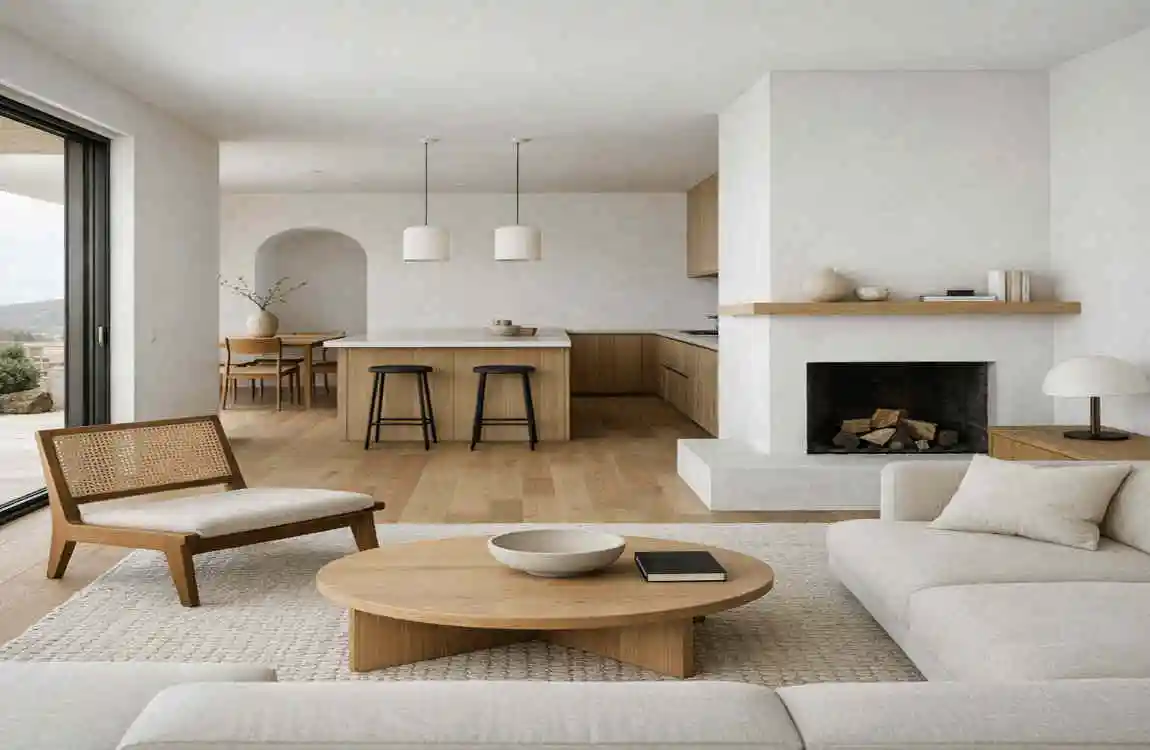
European modern style is not about filling shelves with objects. It is about choosing items that matter. That is why the phrase “less but better” fits this style so well.
Minimalist Styling Principles
When decorating, ask yourself whether each item adds value. Does it look beautiful? Does it serve a purpose? Does it help the room feel calmer?
This mindset encourages:
- Quality over quantity
- Intentional decor
- Simple arrangements
- Clear surfaces
A few thoughtful pieces often make a stronger statement than many small ones.
Decorative Elements That Work
You do not need to avoid decor entirely. You just need to choose pieces with the right shape, texture, and presence.
Decor items that work well include:
- Oversized mirrors
- Ceramic vases
- Sculptural objects
- Abstract wall art
- Stone accessories
- Architectural books
These pieces feel curated instead of random. They help the room feel personal yet controlled.
Avoid Overcrowding
One of the easiest mistakes to make is to keep adding items until the room loses its calm. In this style, negative space is essential. Space helps the room breathe and gives your favorite pieces more visual importance.
If a shelf or table feels crowded, remove a few objects. The room will often look better right away.
Incorporate Texture for Depth
Because European modern interiors often use simple colors and clean shapes, texture becomes very important. It adds character to the room and helps prevent the design from feeling flat.
Why Texture Replaces Excessive Ornament
Older styles often relied on heavy decoration, moldings, or elaborate patterns. In European modern homes, texture takes over that role instead.
A textured room feels richer without needing extra objects. You can create this feeling by carefully mixing different surfaces and fabrics.
Texture Pairing Ideas
Here are some easy combinations that work well:
- Linen + oak
- Leather + marble
- Wool + matte metal
- Concrete + soft fabric
These pairings create balance. Hard surfaces feel more inviting when paired with something soft, while soft materials feel more interesting beside a smoother finish.
Layering Softness
To make the room feel comfortable, add soft layers through:
- Rugs
- Throws
- Upholstery
- Cushions
You do not need bright colors to make a room warm. Texture alone can do a lot of the work. A soft rug under a clean-lined sofa, for example, can completely change the mood of the room.
Focus on Flooring and Rugs
Flooring is often overlooked, but it has a major effect on the final look. In European modern design, flooring should complement the home’s clean, natural, and elegant feel.
Flooring Options
Some of the best flooring choices include:
- Light oak hardwood
- Herringbone wood
- Concrete
- Polished stone
Light wood floors are especially popular because they make spaces feel open and warm. Herringbone adds a touch of classic European style without feeling too traditional. Concrete and stone work well in more modern, urban settings.
Rug Selection
A rug should bring the room together, not fight with it. Choose rugs that support the palette and add gentle texture.
Good rug options include:
- Neutral wool rugs
- Flatweave rugs
- Minimal geometric patterns
Try to avoid rugs that are too busy or colorful unless they are part of a very intentional design plan. In most Europeanmodern European homes, the rug should help anchor the room while remaining visually quiet.
Add European-Inspired Architectural Details
The architecture itself can help create the European modern look. Even if your home is simple, a few thoughtful details can make it feel more designed and more sophisticated.
Wall Treatments
Walls do not always need to stay flat and plain. Subtle wall details can add depth without making the room feel heavy.
Popular options include:
- Panel molding
- Limewash paint
- Plaster finishes
These finishes bring a soft, textured quality to the room. Limewash and plaster, in particular, give walls a gentle movement that feels very refined.
Ceiling Features
Ceilings can also contribute to the design. You might add:
- Subtle beams
- Cove lighting
- Clean modern trim
These details are usually understated, but they help the room feel more complete. They add structure without overwhelming the space.
Doors and Frames
European modern style often includes elegant door shapes and strong frame details. Some good choices are:
- Arched doors
- Black steel frames
- Tall minimalist doors
These elements create visual interest and a sense of architecture, even in a simple home.
Bring Nature Indoors
A home feels more alive when you bring in a bit of nature. This is a natural fit for European modern homes, where organic shapes and materials are already part of the style.
Plants That Match Modern European Aesthetics
Some plants work especially well in this kind of interior. Good choices include:
- Olive trees
- Fiddle leaf figs
- Snake plants
- Lavender
- Monstera
These plants have clean shapes and an elegant presence. They do not need to be overly decorative to make an impact.
Organic Styling
You can also use natural containers and simple arrangements to keep the look cohesive.
Try:
- Stone pots
- Ceramic planters
- Dried branches
The goal is to avoid anything too artificial or busy. Even one plant in the right container can make a room feel softer and more welcoming.
Style Room by Room in European Modern Homes
Each room in the home has its own purpose, so the styling should reflect that. A European modern look works best when it feels consistent throughout the home while still tailored to each space.
Living Room
The living room should feel calm, comfortable, and elegant. This is where you can create a strong first impression.
Focus on:
- A statement sofa with clean lines
- A neutral palette
- Sculptural lighting
- A simple coffee table
- A few well-chosen decor pieces
Keep surfaces open and let the furniture’s shape do most of the talking. A single large artwork or mirror can be more effective than many small items.
Kitchen
The kitchen should feel sleek, functional, and bright. In many European modern homes, the kitchen is one of the most beautiful rooms because it blends performance and style so well.
Look for:
- Handleless cabinetry
- Marble countertops
- Wood accents
- Integrated appliances
This creates a clean, seamless look. If you want warmth, add wood stools, open shelving, or subtle lighting under cabinets.
Bedroom
The bedroom should feel restful and soft. This is the place to lean into comfort while still keeping the modern European mood.
Use:
- An upholstered headboard
- Layered bedding
- Floating nightstands
- Soft lamps
- Neutral curtains
Keep the palette gentle and the decor minimal. The bedroom should invite rest, not visual noise.
Bathroom
A European modern bathroom should feel like a quiet spa. Clean materials and simple lines work especially well here.
Consider:
- Natural stone
- Frameless glass
- Matte fixtures
- Floating vanities
- Soft lighting
The bathroom can feel luxurious even with a simple layout if the materials are good and the details are neat.
Dining Room
The dining room is a great place to show warmth and elegance together. It should feel intimate but not crowded.
Try:
- A wooden table
- Pendant lighting
- Curved chairs
- A simple centerpiece
If you want to create a little drama, choose a sculptural light or a table with a strong wood grain. That one piece can give the whole room presence.
Common Decorating Mistakes to Avoid
Even a beautiful style can lose its impact if it is not handled carefully. When decorating European modern homes, a few common mistakes can undermine the look you want.
Overdecorating
Too many decorative objects can make the room feel busy and less elegant. If every surface is covered, the space loses its calm.
Too Much White Without Warmth
White is a great base color, but too much of it can feel sterile. Always balance white with wood, texture, soft fabric, or warm lighting.
Ignoring Scale
Furniture that is too large can make the room feel crowded. Furniture that is too small can look weak or awkward. Size matters. Always think about how each piece fits the room as a whole.
Mixing Too Many Styles
It can be tempting to combine many looks at once, but that often weakens the design. European modern style works best when the home feels cohesive and intentional.
Poor Lighting
Bad lighting can ruin an otherwise beautiful room. Harsh, cold light can make the space feel flat. Aim for layered lighting that feels warm and balanced.
How to Create Luxury on a Budget
You do not need a huge budget to get the feel of European modern design. In fact, some of the most effective changes are surprisingly simple.
Affordable Upgrades
If you want a stronger look without spending too much, focus on:
- A paint refresh
- New textiles
- Modern lighting
- Better hardware
These updates can make a room feel new without a full renovation.
High-Impact Pieces Worth Investing In
A few items are worth spending more on because they affect the whole room. These include:
- Sofa
- Dining table
- Flooring
- Quality rugs
If you invest in the right basics, the rest of the room can stay simple and still feel elevated.
Budget Styling Tips
You can also save money by decorating with care instead of quantity.
- Choose fewer statement pieces
- Look for thrifted European-style decor
- Keep the palette neutral and consistent
- Mix affordable items with one or two higher-end pieces
This approach creates a polished look without feeling forced.
Why European Modern Homes Remain Timeless
Trends come and go, but European modern homes remain relevant because they are built on strong design principles. They focus on functional beauty, meaning the home not only looks good but also works well in everyday life.
This style also adapts easily. Whether your space is a city apartment, a family home, or a luxury renovation, the same design ideas can be scaled up or down. That flexibility helps the style stay useful over time.
Another reason it remains popular is its quiet sophistication. It does not depend on loud trends or heavy ornament. Instead, it creates a sense of calm, comfort, and confidence. That is a look many people will always want.
FAQ
What defines European modern homes?
A mix of minimalism, clean architecture, natural textures, and elegant simplicity defines European modern homes. They often feel open, calm, and carefully balanced.
Which colors work best in European modern interiors?
The best colors are usually white, beige, taupe, gray, cream, and earthy accent shades like olive or terracotta. These tones create a soft and timeless look.
Are European modern homes expensive to decorate?
Not always. You can create the style with smart choices like neutral paint, simple furniture, layered textiles, and a few quality statement pieces.
What materials are common in European modern design?
Common materials include wood, marble, linen, stone, leather, glass, and metal. These materials bring warmth, texture, and a refined look.
How can I make a small home feel European modern?
Use natural light, neutral colors, minimal clutter, multifunctional furniture, and simple decor. Mirrors and hidden storage also help small spaces feel more open.