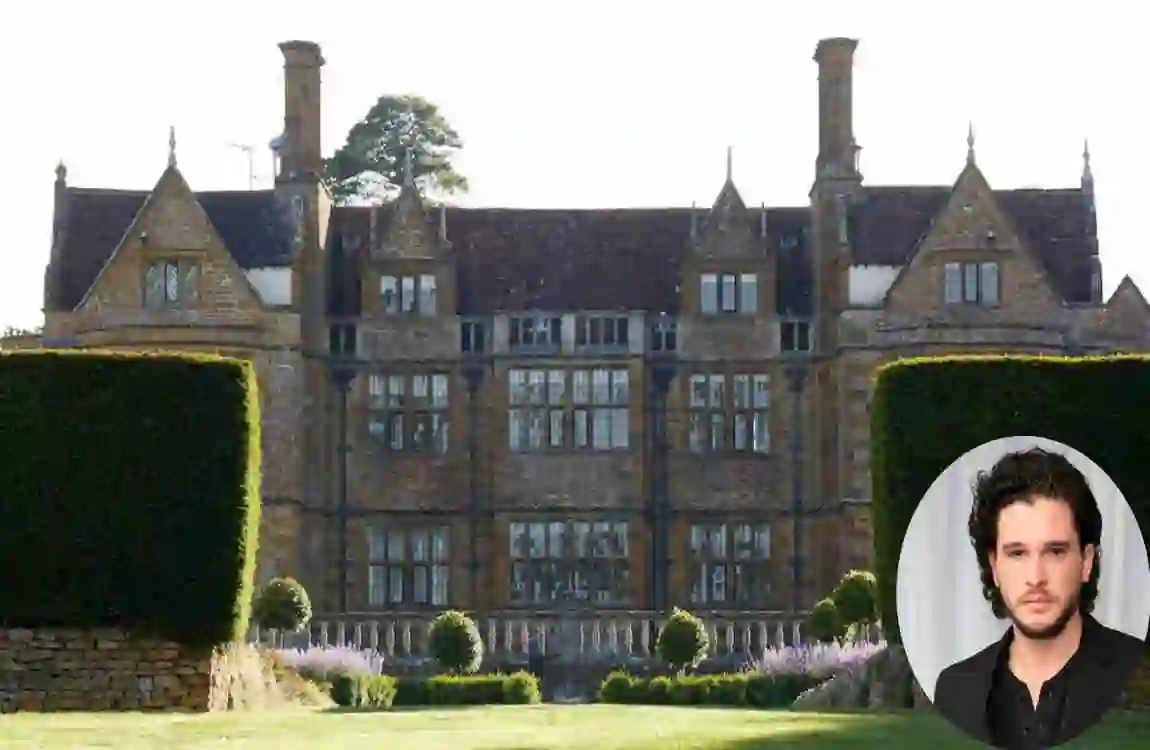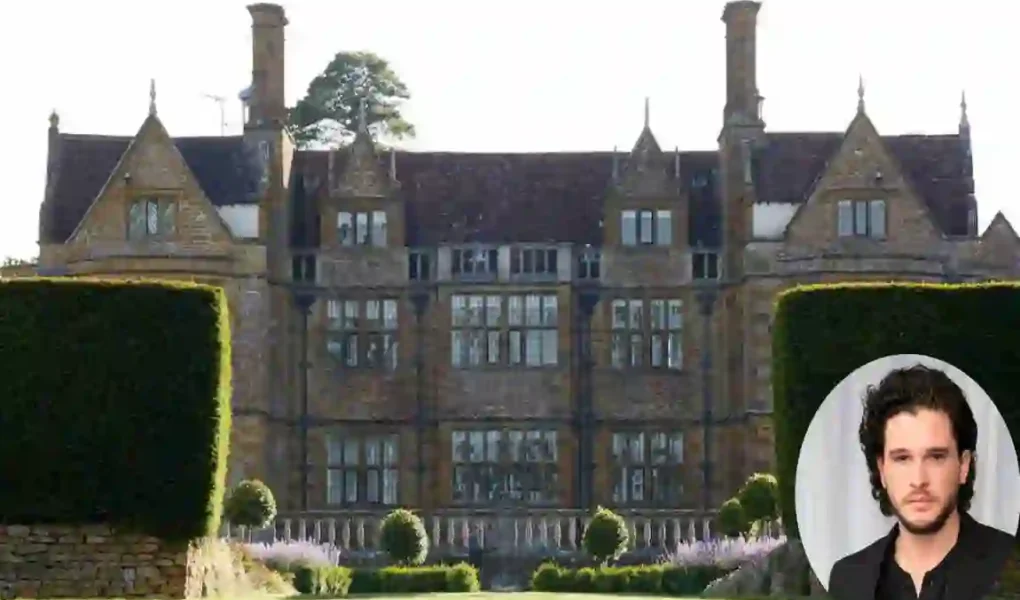
If you are a fan of Game of Thrones, you likely know Kit Harington as the brooding, heroic Jon Snow, the man who united the North. But did you know that Kit’s real-life family history is even more dramatic, bloody, and rebellious than anything George R.R. Martin could write? It turns out, the man who played the King in the North has royalty—and infamy—running through his veins.
Welcome to our deep dive into the Christopher Catesby Harington house, a location that serves as a bridge between modern celebrity culture and one of the most explosive events in British history. This isn’t just a story about a Hollywood actor’s real estate; it is a journey into the past. We are going to explore the ancestral estate connected to Robert Catesby, the mastermind behind the Gunpowder Plot of 1605.
The Enigmatic History of Christopher Catesby Harington House
Now, let’s turn our attention to the structure itself. When we talk about the Christopher Catesby Harington house, we are referring to the ancestral seat in the Midlands of England, specifically around Lapworth in Warwickshire. This region is steeped in history, characterized by rolling green hills and ancient woodlands that seem to whisper stories of the past.
Origins in the 16th Century
The house (often historically associated with the Catesby family estates, such as Bushwood Hall or Lapworth Park) dates back to the 16th century. Imagine a time of religious turmoil, knights, and candlelight. The architecture is distinctly Tudor.
If you were to stand outside the Christopher Catesby Harington house during its prime, you would see a fortified manor designed not just for comfort, but for defense. The walls were thick, built to withstand the elements and, occasionally, the King’s soldiers.
A Timeline of Ownership
The ownership of the estate is a complex web. It was firmly in the hands of the Catesby family, a prominent landowning Catholic family. Over centuries, through marriage, inheritance, and the confiscation of lands following the failed treason, the specific properties shifted hands. However, the spiritual and historical connection remains with the Haringtons today.
Key Historical Milestones of the Estate:
- 1500s: The Catesby family establishes dominance in Warwickshire. The manor is expanded.
- 1605: The Gunpowder Plot fails. Robert Catesby is killed. The family’s lands are seized or subjected to heavy scrutiny by the Crown.
- 1700s-1800s: The house undergoes renovations, transitioning from a fortress to a more comfortable domestic residence.
- 20th Century: The lineage connects the Catesby bloodline to the Harington family, merging these histories.
- Present Day: The location is known as the Christopher Catesby Harington House and attracts fans worldwide.
The house stands as a survivor. It has lived through the Plague, the English Civil War, and two World Wars. Every creaky floorboard in the Christopher Catesby Harington house has a story to tell, usually one involving secrets and spies.
Robert Catesby: The Gunpowder Plot Mastermind and House Connection
To understand the atmosphere of the Christopher Catesby Harington house, you have to understand the man who casts the longest shadow over it: Robert Catesby.
While Guy Fawkes is the name everyone remembers (mostly because he was the one caught holding the lantern near the gunpowder), he was merely the trigger man. Robert Catesby was the brains. He was the charismatic, intense leader who convinced a group of young men that violence was the only way to save their Catholic faith from the persecution of King James I.
The House as a Plotting Hub
Historians believe that the ancestral homes of the Catesby family were used as command centers. It is chilling to think about, isn’t it? In the very rooms that make up the history of the Christopher Catesby Harington house, treason was whispered.
Imagine a dark, rainy night in 1604 or 1605. Men in cloaks arrive on horseback, their faces obscured. They gather around a large oak table in the Great Hall. Maps of Parliament are spread out. The fire crackles, casting long, dancing shadows against the stone walls. They aren’t discussing the harvest; they are discussing how to decapitate the English government.
The Plot and Its Failure
The plan was simple but brutal: pack the cellar beneath the luxury House of Lords with barrels of gunpowder and blow it up during the State Opening of Parliament on 5 November 1605.
Below is a snapshot of the timeline that doomed the Catesby family:
DateEventSignificance
May 1604 The First Meeting The conspirators meet at the Duck and Drake inn, but planning continues at safe houses.
26 October 1605 The Monteagle Letter An anonymous letter warns Lord Monteagle to stay away from Parliament. The secret is out.
On 4 November 1605, Guy Fawkes was found in the cellar with the explosives.
8 November 1605 The Last Stand Catesby makes a final stand at Holbeche House, where he is shot and killed.
Modern Relevance
For Kit Harington, this isn’t just a history lesson; it is personal. In interviews, Kit has spoken about the complexity of his ancestors. He notes that while Catesby was a “terrorist” by definition, he was driven by a sense of persecution.
When you explore the history of the Christopher Catesby Harington house , you are examining the motives of a man pushed to the brink. The house is a monument to a failed revolution, and that lends it a heavy, almost melancholic beauty.
Architectural Marvels Inside Christopher Catesby Harington House
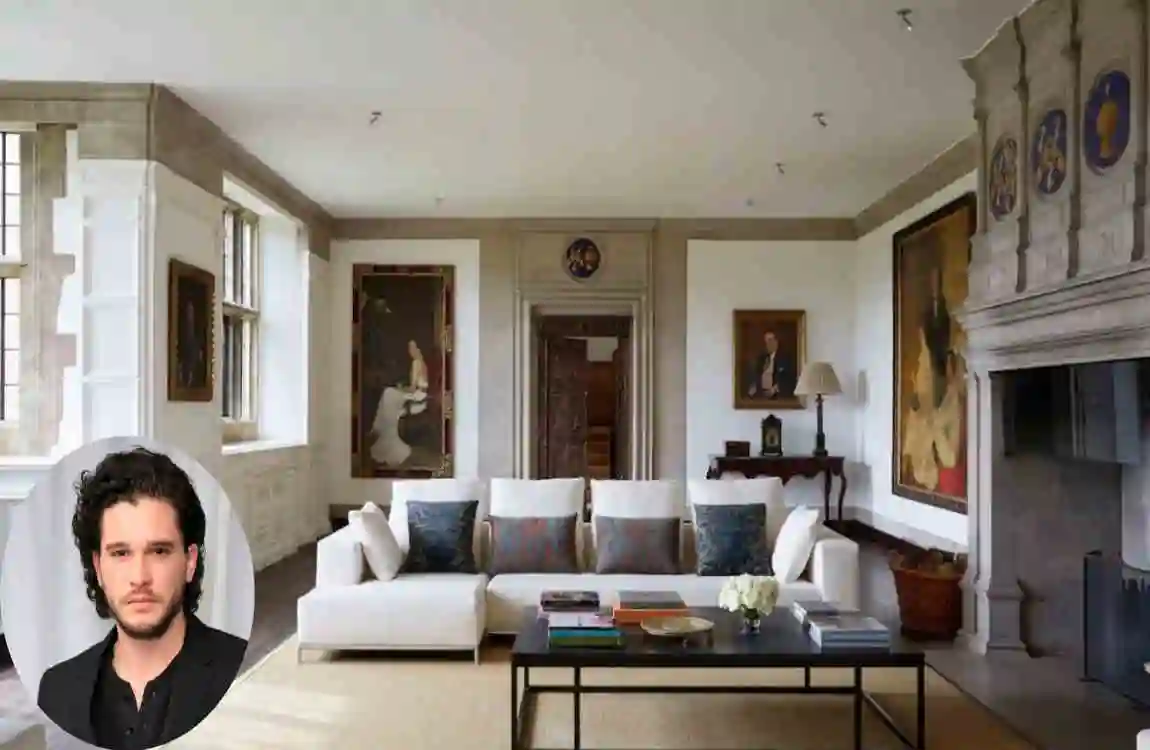
Let’s move away from the heavy history for a moment and appreciate the place’s aesthetic beauty. What does the Christopher Catesby Harington house actually look like? While specific modern interior photos are often kept private to protect the family, we can reconstruct the architectural marvels based on their Tudor heritage and historical descriptions of the Catesby estates.
The Ground Floor: Where History Lives
The heart of any Tudor manor is the Great Hall. In the Christopher Catesby Harington house, this room would likely feature a double-height ceiling with exposed oak beams. These beams are often darkened by centuries of smoke from the open hearth.
The fireplaces in these homes are massive—large enough to stand inside. They were the central heating systems of the 16th century. Today, they serve as the focal point for cozy family gatherings.
Adjacent to the hall, you would find the Library. Given the Harington family’s literary connections, this room is significant. Floor-to-ceiling wooden bookshelves, rolling ladders, and the scent of old paper define this space. It is easy to imagine Kit sitting here, reading a script for his next big role.
Bedrooms and Private Quarters
Moving upstairs, the Christopher Catesby Harington house likely features bedrooms with four-poster beds—a staple of the era. The windows are distinctive: leaded glass in diamond patterns (lattice windows). These windows distort the view slightly, making the outside world look like an impressionist painting.
Modern updates in these ancestral homes usually focus on comfort without destroying character. Think plush rugs over original wide-plank floorboards and modern en-suite bathrooms cleverly hidden behind wood-paneled doors.
Standout Features of the Estate:
- The Moat Remnants: Many houses of this era were moated. Traces of these water features often remain as decorative ponds or sunken gardens.
- The Wattle and Daub: If you strip back the plaster, you find the original construction technique of woven wood and mud that has lasted 400 years.
- The Herb Gardens: Traditional knot gardens growing herbs that would have been used in Catesby’s time for both cooking and medicine.
- Inglenook Fireplaces: Massive stone fireplaces with built-in seats (inglenooks) where people sat to stay warm.
- The Staircase: Intricately carved wooden banisters that creak with every step, signaling the age of the home.
Gunpowder Plot Secrets Hidden in the House
This is the section you have been waiting for. A house this old doesn’t just have rooms; it has secrets. The Christopher Catesby Harington house is rumored to contain architectural features specifically designed for deception.
Concealed Rooms and Priest Holes
During the reign of Elizabeth I and James I, being a Catholic priest was illegal. To protect their clergy, wealthy Catholic families like the Catesbys built “priest holes.”
These were tiny, claustrophobic hiding spots concealed behind false walls, under staircases, or even inside fireplaces. If the “priest hunters” came knocking, the priest would scramble into the hole and wait—sometimes for days—until the soldiers left. The Christopher Catesby Harington house’s heritage is likely to include these hiding spots. They are a physical reminder of the fear the family lived in.
Artifacts and Relics
Are there surviving letters? Perhaps. Families often kept dangerous correspondence hidden away. While most evidence was destroyed after the Plot failed, rumors persist of lost journals or lockets tucked away in the attic of the Christopher Catesby Harington house.
Myths vs. Facts
Of course, with old houses come ghost stories. Locals in Warwickshire often speak of the “Headless Horseman” legends, or spirits of the conspirators who can’t find rest.
- Myth: Robert Catesby’s ghost walks the halls of the Christopher Catesby Harington house.
- Fact: While atmospheric, there is no scientific proof of hauntings. However, the feeling of the past is undeniable.
Another popular myth is that there is buried gold on the grounds, intended to fund the rebellion. Metal detectorists have scoured the region for years, but the Christopher Catesby Harington house keeps its treasures (if they exist) well hidden.
Kit Harington’s Connection: Visits, Renovations, and Personal Stories
How does a Hollywood superstar interact with a home that carries such weight? Kit Harington has always been grounded, despite his fame. His connection to the Christopher Catesby Harington house lineage is one of respect and curiosity.
Embracing the “Black Sheep”
Kit has famously called Robert Catesby the “black sheep” of the family. Instead of shying away from this dark history, he embraces it. By producing Gunpowder, he essentially invited the world into his family history.
He has mentioned in interviews that visiting ancestral sites gives him a sense of perspective. When you stand in the Christopher Catesby Harington house (or the lands associated with it), you realize that your life is just a small chapter in a very long book.
Modern Life and Sustainability
While the house is old, the living standards don’t have to be. Reports on Kit’s own properties (he also owns a farmhouse in Suffolk) suggest he is keen on sustainability. Updating the Christopher Catesby Harington house would likely involve insulating those drafty Tudor walls and perhaps installing biomass boilers to heat the ancient rooms efficiently.
It is a delicate balance: preserving the history of the Christopher Catesby Harington house while making it livable for a modern family. Kit and his wife, Rose Leslie (who also has royal ancestry!), seem perfectly suited for this task. They represent the new generation breathing life into old stones.
Jon Snow vs. Robert Catesby
There is a poetic parallel here. Jon Snow was a man of honor, often misunderstood and forced to make hard choices. Robert Catesby was a man of conviction who made a terrible choice. Kit stands in the middle, the artist interpreting the past. His connection to the Christopher Catesby Harington house allows him to tap into that rebellious spirit for his acting roles.
Visiting Christopher Catesby Harington House: A Traveler’s Guide
By now, you are probably wondering, “Can I visit?” This is where we have to manage expectations. The Christopher Catesby Harington house and related family estates are often private residences. You cannot simply walk up and knock on the door (unless you want to be politely asked to leave by security).
However, you can immerse yourself in the world of the Catesbys and Haringtons by visiting the surrounding area.
Location and Getting There
The heart of this history is in Warwickshire and the Midlands.
- From London: It’s about a 2-hour drive or a quick train ride to stations near Stratford-upon-Avon or Warwick.
- From Birmingham: It’s a very short commute to the south.
Accessible Attractions
While you might not get inside the specific private rooms of the Christopher Catesby Harington house, the region is full of Gunpowder Plot history.
- Coughton Court: This nearby National Trust property has strong links to the Gunpowder Plot and features a priest hole you can actually see. It gives you the exact vibe of the Catesby home.
- The Gunpowder Plot Trail: Many tourism boards in the UK offer maps that take you to the inns and meeting spots used by Catesby and his crew.
- Local Churches: The churches in Lapworth and Ashby St. Ledgers often contain family tombs and memorials open to the public.
Travel Tips for History Fans:
- Best Time to Visit: November, naturally! Around Bonfire Night (5 November), the whole country lights fires to celebrate the failure of the plot. The atmosphere is electric.
- What to Pack: sturdy walking boots (for muddy fields), a raincoat, and a camera.
Why Christopher Catesby Harington House Captivates History Buffs and Fans
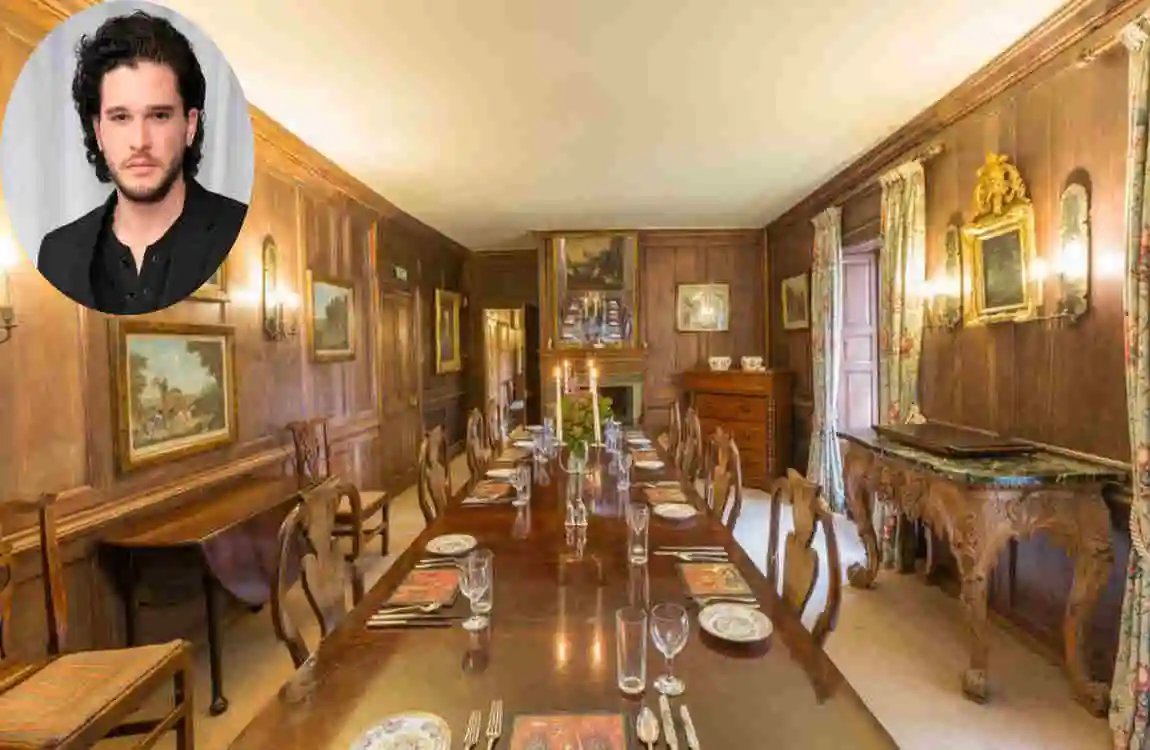
The allure of the Christopher Catesby Harington house is multifaceted. It isn’t just about celebrity worship. It is about the intersection of pop culture and high-stakes history.
For fans of Game of Thrones, it is fascinating to see that the actor who played a warrior comes from a line of warriors. For history buffs, the house serves as a reminder of how close Britain came to destruction in 1605.
The Christopher Catesby Harington house represents a tangible link to the past. In a world that moves so fast, something is grounding about a place that has stood for 400 years. It reminds us that history isn’t just in books; it’s in the bricks, the mortar, and the bloodlines of the people we watch on screen today.
So, would you be brave enough to spend a night in a stunning house filled with priest holes and plotters’ secrets?
FAQs: Common Questions About Kit Harington’s Ancestral Home
Here are some quick answers to the most common questions people ask about the Christopher Catesby Harington house.
What is the Christopher Catesby Harington house?
The Christopher Catesby Harington house refers to the ancestral estates linked to Kit Harington’s family, specifically the Catesby lineage in Warwickshire. It represents the home of Robert Catesby, the Gunpowder Plot leader.
Is the house open to the public?
Generally, no. Most properties directly connected to the family today are private residences. However, nearby historical sites like Coughton Court offer a very similar experience and are open to the public.
How is Kit Harington related to Robert Catesby?
Kit is a direct descendant of Robert Catesby through his mother’s side. Catesby is his eighth-great-grandfather. Kit’s full name, Christopher Catesby Harington, honors this lineage.
Any Gunpowder Plot artifacts on display?
While the private house may hold personal relics, the best place to see Gunpowder Plot artifacts is at museums in London or the Ashmolean Museum in Oxford, which holds Guy Fawkes’ lantern.
Can I stay overnight?
You cannot stay at Kit’s private home. However, there are many historic Tudor hotels and B&Bs in Warwickshire that let you sleep in buildings from the same era, offering a full atmospheric experience.
Where Does Christopher Catesby Harington Currently Live?
Kit Harington, whose full name is Christopher Catesby Harington, primarily resides at his countryside estate in Suffolk, England, with his wife Rose Leslie and their children. Recent reports confirm this six-bedroom home, purchased around 2017, as their main safe haven despite recent burglaries and privacy concerns there.
Christopher Catesby Harington house photo