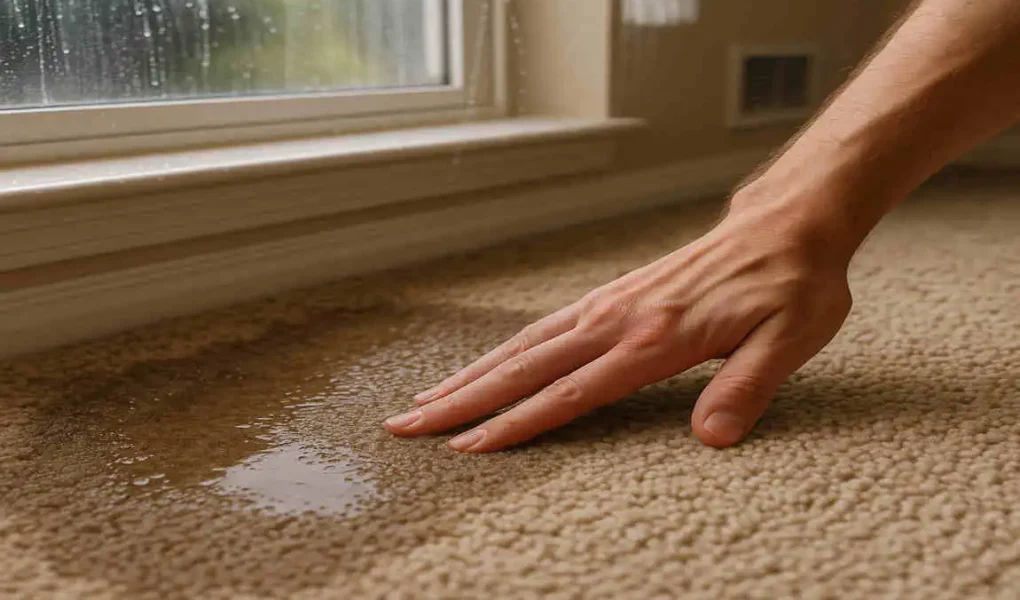
Discovering a wet carpet in your bedroom can be both alarming and inconvenient. It’s a situation that many homeowners face, and it’s essential to address it promptly. Wet carpets can lead to a range of problems, including health issues, structural damage, and even mold growth.
Understanding the Problem: Why Is My Carpet Wet in My Bedroom?
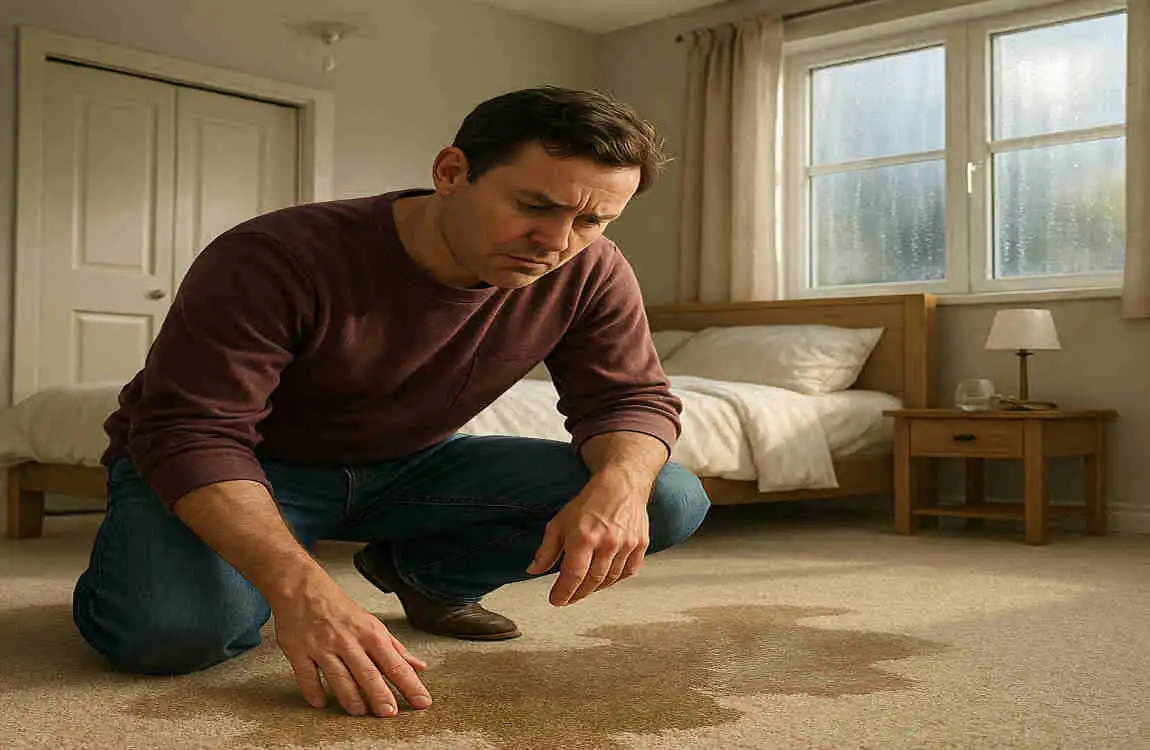
When you find your bedroom carpet wet, it’s crucial to determine the cause as soon as possible. Ignoring the issue can lead to a range of potential risks, including health hazards and structural damage to your home. By investigating the source of the moisture and taking timely action, you can prevent further complications and protect your living space.
Potential Risks of Ignoring a Wet Carpet
- Health Hazards: Wet carpets can create an ideal environment for mold and mildew growth, which can lead to respiratory problems and allergies.
- Structural Damage: Prolonged exposure to moisture can weaken the structure of your flooring and even affect the foundation of your home.
- Mold Growth: Mold can spread rapidly in damp conditions, resulting in unsightly stains and a musty odor in your bedroom.
Common Household Causes of a Wet Bedroom Carpet
Several common household causes can result in a wet carpet in your bedroom. Let’s explore each of these causes in detail and discuss how you can identify them.
Plumbing Issues
Plumbing problems are one of the most common culprits behind a wet bedroom carpet. Leaking or burst pipes inside or near your bedroom walls or floors can cause water to seep into your carpet. Additionally, faulty or leaking HVAC systems or adjacent bathrooms can also be the source of the moisture.
How to Check for Hidden Leaks
- Inspect Visible Pipes: Look for any signs of water damage or mineral deposits on exposed pipes.
- Check for Water Stains: Inspect walls and ceilings for water stains, as these can indicate a hidden leak.
- Monitor Water Meter: Turn off all water sources in your home and check if the water meter is still running, which could indicate a hidden leak.
Condensation and Humidity
High indoor humidity can cause condensation to form on cold surfaces, such as windows near your carpet. Poor ventilation in your bedroom can trap moisture, leading to a damp carpet. Additionally, living in a humid climate or experiencing seasonal changes can contribute to the problem.
How to Measure Indoor Humidity
- Use a Hygrometer: A hygrometer is a device that measures the moisture content in the air. Place it in your bedroom to monitor the humidity levels.
- Observe Window Condensation: If you notice condensation on your windows, it could be a sign of high indoor humidity.
Roof or Window Leaks
Water intrusion from a damaged roof or leaky window seals can cause your bedroom carpet to become wet. Rainwater can enter through a compromised roof, while poorly installed windows can allow water to seep into your home.
Signs to Look for
- Water Stains: Check your ceiling and walls for water stains, which can indicate a roof or window leak.
- Musty Smells: A musty odor near your windows or ceiling can be a sign of water intrusion and potential mold growth.
Appliance and HVAC Malfunctions
Malfunctioning appliances, such as air conditioners, heaters, humidifiers, or dehumidifiers, can leak water onto your carpeted floors. It’s essential to regularly inspect these appliances for any signs of leaks or issues.
How to Inspect Appliances
- Check for Water Puddles: Look for any water puddles or stains near your appliances.
- Examine Hoses and Connections: Inspect the hoses and connections of your appliances for any signs of damage or leaks.
- Listen for Unusual Noises: Pay attention to any unusual noises coming from your appliances, as they could indicate a problem.
Spills and Accidents
Every day spills of water, beverages, or pet accidents can also cause your bedroom carpet to become wet. It’s important to identify and address these smaller wet spots promptly to prevent further damage.
Importance of Regular Cleaning and Drying
- Clean Spills Immediately: Use a clean cloth or paper towel to blot up any spills as soon as they occur.
- Dry the Area: After cleaning up a spill, use a fan or dehumidifier to thoroughly dry the affected area.
Health and Structural Risks of Wet Carpets
Wet carpets can pose significant health and structural risks to your home and family. Let’s explore these risks in more detail and understand why it’s crucial to address the issue promptly.
Mold and Mildew Growth
One of the most significant dangers of wet carpets is the potential for mold and mildew growth. These fungi thrive in damp environments and can quickly spread throughout your carpet and into the air you breathe.
Dangers for Family Health
- Respiratory Problems: Mold spores can cause or exacerbate respiratory issues, such as asthma and allergies.
- Skin Irritation: Some people may experience skin irritation or rashes upon contact with mold.
- Immune System Compromise: Prolonged mold exposure can weaken the immune system, making individuals more susceptible to illness.
Allergens and Respiratory Problems
Damp carpets can also harbor allergens, such as dust mites and pet dander, which can trigger respiratory problems and allergies. The combination of moisture and allergens can create a perfect storm for health issues.
Flooring Damage and Costly Repairs
Ignoring a wet carpet can lead to significant damage to your flooring and potentially expensive repairs. The moisture can seep into the subfloor, causing it to rot or warp, which can compromise the structural integrity of your home.
Importance of Immediate Drying and Remediation
- Prevent Further Damage: By promptly drying and remediating the wet carpet, you can prevent further damage to your flooring and home.
- Avoid Costly Repairs: Addressing the issue early on can save you from costly repairs down the line.
How to Diagnose the Source of Your Wet Bedroom Carpet
To effectively address the issue of a wet bedroom carpet, it’s essential to diagnose the source of the moisture. Let’s explore some steps you can take to trace the source and determine the best course of action.
Steps to Trace the Source
- Visual Inspections: Carefully examine your bedroom and adjacent rooms for any signs of water damage, leaks, or stains.
- Smell for Mold: If you detect a musty odor, it could be a sign of mold growth and water intrusion.
- Check Adjacent Rooms: Investigate nearby bathrooms, kitchens, or laundry rooms for any plumbing issues or leaks that could be affecting your bedroom.
Using Moisture Meters or Professional Inspection Tools
If you’re having difficulty identifying the source of the moisture, consider using a moisture meter or hiring a professional to conduct an inspection. These tools can help you pinpoint the exact location and extent of the dampness.
When to Consider Calling a Plumber or Home Inspector
If you suspect a plumbing issue or structural damage, it’s best to call a professional for assistance. A plumber can help you identify and repair any leaks, while a home inspector can assess the overall condition of your home and provide recommendations for remediation.
Easy Solutions for Homeowners: How to Fix and Prevent Wet Carpets
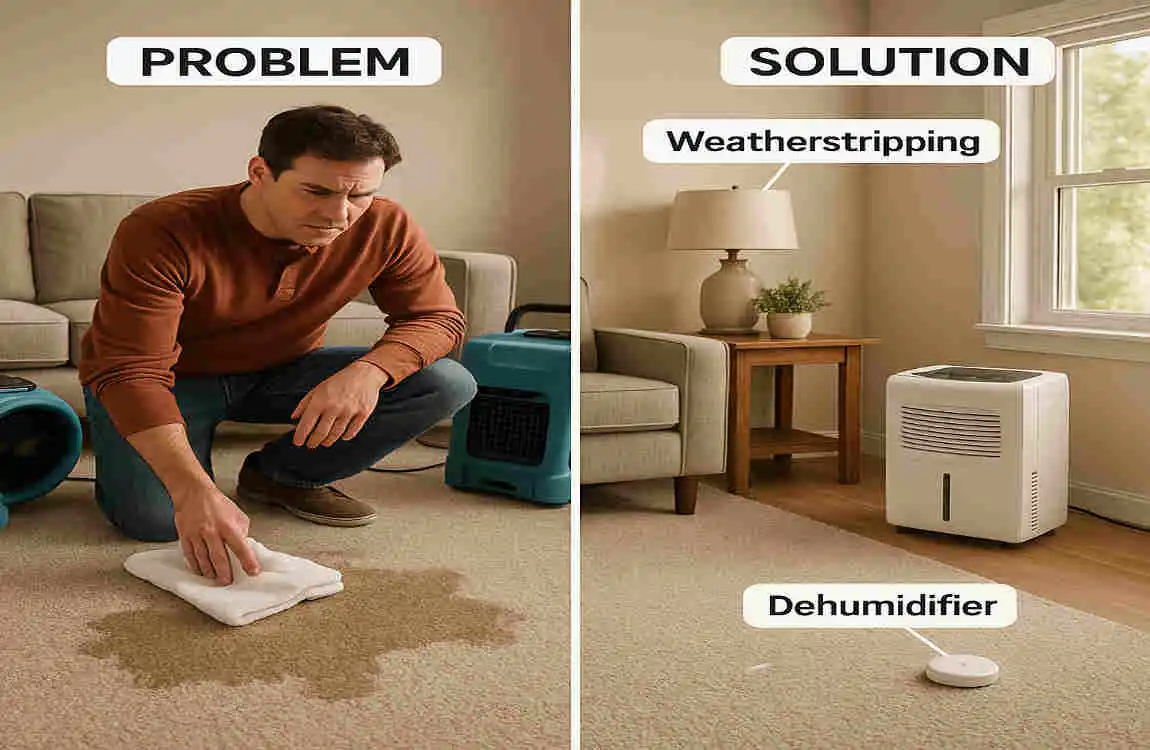
Now that we’ve explored the common causes and risks associated with wet bedroom carpets, let’s discuss some easy solutions for homeowners to fix and prevent the issue.
Immediate Actions
When you discover a wet carpet in your bedroom, it’s essential to take immediate action to dry and clean the affected area. Here are some steps you can take:
How to Dry the Wet Carpet Quickly
- Use Fans: Place fans around the wet area to enhance air circulation and accelerate the drying process.
- Use Dehumidifiers: Utilize a dehumidifier to remove excess moisture from the air, which helps dry the carpet more quickly.
- Consider Professional Drying Services: If the wet area is large or the carpet is heavily saturated, consider hiring a professional drying service to ensure thorough drying.
Steps to Extract Water Safely
- Use a Wet Vacuum: A wet vacuum can help you extract water from the carpet and prevent further damage.
- Blot the Area: Use clean towels or rags to blot up as much water as possible from the carpet.
Cleaning to Prevent Mold Growth
- Use Mild Detergents: Clean the affected area with a mild detergent to remove any dirt or stains.
- Apply Disinfectants: Use a carpet-safe disinfectant to kill any mold or bacteria that may be present.
Medium-Term Fixes
In addition to immediate actions, several medium-term fixes can be implemented to address the underlying cause of the wet carpet and prevent future occurrences.
Repairing Leaks
If you’ve identified a plumbing or structural leak as the source of the moisture, it’s crucial to repair it promptly. Hire a professional plumber or contractor to fix the leak and prevent further water intrusion.
Sealing Windows and Roof Repairs
If your wet carpet is caused by a leaky window or a damaged roof, consider sealing the windows or repairing the roof to prevent future water intrusion. A professional roofing contractor can assess the damage and provide recommendations for repairs.
Improving Room Ventilation
Poor ventilation can contribute to high indoor humidity and condensation, leading to a wet carpet. Improve the ventilation in your bedroom by installing exhaust fans or opening windows regularly to allow fresh air to circulate.
Using Area Rugs on Vulnerable Spots
If your bedroom carpet is prone to getting wet in certain areas, consider using area rugs as a buffer. These rugs can absorb moisture and protect the underlying carpet from damage.
Long-Term Preventive Measures
To prevent wet carpets in the long term, it’s essential to implement preventive measures that address the root causes of the issue. Here are some strategies you can employ:
Installing Moisture Barriers
In areas prone to dampness, consider installing moisture barriers under your carpets. These barriers can help prevent moisture from seeping into the carpet and causing damage.
Regular Home Maintenance Checks
Regular home maintenance checks can help you identify and address potential issues before they lead to wet carpets. Schedule regular inspections of your roof, plumbing, and HVAC systems to ensure they are in good working order.
Using Dehumidifiers
If you live in a humid climate or experience seasonal changes that lead to high indoor humidity, consider using a dehumidifier in your bedroom. A dehumidifier can help remove excess moisture from the air, preventing condensation on your carpet.
Educating Household Members
Finally, educate your household members on the importance of avoiding spills and cleaning them up promptly. By working together, you can prevent accidental spills from causing wet carpets in your bedroom.
When to Call a Professional
While many wet carpet issues can be addressed by homeowners, there are certain situations where it’s best to call a professional for assistance. Here are some signs that you may need expert help:
Signs You Need Expert Help
- Persistent Dampness: If your carpet remains damp despite your best efforts to dry it, it may be a sign of a more significant issue that requires professional attention.
- Mold Appearance: If you notice mold growth on your carpet or in your bedroom, it’s essential to call a mold remediation specialist to safely remove the mold and prevent further spread.
- Large Water Intrusion: If you’ve experienced a significant water intrusion event, such as a burst pipe or roof leak, it’s best to call a professional to assess the damage and provide recommendations for repairs.
Types of Professionals to Contact
Depending on the nature of the issue, you may need to contact different types of professionals for assistance:
- Plumbers: For plumbing-related problems, such as leaks or burst pipes.
- Roofing Contractors: For Roof Leaks or Damage
- Mold Remediation Specialists: For mold growth or removal.
- Home Inspectors: For a comprehensive assessment of your home’s condition and potential issues.
Benefits of Professional Assessment and Repair
Hiring a professional to assess and repair your wet carpet issue can provide several benefits:
- Expertise and Experience: Professionals possess the knowledge and experience to effectively identify and address the root cause of the problem.
- Thorough Assessment: A professional can conduct a thorough assessment of your home to identify any underlying issues that may be contributing to the wet carpet.
- Long-Term Solutions: By addressing the root cause of the issue, professionals can provide long-term solutions to prevent future occurrences of wet carpets.