Building a house is one of the most significant investments you’ll ever make. Whether you’re constructing your dream home or a practical living space, the materials you choose play a crucial role in determining the durability, aesthetics, cost, and sustainability of your project. Selecting the right materials needed to build a house is not just about functionality—it’s about creating a space that reflects your vision while standing the test of time.
Why Material Choice Matters in House Construction

When it comes to building a house, the materials you select are more than just building blocks—they’re the foundation of your home’s safety, comfort, and longevity. Let’s explore why material choice is so crucial.
Structural Integrity and Safety
The strength and stability of your home depend on the materials used in its construction. For example, steel and concrete are known for their durability and ability to withstand extreme weather conditions. Selecting high-quality materials ensures that your home remains safe for years to come.
Climate and Environmental Factors
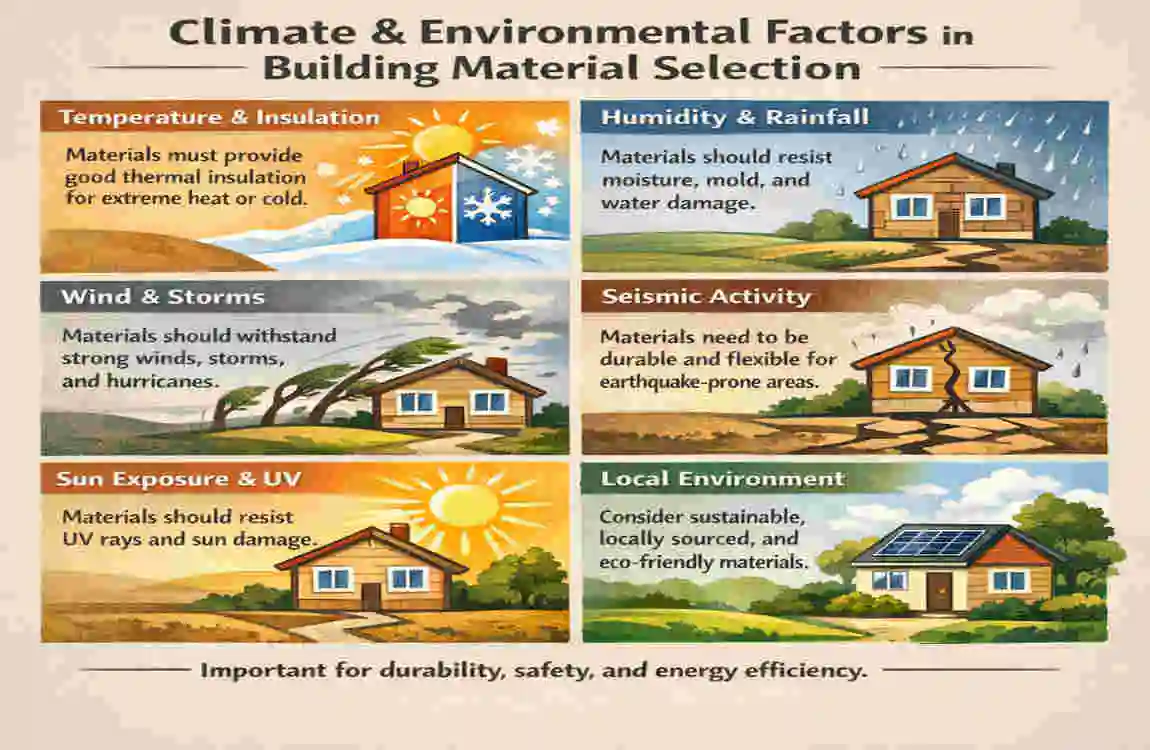
Your local climate plays a significant role in determining the best materials for your house. For instance, homes in hot and humid climates benefit from house materials with excellent thermal insulation, while areas prone to earthquakes require flexible yet sturdy materials, such as reinforced concrete.
Budget and Availability
While it’s tempting to go for the most durable or aesthetically pleasing materials, your budget will often dictate your choices. Additionally, the availability of construction materials in your region can impact costs and timelines.
Sustainability and Eco-Friendly Trends
With growing awareness of environmental issues, many modern home owners are opting for sustainable materials, such as bamboo, recycled steel, and hempcrete. These materials not only reduce your carbon footprint but also often come with long-term cost savings.
Essential Materials Needed to Build a House: A Comprehensive List
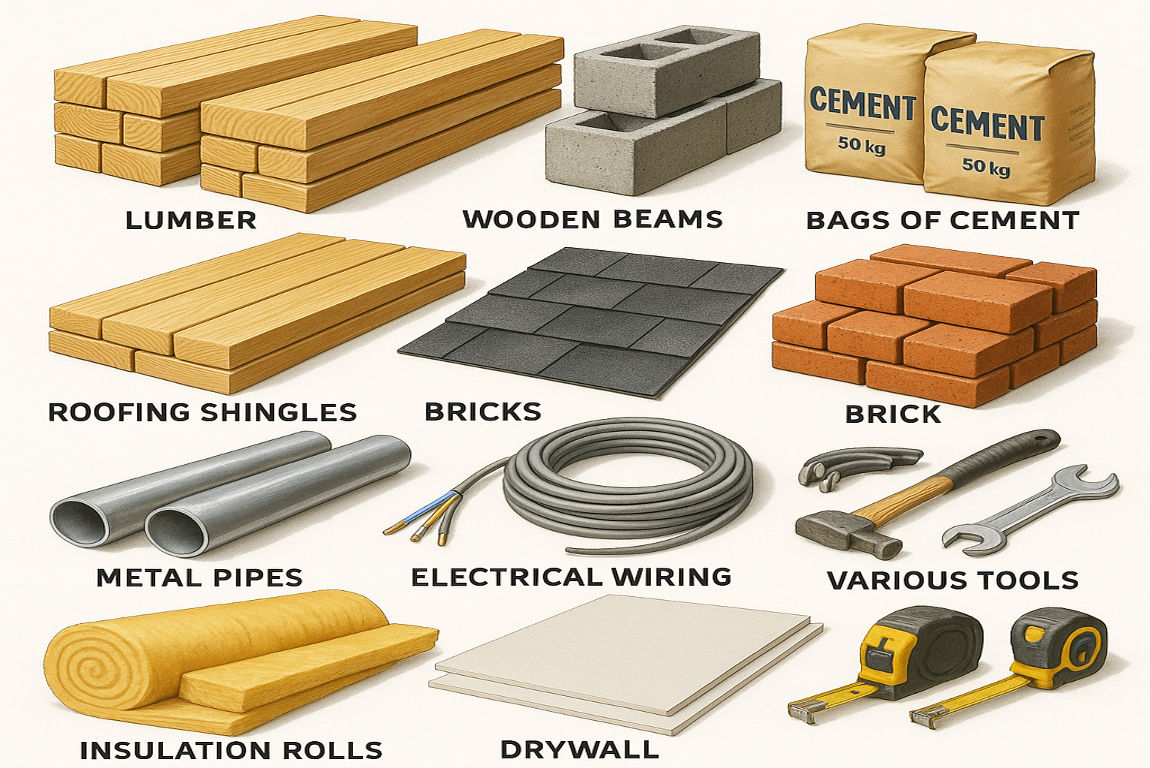
Now that we’ve covered the basics, let’s take a closer look at the materials needed to build a house. Each material has its unique properties, advantages, and considerations, so understanding their roles is crucial to making informed choices.
Cement and Concrete
Cement and concrete are the backbone of modern construction. They’re used in foundations, walls, floors, and structural supports.
Types of Cement and Concrete
- Ready-Mix Concrete: Pre-mixed and delivered to the site, saving time and ensuring consistency.
- Autoclaved Aerated Concrete (AAC): Lightweight and energy-efficient, ideal for insulation.
Advantages
- Exceptional strength and durability.
- High thermal mass, which helps regulate indoor temperatures.
- Versatile and adaptable to various construction needs.
Considerations
While concrete is strong, it has poor insulation properties and may require additional house materials for energy efficiency. It’s also relatively expensive compared to other options.
Steel
Steel is a popular choice for house framing and reinforcement due to its unmatched strength and durability.
Benefits of Steel
- Resistant to pests, fire, and extreme weather conditions.
- It is long-lasting and requires minimal maintenance.
- It can be recycled, making it an eco-friendly option.
Environmental Impact
While steel production is energy-intensive, advancements in recycling have made it a more sustainable choice.
Wood (Lumber and Timber)
Wood has been a staple in construction for centuries, thanks to its versatility and natural beauty.
Common Uses
- Framing, flooring, doors, and decorative elements.
- It is ideal for both structural and aesthetic purposes.
Benefits
- Natural insulation properties keep luxury homes warm in winter and cool in summer.
- Straightforward to work with, reducing labor costs.
- Aesthetic appeal that adds warmth and character to any home.
Types of Wood
- Softwoods: Pine and cedar, commonly used for framing.
- Hardwoods: Oak and maple, ideal for flooring and furniture.
Bricks and Concrete Blocks
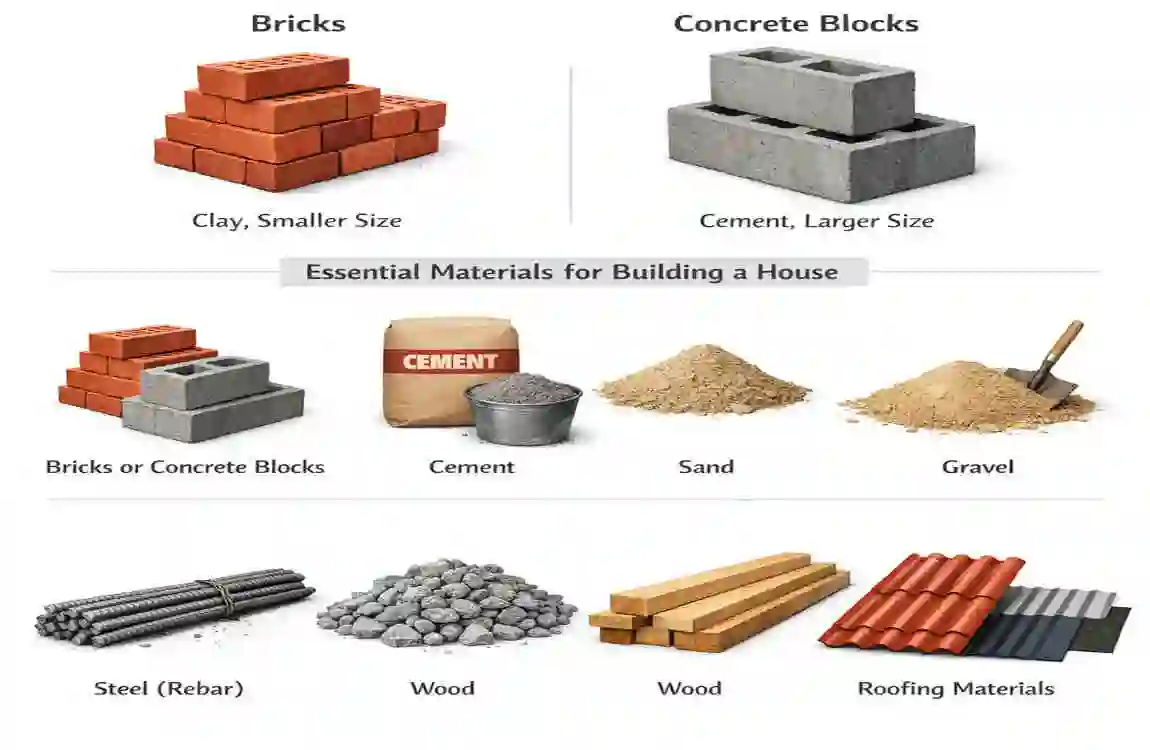
Bricks and concrete blocks are among the most traditional and reliable building materials.
Composition and Uses
- Made from clay or concrete, bricks are used in walls, partitions, and foundations.
- Concrete blocks are larger and often used for load-bearing walls.
Advantages
- Fire-resistant and durable.
- Excellent thermal insulation properties.
- Affordable and widely available.
Stone and Composite Stone
Stone is a timeless material that offers both strength and beauty.
Types of Stone
- Granite: Durable and ideal for countertops and flooring.
- Marble: Luxurious and often used for decorative purposes.
- Limestone and Sandstone: Commonly used in walls and facades.
Benefits
- Natural house beauty that enhances aesthetics.
- Long-lasting and resistant to wear and tear.
Glass
Glass is increasingly used in modern construction for its aesthetic and functional benefits.
Applications
- Windows, doors, skylights, and facades.
Types of Glass
- Tempered Glass: Strong and shatter-resistant.
- Laminated Glass: Offers safety and soundproofing.
- Energy-Efficient Glass: Reduces heat transfer, improving energy efficiency.
Benefits
- It allows natural light, reducing energy costs.
- It adds a modern and elegant touch to modern homes.
Additional Materials
Sand and Aggregates
Essential for concrete mixes and foundational work.
Tiles and Plasterboard
Used for interior finishes and wall linings.
Aluminum and Plastic
It is commonly used for window frames, pipes, and moldings.
Thatch and Natural Materials
Eco-friendly options for roofing and insulation.
Affordable and Sustainable Building Materials

If you’re on a budget or looking to reduce your environmental impact, consider these options:
Budget-Friendly Materials
- Concrete Blocks: Affordable and durable.
- Vinyl Siding: Cost-effective and low maintenance.
- Asphalt Shingles: Popular for roofing due to their affordability and durability.
Sustainable Materials
- Hempcrete: Lightweight, insulating, and eco-friendly.
- Recycled Materials: Steel, wood, and plastic can be repurposed for various construction purposes.
- Adobe and Cob: Traditional materials made from natural resources.
How to Choose the Right Materials for Your House

Selecting the right house materials involves balancing multiple factors. Here’s how to make the best choice:
Assess Your Climate
Select construction materials that can withstand the local weather conditions in your area.
Match Materials to Your Design
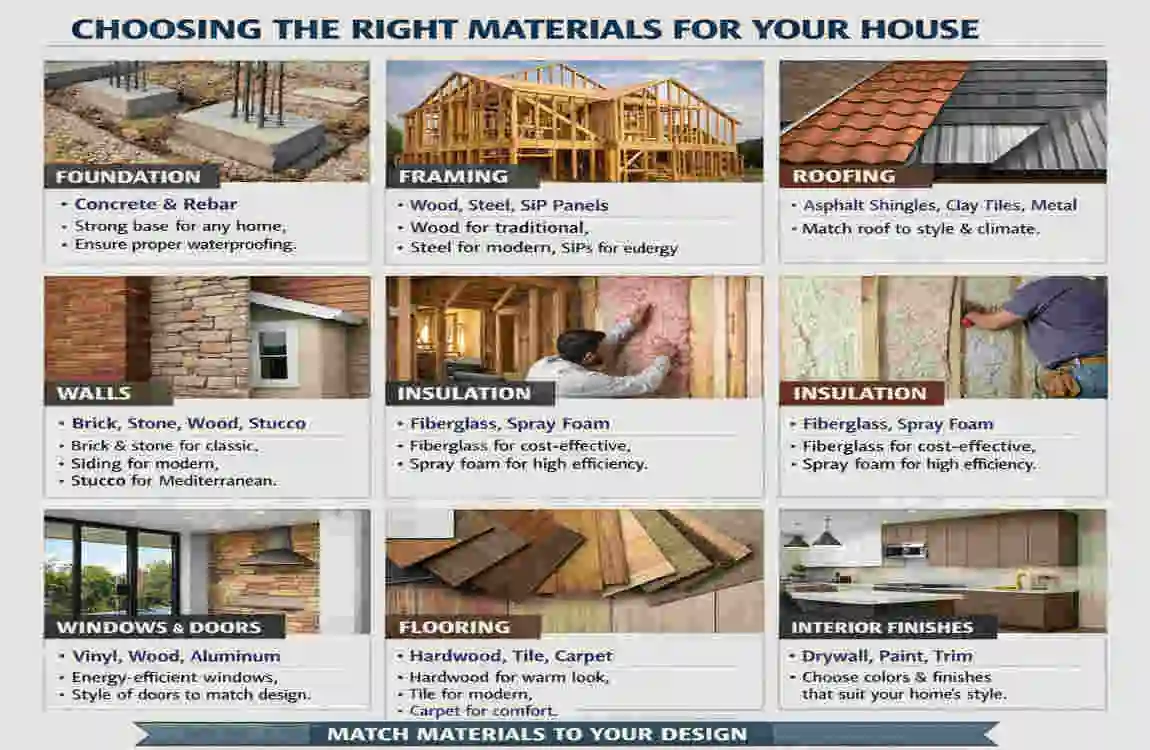
Ensure that the materials align with your aesthetic preferences and the architectural style of your project.
Budget Planning
Set a realistic budget and prioritize materials that offer the best value for money.
Certainly! Here’s a friendly and easy-to-understand FAQ on Materials Needed to Build a House, formatted with markdown for clarity and readability.
Materials Needed to Build a House: FAQ
What are the basic materials required to build a house?
Building a house requires a variety of materials, each serving a specific purpose. The main categories include:
- Foundation materials: Concrete, cement, gravel, steel rebar
- Framing materials: Wood (timber), steel beams
- Roofing materials: Shingles, tiles, metal sheets, waterproof membranes
- Wall materials: Bricks, concrete blocks, wood panels, drywall
- Insulation materials: Fiberglass, foam board, spray foam
- Flooring materials: Concrete, wood, tiles, carpet
- Finishing materials: Paint, plaster, fixtures, doors, windows
Why is concrete important in house construction?
Concrete forms the backbone of a house’s foundation and sometimes walls. It provides strength, stability, and durability. It’s made from cement, sand, gravel, and water and cures to a solid mass that supports the entire structure.
What types of wood are commonly used in house framing?
The most common woods used for framing include:
- Pine
- Douglas fir
- Spruce
- Cedar
These woods are chosen for their strength, availability, and cost-effectiveness.
What insulation materials are commonly used?
Good insulation keeps your home warm in winter and cool in summer. Popular options are:
- Fiberglass batts: Affordable and easy to install
- Spray foam: Excellent air seal, higher cost
- Rigid foam boards: Great for external walls and roofs
What finishing materials will I need?
Finishing materials give your home its final look and functionality:
- Paint and primers for walls and ceilings
- Floor finishes like hardwood, tile, or carpet
- Doors and windows, including frames and glass
- Cabinetry and countertops for kitchens and bathrooms
- Lighting fixtures and switches
How can I ensure I get quality materials?
- Buy from reputable suppliers
- Ask for product certifications and warranties
- Consult with your builder or architect
- Read reviews and get samples if possible
| Material | Main uses in a house | Key benefits | Typical drawbacks |
|---|---|---|---|
| Concrete | Foundations, columns, slabs, walls, driveways | Very strong, durable, fire‑ and water‑resistant, low maintenance | Heavy, labor‑intensive, can crack without proper design |
| Bricks | Walls (external & internal), partitions | Durable, good thermal mass, low long‑term maintenance | Labor‑intensive, slower to build, higher cost on some sites |
| Cement | Mortar, concrete, plaster, grout, repairs | Binds other materials, versatile, widely available | Can crack if not mixed/cured properly |
| Sand & aggregates | Concrete, mortar, plasters, base layers | Essential for strength and workability of concrete and mortars | Quality varies; poor grading reduces strength |
| Steel (TMT bars) | Reinforcement in beams, columns, slabs, footings | High tensile strength, earthquake‑resistant, long‑lasting | Costlier than plain steel, can rust if exposed |
| Wood / timber | Framing, doors, windows, roofing, flooring, finishes | Lightweight, easy to work with, good insulator, natural look | Vulnerable to termites, moisture, and fire if untreated |
| Blocks | Masonry walls, partitions, boundary walls | Faster than brick in some cases, good thermal and sound insulation | Needs proper mortar and laying for optimal strength |
| Stone | Foundations, walls, cladding, decorative features | Extremely durable, fire‑resistant, attractive appearance | Expensive, heavy, requires skilled labor |